
Igniting the thirst for knowledge in border regions:Final part: Decisive, urgent, and effective!
On July 18, 2025, the Politburo issued a Notice on the policy of investing in school construction for border communes. Immediately afterwards, the policy of building a system of multi-level boarding schools was quickly implemented, transforming the guiding spirit into tangible constructions on the ground. After 7 months, construction had begun on 100 multi-level primary and secondary boarding schools nationwide...

Reporters' Team /Present:Hong Toai•
07/03/2006
On July 18, 2025, the Politburo issued a notice on the policy of investing in the construction of schools for border communes. Immediately afterwards, the policy of building a system of multi-level boarding schools was quickly implemented, transforming the guiding principles into tangible constructions on the ground. Within seven months, construction had begun on 100 multi-level primary and secondary boarding schools nationwide. These new schools not only open up learning opportunities for students in border areas and become cultural centers for the entire region, but also serve as places to nurture dreams, cultivate aspirations, and build a future for the children of ethnic minorities in these border regions.
.png)
Na Ngoi is a border commune in Nghe An province, bordering Laos. The commune has a total area of 341.25 square kilometers.2With a population of 9,536, 98% of the population are ethnic minorities, including the Hmong, Thai, and Khmu peoples. Located 250km from the provincial center, with rugged terrain and a harsh climate, Na Ngoi has long been classified as a particularly disadvantaged economic zone and is also a key area for national security and defense.
October 11, 2025, marked a memorable milestone for Na Ngoi – the groundbreaking ceremony for the Na Ngoi Inter-level Boarding School for Primary and Secondary Education. The construction of the school is being implemented in accordance with the Politburo's new policy on investing in the construction of 248 inter-level boarding schools for primary and secondary education in border communes. The event was made even more significant by the presence of General Secretary To Lam, along with leaders of the Party, State, and various ministries and agencies.
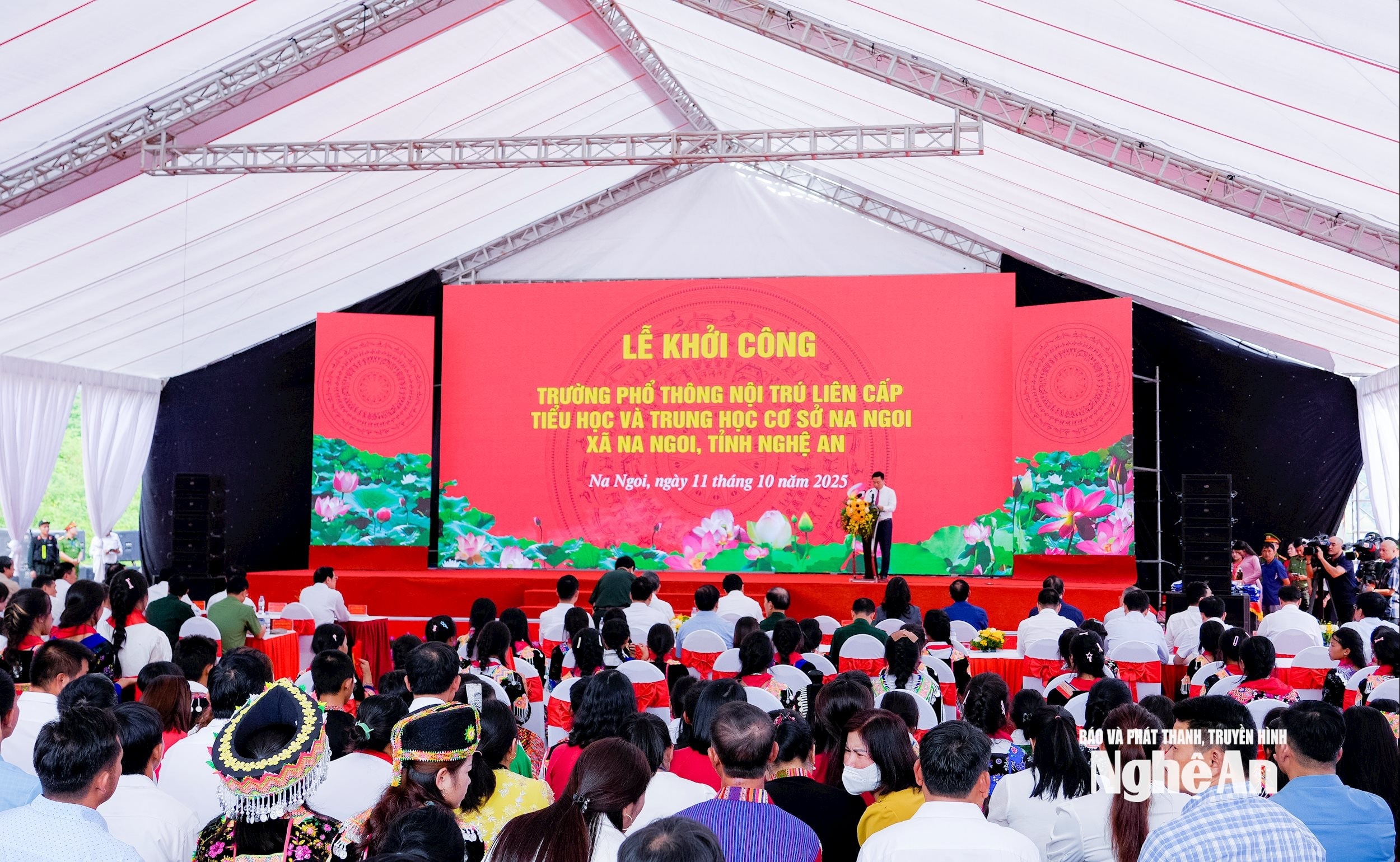
At the groundbreaking ceremony, General Secretary To Lam emphasized: In recent years, despite many difficulties, the Party and State have paid great attention to border areas. In reality, the school system, especially boarding schools at all levels in border communes, is still very inadequate, limiting the learning conditions for students.
The policy of investing in the construction of 248 boarding schools at all levels is a sound policy with profound humanitarian significance, demonstrating the special concern of the Party and the State for the people in border areas, remote areas, and areas still facing many difficulties. Building schools not only provides children with better learning conditions but also aims at the long-term goal of improving the quality of life for people in border areas, contributing to the preservation of national territorial sovereignty from its roots – the people, the communities closely connected to the land, the forests, the border, and the boundary markers.
General Secretary To Lam
That day, Lầu Quân Việt, a 9th-grade student from Na Ngoi Ethnic Minority Boarding School, had a memorable experience when he personally presented General Secretary Tô Lâm with a traditional flute and scarf, representing the cultural identity of his ethnic group. “I am happy to know that, despite his busy schedule, the General Secretary still cares about students in remote, border areas of our country. My classmates and I hope the school will be built as quickly as possible so that we can study in a school that the General Secretary personally visited and overseen,” Lầu Quân Việt said.
Na Ngoi Ethnic Boarding Primary and Secondary School is the first border boarding school to be constructed in Nghe An province. Mr. Nguyen Cong Danh, the principal of Na Ngoi Ethnic Boarding Secondary School, expressed his joy: "With the completion of the new school, the quality of education in the commune will certainly take a new step forward – becoming more synchronized and modern. Students will study in a better environment, teachers will have easier access to professional development, and parents will feel more secure entrusting their children to the school."
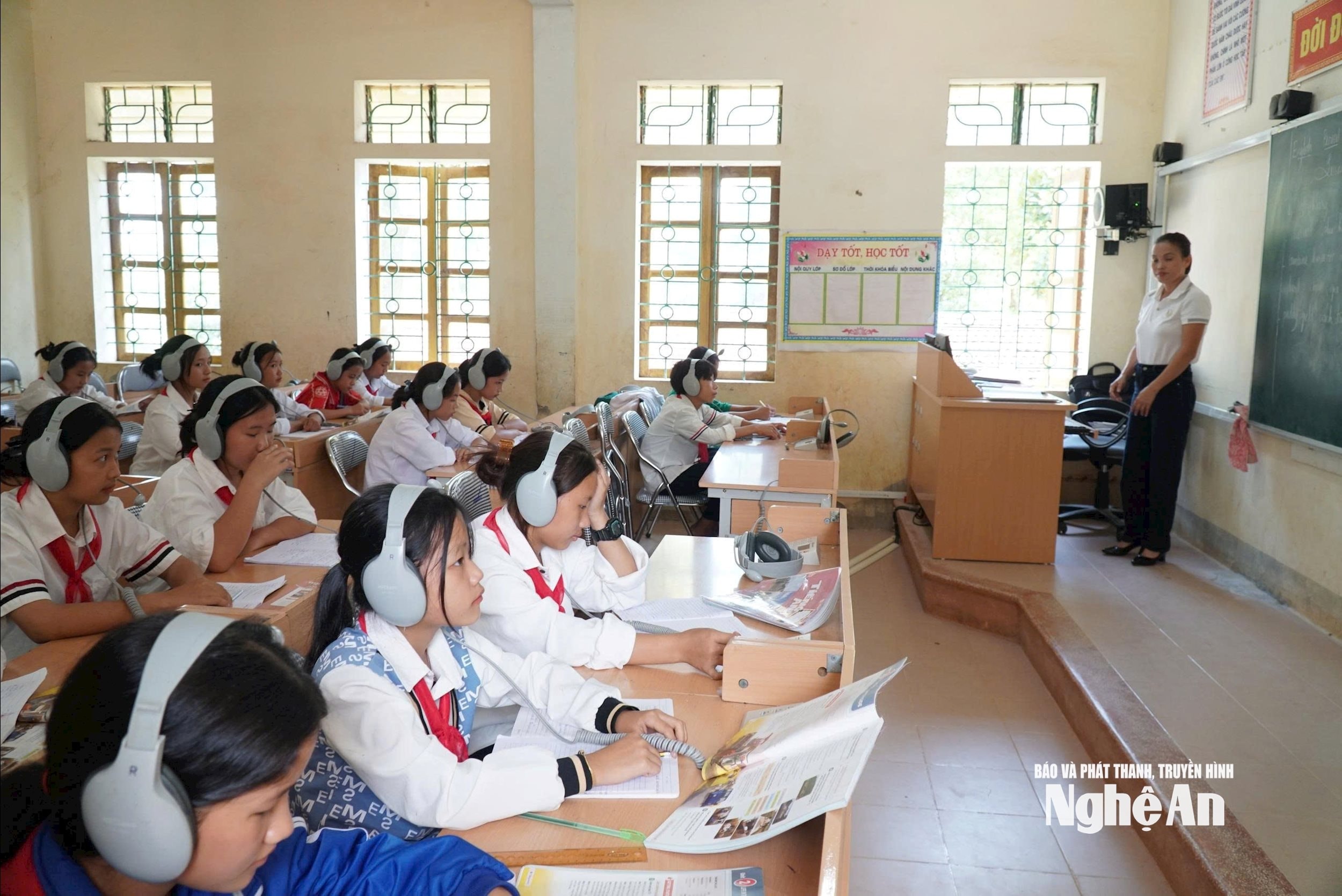
Following the groundbreaking ceremony for the Na Ngoi Ethnic Minority Boarding School (including primary and secondary levels), on the morning of November 9, 2025, the Ministry of Education and Training, in coordination with 15 border provinces, held a simultaneous groundbreaking ceremony for 72 multi-level boarding schools in border communes. Among these, Nghe An province has 9 multi-level boarding schools in the communes of Nhon Mai, Keng Du, Mon Son, Bac Ly, Tam Thai, Que Phong, Tri Le, Hanh Lam, and Anh Son.
To date, after 4 months of implementation, according to the report of the Project Management Board for the construction of civil and industrial works, 10 out of 10 projects have been completed and their compensation, support, and resettlement plans have been approved.
Regarding the preparation of feasibility studies, there are currently 4 projects being submitted to the Department of Construction for appraisal; and 6 projects being submitted to the Department of Finance for appraisal and reporting to the competent authority for approval. In addition, the Board is also coordinating with the Department of Agriculture and Environment to complete procedures for material quarries (sand, soil) under a special mechanism to reduce costs and accelerate construction progress.
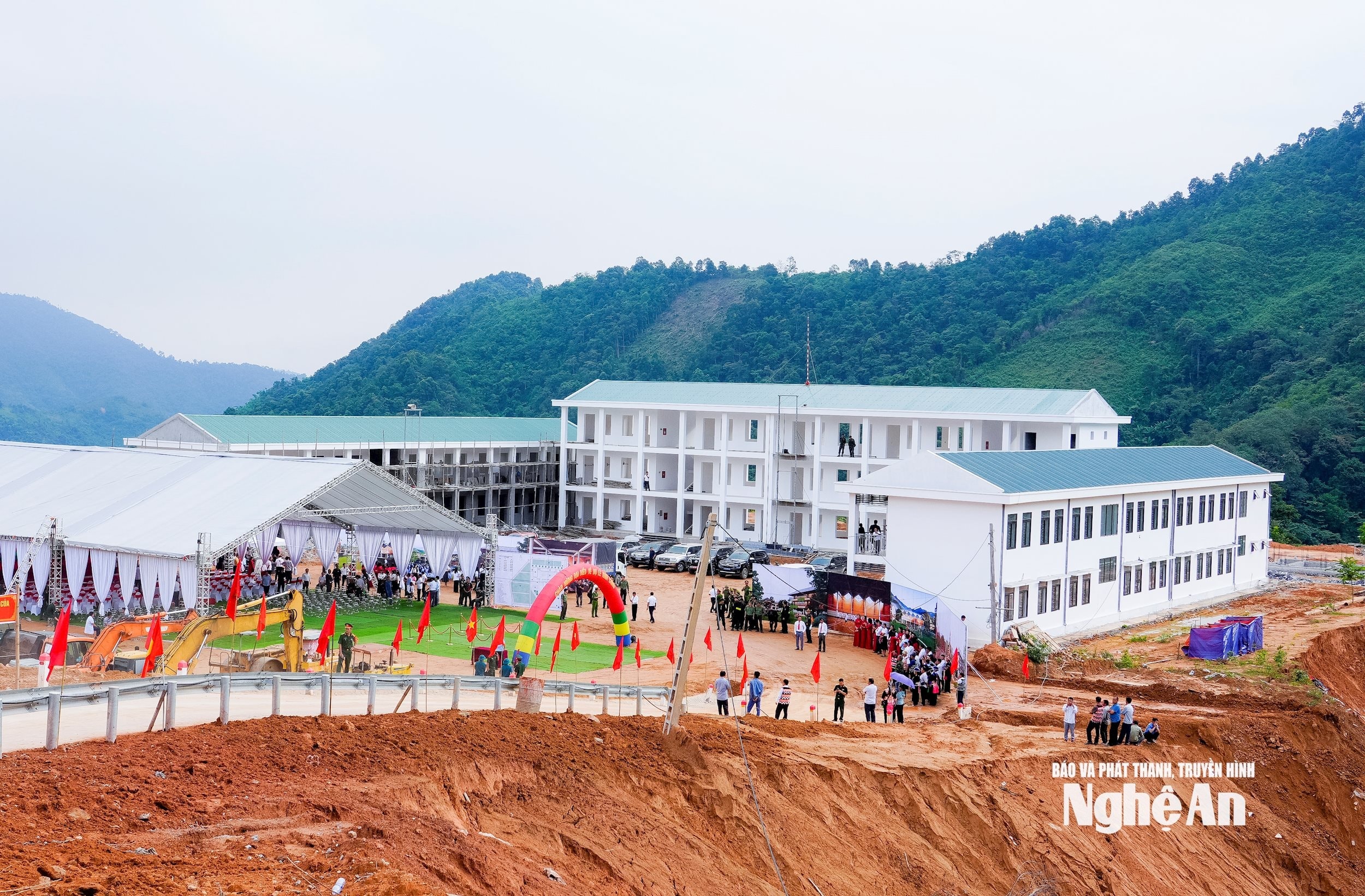
In Keng Du border commune, teacher Nguyen Tat Chinh - Principal of Keng Du 1 Ethnic Boarding Primary School - said: "Keng Du commune doesn't have a large population, only 10 villages, but we need two primary schools, with each village having a separate branch. Therefore, teachers' travel is very difficult. This school year, some of the branch schools were merged into the main school, but the main school is too cramped, making it very inconvenient for the students to attend the boarding program. We are waiting for the new school every day."
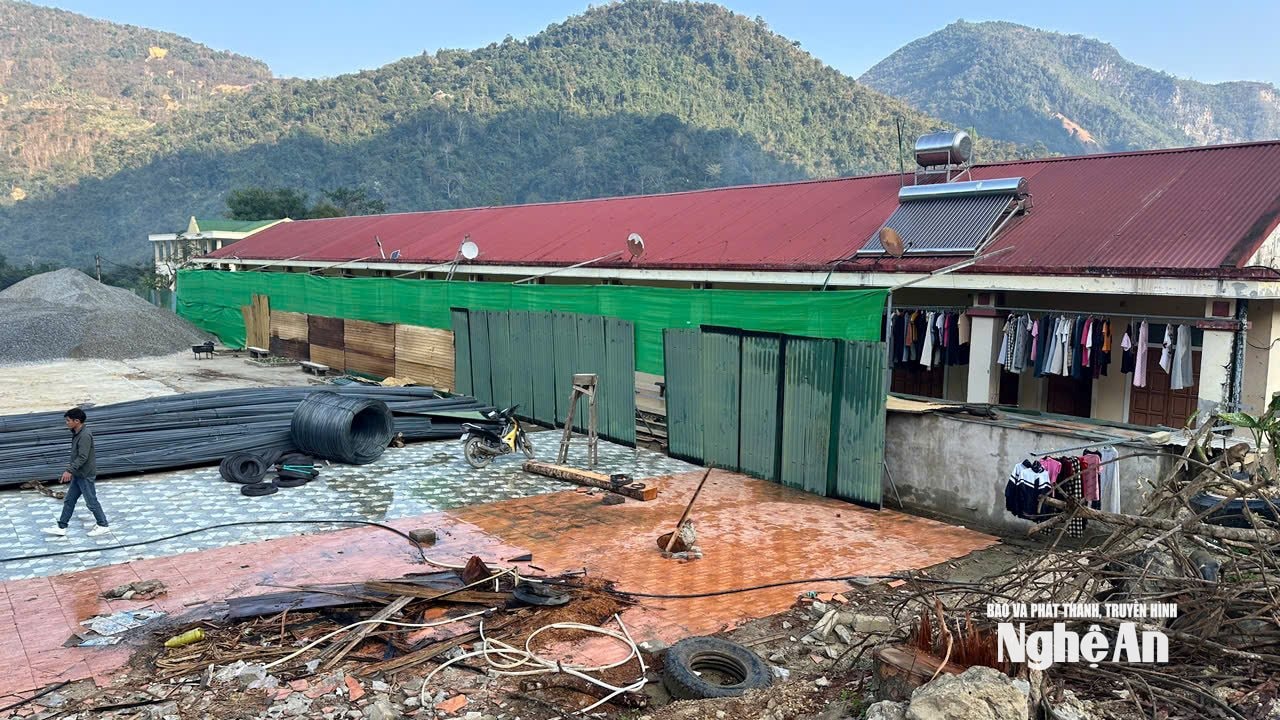
It is known that preparations for the construction of the boarding school have been carried out urgently and effectively by the localities. Mr. Luong Van Ngam - Chairman of the People's Committee of Keng Du commune said: "The commune quickly surveyed and found a suitable location. The chosen location for the multi-level boarding school is a plot of land in Huoi Phuon 1 village, more than 5 hectares in size, about 2km from the commune headquarters, from where it is possible to reach 10 villages in the area. The biggest difficulty is the transportation of materials. Almost all materials have to be purchased and transported from Muong Xen commune. This 80km journey is already difficult, and it becomes even more challenging when it rains. We will try our best to coordinate with the construction unit to resolve this issue well."
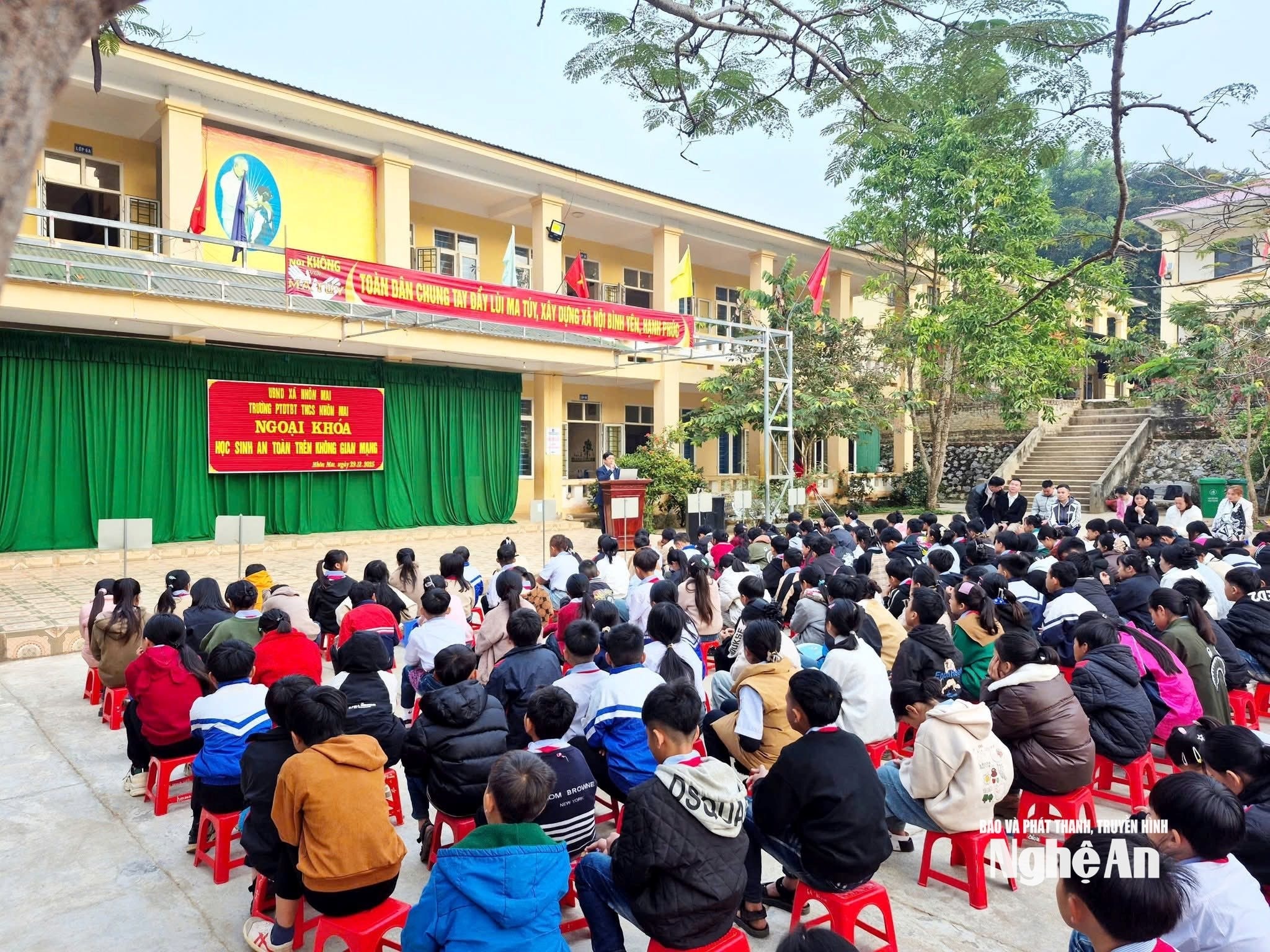
Similarly, in Nhon Mai commune, after four surveys and selections, the relevant departments and the commune have unanimously proposed to the province a construction site in Cha Lo village. The school construction area is located next to National Highway 16, right in the middle of Nhon Mai commune, and has an area that meets the requirements for building a self-contained boarding school. Mr. Le Hong Thai - Chairman of the People's Committee of Nhon Mai commune - said: The legal procedures related to investment, construction, planning, and land clearance have been completed in accordance with regulations. To ensure the school is completed on schedule, the commune is committed to making every effort to implement the project on time and with high quality, contributing to the sustainable development of the border area.
It is expected that in March, Nghe An will continue to start construction on 11 more multi-level boarding school projects in communes such as Thong Thu, Nam Can, Tam Quang, Muong Xen, Chau Khe… To prepare for the groundbreaking ceremony, at the end of February, the provincial working group also directly visited the localities to assess the situation, listen to reports and inspect the construction sites of the multi-level schools.
We must view this as a Quang Trung Campaign – swift and daring. Swift means acting quickly, daring means being decisive, but still ensuring process, quality, and effectiveness.
Prime Minister Pham Minh Chinh
.png)
Nghe An is one of the provinces with the most border communes in the country, with 21 communes. At the same time, the number of schools approved by the central government for construction in 2025 is also among the highest. Besides the two schools in Keng Du and Bac Ly communes, each with approximately 27 classes and over 1,000 students, the remaining eight schools all have 30 classes or more and an investment of 200 billion VND per school.
.png)
To ensure the project's effective implementation, the Provincial People's Committee established a Provincial Steering Committee for unified management, while also adhering to the "6 clear principles": clear person, clear task, clear responsibility, clear authority, clear time, and clear results in each implementation step, aiming to ensure progress, quality, and investment efficiency.
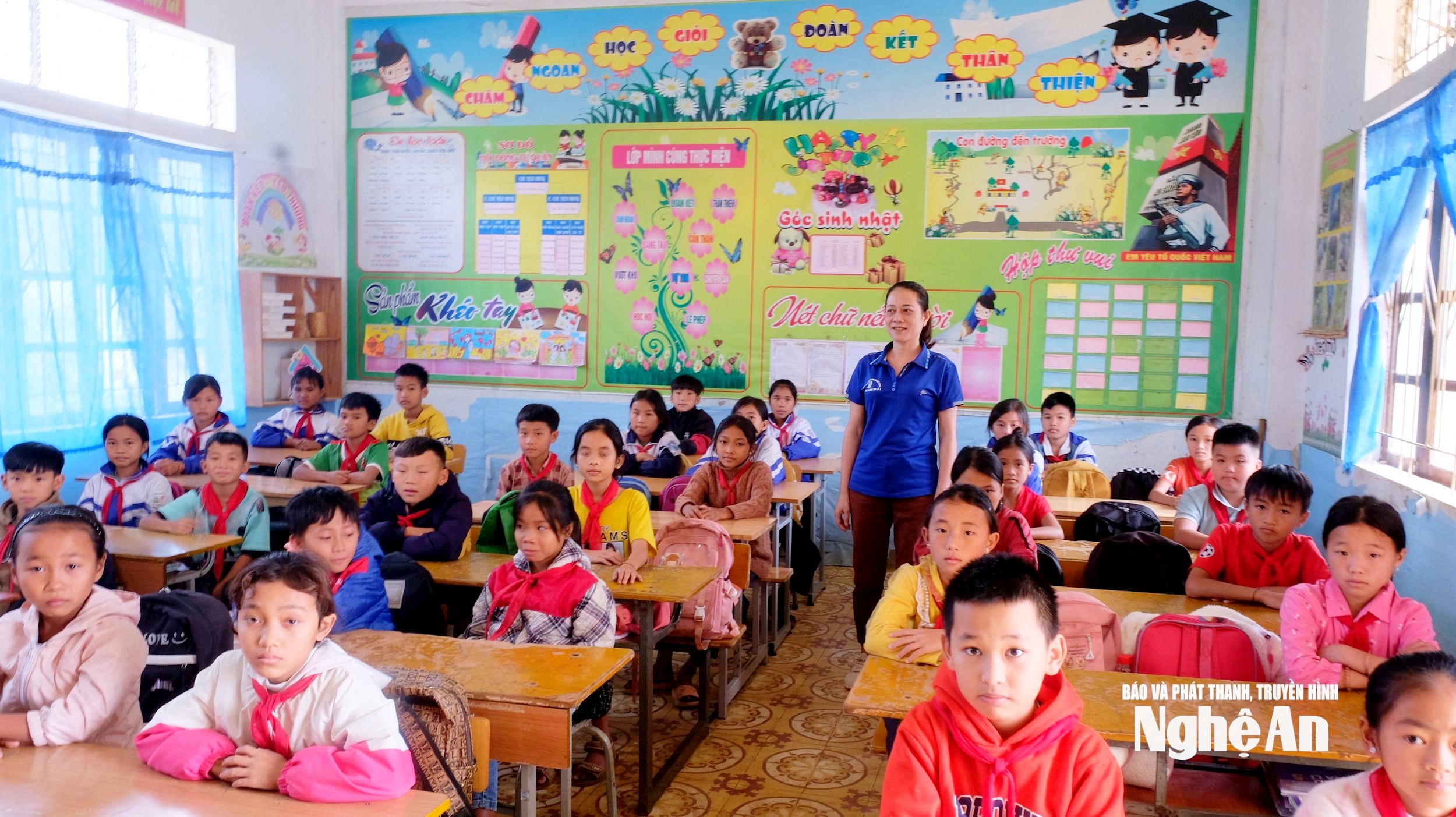
According to the Director of the Department of Education and Training, Nguyen Van Khoa, building schools in border communes is a major policy of the Party and the State, and is strategic in the development of education in border regions.
In the long term, integrated boarding schools can fundamentally reduce the educational gap between border regions and lowland areas. Currently, geographical distance often leads to students in remote areas starting school late, experiencing interruptions in their education, dropping out early, and having difficulty accessing high-quality education. When students are concentrated in a large-scale educational center with comprehensive learning facilities, this gap will gradually narrow.
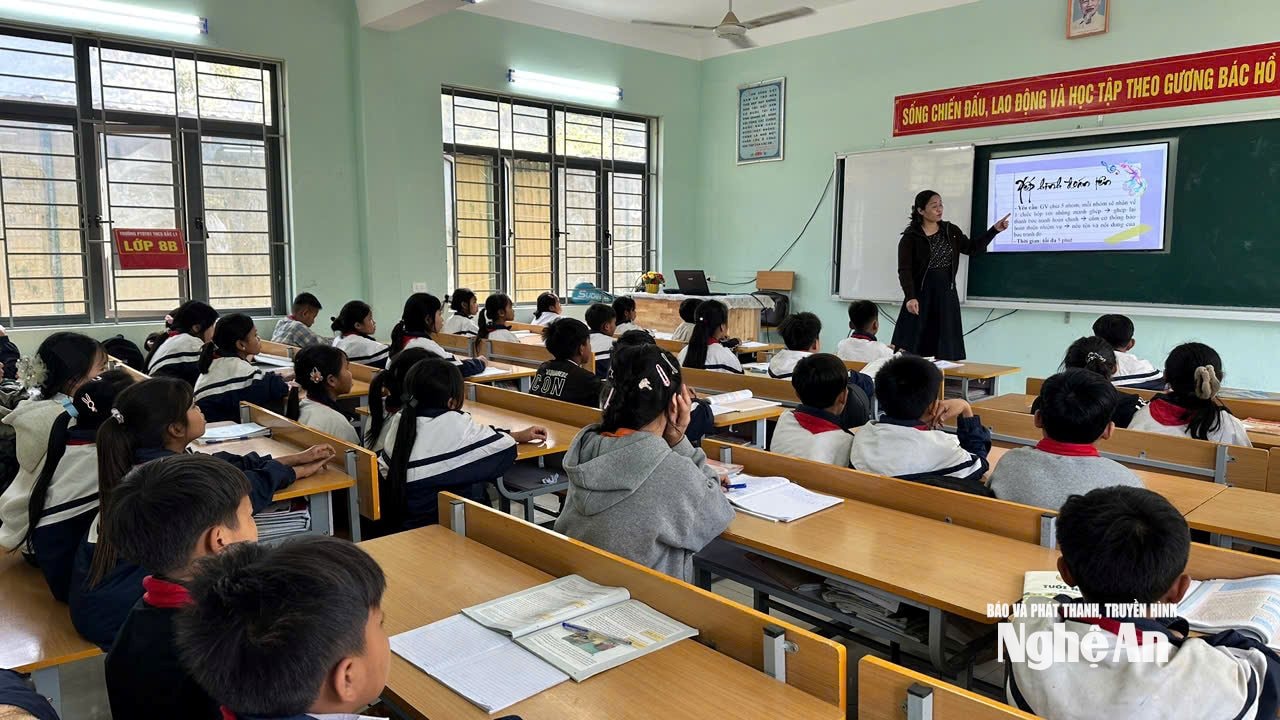
This creates a generational effect: Students in border regions have higher levels of education than their parents, thereby changing the structure of the local workforce over the next 10–20 years.
Boarding schools help create a continuous educational chain from primary to lower secondary (and possibly upper secondary), reducing learning gaps. This is a prerequisite for increasing the percentage of students completing general education and continuing on to vocational training or university.
In the long term, Nghe An can reduce the number of unskilled laborers and increase the proportion of skilled labor, especially in the western mountainous region – where there is currently a shortage of qualified personnel. This will directly impact the ability to attract investment, develop the border region economy, ecotourism, and forest economy.
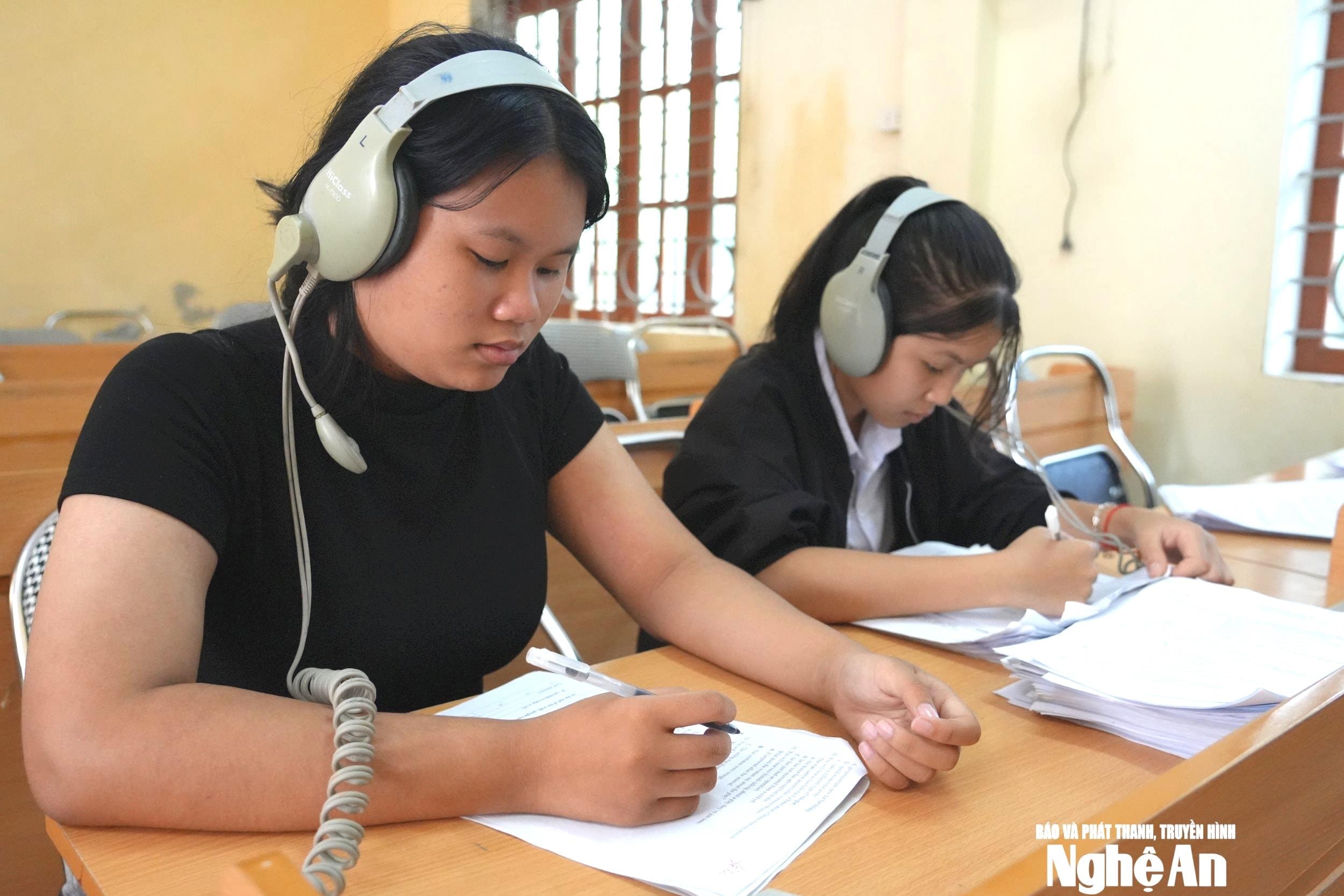
Besides investing in infrastructure, the organization, personnel, and operational mechanisms of multi-level boarding schools have also been considered and planned by localities and schools. With many years of experience managing a school with boarding students, Mr. Nguyen Van Vy, Principal of Mon Son Secondary School in Mon Son commune, said: "For a long time, boarding schools in Nghe An only had a few hundred to about 1,000 students. Therefore, with the multi-level school model, in addition to the possibility of doubling the number of students, the students at both levels also have their own unique characteristics. Therefore, when put into operation, a specific mechanism is needed, along with sufficient staff such as school health workers, boarding school caregivers, and psychology teachers to ensure effective operation."
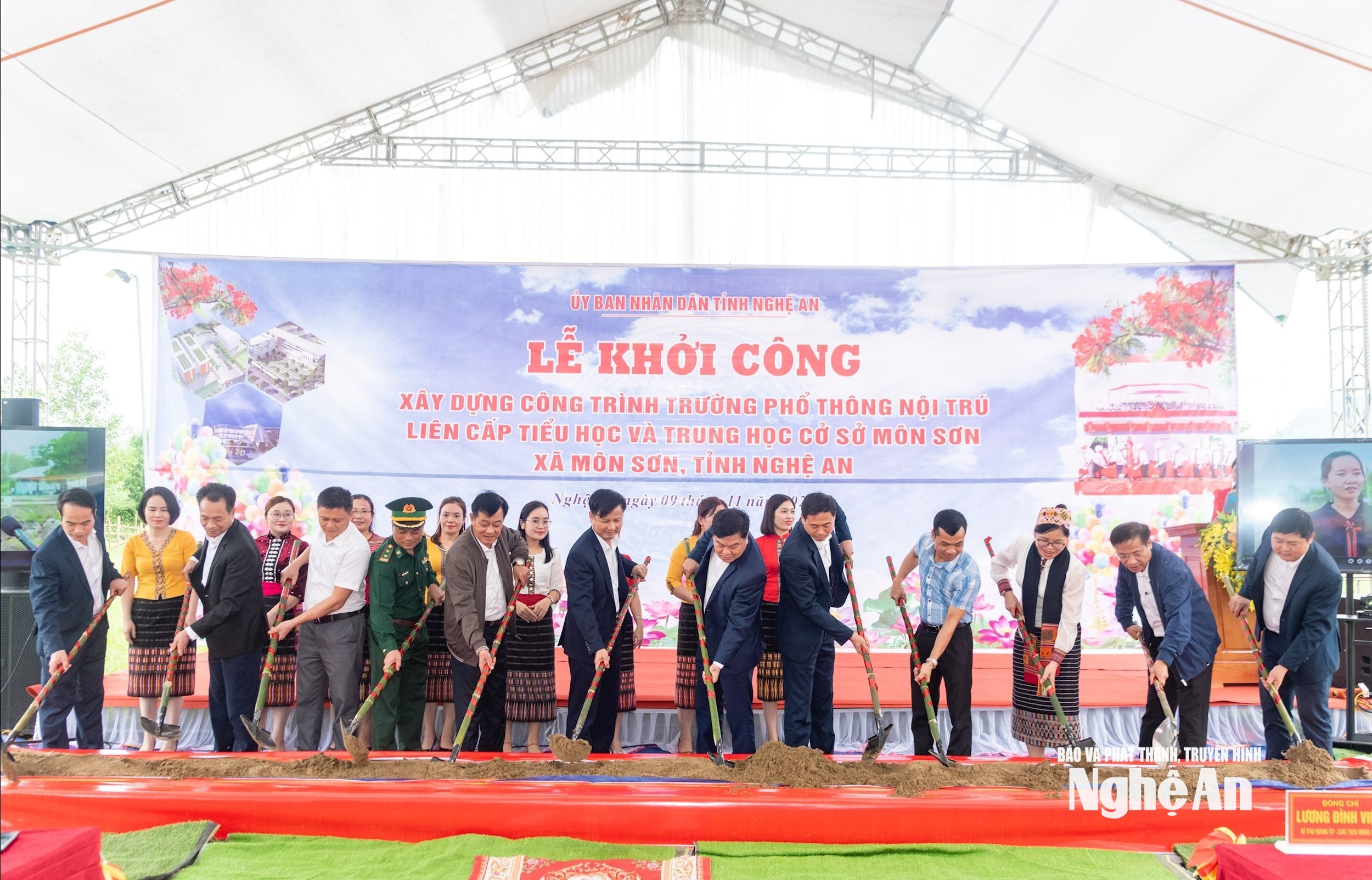
Regarding this matter, the Vice Chairman of the Nghe An Provincial People's Committee, Thai Van Thanh, affirmed: The establishment of multi-level boarding schools will be carried out on the basis of merging existing primary and secondary schools in each commune. Therefore, the management staff, teachers, and employees are basically guaranteed and have experience in caring for and managing boarding and semi-boarding students. To improve the quality of education, the Nghe An Department of Education and Training is also developing a plan for the rational allocation and deployment of teachers, based on a review of the existing staff and actual needs in the coming period.
In preparation for the operation of multi-level boarding schools, this school year the Nghe An Department of Education will focus on training and developing teachers who can use ethnic minority languages and the languages of neighboring countries to improve communication skills and cultural understanding in border regions, thereby enhancing the effectiveness of education and student mobilization. In particular, training for administrators, teachers, and staff in the skills of managing and caring for boarding students will also be emphasized. The goal is to build a team that is both professionally competent and understands the psychology and culture of ethnic minority students, transforming each multi-level boarding school into a true second home for students in mountainous areas. These schools of the future are being formed. Certainly, these schools will contribute to illuminating the future for the villages.
The belief, hope, and involvement of the entire political system will also contribute to the early implementation of the project to build multi-level boarding schools in the border communes of Nghe An. The future school will not only contribute to illuminating the villages with knowledge but will also be "a school for our children, for our people," so we will all work together to preserve and nurture it… as General Secretary To Lam conveyed to the people of Nghe An.


