
Changing behavior and promoting a green lifestyle in Nghe An.
World Environment Day on June 5, 2025, with the theme "Combating Plastic Pollution," once again alerted the global community to the increasingly serious dangers of plastic waste; it highlighted the need for a large-scale and in-depth campaign to change behavior, reduce plastic waste, and promote a green lifestyle in the community of Nghe An.
Major consequences of plastic waste
Undeniably, plastic is a revolutionary invention in science and technology. Thanks to its lightweight, durable, waterproof properties and low cost, plastic has become an indispensable material in a wide range of fields: packaging, healthcare, electronics, automotive, construction, aviation, agriculture, and in people's daily lives. The emergence of plastic has helped to alleviate pressure on natural resources such as wood and metal.
However, precisely because of its durability in nature, plastic becomes a "double-edged sword." Single-use plastic products such as plastic bags, plastic bottles, straws, styrofoam containers, etc., are causing a global environmental crisis.
It is estimated that millions of tons of plastic waste are released into the environment every year, of which only a small fraction is collected and recycled properly. The rest persists in the soil, water, and air for hundreds of years.
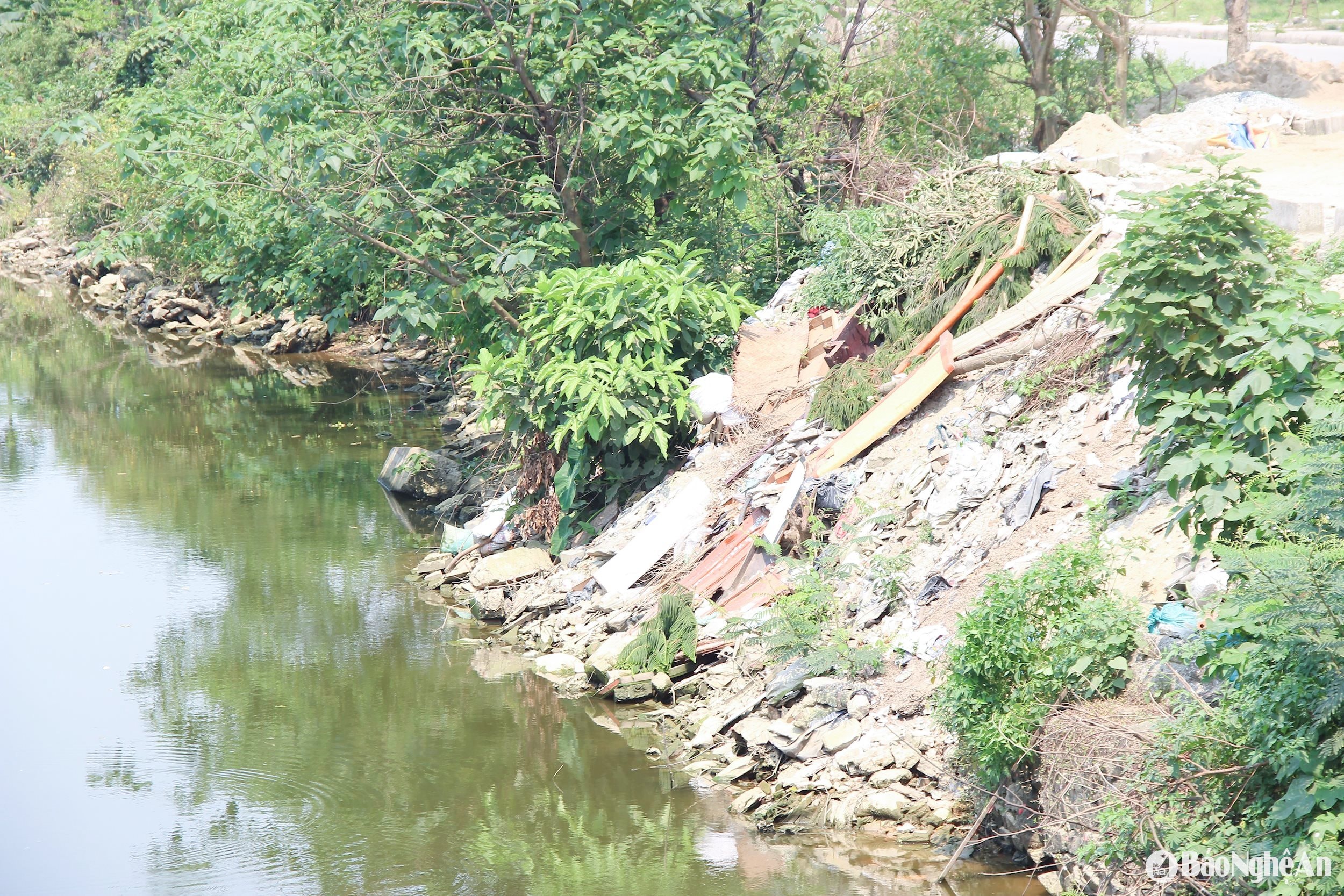
Plastic waste, especially single-use plastics, accounts for a large proportion of total household waste. If not properly sorted, collected, and processed, it severely impacts the natural environment, detracting from the aesthetics of rural and urban areas, polluting rivers and oceans, and degrading ecosystems. Improper burning of plastic waste, and waste in general, produces toxic substances such as dioxins and furans – causes of cancer, respiratory failure, and endocrine disorders.
More seriously, plastic products that do not completely decompose form microplastics – tiny particles that enter the human body through food, water, and air. Studies have shown that microplastics can cause neurological and endocrine disorders and affect digestion. "We are silently consuming plastic every day without even knowing it," warned an environmental expert.
Furthermore, plastic waste clogs drainage systems, increasing the risk of flooding and disease outbreaks in densely populated areas.
The fight against plastic pollution
One of the biggest obstacles today is the limited awareness, consciousness, and responsibility of many people regarding consumer behavior. In reality, the convenience and utility, especially the fact that disposable plastic products are often included free with purchases, means people continue to use them without hesitation.
Even when people only buy a few lemons, some onions, or bunches of herbs, tomatoes, etc., they put each item in a separate plastic bag instead of putting them all in one. As for the vendors, single-use plastic products are usually inexpensive, so they haven't yet developed the awareness to change their behavior to use them sparingly and economically.
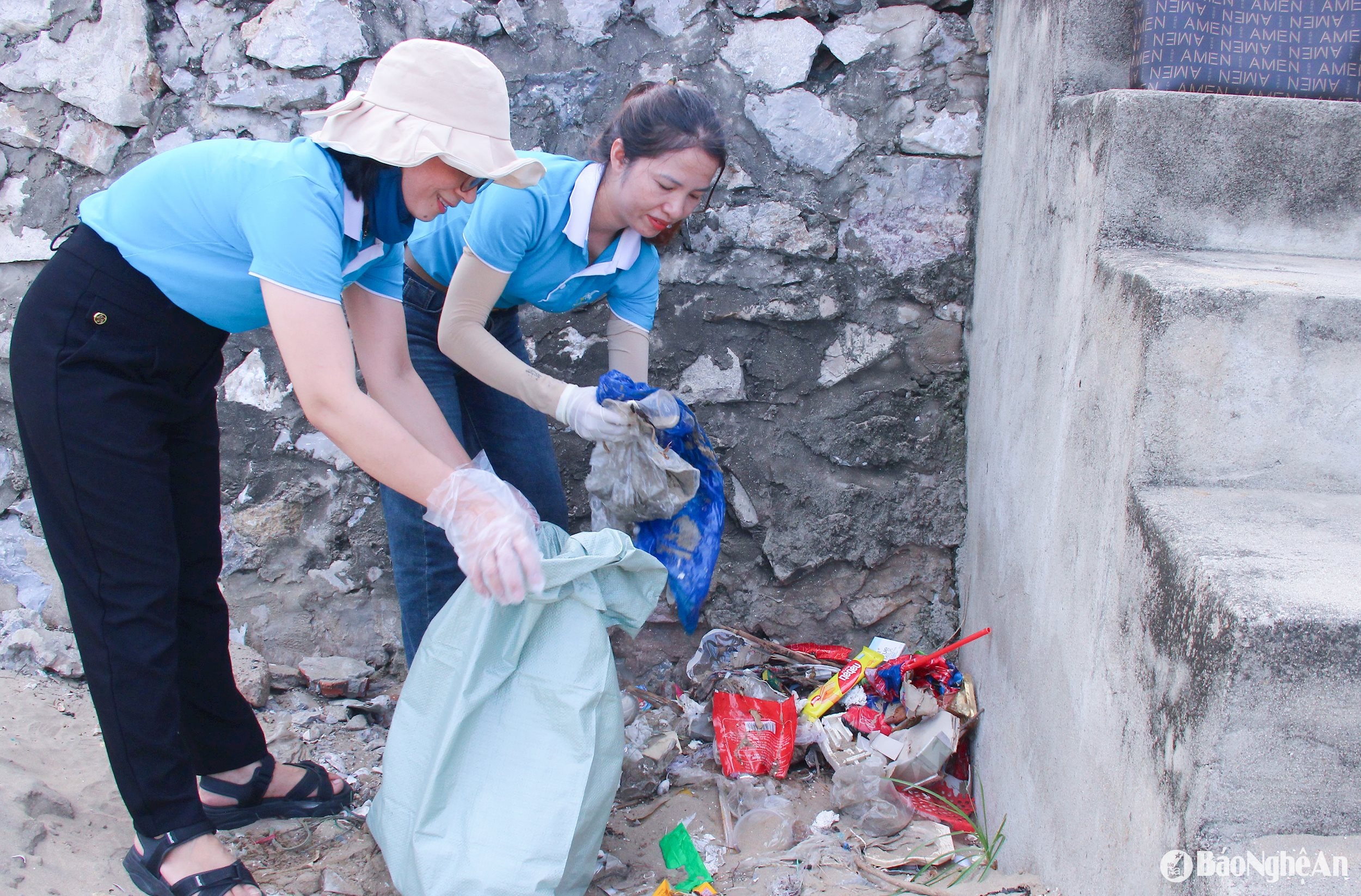
Currently, the use of single-use plastic products is widespread, while the infrastructure for handling plastic waste nationwide, including in Nghe An province, is still limited.
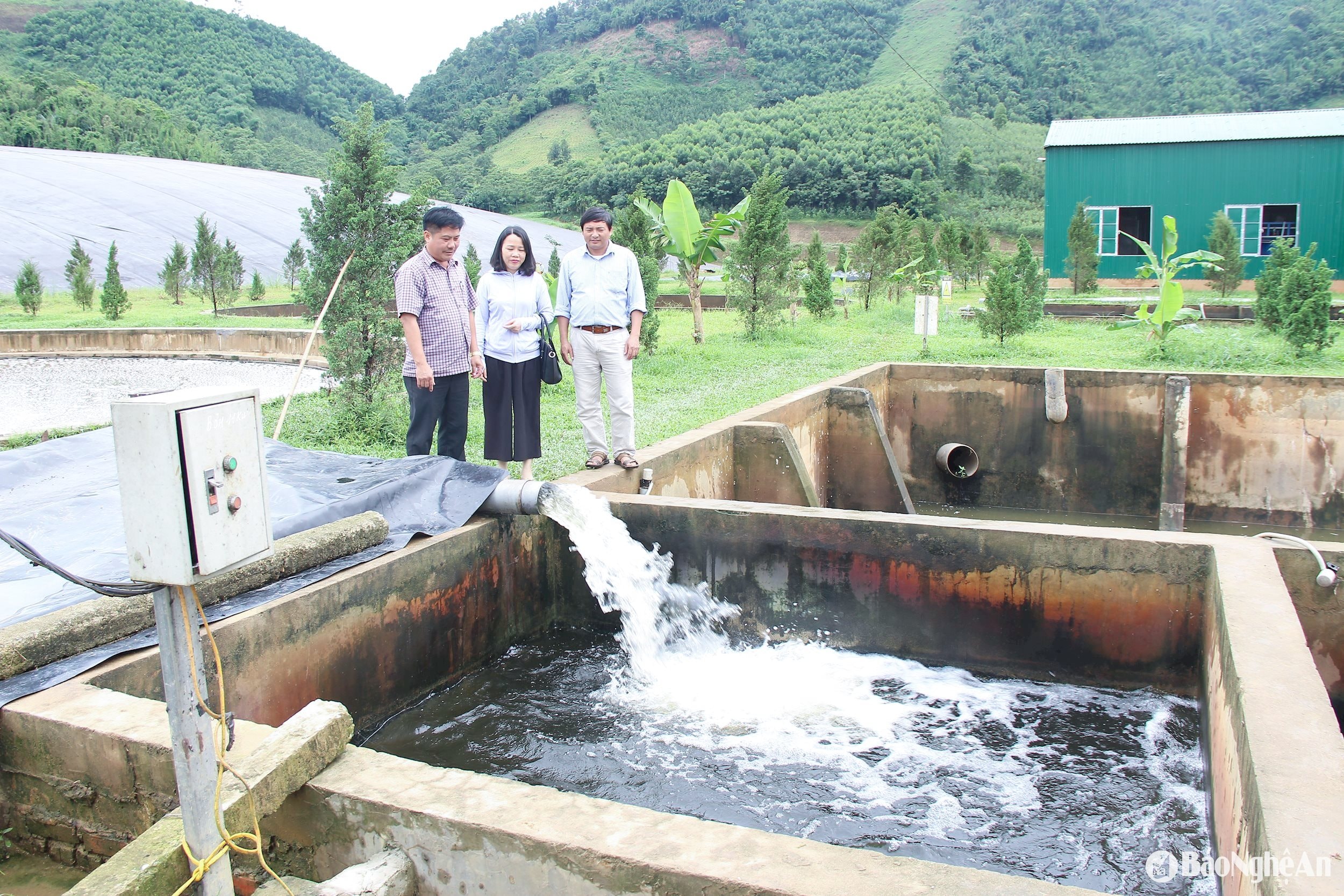
According to a report from the Nghe An Department of Agriculture and Environment, currently there is only one facility in the province that processes sorted household waste. The hazardous waste, industrial solid waste, and household solid waste treatment plant in Tan Ky district has completed its investment phase and is currently undergoing trial operation, preparing to put into operation a hazardous waste, industrial solid waste, and household solid waste incinerator with a capacity of 48,000 kg/day; it also has a nylon and plastic waste recycling system with a capacity of 5,000 kg/day and a non-fired brick production system from waste with a capacity of 44,000 kg/day.
This affects the implementation of the policy on waste sorting at source according to the 2020 Environmental Protection Law, which has been concretized by the People's Committee of Nghe An province into regulations on the management of household solid waste in the province, in Decision No. 26, dated July 30, 2024.

During our field visits, we also noted some feedback from several localities that, despite implementing a waste sorting program at the source, post-sorting processing remains inconsistent. Often, even though residents have sorted organic, inorganic, and recyclable waste, at the collection and processing stage, everything is mixed together again and then buried or burned together, leading to wasted resources and eroding community trust.
Another major drawback is that the cost of waste collection, transportation, and processing is currently calculated per household, failing to accurately reflect the amount of waste generated by waste generators. The lack of a volume-based pricing mechanism discourages people from reducing or properly sorting waste. This significantly impacts the entire waste management system.
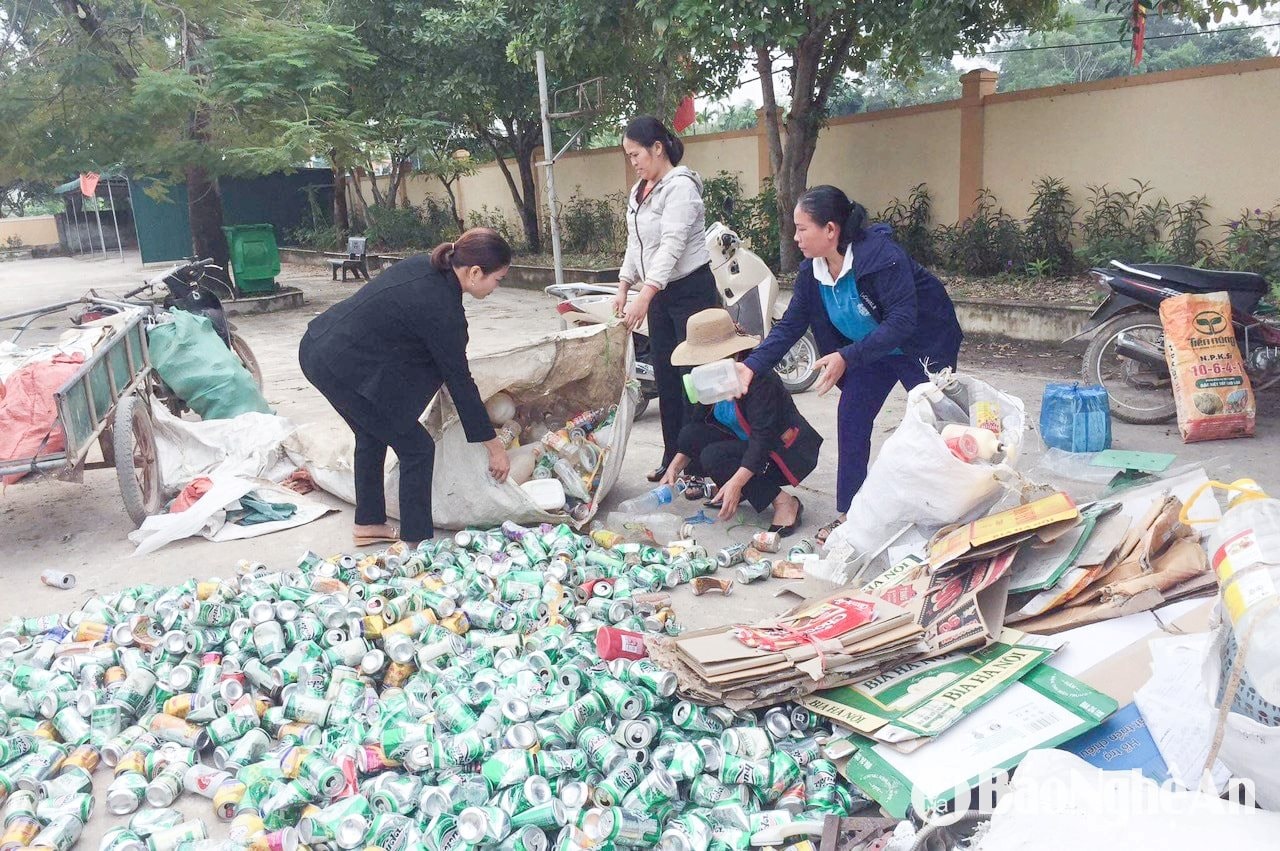
Solution
World Environment Day on June 5, 2025, with the theme "Combating Plastic Pollution," once again raises awareness among the global community about the increasingly serious dangers posed by plastic waste. The fight against plastic pollution requires a comprehensive strategy, combining changes in individual behavior and upgrades to processing infrastructure.
Mr. Le Van Hung, Head of the Environmental Protection Sub-Department of the Nghe An Department of Agriculture and Environment, discussed environmental protection work in the province: "We are advising on tasks to continue implementing Resolution No. 08-NQ/TU, dated March 2, 2022, of the Provincial Party Committee on strengthening the Party's leadership over environmental protection work in the province during the 2022-2030 period, which includes the task of communicating to raise awareness of environmental protection."
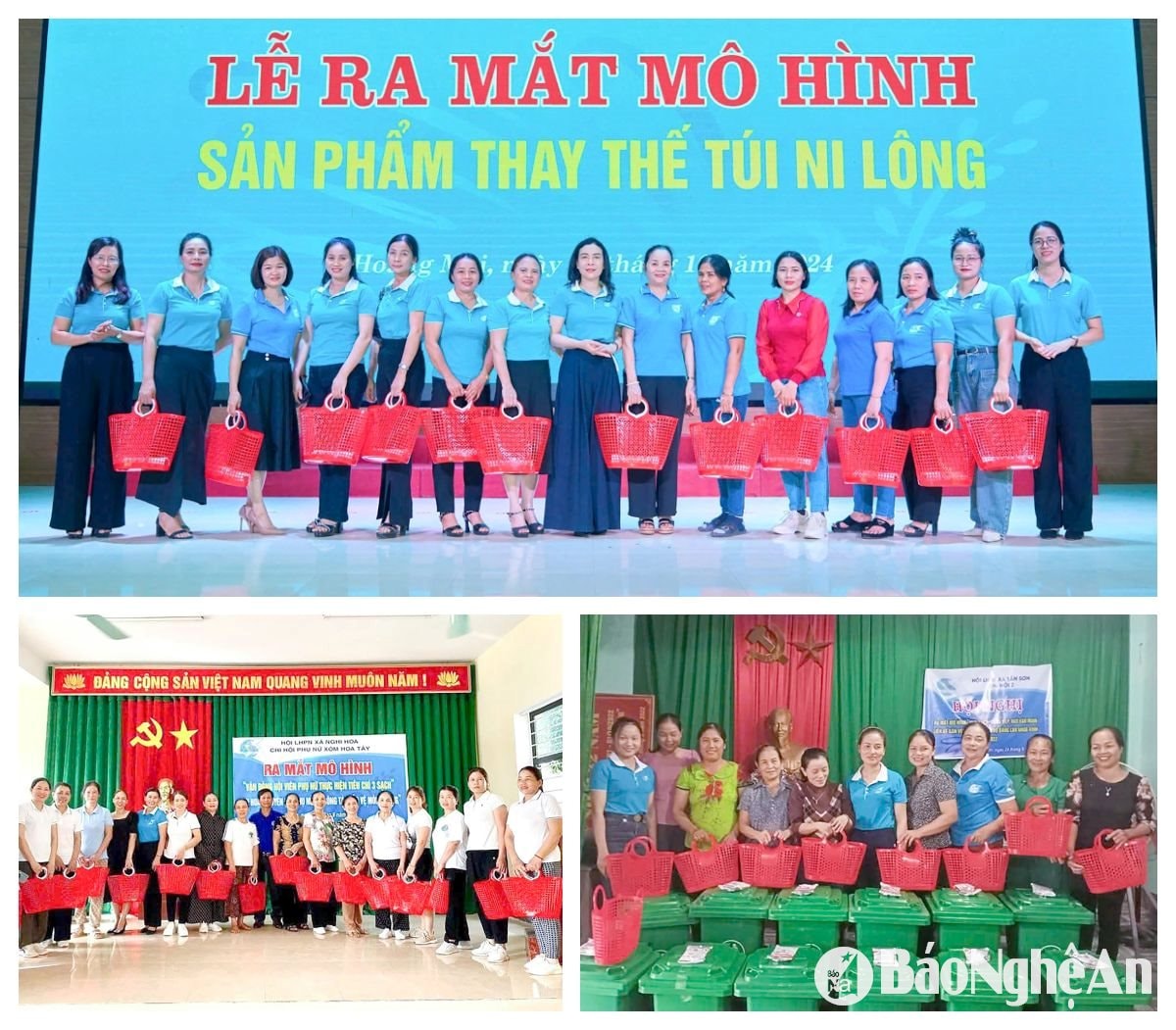
To bring about a change in community behavior regarding environmental protection, particularly in limiting the use of single-use plastic products, communication efforts need to be prioritized. In recent times, this work has been implemented by various levels of government, organizations, and localities, creating some positive movements with specific models such as using reusable shopping baskets instead of plastic bags, using bamboo straws to replace plastic straws, using newspaper to wrap flowers instead of plastic, using biodegradable paper cups, etc.; many agencies and units have stopped using plastic bottled water in conferences…
However, communication about the harmful effects of plastic waste has not yet resulted in large-scale, in-depth campaigns to create a general behavioral change in the community. Therefore, this task needs to be further promoted more extensively, especially in schools, workplaces, and residential areas; this is a shared responsibility of the entire society for a safe living environment and for the common health of the community. Community awareness is the key to change.
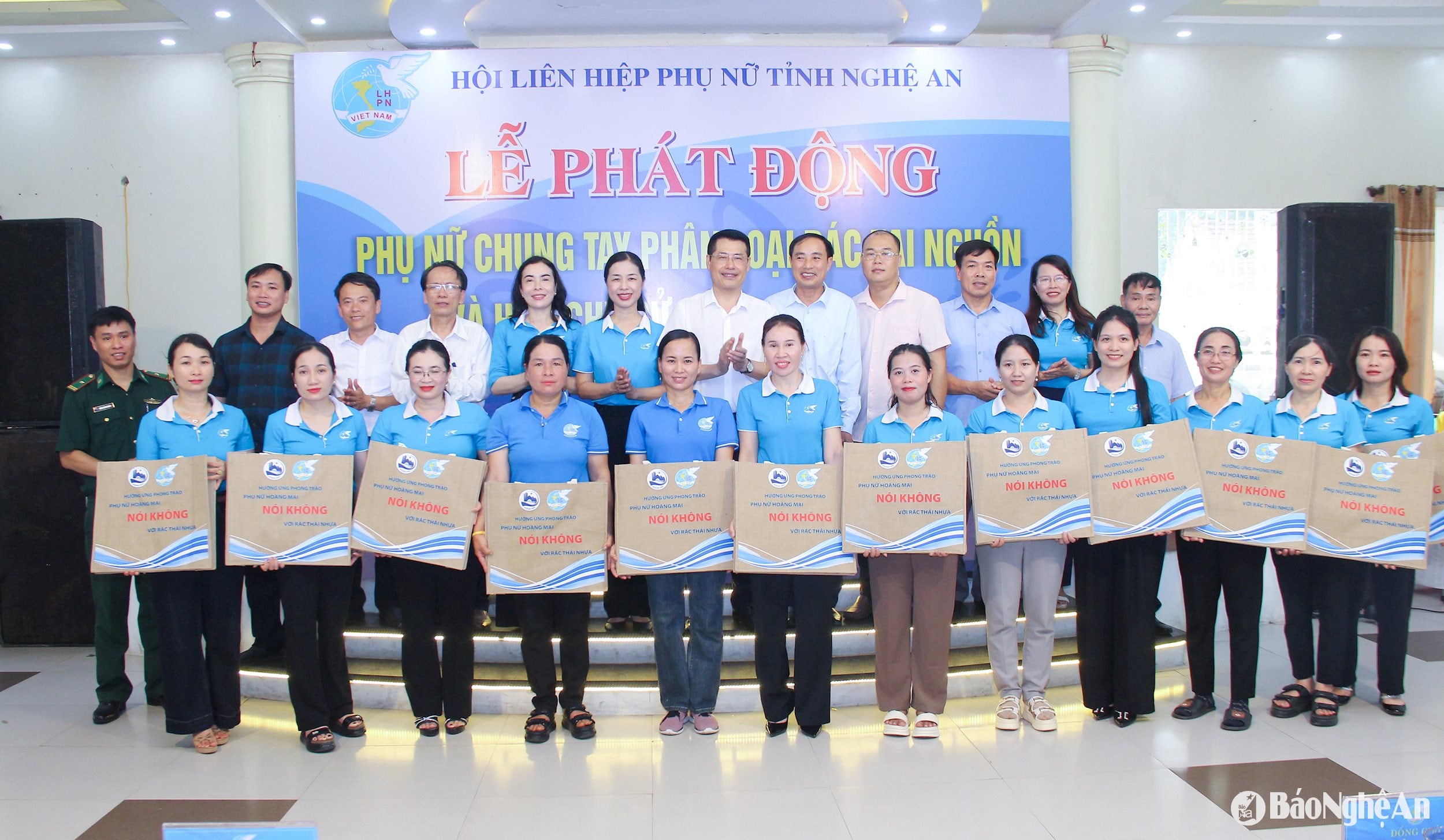
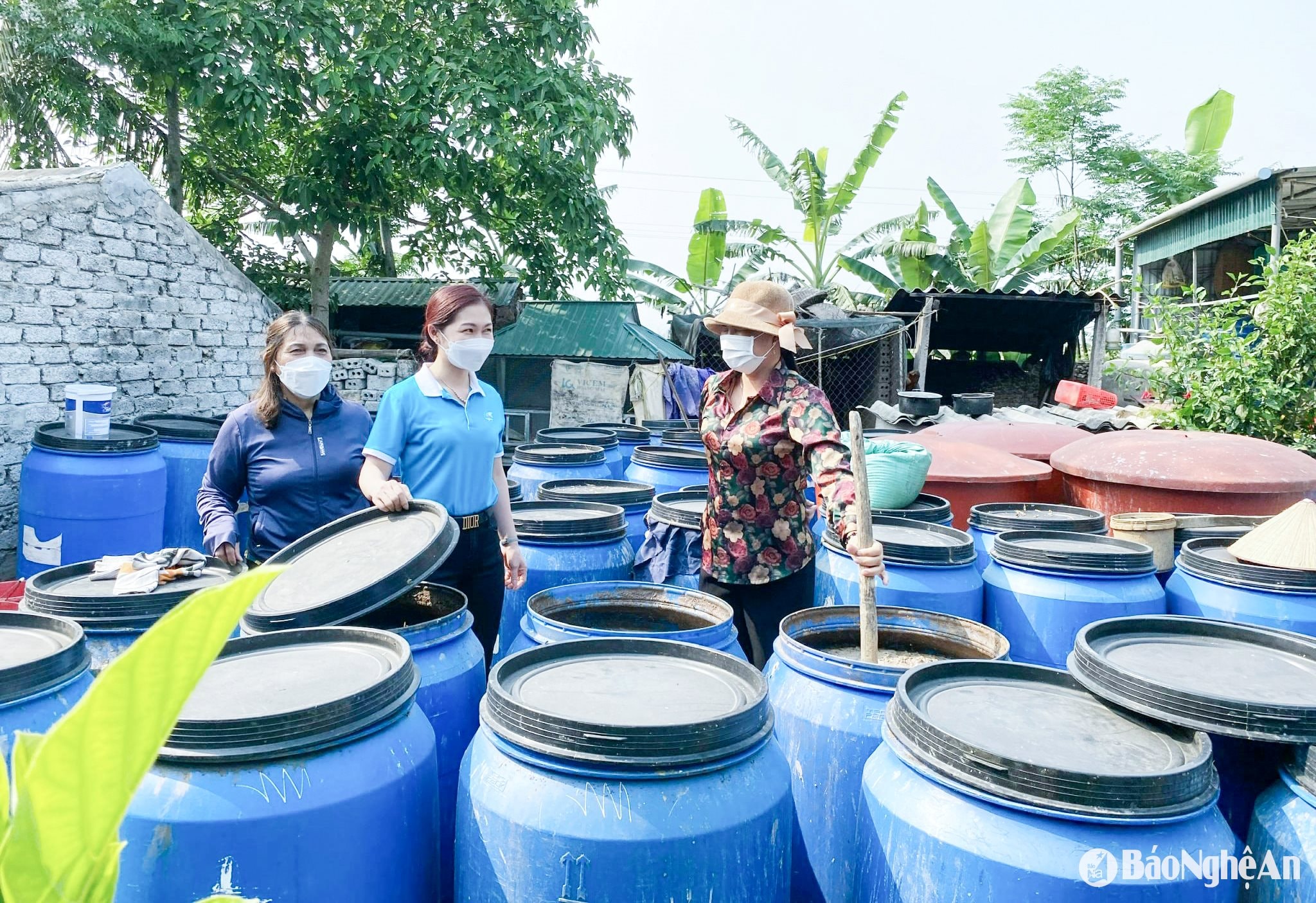
Along with raising awareness and changing consumer habits, replacing single-use plastics with environmentally friendly products such as cloth bags, glass bottles, and bamboo straws, waste sorting at source will continue to be promoted and implemented, linked to the proper collection and processing procedures. Currently, the Southeast Economic Zone Management Board has approved the investment plan for a waste-to-energy plant project at the Nghi Yen Solid Waste Treatment Complex (Nghi Loc) to process 1,500 tons of waste per day and night, combined with electricity generation, expected to be operational in the fourth quarter of 2027. This is a direction consistent with the circular economy trend, helping to reduce accumulated waste while creating economic value.
In addition, the province also encourages the implementation of recycling and plastic waste collection models to transform waste into resources; this is linked to the effective implementation of Decision No. 26/2024/QD-UBND, dated July 30, 2024, regulating the management of household solid waste in Nghe An province, which clearly stipulates the classification of household solid waste, including plastic waste, within the province.
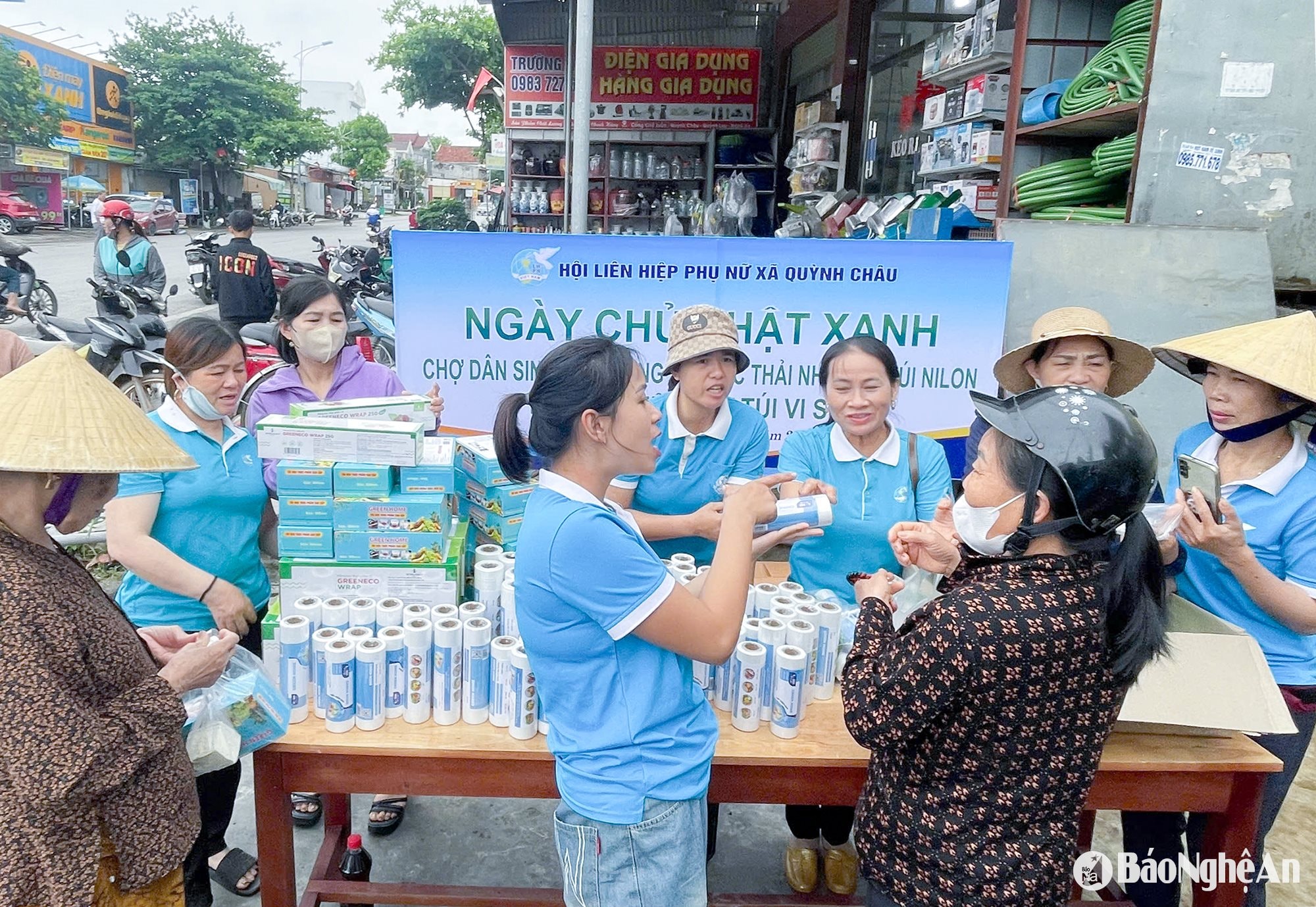
Currently, the Nghe An Department of Agriculture and Environment is coordinating with relevant departments and units to advise and submit to the Provincial People's Committee a proposal for selecting a unit to develop a pricing plan as a basis for issuing a streamlined price for the treatment of solid household waste in the province, in a way that closely reflects the actual waste generation.
"When people have to pay for the amount of waste they generate, they will be motivated to reduce their consumption of single-use plastics and sort their waste properly. This transparent policy also helps attract businesses to invest in advanced and modern waste treatment technologies," emphasized Le Van Hung, Head of the Provincial Environmental Protection Department.
Plastic waste pollution is one of the biggest challenges facing the environment and public health today. If each individual changes their habits, and every organization, business, and government takes strong and coordinated action, then plastic pollution can be completely controlled and reversed. Limiting the use of single-use plastics, sorting waste at source, and disposing of it properly are not only actions to protect the environment but also a moral responsibility to future generations. The journey to reduce plastic pollution will be long, but the first step must begin today, by joining hands in the nationwide campaign "Together to reduce plastic waste - Spreading a green lifestyle."


