
Changing public awareness to protect wild bears.
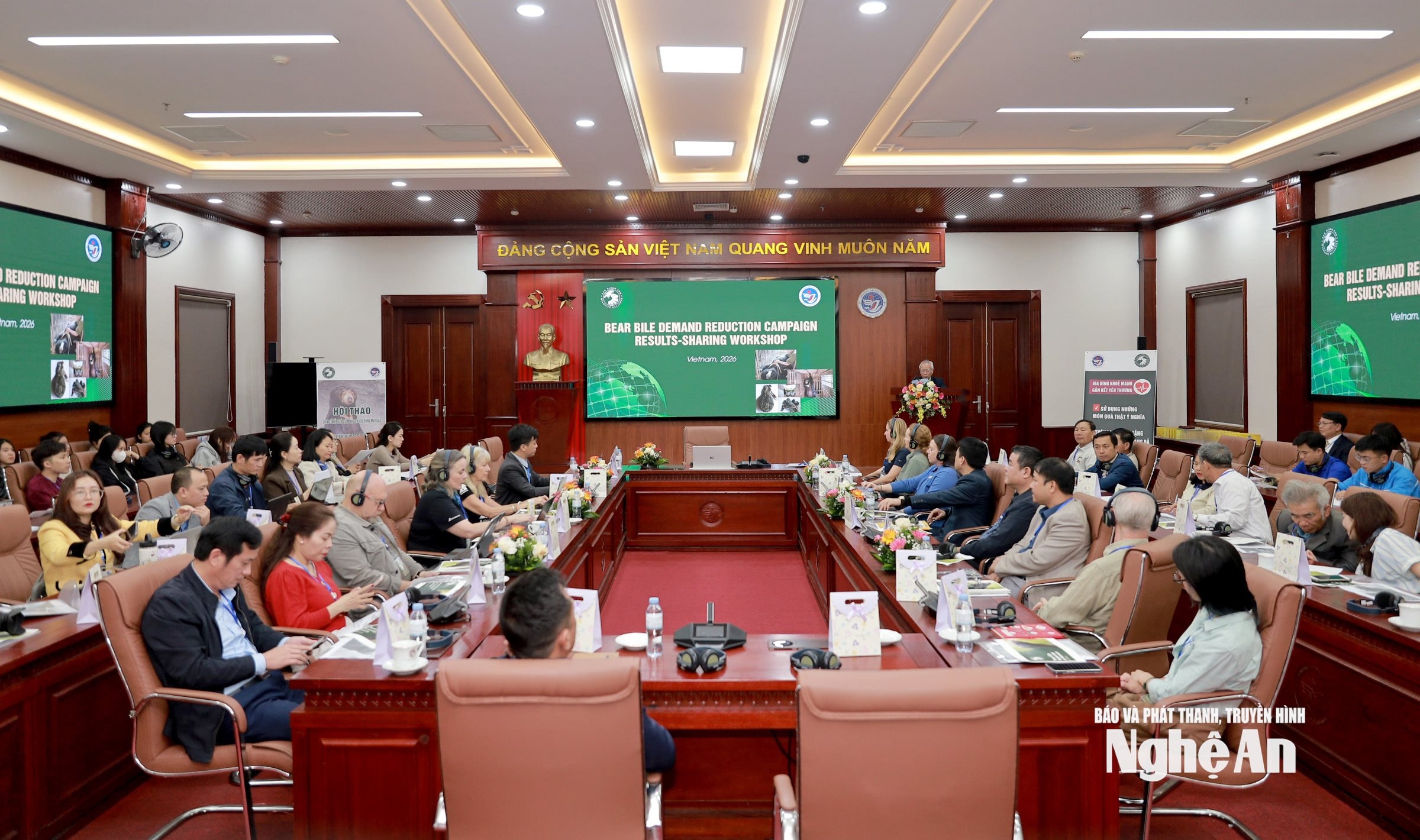
On March 14th, Vinh University, in collaboration with the San Diego Wildlife Alliance (SDZWA), organized a workshop to share the results of a communication campaign aimed at reducing the demand for bear bile in Nghe An province.
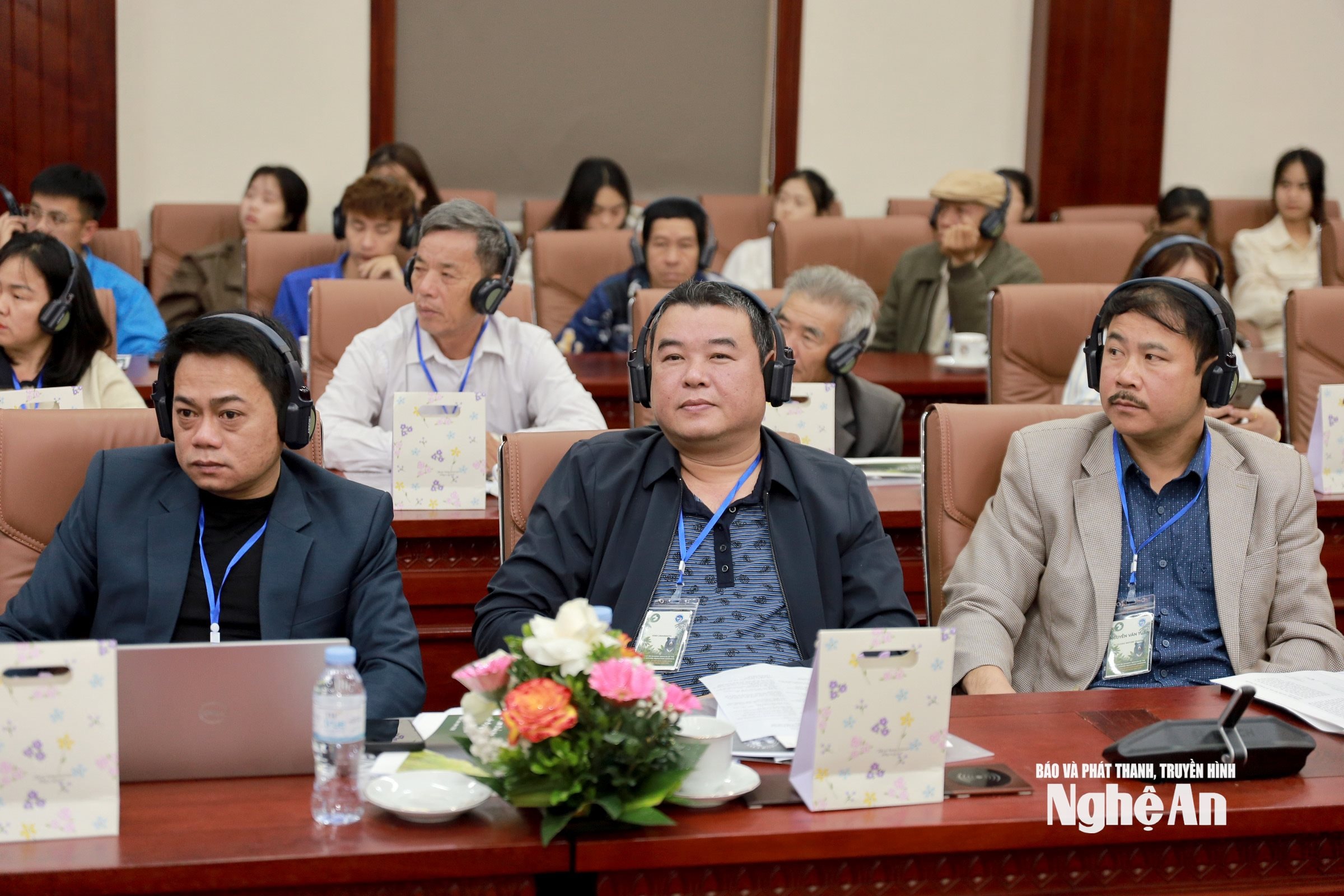
Attending the workshop were representatives from the San Diego Wildlife Alliance, Vinh University, scientists, leading experts, the Forest Protection Department, national parks, and other related units.
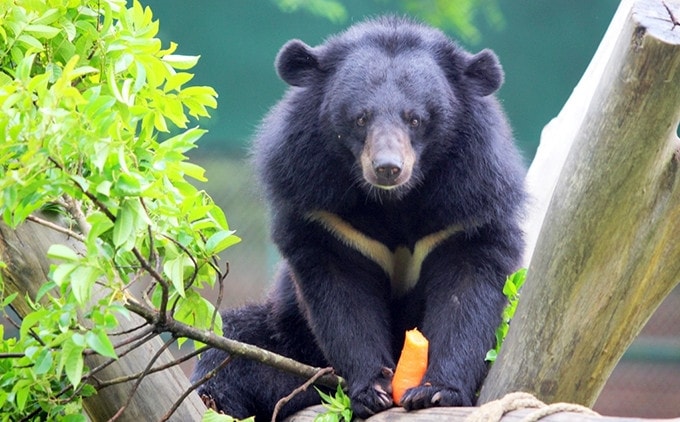
Information presented at the workshop indicated that the wild bear population in Vietnam is declining drastically due to the demand for bear bile – a product traditionally used to treat various ailments. Vietnam currently has two bear species: the Asiatic black bear (Ursus thibetanus) and the sun bear (Helarctos malayanus), both classified as "vulnerable" in the International Union for Conservation of Nature (IUCN) Red List. Studies suggest that the populations of these two species could decline by more than 30% within the next 30 years if effective protection measures are not implemented.
In fact, in the early 2000s, many bears were captured from the wild and brought into captivity for bile extraction. The process of extracting bile through tubes caused the bears to suffer from many serious diseases, drastically reducing their lifespan from about 20 years in the wild to about 10 years in captivity. At one point, between 2010 and 2015, there were approximately 5,000 bears in captivity for bile extraction nationwide, with Nghe An province alone recording around 1,000.
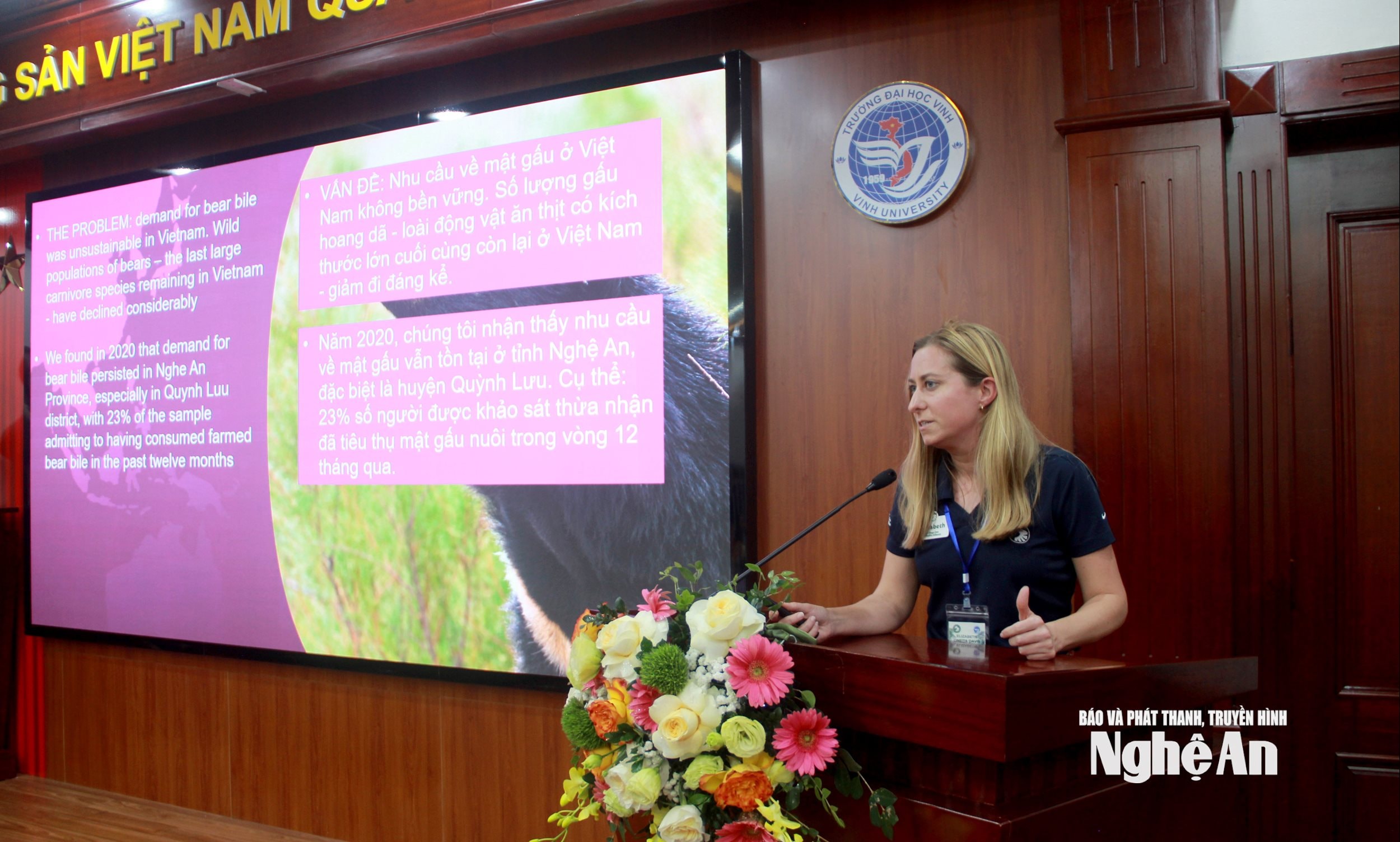
In response to this situation, international and domestic conservation organizations have implemented numerous communication programs to change community awareness and behavior. According to a representative from SDZWA, the campaign to reduce the demand for bear bile was implemented in the former Quynh Luu district, Nghe An province, which once had a high rate of bear bile use. The project selected two communes with similar characteristics, the former Quynh Luong and the former Quynh Tho, with Quynh Luong serving as the intervention group and Quynh Tho as the control group to compare results.
The campaign focuses on changing consumer behavior, encouraging people to use alternative treatments such as medicine or herbal remedies instead of bear bile. This message is conveyed through various forms such as posters, banners, t-shirts, community meetings, sporting events, and local awareness programs.
The post-campaign survey results showed that the percentage of people using bear bile in the intervention commune decreased sharply in the past 12 months, from 16% to 1%. Meanwhile, in the control commune – where the campaign was not implemented – this rate remained almost unchanged. In addition, the behavior of drinking bear bile also decreased significantly after people were exposed to the project's communication messages. At the same time, the percentage of people switching to using medicine or herbal remedies to treat diseases in the campaign area was 2.75 times higher than in the control area.
At the workshop, experts and scientists focused on discussing solutions to maintain the effectiveness of campaigns to reduce the demand for bear bile in the community. Many opinions suggested that, in addition to communication activities, it is necessary to strengthen research on consumer behavior regarding products from wild animals to develop messages tailored to different target groups. Simultaneously, it is necessary to expand community-based communication models and promote the role of organizations in raising public awareness.
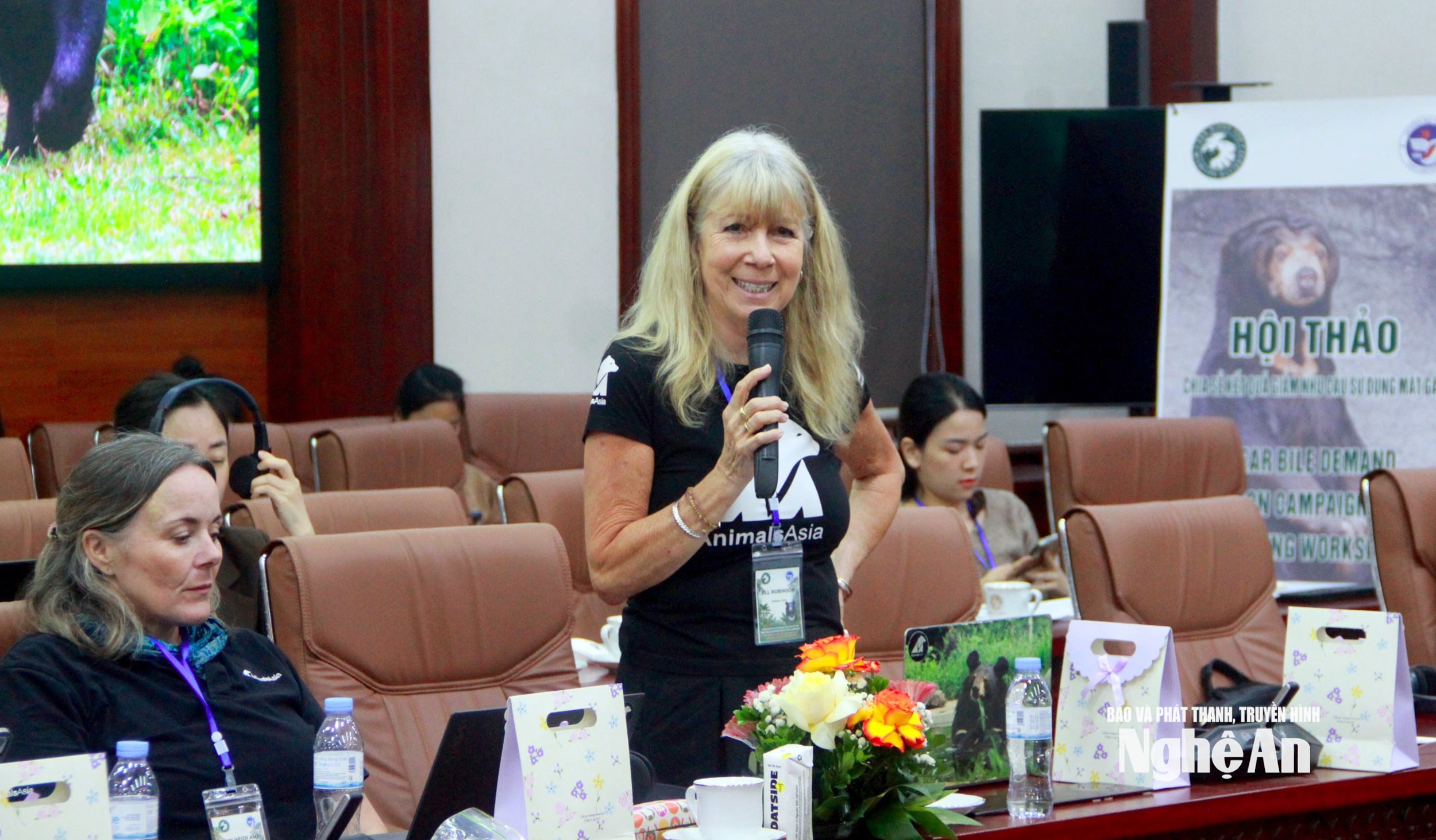
Delegates also proposed strengthening coordination between management agencies, conservation organizations, and local communities to promote environmental education programs, monitor bear populations in the wild, and gradually reduce the use of wildlife products.
Besides the positive results achieved, the workshop also pointed out that bear conservation in Vietnam still faces many challenges such as habitat loss, illegal hunting, and the demand for wildlife products. Therefore, reducing the demand for bear bile needs to be sustained in the long term and expanded to more localities.
In the coming period, conservation organizations plan to implement more projects to monitor bear populations in the wild, and livelihood support programs for communities living near forests will also be promoted to reduce wildlife poaching.


