
Shamans in the spiritual and cultural life of the Thai people.
Although modern life is deeply infiltrating every village in the highlands, changing many of the people's ways of thinking and living, the image of the shaman remains an inseparable part of the Thai people's culture. Along with the village elders and chiefs, the shaman holds a special position in their spiritual life, contributing to shaping how people interact with nature, their ancestors, and their own community.
Carrying the essence of Thai culture.
According to Thai beliefs, humans exist not only in their physical bodies but also in their souls – collectively known as "phi." From the earliest forms of their beliefs, when people began burying their deceased relatives, they believed that souls do not disappear but continue to accompany the world of the living. This belief has created a unique system of folk beliefs, where people constantly seek to connect with "phi" – sometimes inviting them to bestow blessings, sometimes driving them away to avoid misfortune. However, not everyone can communicate with this invisible world. The Thai believe that only a special group of people – chosen by heaven, educated, literate, and formally taught – are capable of acting as intermediaries. These are the shamans (or shamans).
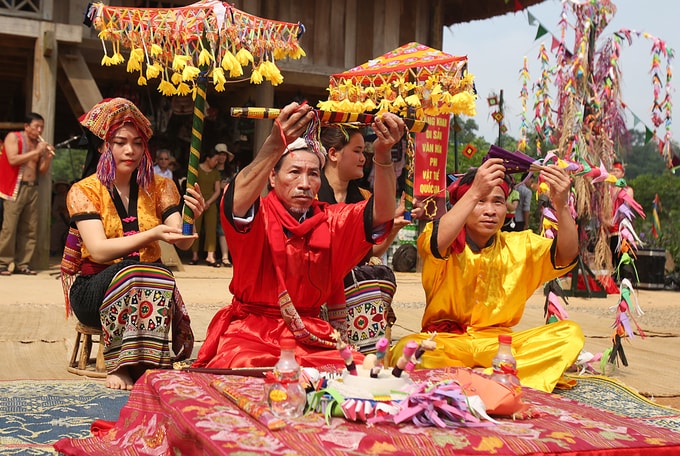
In daily life, shamans appear in almost all important rituals: from praying for peace at the beginning of the year, choosing auspicious dates for building houses and weddings, to summoning spirits, exorcising evil spirits, and healing mental illnesses… For many families, the presence of a shaman is not only a ritual but also a psychological anchor – a way for them to believe that anxieties will be resolved. In Que Phong commune, artisan Vi Thi Hoa, 81 years old this year, still regularly performs rituals for families. Her work schedule is packed from before Tet until the end of January. She shared that some families, even those unfamiliar with the rituals, still invite her to perform ceremonies for "peace of mind," because they believe that only a shaman can connect with the spirits, ward off evil spirits, and bring good luck.
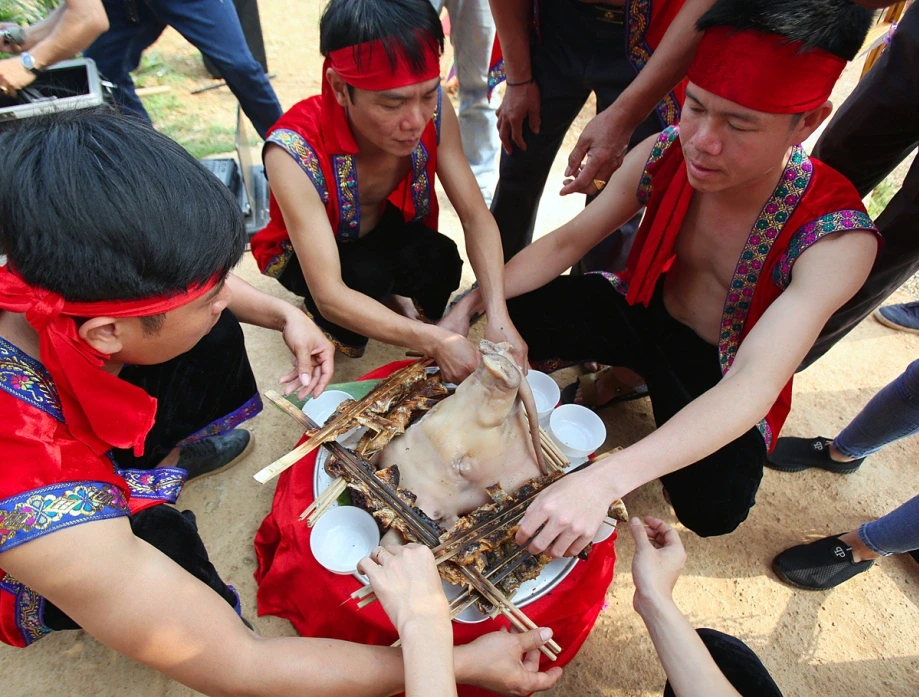
A shaman's ceremony is far from simple. It can last at least 1-2 hours, or even half a day, from 3-6 hours, divided into many stages with different prayers and rituals. If the shaman's ceremony is performed during a festival, it can last 1-2 days with many different activities and procedures. This requires the practitioner to have good health, high concentration, and the ability to memorize a series of incantations passed down through generations.
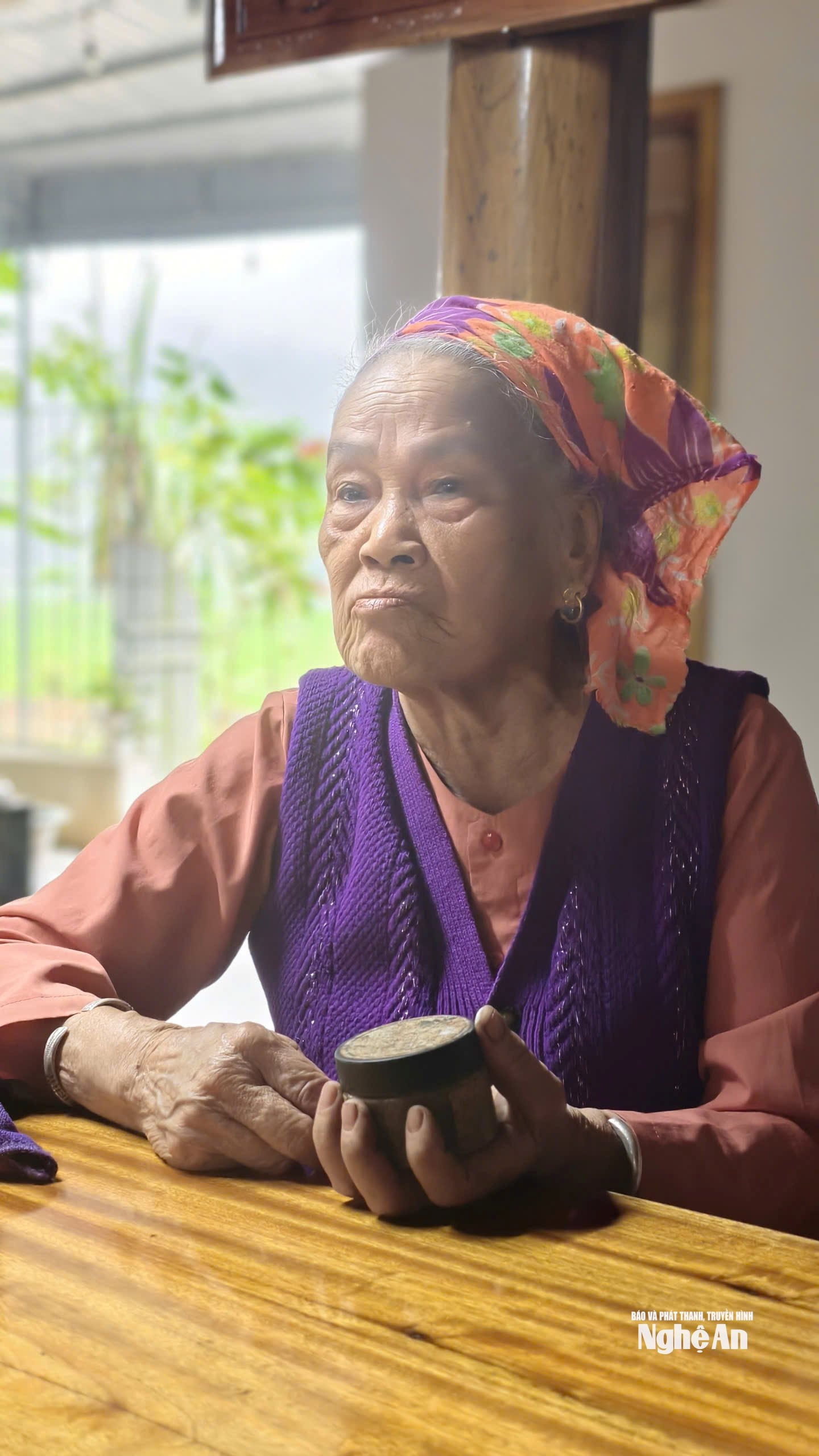
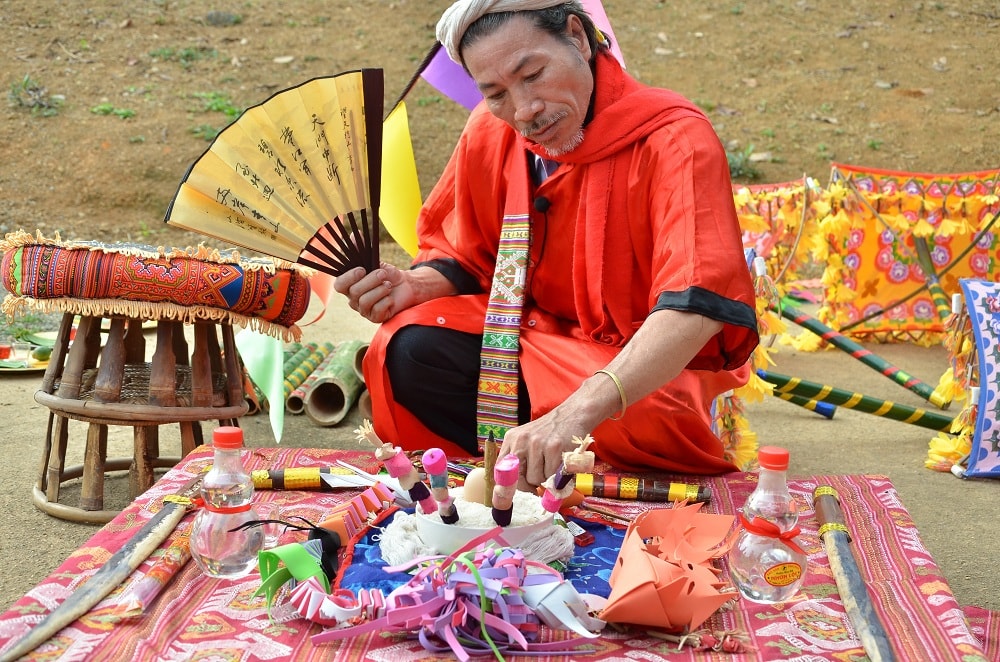
When performing rituals, each shaman carries a personal "magic bag"—an indispensable item during ceremonies. Inside, there are many objects with deep spiritual significance: small cups symbolizing the masters who passed on their skills; two silver bracelets as amulets; two yin-yang coins to seek guidance from the spirits; beeswax for candles; and even a bamboo flute used to summon spirits and ward off evil spirits.
The ceremonial attire also bears strong cultural imprints. Before the ceremony begins, the shaman wears a white headscarf called "phai chuoc chang" – likened to an "elephant's rope," symbolizing the power to subdue supernatural forces. During the ceremony, they add a red scarf – an item passed down from previous generations. A white cloth, called "phen hoong khai," is always placed on the offering tray to hold the offerings, signifying solemnity and purity.
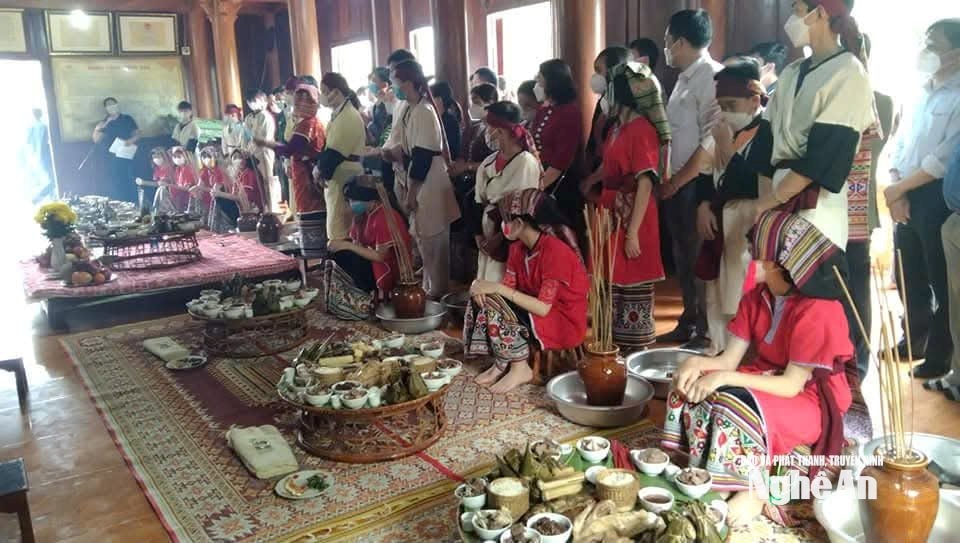
Throughout the ritual, the shaman often fans himself with a paper fan, both to keep others away and to ward off evil spirits. The fan bears special symbols – a "language" understood only by those in the profession. According to artisan Vi Thi Hoa, during the ceremony, the shaman enters a special state, a state of "spirit possession" as it's called in folklore – that is, merging with the spiritual world to fulfill his role as an intermediary.
It's worth noting that, according to the artisans, shamans are not fortune tellers. They don't practice fortune telling or spread superstition, but primarily perform rituals aimed at relieving stress, helping people overcome anxiety, illness, and life's hardships.
Community connection
In contemporary life, views on shamans are not always consistent. Some consider them knowledgeable, reputable individuals who contribute to preserving culture. However, others argue that the shamanic profession is superstitious, even misunderstood as deceptive. Therefore, the insights shared by practitioners like artisan Vi Thi Hoa are significant in helping the community better understand the role of shamans. According to her, only a few long-serving shamans remain in the locality, and this work is essentially a "ritual profession" deeply rooted in traditional culture.
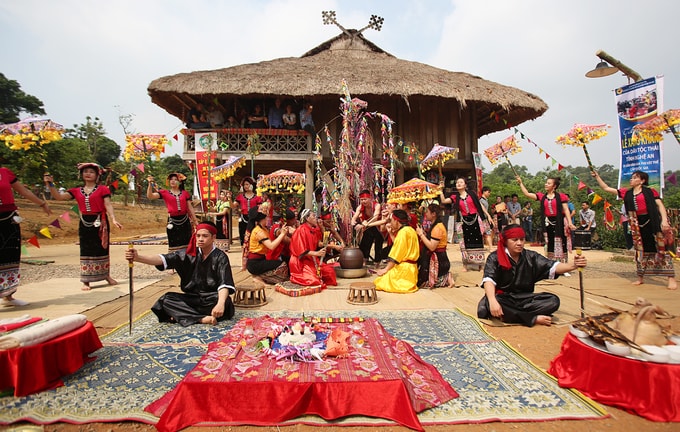
Since the State recognized the activities of shamans as part of cultural heritage, their status has gradually been re-evaluated. More than just ritual performers, shamans are also "living historical records," preserving shamanic chants and epics – precious values of Thai culture. Through these rituals, they teach morality and proper conduct, contributing to maintaining the spiritual foundation of the community.
In recognition of these contributions, artisan Vi Thi Hoa was awarded the title of Distinguished Artisan in 2022, after three decades of dedication to the craft.
Since 2011, the Nghe An Department of Culture has proposed recognizing approximately 10 artisans as shamans in the western districts. This is a core force in preserving and promoting Thai culture, especially through traditional rituals. A clear example is the restoration of the Xang Khan Festival – a national intangible cultural heritage – in many villages in the former Que Phong district. Essentially, this festival is closely linked to the activities of the shamans, serving both as a religious event and an opportunity for them to "level up" and affirm their skills through a ordination ceremony.
More importantly, beyond the ritualistic element, these activities create community cohesion. The ceremonies and festivals are opportunities for people to meet, share, and strengthen neighborly bonds. It is within this space that culture ceases to be an abstract concept and becomes a vibrant part of life. Although some outdated customs still need to be eliminated, the core of the mo culture – the spirit of community cohesion, faith in goodness, and connection to one's roots – remains a value that needs to be preserved. This is not only the heritage of the Thai people but also a part of the diverse cultural landscape of Nghe An.
In the modern era, where many traditional values face the risk of fading away, the presence of shamans serves as a testament to the enduring vitality of indigenous culture. They are not only ritual performers but also storytellers, keepers of memories, and transmitters of spiritual values across generations. And it is through these seemingly simple rituals that an invisible thread silently connects people to their community, their ancestors, and their own identity.


