
Instead of feeling ashamed, I chose to move forward!
As a second-generation victim of Agent Orange, Dang Thi Kim Oanh (born in 1994, residing in Nam Dan commune) - Vice Head of the Nam Dan Self-Reliance Club for People with Disabilities - has overcome her physical limitations to write her own inspiring journey. With the determination: "Instead of feeling inferior, I choose to move forward!", she persevered in her university education and became a connector of resources, creating livelihoods for dozens of people with disabilities in the local area.
.png)
Thanh Quynh/Present:Hong Toai• August 4, 2026
*****
As a second-generation victim of Agent Orange, Dang Thi Kim Oanh (born in 1994, residing in Nam Dan commune) - Vice Head of the Nam Dan Self-Reliance Club for People with Disabilities - has overcome her physical limitations to write her own inspiring journey. With the determination: "Instead of feeling inferior, I choose to keep going!", she persevered in her university education and became a connector of resources, creating livelihoods for dozens of people with disabilities in the local area.
Leading up to Vietnam's Day for Victims of Agent Orange (August 10th), Nghe An Newspaper, Radio and Television had a conversation with Ms. Dang Thi Kim Oanh to better understand her journey of overcoming adversity, her aspiration to live a useful life, and her desire to spread values to the community and society.
Ms. Dang Thi Kim Oanh:In my opinion, the line between "pity" and "respect" lies in how we perceive people with disabilities. Pity is when people only see their shortcomings and think that they can only receive help. Respect, on the other hand, is seeing their abilities and value and believing that, with support and appropriate opportunities, they are perfectly capable of living independently, working, and contributing to society.
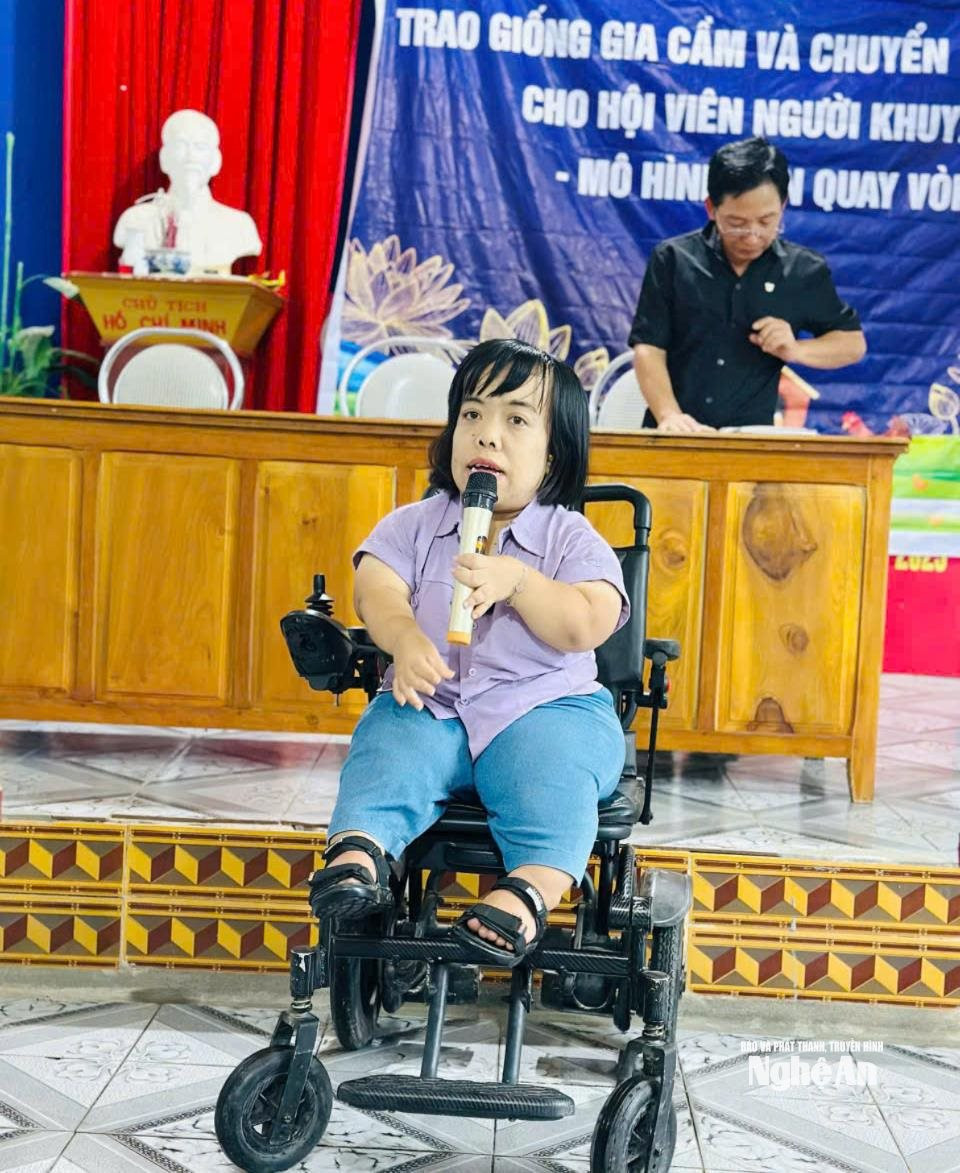
I have always believed that people with disabilities desperately need an opportunity to walk on their own two feet. Only when they create value through their own labor can they truly gain self-confidence.
A typical example is Mr. Nguyen Van Hung in Van An commune. As a victim of Agent Orange, his family faced many difficulties, and he himself suffered from feelings of inferiority. But after joining the club, receiving support with livestock, technical guidance, and companionship in the farming process, he has risen above his circumstances to generate income for himself. For me, that is the greatest value.
In my opinion, a person transforms from a "recipient" into a "value creator" when they are trusted, given the right opportunities, and supported in their initial steps. When they create their own success through their own labor, they gradually regain confidence, overcome insecurities, become more independent, and are ready to contribute to their family and community. At that point, help is no longer just about solving immediate difficulties, but becomes the driving force for a person to change their life.
.jpg)
Ms. Dang Thi Kim OanhThe more I work with the disabled community in general, and the victims of Agent Orange in particular, the more I am troubled by their belief that they are a burden to their families, incapable of studying, working, or creating value. This very thought is the biggest obstacle preventing them from stepping out of their comfort zone to change their lives.
Some people have been afraid to leave their homes for years, afraid to meet strangers, and lacked faith in their ability to accomplish anything. Every time I encounter such cases, I ask myself: If they had received education earlier, learned a suitable trade, or simply had someone patient enough to encourage them, would their lives have been different?
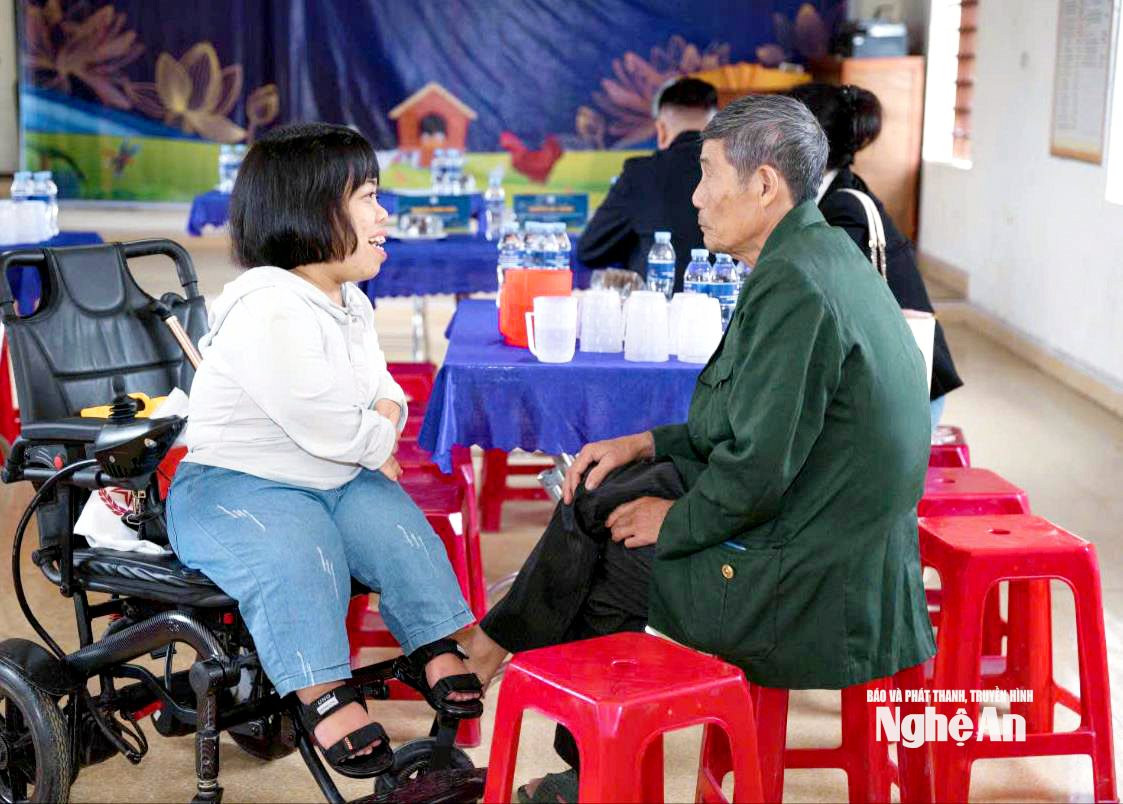
Another thing that always troubles me is the silent sacrifice of the fathers and mothers caring for their children who are victims of Agent Orange, especially those severely affected. Some parents have dedicated their entire lives to caring for their children, but their greatest worry isn't the hardships of today, but rather who will continue to care for their children when they grow old or are no longer around. Every time I hear these stories, I feel I need to try even harder.
In my opinion, what victims of Agent Orange need most right now is not just material support, but an environment where they can live independently according to their abilities: receiving vocational training, finding suitable employment, accessing psychological support services, and being recognized by society with respect and equality instead of pity.
Therefore, I always hope that support activities will not only stop at giving gifts or providing immediate assistance, but will focus more on creating livelihoods, enhancing capabilities, and building sustainable development models. When people with disabilities can create value through their own labor, they not only change their own lives but also bring hope to their families and spread positivity to the community.
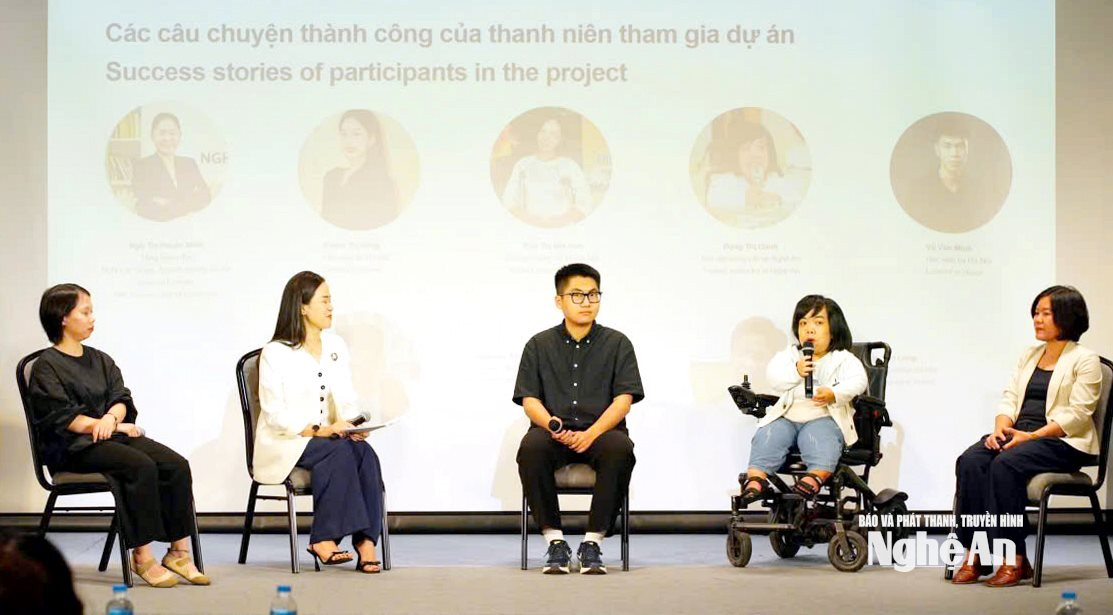
Ms. Dang Thi Kim Oanh:Once I accepted the reality that I couldn't change my physical appearance or the circumstances of my birth, I told myself I had to take responsibility for how I lived. I've always held this belief:Instead of feeling ashamed, choose to move forward!
Perhaps that very thought helped me gradually overcome my inferiority complex. My years in school weren't easy, as studying was always much more challenging for me than for my peers. But I believe that education is the shortest path to changing one's life and also the foundation for later supporting and helping those in similar circumstances. Therefore, I was determined to get into university and chose Social Work as a way to transform my own experiences into value for others.
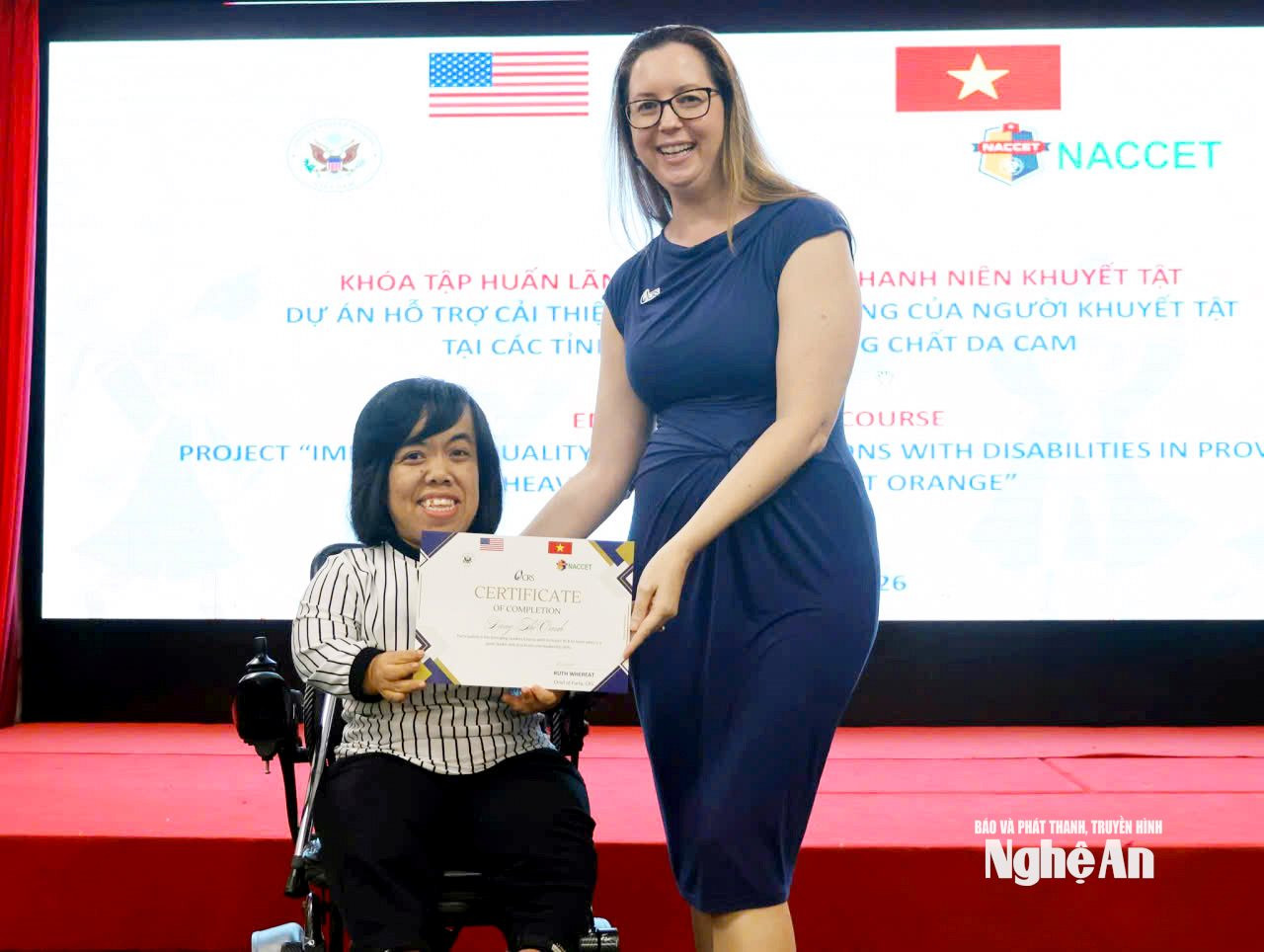
For the past two years, my health has continued to be affected by the lingering effects of Agent Orange. My spine is deformed, causing me to lose the ability to walk and forcing me to use a wheelchair. To be honest, there are times when I feel sad and disheartened. But then I realize that instead of regretting the things I can no longer do, why not spend time on the things I can still do?
That very thought has helped me keep moving forward. I participate in community activities, connect with resources to build livelihood models, and support people with disabilities in vocational training, economic development, and social integration. Every time I see a member gain additional income, confidently overcome their inferiority complex, or smile because they can provide for their family for the first time, I feel that all the difficulties I've overcome have been worthwhile.
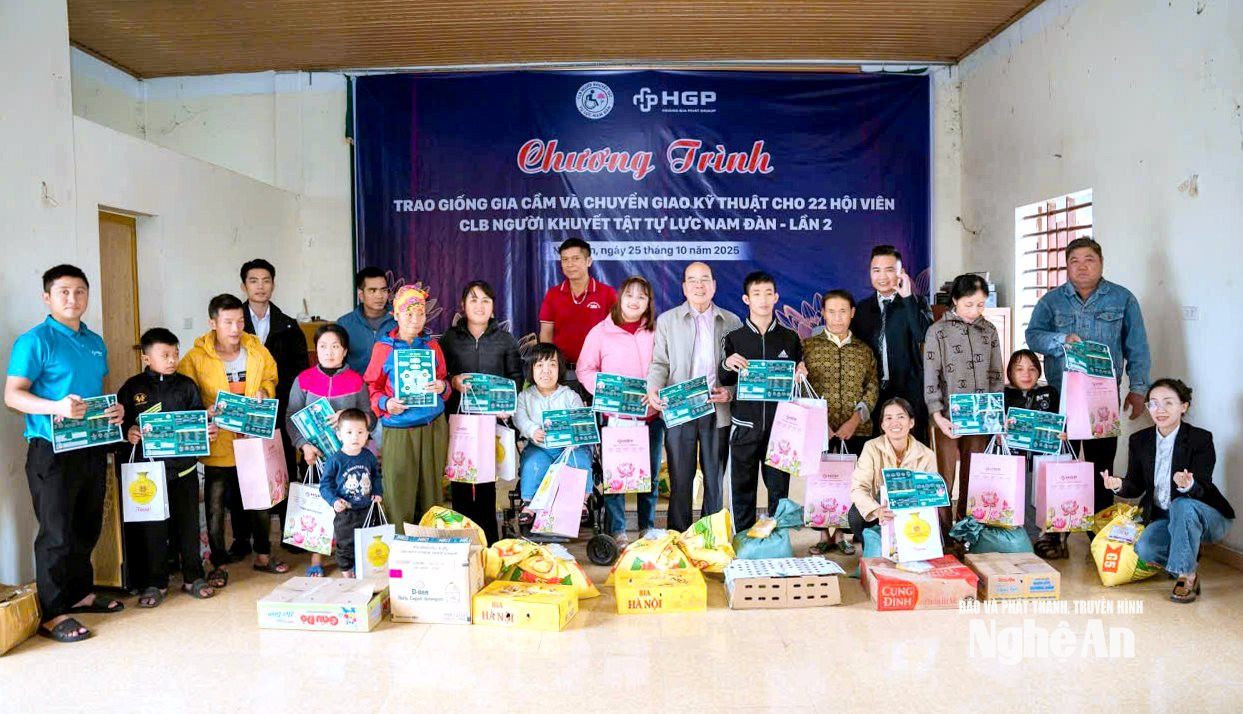
Ms. Dang Thi Kim Oanh:When I founded the Nam Dan Self-Help Club for People with Disabilities, my desire was not just to create a place for people with disabilities to meet, share, and encourage each other, but to build a truly cohesive group where each member feels heard, supported, and has the opportunity to develop their abilities.
Because simply offering emotional support isn't enough. People with disabilities only truly feel confident when they can generate their own income and provide for themselves and their families. Therefore, along with connecting resources, we prioritize building livelihood models that are suitable for the health conditions of our members, can be implemented long-term, and deliver tangible results.
To date, what makes me happiest is not only the club becoming more closely knit, with members actively participating in common activities and readily supporting each other, but also the fact that the poultry farming livelihood model combined with revolving capital has gradually proven effective.
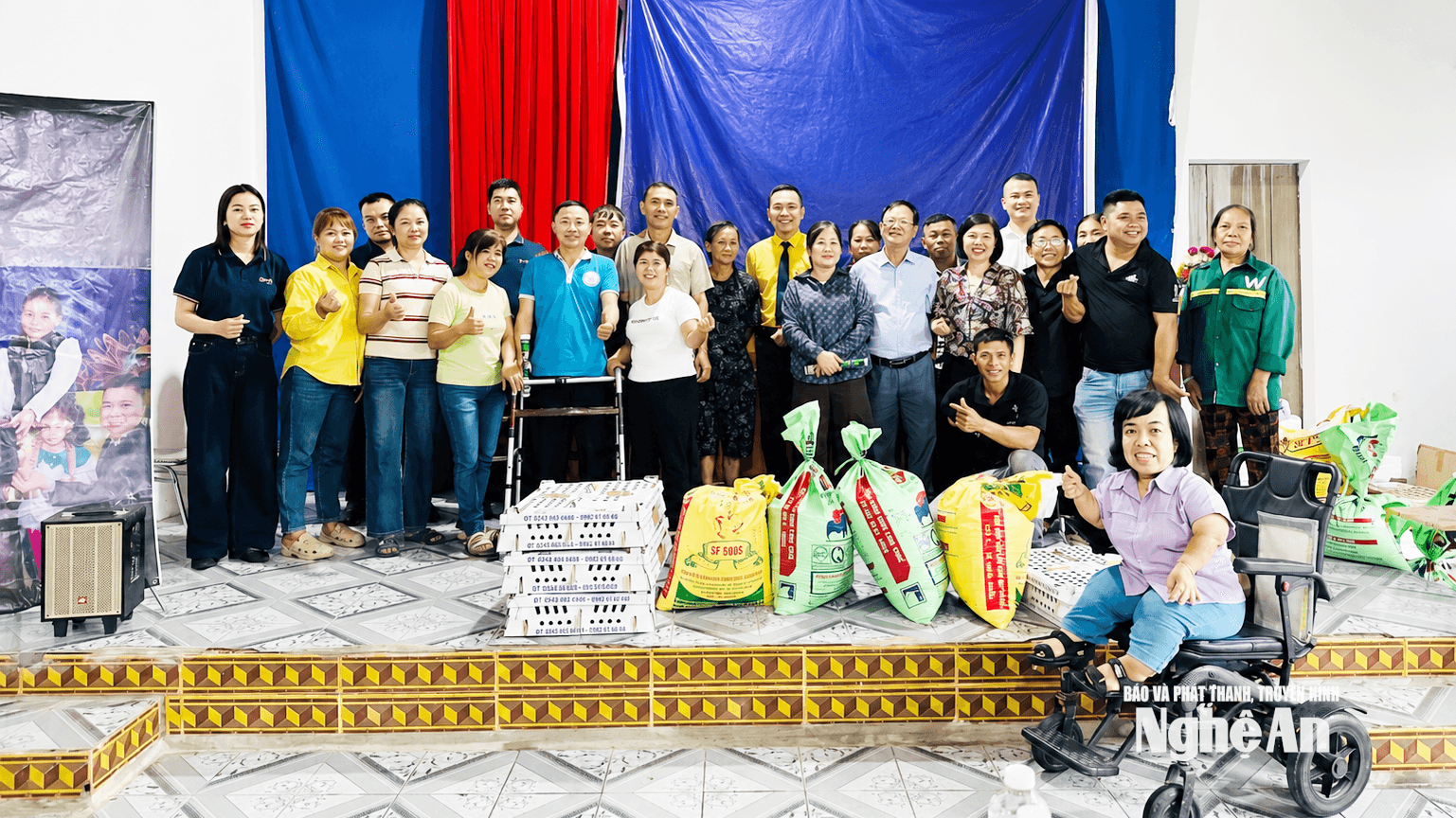
After 10 implementation phases, the model has supported 116 households in communes of the former districts of Nam Dan, Hung Nguyen, Thanh Chuong, and Ha Tinh province, providing them with additional opportunities for economic development. Many members, who were previously hesitant and self-conscious, have become more confident in their businesses, increased their income, and, more importantly, regained self-confidence.
Ms. Dang Thi Kim Oanh:Have!
My father was a soldier who went through the war. The effects of Agent Orange not only followed him throughout his life but also affected his children. I understand that this is something he has always been deeply concerned about.
If I could say one thing to my father, I would just say:"Dad, don't blame yourself!"The war is long over, but the losses it left behind are not the fault of my father or any of the soldiers who dedicated their youth to the country.
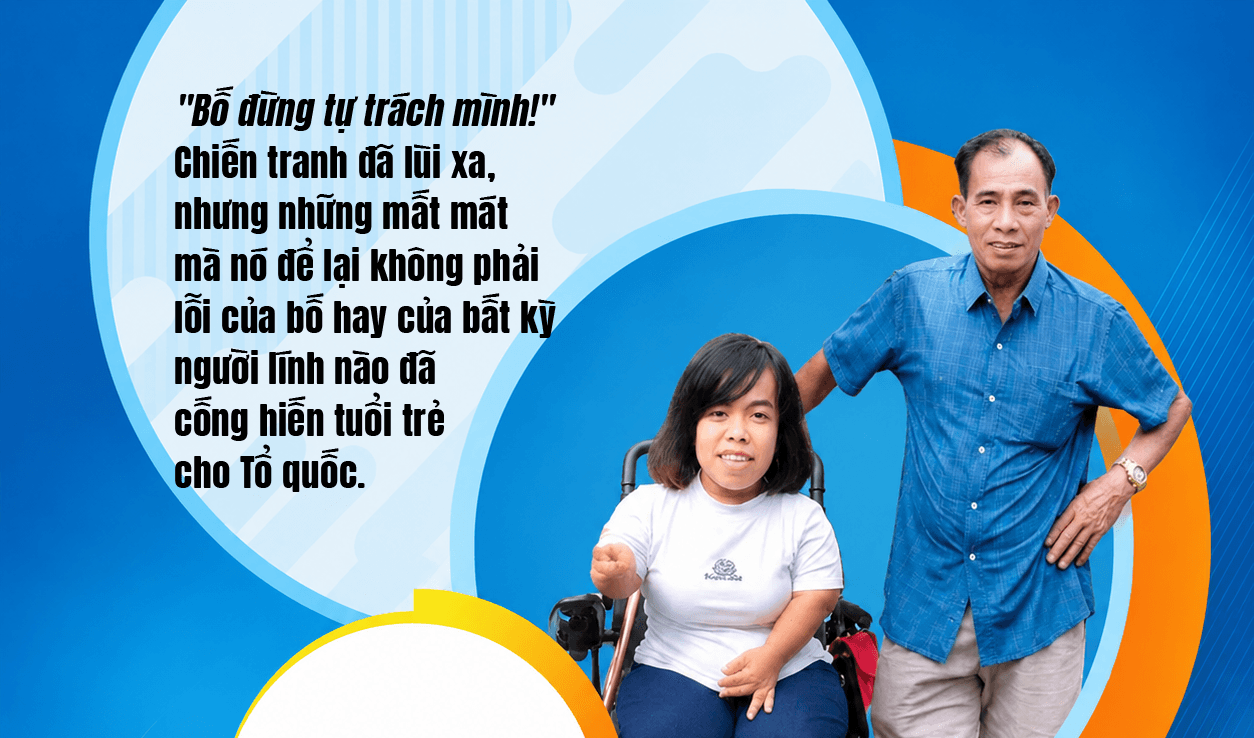
What I'm always grateful for is that, despite life's many difficulties, my parents never let me feel like an unlucky child. My father always encouraged me to study, believed in my abilities, and created every opportunity for me to live, learn, and pursue my dreams.
Today, if you are still worried about the hardships I have endured, Dad, I just want to say, please rest assured. I am living the life I chose, I am happy with what I do, and I will continue to strive to live a meaningful life. That is also my way of showing gratitude to you and the soldiers who sacrificed a part of their youth for the peace of our country.
Ms. Dang Thi Kim Oanh:Perhaps the first thing I would do is wake up early, take a walk on familiar paths, breathe in the fresh air, watch people exercising and chatting, then stop to buy breakfast to take home so the whole family can gather together. For many people, these are just ordinary things, but for me, they are a dream…
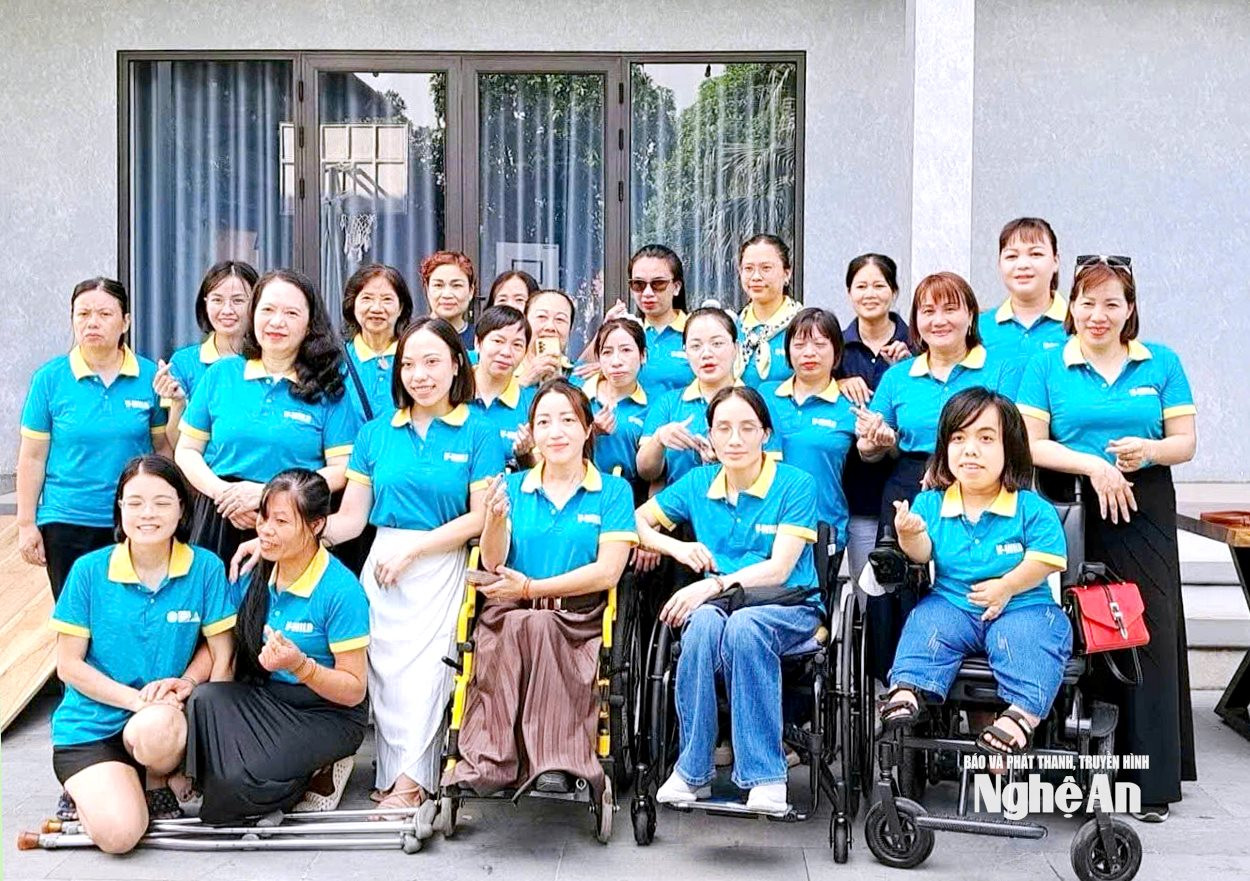
But then I reminded myself that not every dream can come true. I couldn't choose a healthy body, but I can choose how I live each day. Whether I walk on my own two feet or navigate life in a wheelchair, I hope to continue doing useful things, contributing a small part to giving those in similar circumstances more faith in themselves and in life.
Ms. Dang Thi Kim Oanh:The first thing I want to say to the victims of Agent Orange and people with disabilities is never to lose faith in yourselves. There will be times when we feel discouraged, tired, and even wonder why we have to bear such disadvantages. But everyone has their own value and can do useful things for their family and community if given the opportunity and dare to overcome their feelings of inferiority.
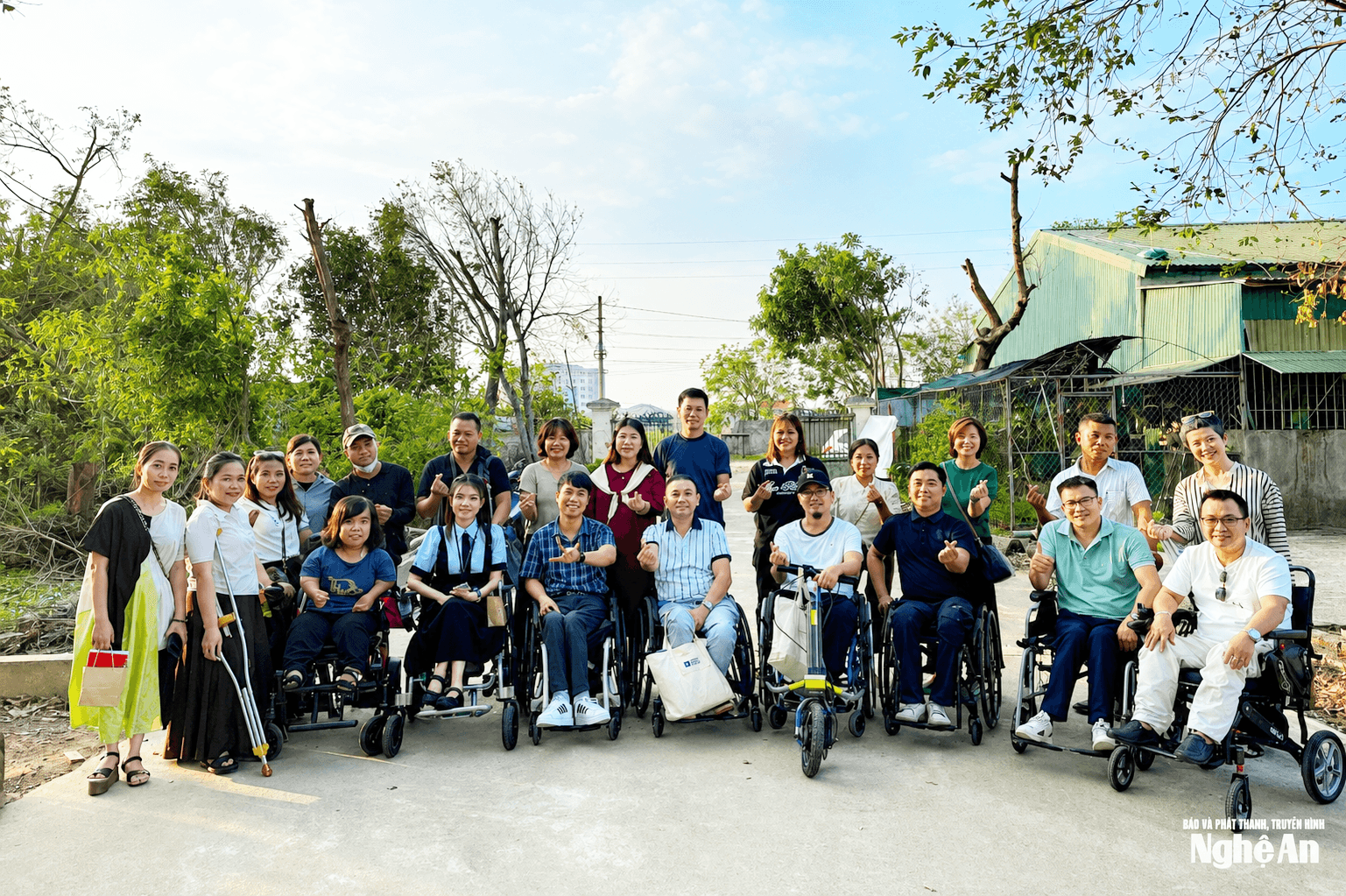
As a second-generation, even third-generation, victim of Agent Orange, I understand the consequences of Agent Orange are not only health damage but also the long-lasting worries of entire families: from educational opportunities, employment, and livelihoods to the constant anxieties of parents about their children's future. Therefore, I want to express my gratitude to the parents and relatives who have silently supported, cared for, and protected Agent Orange victims and people with disabilities. Their love, sacrifice, and faith are the foundation that gives us the strength to overcome challenges.
I also hope for more practical policies and the collective efforts of society to ensure that victims of Agent Orange and people with disabilities receive more comprehensive care, have access to education, vocational training, employment, and suitable livelihoods. Above all, I hope the community will continue to spread understanding, respect, and provide opportunities so that we can not only receive assistance but also live independently, affirm our self-worth, and contribute to society with our own abilities.


