
The standoff between the US and Iran on the road back to the negotiating table.
While the U.S. maintains its maximum nuclear demands, Iran leverages its position in the Strait of Hormuz to make hardline proposals, creating a risky standoff between diplomatic efforts and the threat of widespread military escalation.
"There is no chance of successful negotiations"?
Almost exactly one month ago, US Special Envoy Steve Witkoff and Jared Kushner – President Donald Trump's son-in-law – held an indirect meeting with Iranian officials in Geneva, Switzerland, amidst the Trump administration's repeated assertion that diplomacy was the preferred solution. However, just two days later, the US and Israel launched a war against Iran.
Currently, the US is seeking to resume negotiations, after President Trump announced on March 23 that the two countries were negotiating to end the conflict. However, significant obstacles remain on the path back to the negotiating table, despite optimistic statements from the White House.
According to multiple sources who spoke to CNN, Gulf and European allies are closely monitoring and becoming increasingly concerned about the lack of momentum in negotiations aimed at ending the conflict, or even establishing a ceasefire.
Although efforts are underway to arrange a meeting between the two sides, sources indicate that such a meeting is unlikely to take place anytime soon, due to the vast gap in demands between the two countries.
The shadow of ongoing military action from the US and Israel is looming over potential discussions. Meanwhile, Tehran sees itself holding a key tool: de facto control over the Strait of Hormuz.
"The most basic principles must be agreed upon before the two sides can officially enter negotiations," a regional source told CNN, adding that Iran has now issued "an absolute rejection of the maximum-imposition proposal."
Earlier this week, through Pakistan, the U.S. delivered a 15-point list to Iran. Many of these clauses reiterate demands the U.S. had made before the war broke out, including: Iran committing not to possess nuclear weapons; the U.S. taking over Iran's highly enriched uranium; limiting Tehran's defense capabilities; and ending Iran's support for proxy forces.
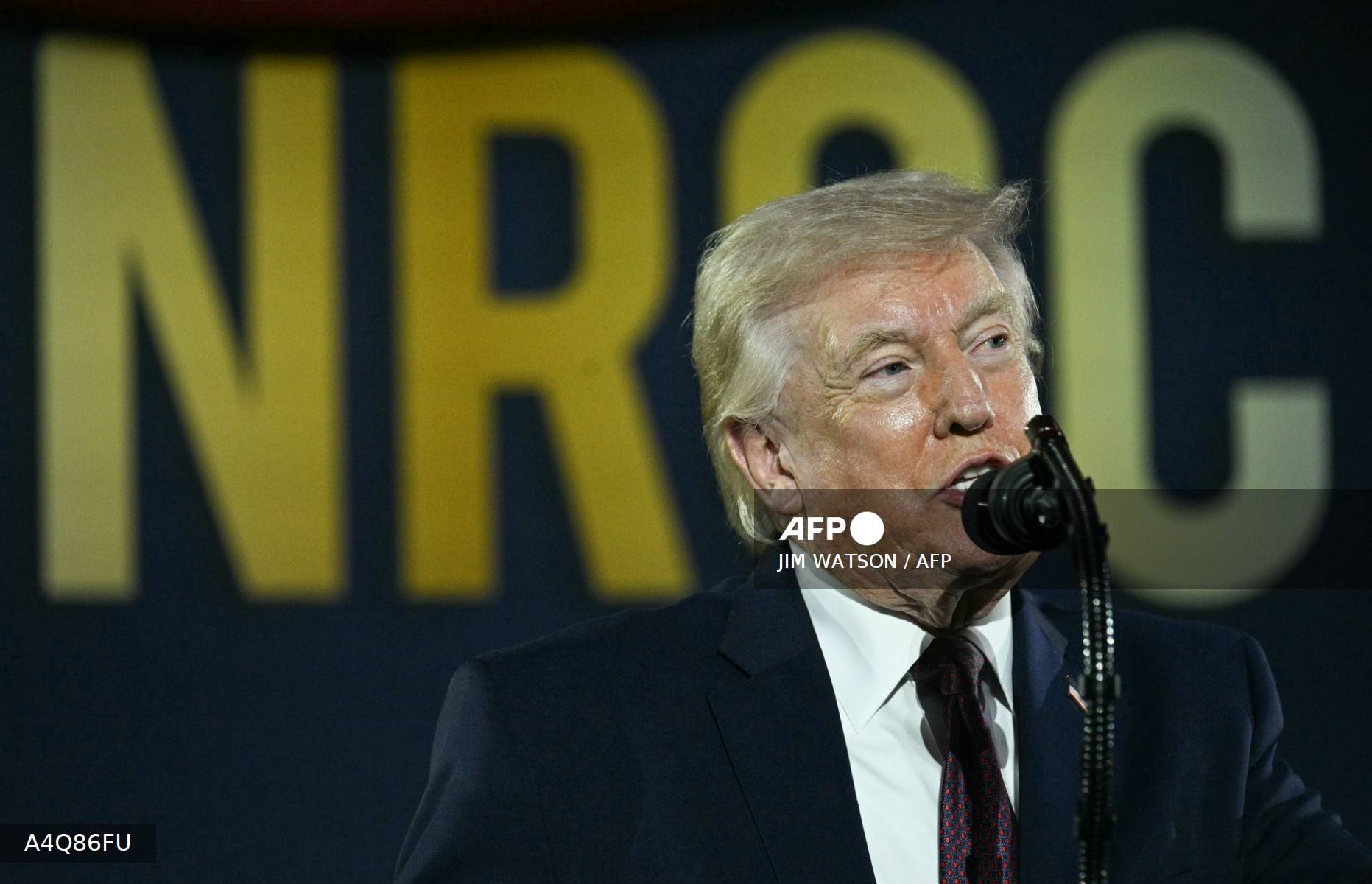
Nate Swanson, a former U.S. government official who served as Director for Iran Affairs at the National Security Council, commented: "If this is truly the U.S. position, there will never be a chance for successful negotiations."
Two Israeli sources revealed to CNN that another key player in the conflict is Israel, which is concerned that the U.S. might declare a month-long ceasefire to facilitate negotiations with Iran. However, according to one source, the country remains skeptical about the prospects of a breakthrough. In the long term, a final ceasefire agreement may not fully address all of Israel's concerns, particularly regarding Iran's ballistic missile program and proxy operations throughout the region.
Expert Nate Swanson suggests that Iran likely perceives President Trump as maintaining his previous stance, offering a choice between surrender or escalation. And it seems Iran doesn't really take the prospect of diplomacy seriously. He states that Tehran is making "an equally audacious and unrealistic proposal."
According to state-run Press TV on March 25, an Iranian official outlined the country's own list of demands, including: a complete end to all acts of aggression; the establishment of specific mechanisms to ensure that a war against Iran will not be repeated; clear guarantees of war reparations; an end to military operations on all fronts and against all Iranian proxy forces throughout the region; and guarantees of Iran's sovereign rights over the Strait of Hormuz.
Lack of signals for a viable agreement.
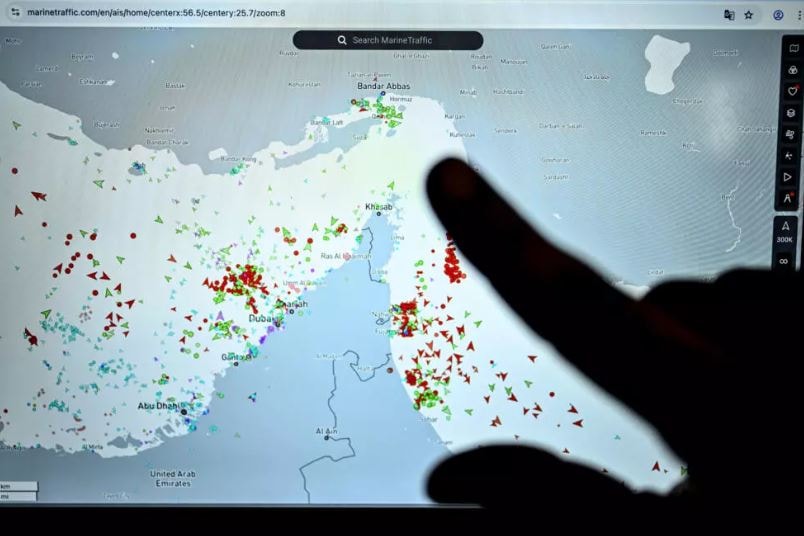
Despite U.S. advances in weakening Iran's military capabilities, Tehran's control of the Strait of Hormuz has become a potential advantage for Iran in future negotiations. Observers believe the Strait of Hormuz is a new tool for Iran, in a way never seen before.
Some Gulf states and other U.S. allies want an immediate ceasefire and the reopening of the strait, but others are hoping for a more comprehensive agreement. In an editorial published in the Wall Street Journal on March 25, the United Arab Emirates (UAE) Ambassador to the U.S., Yousef Al Otaiba, argued that a simple ceasefire is not enough at this time and called for a comprehensive agreement.
Iranian officials have repeatedly stated that they are not negotiating with the U.S. However, Iranian Foreign Minister Abbas Araghchi said that there is an exchange of messages between the two countries through intermediaries.
"The sending of messages and our response with warnings or stating our positions cannot be called negotiation or dialogue. It is merely an exchange of messages," Iran's Foreign Minister stated on Iranian state radio and television on March 25.
Meanwhile, on the same day, White House Press Secretary Karoline Leavitt maintained that "negotiations are ongoing" and "producing results."
Two senior officials told CNN that officials in the Trump administration are working to arrange a meeting in Pakistan this weekend to discuss a way out of the war. The current plan is for Vice President JD Vance to travel to Pakistan, possibly accompanied by other senior Trump officials.
According to U.S. officials, the timing, location, and composition of this potential trip are still subject to change. According to two sources familiar with the matter, Türkiye has also been suggested as a potential negotiating location due to security concerns among some officials regarding holding the meeting in Pakistan. Both Pakistan and Türkiye have previously served as mediators between the U.S. and Iran.
Amidst a flurry of reports about potential talks this weekend, Gulf allies are urging Trump not to escalate the conflict by deploying ground troops to occupy Kharg Island or seizing Iran's enriched uranium. This move stems from concerns that a U.S. occupation of the island would lead to significant casualties, potentially provoking Iranian retaliation targeting regional infrastructure and prolonging the conflict.


