
World in the past week: Responses to the Covid-19 pandemic.
(Baonghean) - The Covid-19 pandemic has appeared in nearly 200 countries and territories. Unlike European countries that are witnessing daily increases in the number of people infected and dying from the disease, Russia has implemented proactive measures from a very early stage to prevent the risk of community transmission. Meanwhile, in Brazil, the president is facing harsh criticism for calling on people to return to work and maintain commercial activity.
"Weapons" against Covid-19
While the rest of Europe is in turmoil due to the Covid-19 pandemic, Russia – the only European country sharing a very long border with China – has recorded an extremely low number of positive cases of SARS-CoV-2. The first case was recorded in January 2020. With decisive measures implemented early on, Russian President Vladimir Putin asserted that the country is trying to curb the spread of the virus and that the situation is "under control".
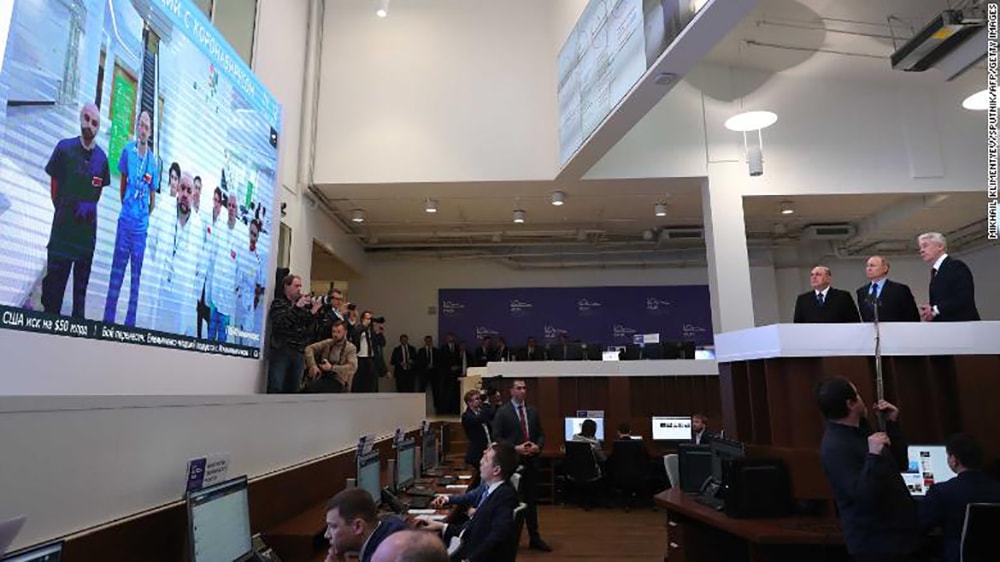 |
| Russia has established a Covid-19 information center in Moscow. Photo: CNN |
According to Russian authorities, President Putin's strategy has been effective. As of 1 PM on March 28th, Russia, a country of 146 million people, had 1,036 confirmed cases and 4 deaths. Some experts believe that Russia's early response measures, such as closing its more than 4,100 km border with China since January 30th and establishing strict quarantine zones, contributed to slowing the spread of the virus, thus helping Russia tightly control the epidemic and prolonging the time before facing a full-scale outbreak.
"Test, test, and test" was the call from the Director-General of the World Health Organization (WHO) as the epidemic showed signs of spreading. However, Dr. Melita Vujnovic, WHO representative in Russia, said that Russia had started testing in late January, and even simultaneously implemented other recommended measures such as identifying infected cases, tracing contacts, and implementing community isolation very early on.
Rospotrebnadzor, Russia's consumer watchdog, said it has tested more than 156,000 people for SARS-CoV-2. For comparison, according to CDC data, the US only began ramping up testing in early March, while Russia has been conducting mass testing since early February. Particular emphasis has been placed on testing at airports, focusing on travelers from Iran, China, and South Korea.
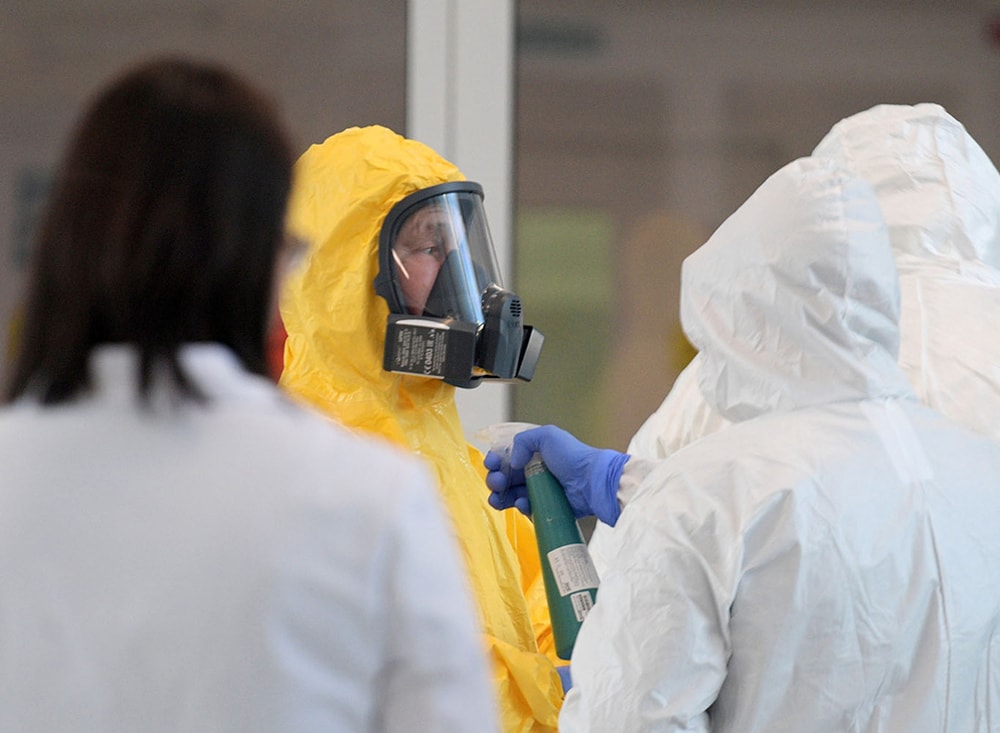 |
| President Putin, wearing protective gear, visits a medical center treating COVID-19 patients. Photo: Kremlin |
Most infections are in the capital, Moscow. As early as last month, thousands of the city's residents were forced to self-isolate at home for 14 days, including those returning from affected countries, in contact with patients, or diagnosed with mild symptoms. Additionally, approximately 100,000 AI-powered facial recognition cameras installed throughout Moscow are considered key to the fight against Covid-19.
All those drastic measures did not mean there were no loopholes in Russia's defenses against the pandemic. Russia did not test people arriving from Italy or restrict checks for those arriving from other European countries, simply taking temperatures and implementing a two-week quarantine. According to health officials, the vast majority of Covid-19 infections in Russia originated from Italy.
Some have expressed doubts that the Russian government concealed and controlled information about the epidemic. However, health authorities in Moscow have rejected these accusations, asserting that they conducted tests on pneumonia patients to identify the virus. President Putin himself has frankly stated that the government may not have grasped the full picture of the epidemic. However, he affirmed that the Russian government did not hide the data. Over the past week, the number of infected people in Russia has been on the rise, and this number is expected to continue to increase in the coming period as Russia expands its testing. However, a WHO representative said that Russia is still maintaining good control, as the country is monitoring each case and the epidemiological links to those who have been in contact with them.
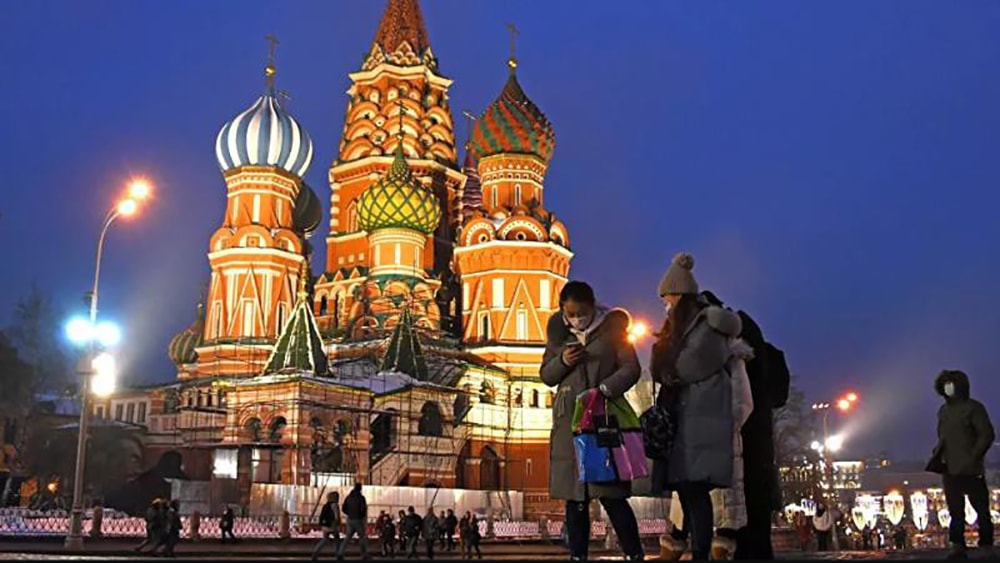 |
| Russia quickly implemented COVID-19 prevention measures very early on, and this is believed to be the reason for the low number of cases in the country. Photo: Sputnik |
Russia's Rospotrebnadzor announced that 36,540 people are still under close monitoring due to a high risk of exposure. At the same time, the Russian government has begun implementing more drastic measures, canceling all public events and closing borders to foreigners, except in a few exceptional cases. President Putin signed a decree postponing the referendum on constitutional amendments, scheduled for April 22nd, until the Covid-19 pandemic is under control. President Putin ordered a nationwide paid leave from March 28th to April 5th, excluding government employees and some essential sectors, and urged all citizens to strictly follow the instructions of health authorities.
"Adding fuel to the fire"
In contrast to Russia, President Jair Bolsonaro of Brazil – the largest country in Latin America – attacked the media and political opponents while urging people to return to work, public spaces, and commercial activities. Political opponents rejected this, arguing that the president's rhetoric was more dangerous than the spread of the disease itself.
“Most media outlets are spreading fear by prioritizing information about the large number of victims in Italy. That’s the perfect scenario to spread incitement,” the 65-year-old president Bolsonaro said to the nation via television on March 24, urging people not to worry if they contract the virus, because “even if you get infected, it’s just like a mild cold.”
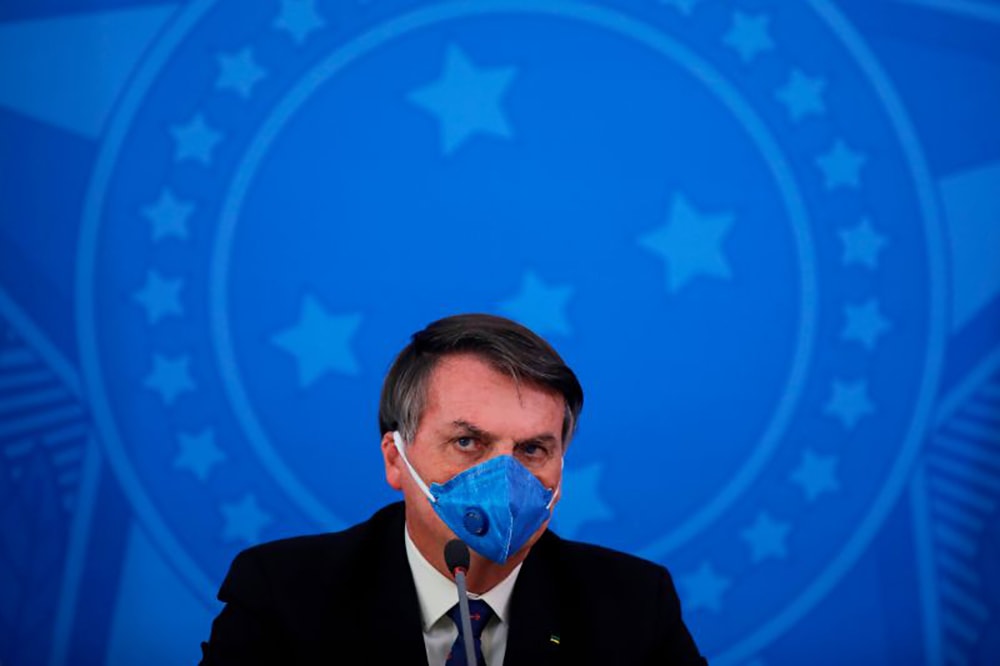 |
| Brazilian President Bolsonaro called Covid-19 just a "mild flu" and urged people to return to work. Photo: Getty |
Instead of reassuring the public about the rapid spread of the pandemic, President Bolsonaro's statements are considered to be "adding fuel to the fire." Brazil currently leads Latin America in both the number of SARS-CoV-2 infections and deaths, with 3,477 infected and 93 deaths as of 1 PM on March 28th. Health experts have also warned about the serious misinformation that Bolsonaro continues to spread. According to the Brazilian Epidemiological Association, his comparison of Covid-19 to a "mild cold" is creating a "false impression among the public that quarantine measures are inappropriate."
President Bolsonaro faces a growing loss of allies. Governors who once supported him are now pursuing their own paths, arguing that the president's statements contradict the recommendations of health experts and endanger the public.
According to AP, at an online meeting earlier in the day between President Bolsonaro and governors of southeastern Brazil, João Doria, the governor of Sao Paulo state, warned he would sue the government if it attempted to interfere with the state's efforts to combat the virus. Meanwhile, Wilson Witzel, the governor of Rio de Janeiro and a former ally of President Bolsonaro, declared he would not heed the president's call to ease social distancing measures. Earlier, Governor Witzel had announced the closure of airports and major roads.
Experts believe that the number of infections could skyrocket in April, overwhelming the country's healthcare system. In particular, the source of infection could originate in slums, due to overcrowding and poor sanitation. Meanwhile, almost all residents from lower income brackets rely on a community healthcare system that was already strained and chaotic even before the Covid-19 outbreak.
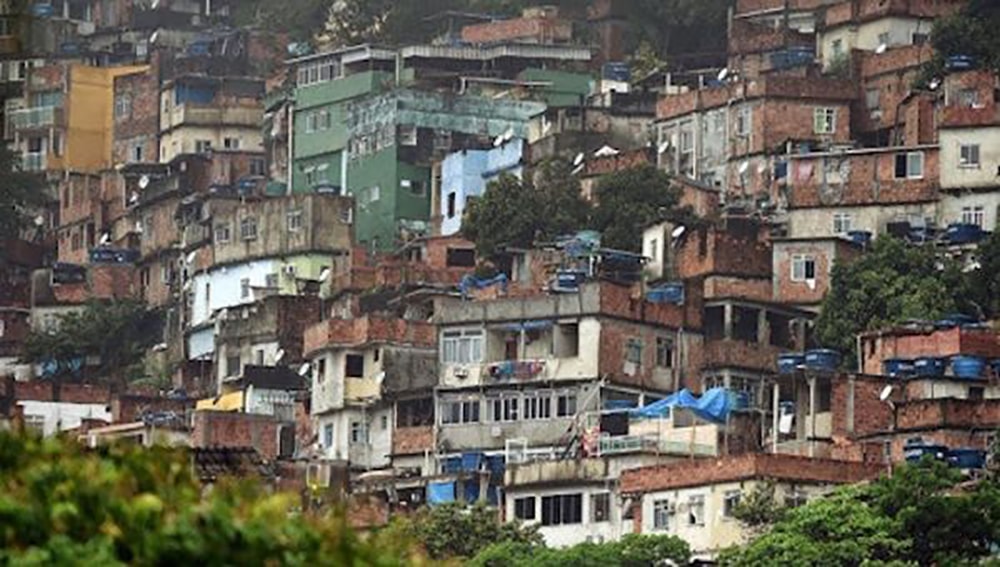 |
| The source of the Covid-19 outbreak may have originated in Brazil's slums due to overcrowding and poor sanitation. (Photo: THX) |
However, for Bolsonaro, the situation isn't that bad. He believes state governors are overreacting unnecessarily by implementing community lockdowns, closing schools and shopping malls, etc. Analysts believe President Bolsonaro seems to be taking a huge gamble, despite expert warnings about the future collapse of the healthcare and economy.
The Brazilian leader's response is quite similar to that of US President Donald Trump; however, "he forgets that Brazil does not have the financial resources that the US does. The two countries are completely different," assessed Fernanda Magnotta, a political scientist in Sao Paulo.


