
Vietnam's electronic toll collection cards are among the most expensive in the world.
The price of 120,000 VND per tag application has placed Vietnam among the countries with the most expensive ETC tags using RFID technology in the world.
According to surveys, in countries using RFID technology, the cost of attaching e-tags to vehicles and registering for automated toll collection services also varies.
In some US states, automated payment systems can be used flexibly through E-PASS sticker kits. Users can order from e-commerce platforms like eBay and Amazon and complete the registration process online.
Mostly cheaper than in Vietnam.
Specifically, the E-PASS home sticker kit used by residents in states like Georgia, Florida, and New York costs $4.69, equivalent to 110,000 VND.
After the license plate is affixed and registration is complete, people can travel without stopping through toll booths. Traffic cameras will record the license plate, then send a receipt to their home along with various payment options.
In Colombia, the Copiloto – the name of the electronic toll collection (ETC) card in the country – also costs around 20,000 COP, equivalent to 120,000 VND. However, in addition to paying at highway toll stations, Colombia's system also allows drivers to pay for parking through the electronic toll collection (ETC) card.
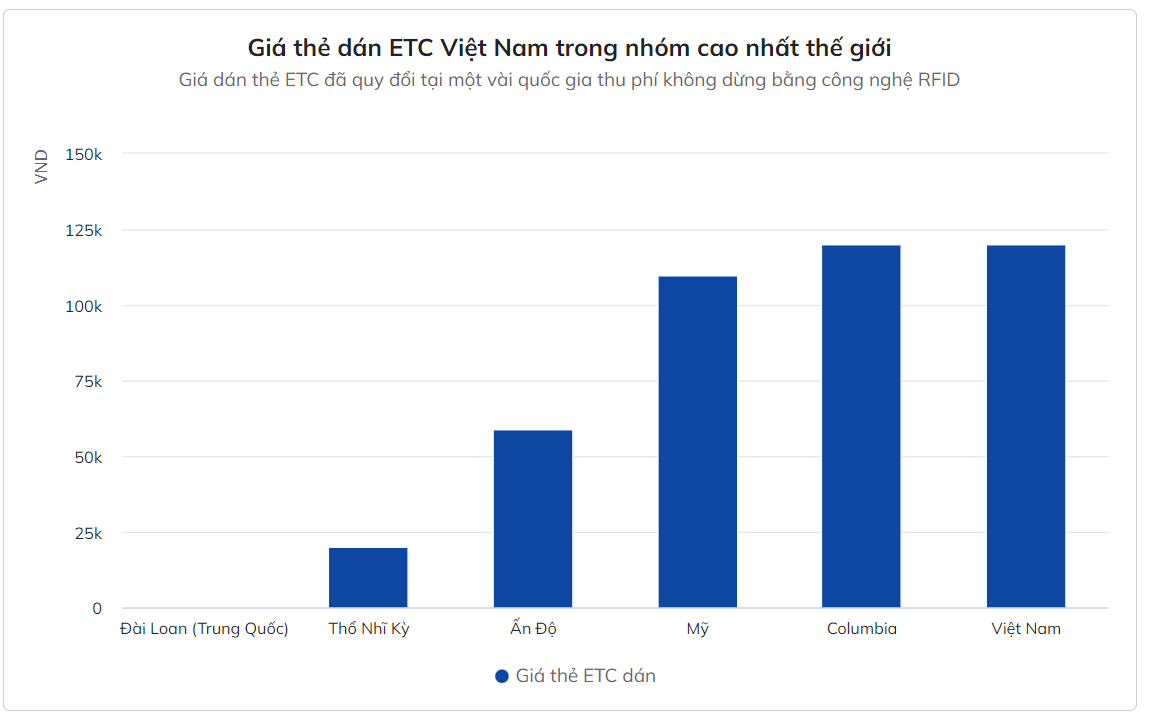 |
In India, from January 15, 2020, the FAStag service is mandatory for all vehicles. People need to pay approximately 200 Rupees (around 59,000 VND) for the first FAStag installation. A minimum balance of 100 Rupees (around 30,000 VND) is required to maintain the service.
FASTag will be affixed directly to the vehicle's windshield, and as soon as the vehicle passes the toll booth, the toll fee will be deducted from the bank account or prepaid wallet linked to the card.
In Taiwan (China) and Türkiye, the cost of the first ETC tag installation is almost free or very cheap. After conversion, vehicle owners in Türkiye only have to pay about 20,000 VND for the first installation.
In Taiwan, when needing to use the service, vehicle owners only need to bring their ARC residence card and vehicle registration certificate, and an eTag card will be issued free of charge. Afterward, vehicle owners can top up the card with cash at toll stations, with a minimum fee of 312,000 VND, or through e-wallets.
Advantages of RFID tags
For countries that do not use RFID technology for automated toll collection, vehicle owners will have to equip their cars with ETC card readers, which come at a relatively high cost.
Typically in Singapore, this system operates based on three main components: ERP gateways on the road, in-vehicle units (IUs) for collecting tolls, and automated toll payment cards (CashCard or EZ-Link).
In Singapore, automated toll collection systems are installed on vehicles at a cost of approximately 155 SGD, equivalent to 2.6 million VND. Regarding the automated payment card, vehicle owners can top it up and start using it, or pay online via an e-wallet directly linked to their bank card.
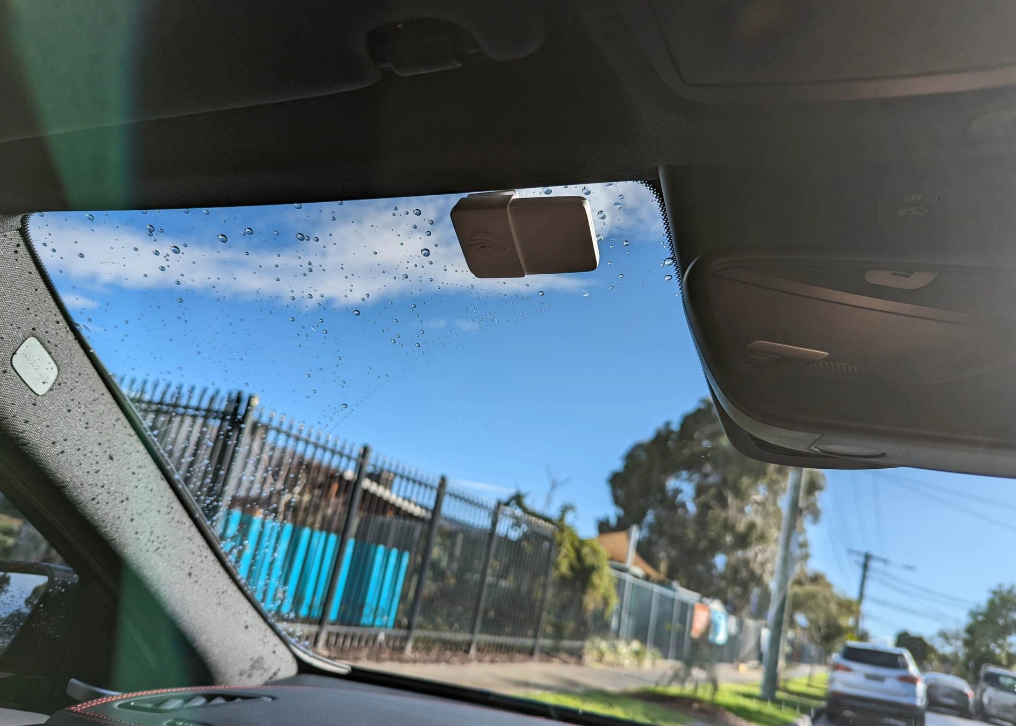 |
| ETC card readers are currently being used in Australia as part of ERP technology. |
Similar to Singapore, Australia also applies Electronic Road Pricing (ERP) technology in its automated toll collection model. Every car in Australia is equipped with a toll collection device free of charge; however, if the device is damaged or lost, the owner will have to purchase a replacement at a cost of 120 AUD, approximately 2 million VND.
From July 25th, the Vietnam Digital Communication Corporation (VDTC - ePass) officially started charging a fee for the first ETC tag installation. Following this, the Vietnam Automatic Toll Collection Company Limited (VETC) also stopped offering free ETC tag installation services from August 6th.
The price quoted by businesses for the first tag installation and replacement tag installation is 120,000 VND per time.
According to a representative from VDTC, out of approximately 1 million cars currently in circulation in Vietnam that have not yet been fitted with ETC tags, about 600,000 vehicles do not need them because they are specialized vehicles such as buses, factory vehicles, and vehicles not allowed to travel on expressways.
"Of the 1 million vehicles that haven't been fitted with ETC tags, the Department of Vehicle Registration is likely the unit with the clearest information on the number of vehicles that don't need tags. As for the remaining 400,000 vehicles, businesses will likely complete the ETC tag installation process around December," this source stated.


