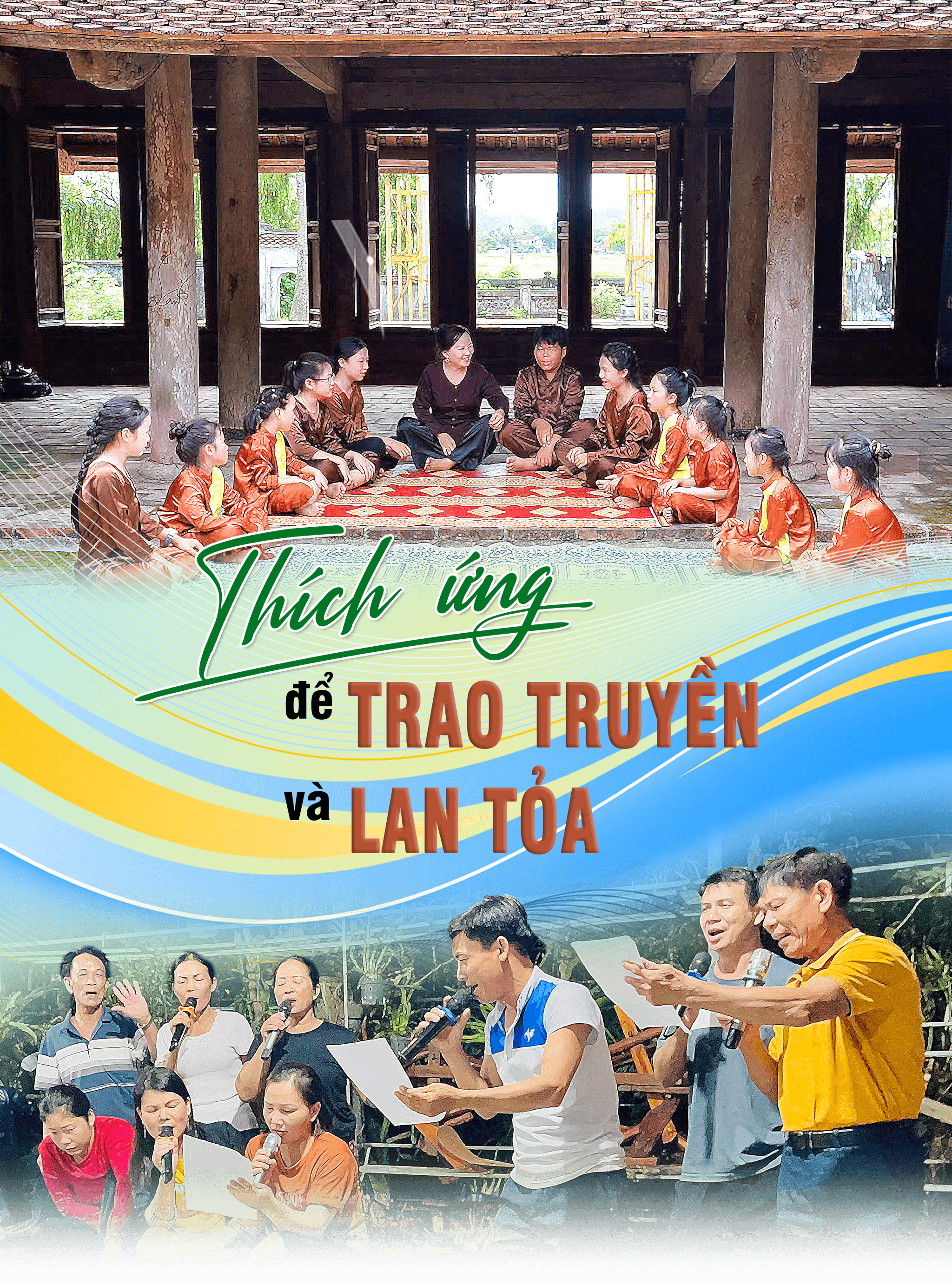
Adapt to transmit and spread
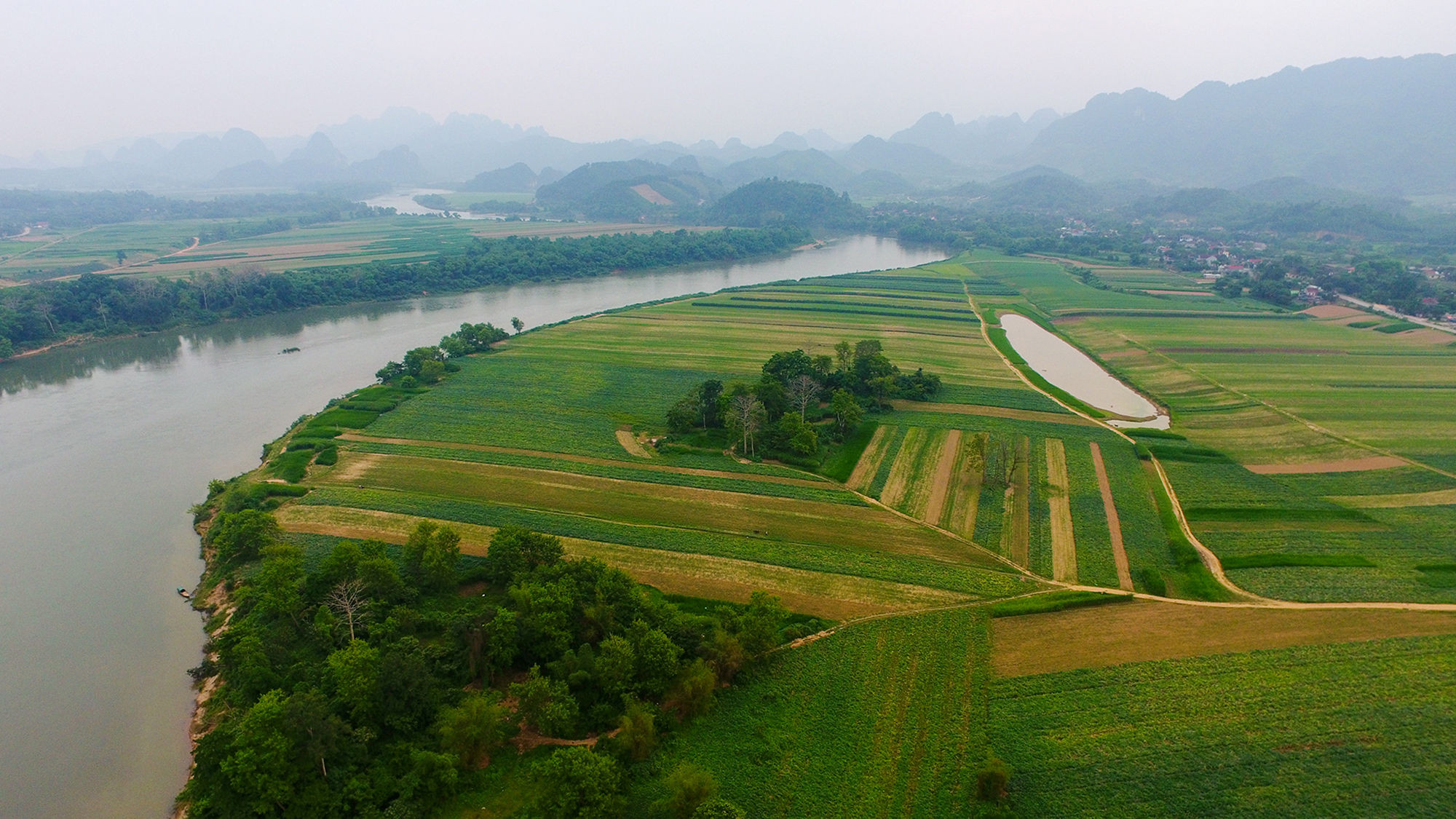
The merger of administrative boundaries has opened up a wider community space, but it has also presented folk singing clubs in the Ví and Giặm styles with new disruptions. The living space has changed, members are dispersed, there is a shortage of successors, and funding remains a difficult problem. In this context, many clubs are finding ways to adapt in order to maintain their activities, develop membership, and, more importantly, keep the flame of passion for this heritage alive.
Thanh Nga |Present:Huu QuanOctober 10, 2026
The merger of administrative boundaries has opened up a wider community space, but it has also presented folk singing clubs in the Ví and Giặm styles with new disruptions. The living space has changed, members are dispersed, there is a shortage of successors, and funding remains a difficult problem. In this context, many clubs are finding ways to adapt in order to maintain their activities, develop membership, and, more importantly, keep the flame of passion for this heritage alive.
In Nghia Dong commune, the Folk Song Club is demonstrating proactive adaptation to the new environment after the merger. The current club was formed on the basis of inheriting the former Nghia Dong Folk Song Club. Nghia Dong was formed from the merger of Binh Hop commune and the old Nghia Dong commune, resulting in a larger area for the club's activities and greater distances between members.
Meritorious Artist Ngo Minh, the head of the Nghia Dong commune's folk song club, has been involved with the club for decades as an artist. He understands that maintaining the old training methods would make it difficult to gather members.
"The old Nghia Dong commune was on this side of the river, while Nghia Binh and Nghia Hop communes are on the other side, so gathering members was very difficult."
Distinguished Artisan Ngo Minh
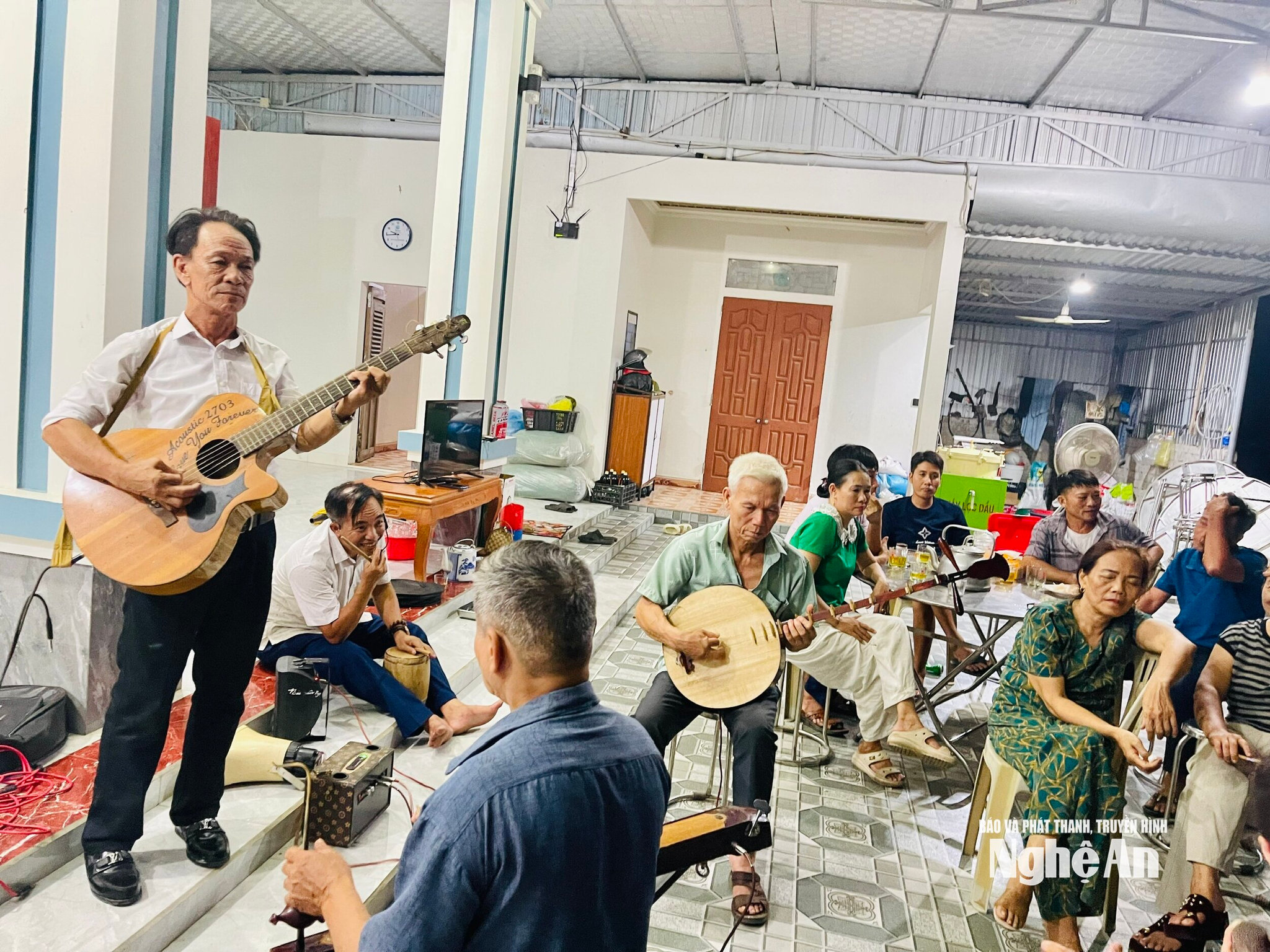
Based on this reality, the club's management board came up with the idea of recording demo versions of new songs in advance so that members who lived far away could practice on their own. When the program was about to take place, the members would gather to rehearse. The method wasn't overly complicated but helped reduce travel time while still ensuring effective practice. More importantly, it showed that the club didn't wait for favorable conditions to operate but proactively found ways to adapt to new circumstances.
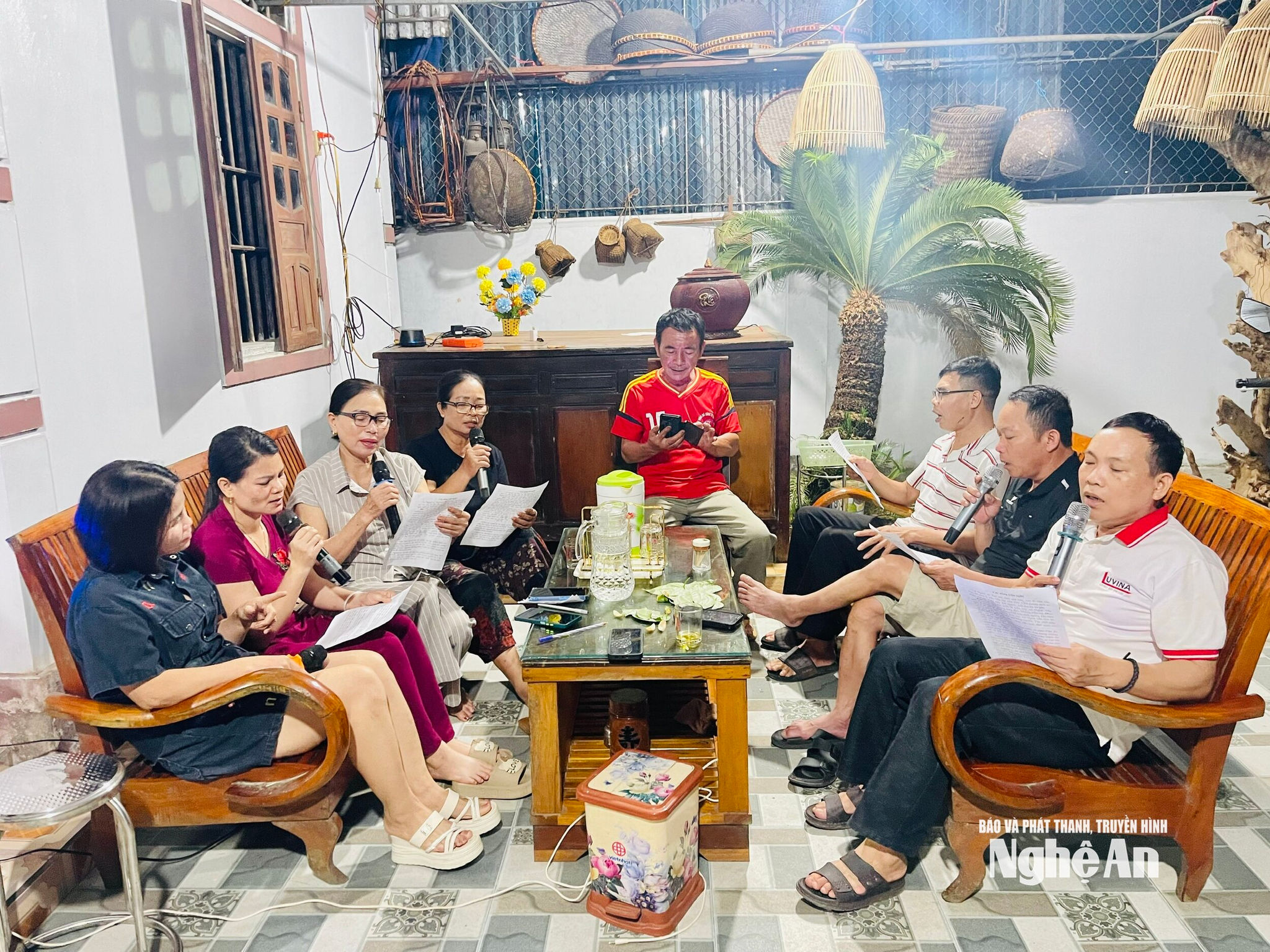
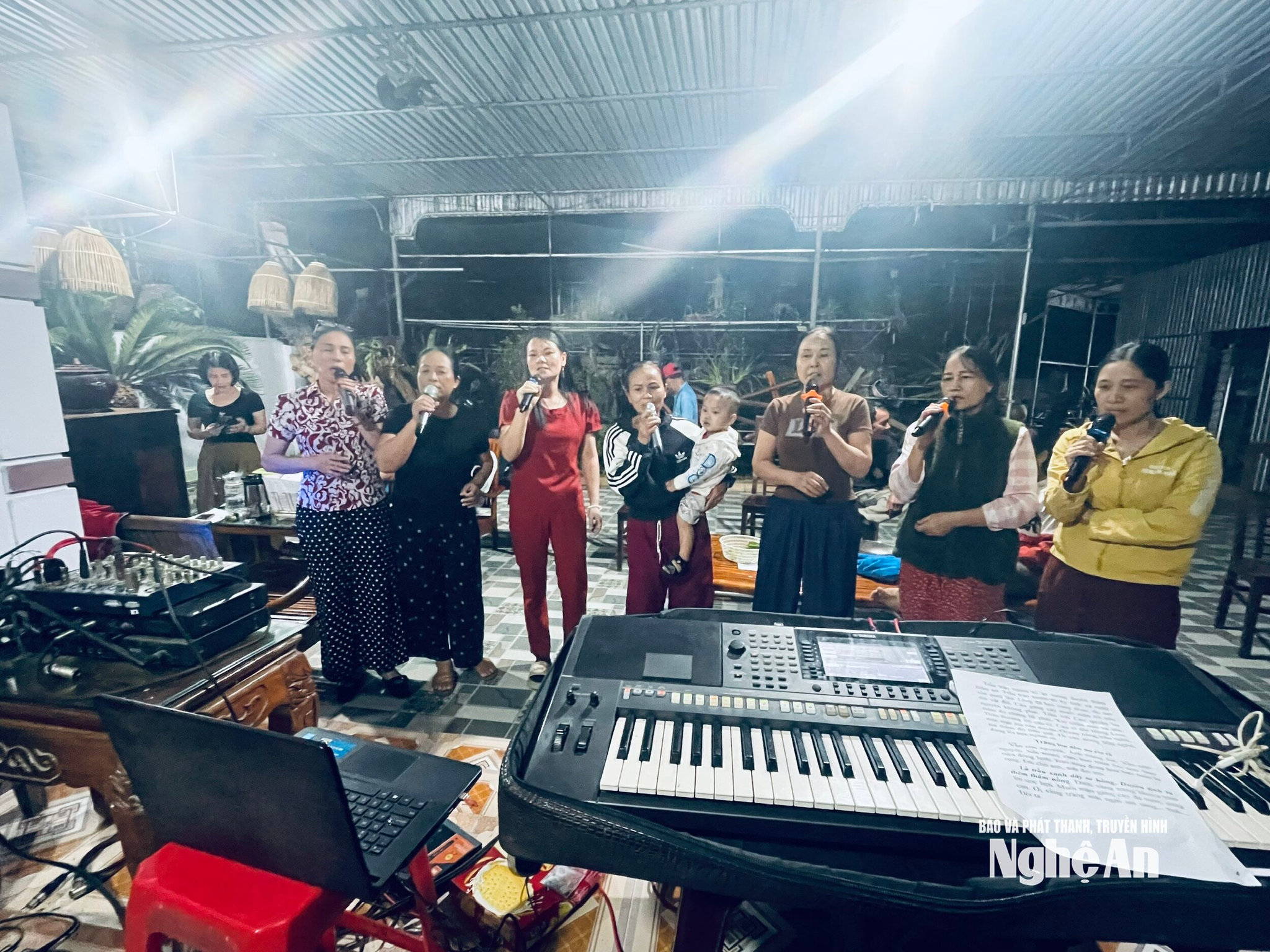
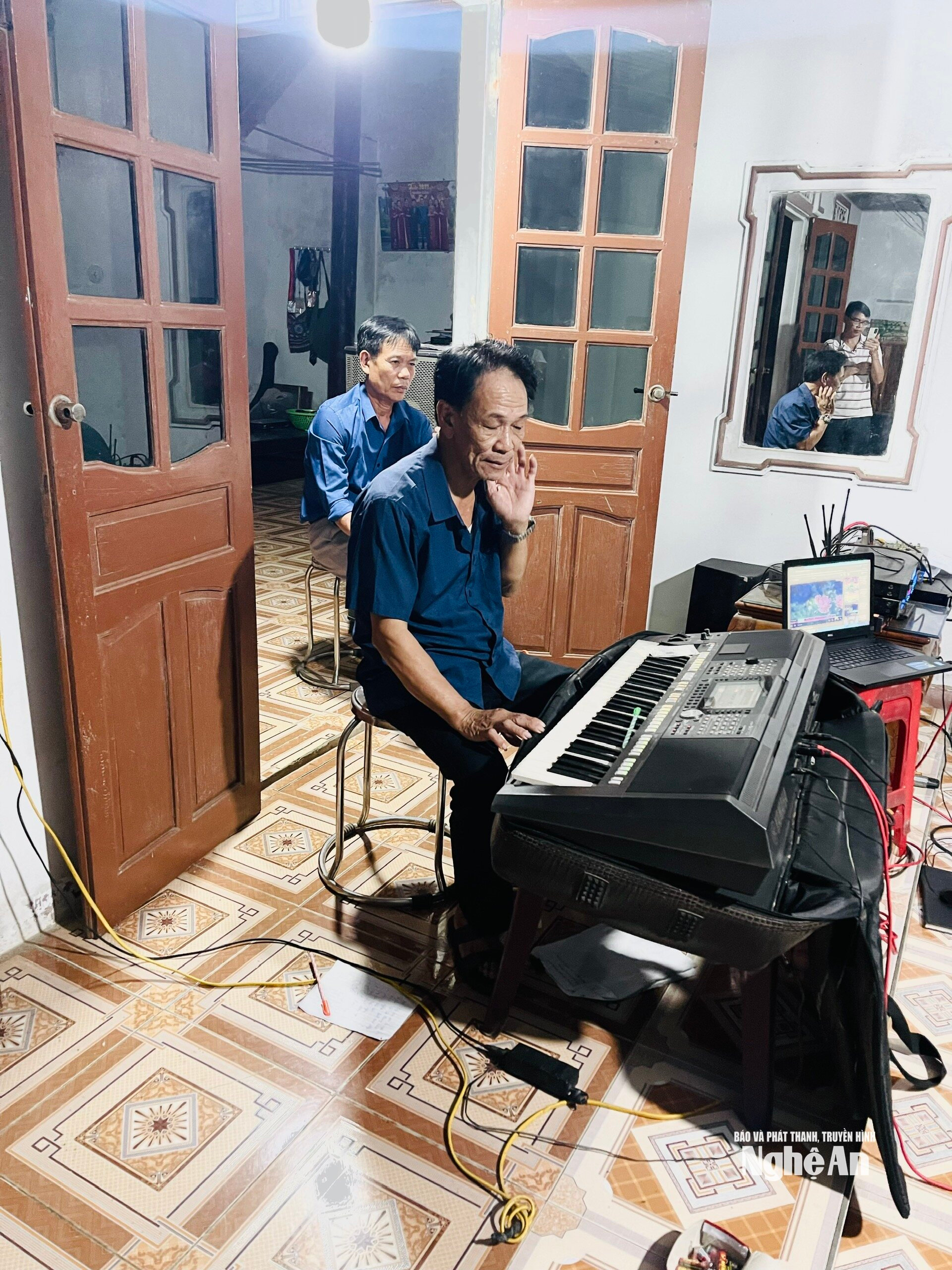
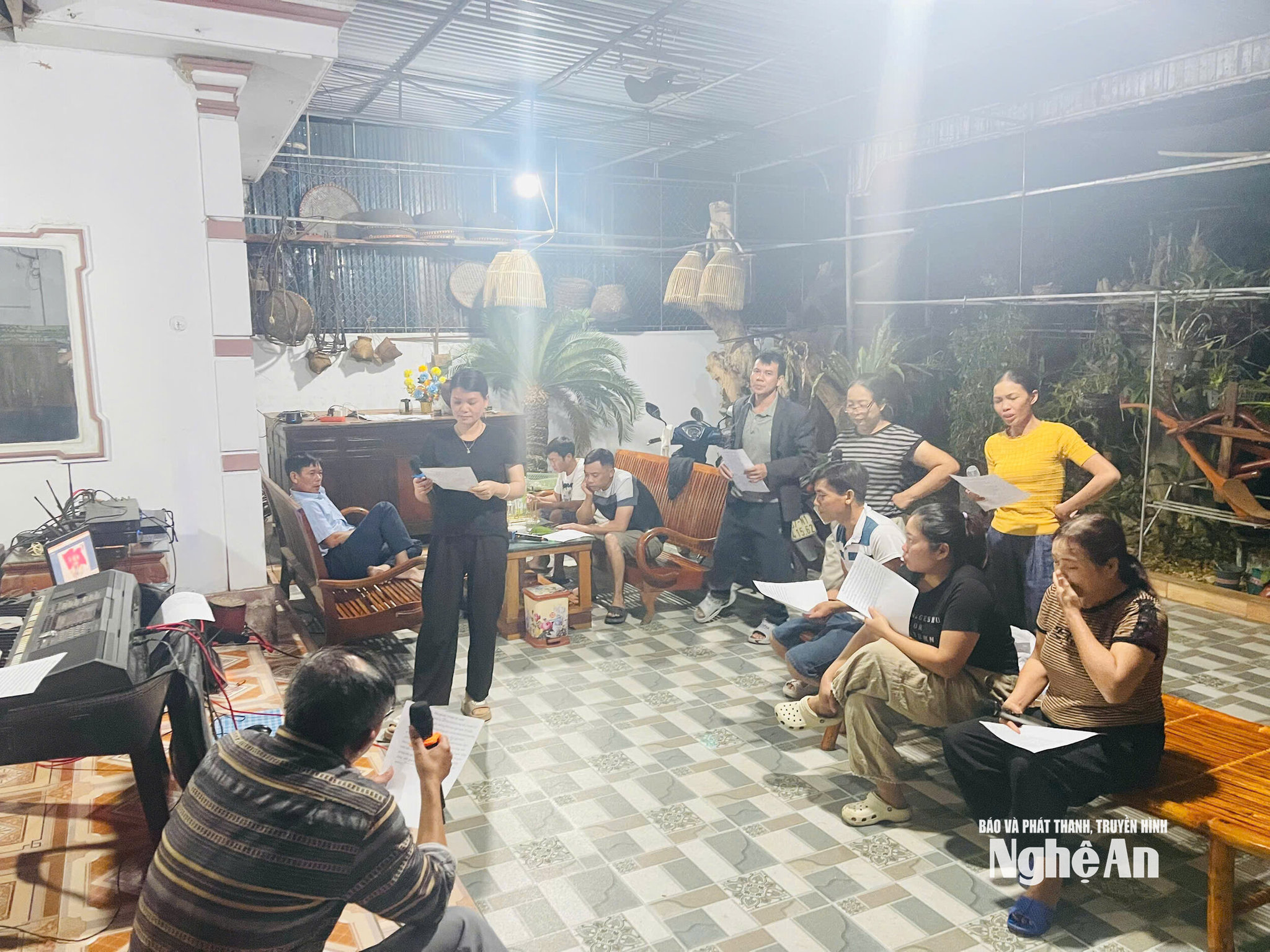
Over the years, the Nghia Dong Folk Song Club has made its mark thanks to its fairly balanced membership across various age groups and its regular participation in cultural and artistic events. In local programs, folk songs are always chosen as the main material.
The lyrics, composed by Meritorious Artist Ngo Minh based on ancient folk melodies, speak of homeland, community spirit, and promote local historical sites and relics, and are then performed by the association members themselves. Because they sing about their own homeland, these folk songs and chants have a special power of expression. The recently held 100th anniversary festival of Dinh Sen is a prime example. Folk songs were chosen as the main material in the program, with many folk song and chant performances that impressed the locals and the audience.
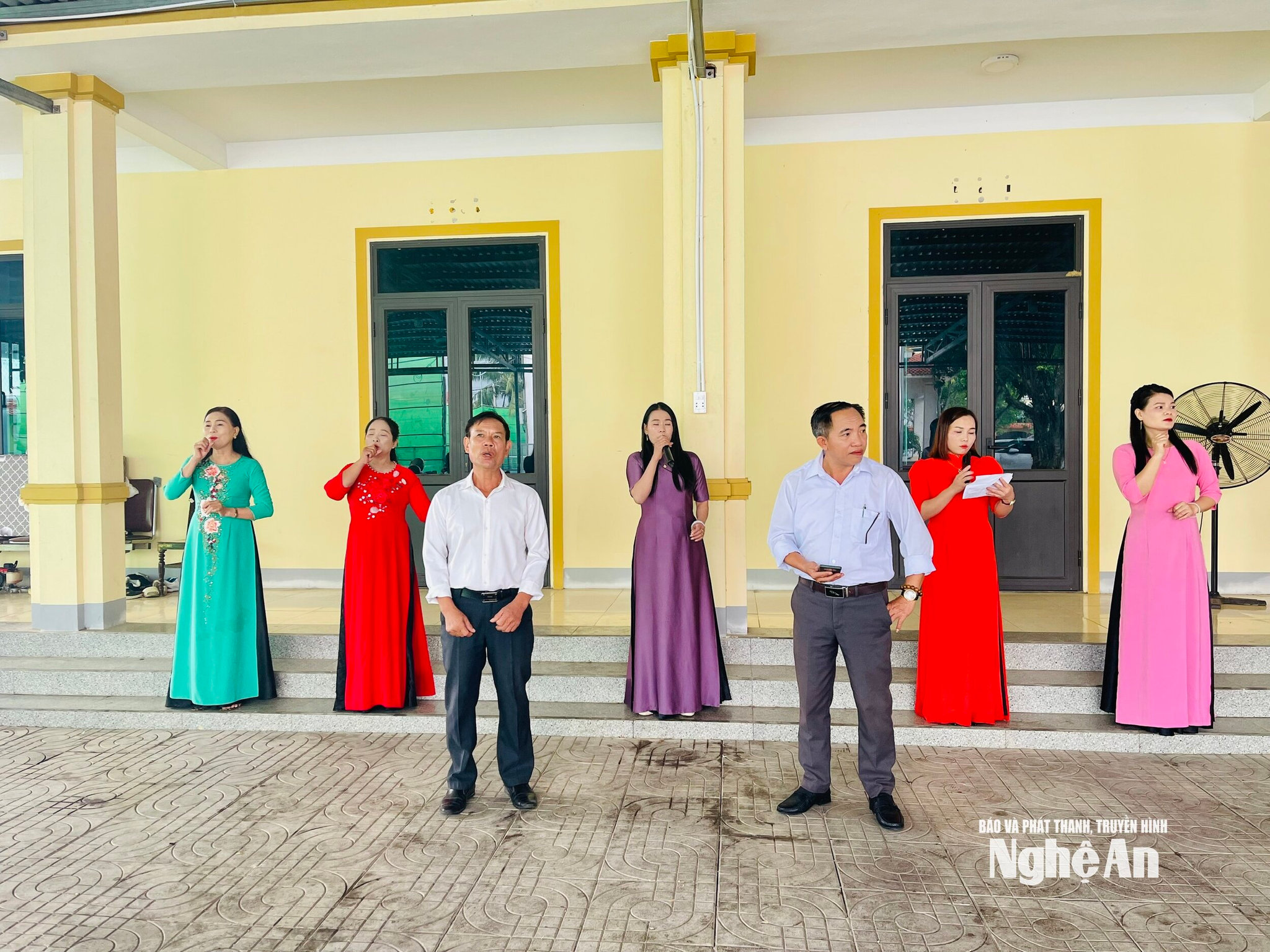
Notably, even after the merger, the club has not received any new funding but has maintained fairly regular activities. For major events, Meritorious Artist Ngo Minh often opens his private residence for members to practice, as his family owns musical instruments and sound equipment.
According to Meritorious Artist Ngo Minh, joining the club is primarily voluntary, driven by a spirit of community service and a desire to spread folk music. However, for long-term operation, members still hope to receive attention and support from the government, both spiritually and materially.
The Xuan Lam Folk Song Club is also facing similar difficulties. The club inherited its members primarily from the former Ngoc Son Folk Song Club, where People's Artist Hong Van dedicated much effort to building and passing on her traditions. After its territory expanded to include Minh Tien and Xuan Duong communes in the former Thanh Chuong district, the club is now called the Xuan Lam Folk Song Club, but the number of new members has not increased significantly.
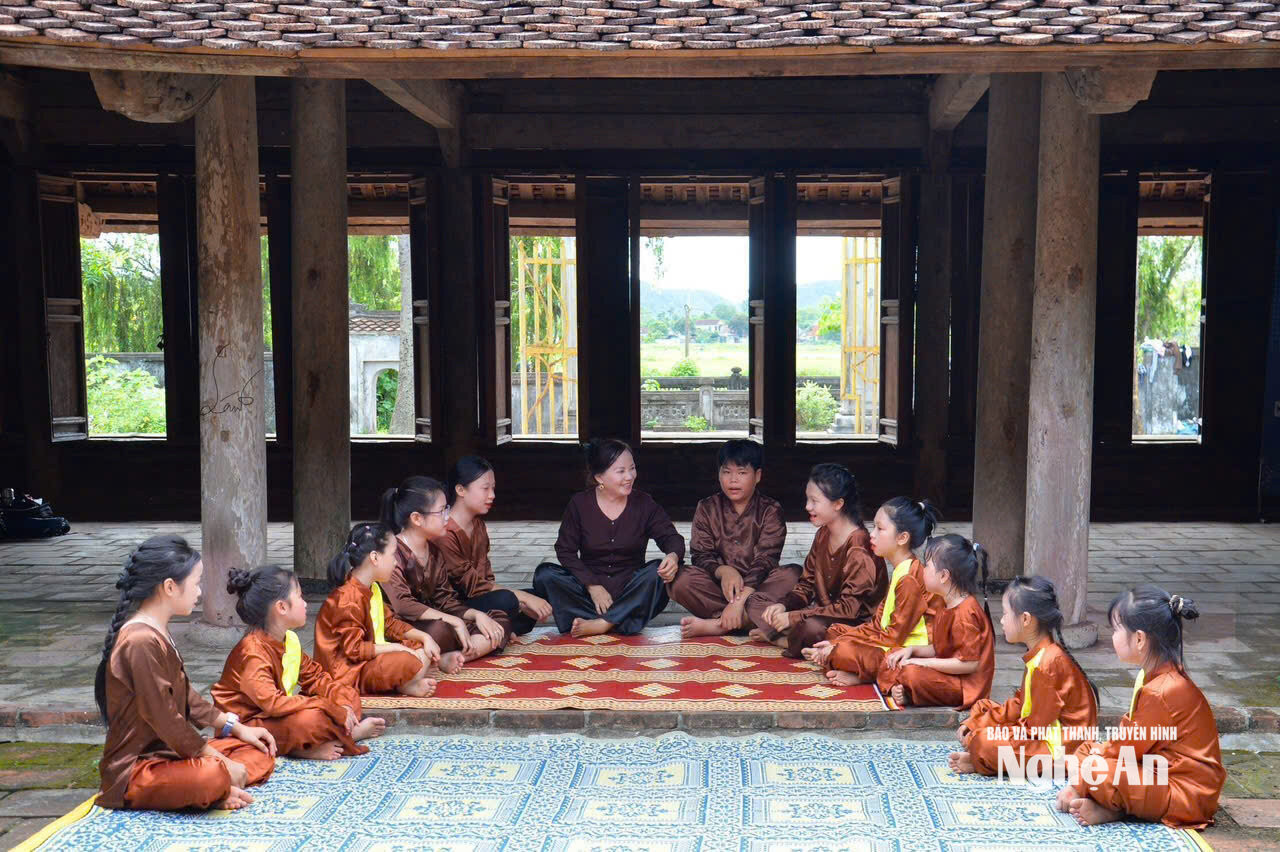
According to People's Artist Hong Van, the main reasons are that many young members have gone away to work; those with talent and passion are mostly older, while the younger members are busy with school, so their participation is irregular, especially when the school year begins.
Therefore, mergers do not necessarily mean the club gains more members. While the area may be larger, without appropriate methods of gathering members, geographical distance and people's work schedules can become obstacles to the club's activities.
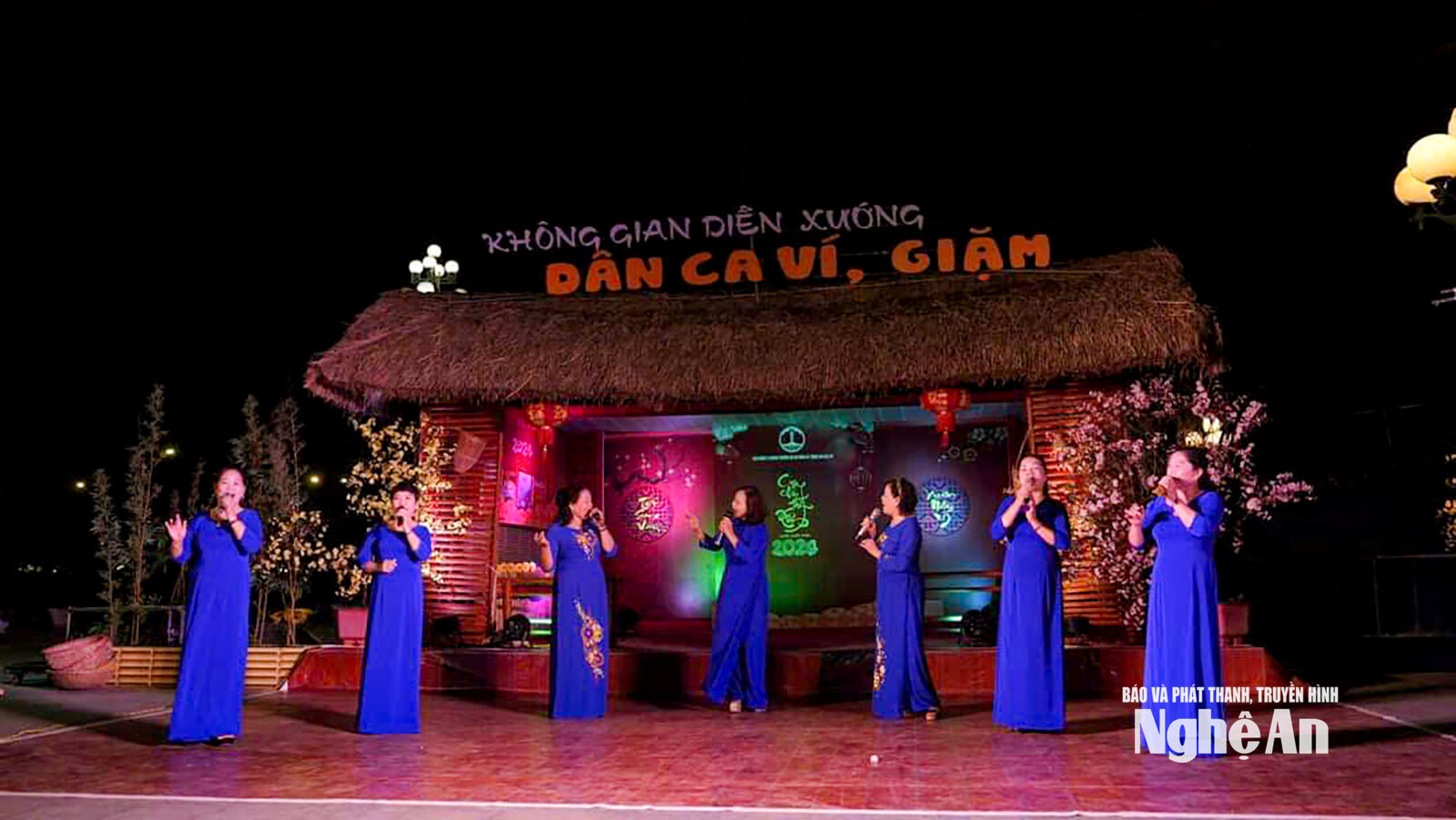
Currently, Nghe An province has 242 recognized folk song clubs under Government Decree 126/2024/ND-CP (effective from November 26, 2024) regulating the organization, operation, and management of associations. Each newly established club receives a subsidy of 30 million VND and 5 million VND per year for operation, as per Resolution 29/2021/NQ-HĐND dated December 9, 2021, of the Provincial People's Council.
Folk song clubs specializing in the Ví and Giặm styles have been established to practice and transmit this heritage within the community. However, most operate on a voluntary basis, with irregular activities and self-funded operations. Notably, those currently practicing this heritage are primarily middle-aged, while efforts to attract younger generations have not met expectations.
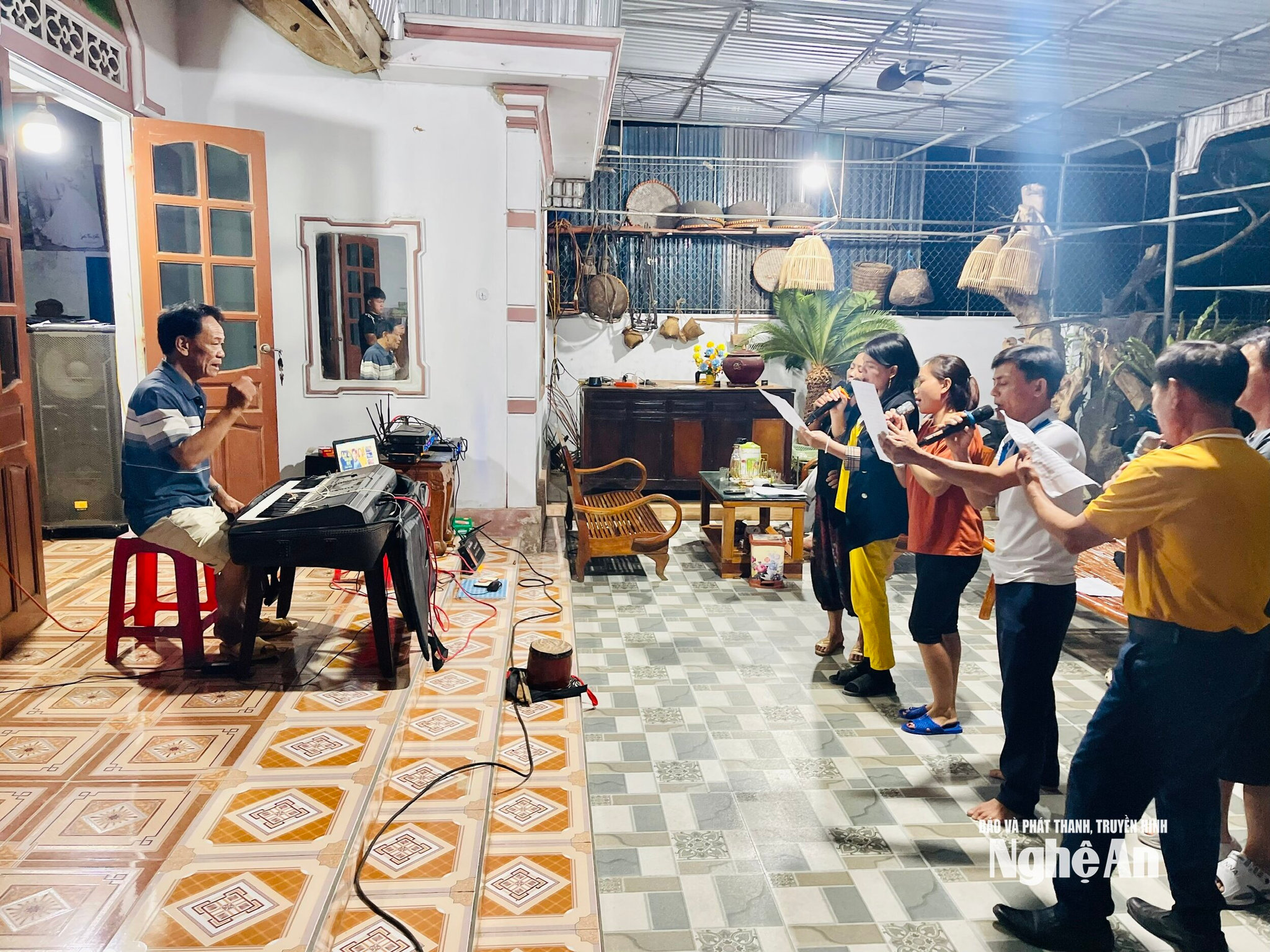
People's Artist Hong Van believes that the number of artisans who know how to systematically and technically teach the art of folk singing (ví and giặm) is dwindling. Teaching is primarily done through oral tradition and club activities, making the resources for transmission increasingly difficult. Therefore, to ensure the vitality of folk songs, specific programs, projects, and plans are needed to promote the activities of these clubs and train a new generation of young artisans.
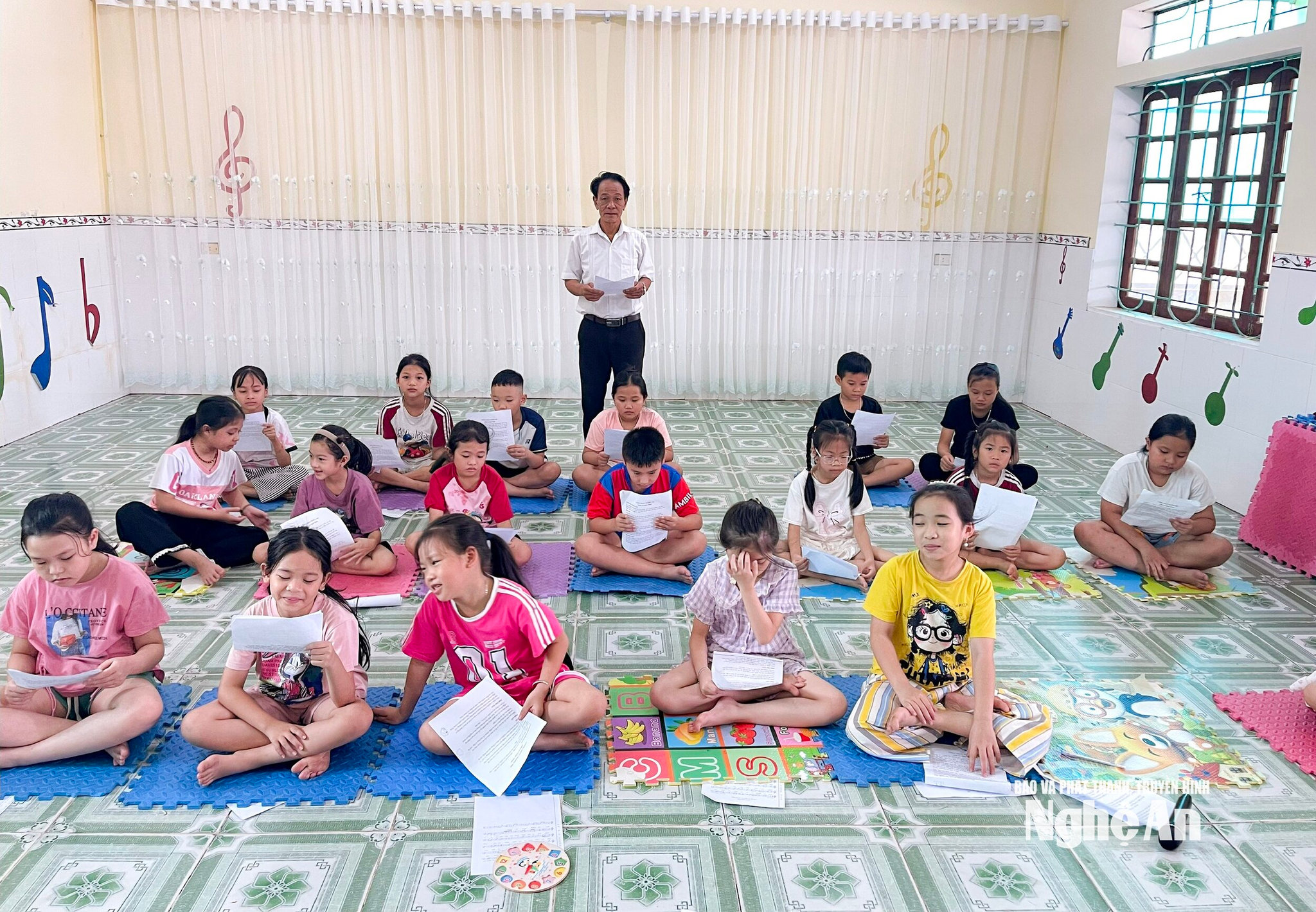
One proposed approach is to integrate folk songs into school curricula. Some schools have developed plans to incorporate folk song instruction into their school programs, but the effectiveness is not yet fully apparent due to a lack of formal training for teachers, limited teaching materials, and inadequate facilities and props.
Therefore, it is necessary to promote the role of artisans and artists in the field of folk music to support the training of teachers, and at the same time create a bridge between schools and clubs.
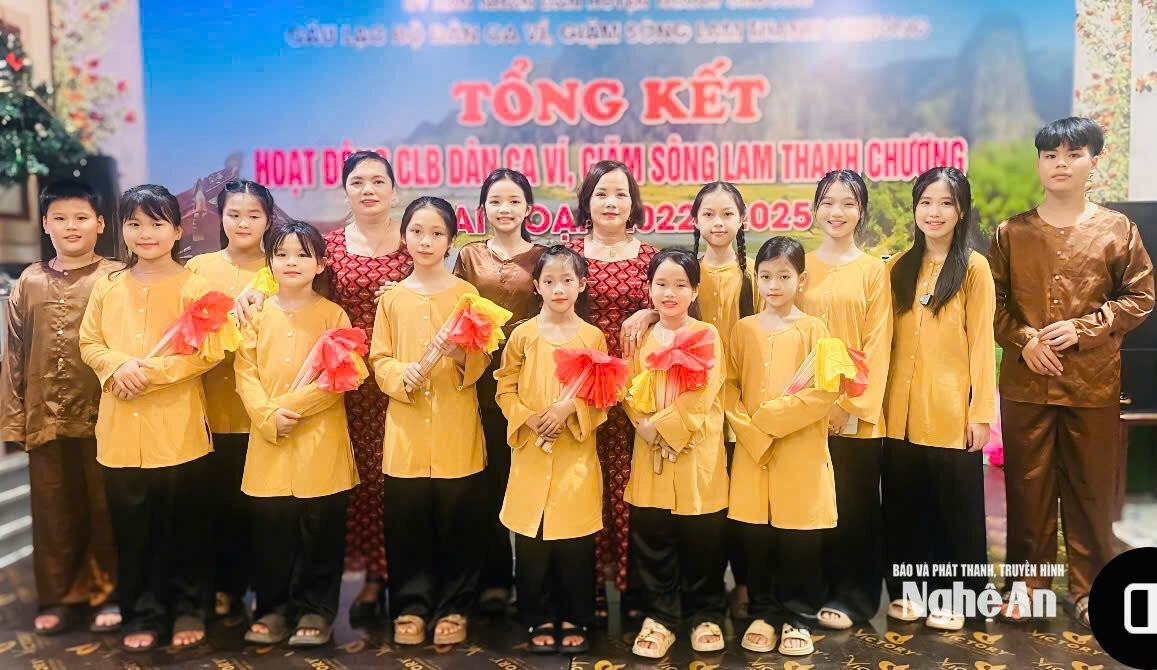
In Nghia Dong commune, Meritorious Artisan Ngo Minh said that in the near future, he will propose to schools to include teaching folk songs in weekly activities, linked to extracurricular programs. He and the club members will directly prepare lesson plans and participate in teaching with the hope of helping students understand, love, and practice folk songs more.
The project "Protecting and Promoting the Value of the Intangible Cultural Heritage of Humanity: Nghe Tinh Folk Songs (Vi and Giam) in Nghe An Province, 2026-2030" aims to train a new generation of artisans to succeed the older generation; focusing on training in folk singing at the province's art school, including Nghe Tinh Vi and Giam, through scholarships and job placement incentives after graduation. The project also aims to continue developing the system of clubs both domestically and internationally; developing 5 to 6 new clubs within the province each year, 1 to 2 clubs outside the province, and establishing one club within the Nghe Tinh community abroad every two years.
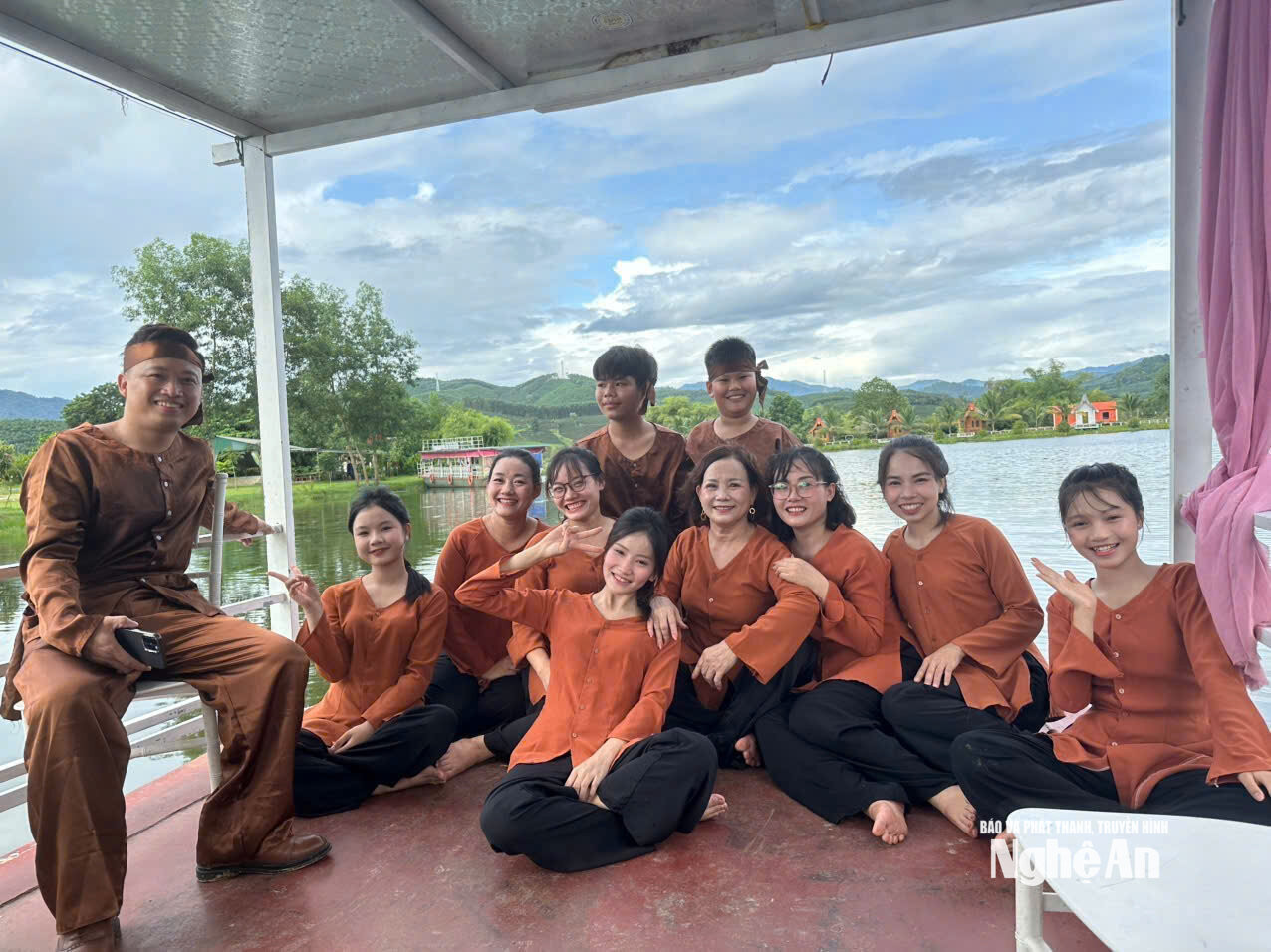
Ms. Quach Thi Cuong, Deputy Director of the Department of Culture, Sports and Tourism, said: After the merger, the story of the clubs is not simply about gathering members in a wider area. It is also about how to ensure that people from far away can still participate, that artisans have the opportunity to teach, that young people find joy in the club, and that local authorities have mechanisms to support them.
Mergers may change boundaries, names, and organizational structures, but the vitality of folk singing (ví and giặm) remains unaffected. This vitality lies in the voices of the people, in the practice sessions after work, in the songs written about their homeland, and in the dedicated artisans who persistently pass on their traditions to future generations. Therefore, supporting these merged clubs is not just about supporting a cultural activity; it's about creating conditions for the community to continue practicing its heritage.