
Lack of funding to operate the seawater supply system is causing difficulties for the Quỳnh Anh shrimp farming area.
This year's main shrimp farming season has seen mass die-offs in many ponds in Quynh Anh commune due to disease. The cause is believed to be water pollution from the Mai Giang River. Meanwhile, the project to build a seawater supply system for industrial shrimp farming according to VietGAP standards is facing difficulties with operating costs.
The fish were infected shortly after being released into the pond.
Shrimp farming is considered a livelihood for many households in the coastal areas of Quynh Nghia, Quynh Thanh, and Quynh Bang communes in Quynh Anh district. However, this year's main shrimp farming season is facing many difficulties as large areas of shrimp farms have been damaged by disease.
Locals believe the main cause stems from polluted water sourced from the Mai Giang River. This situation not only causes hardship for shrimp farmers but also raises an urgent issue regarding the effective operation of the project to build a seawater supply system for industrial shrimp farming according to VietGAP standards, which has already been invested in the area.
Mr. Ho Dinh Hiep, residing in Dong Van village, Quynh Anh commune, stated that this year his family raised shrimp in four ponds with a total area of nearly 7,000 square meters. However, after only about 15 days of stocking, the shrimp began showing signs of disease and died rapidly on a large scale. Despite attempts to treat the condition using medication and other technical measures, the situation did not improve.
"Since we couldn't save the shrimp, my family had to drain the entire pond to treat the environment. Now, the only option is to wait for the pond to be renovated before we dare to stock it again," Mr. Hiep shared.
It's not just Mr. Hiep's family; many other farming households in the area are facing a similar situation. According to residents, the water source from the Mai Giang River shows signs of pollution, and the water quality is not guaranteed, leading to a surge in diseases under constantly changing weather conditions and unpredictable environmental fluctuations.
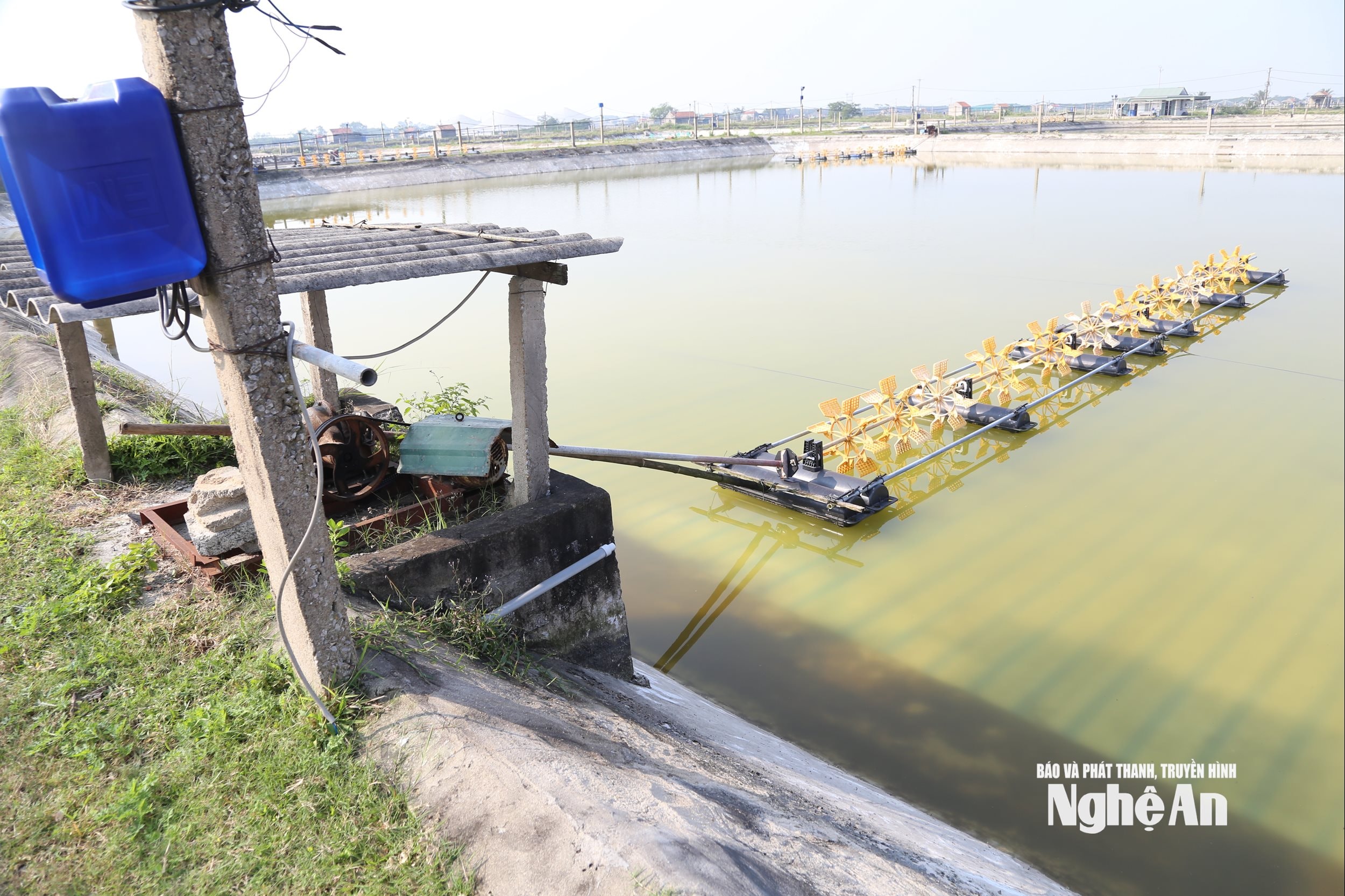
Mr. Ho Dang Tam, Director of the Quynh Bang General Agricultural Cooperative (now part of Quynh Anh commune), said that this year's main shrimp farming season covered approximately 200 hectares, accounting for 45% of the commune's total pond area. However, after 15-20 days of stocking, the shrimp showed signs of disease and died in large numbers. Most households with diseased shrimp treated the environment themselves before restocking. According to Mr. Tam, the biggest reason is that people are forced to use water from the Mai Giang River, which is not suitable for shrimp farming.
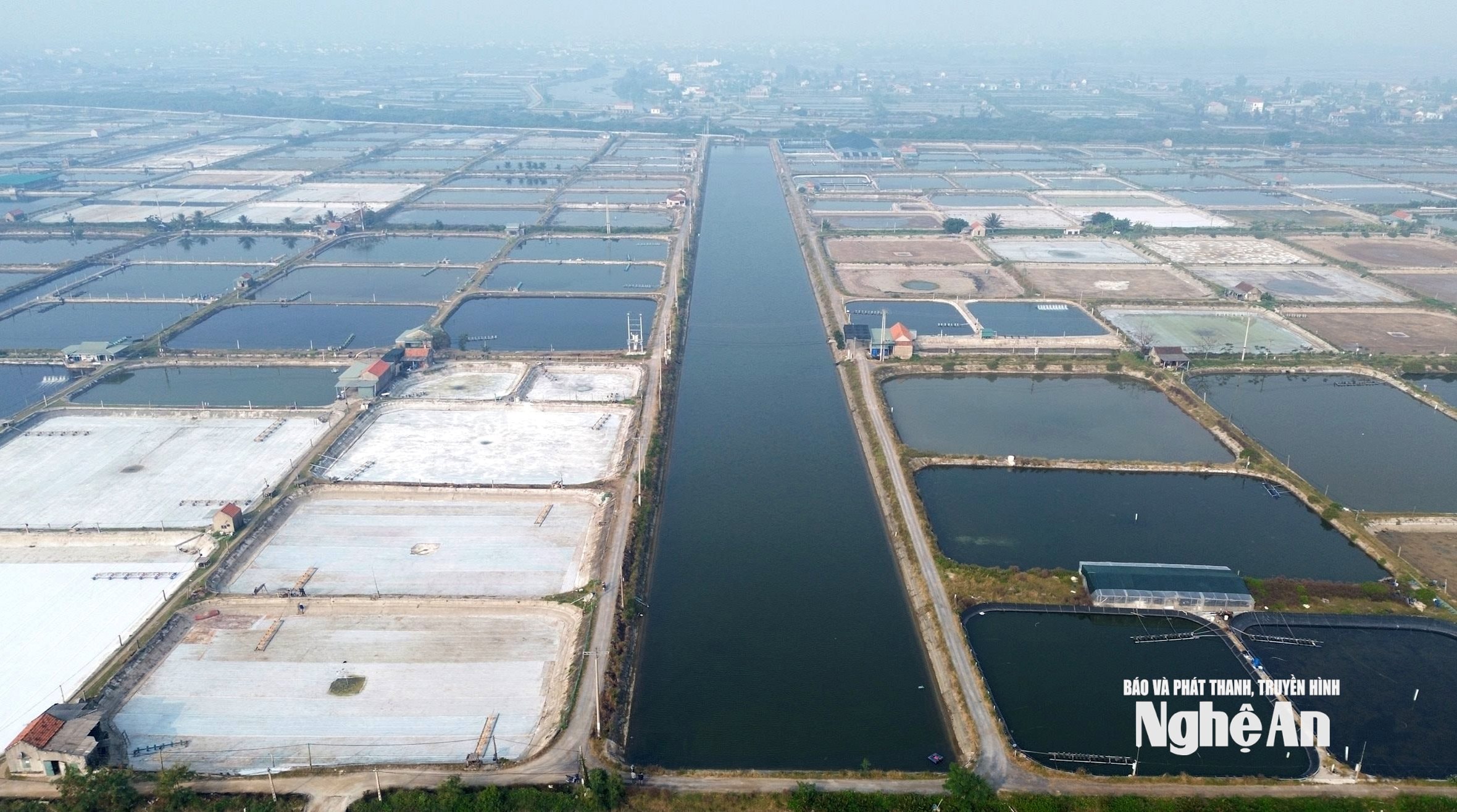
It is worth noting that the locality has received investment for a seawater supply project for industrial shrimp farming according to VietGAP standards, aiming to ensure safe production and limit disease outbreaks. However, this project is currently facing the risk of operating at a reduced capacity due to a lack of operating funds.
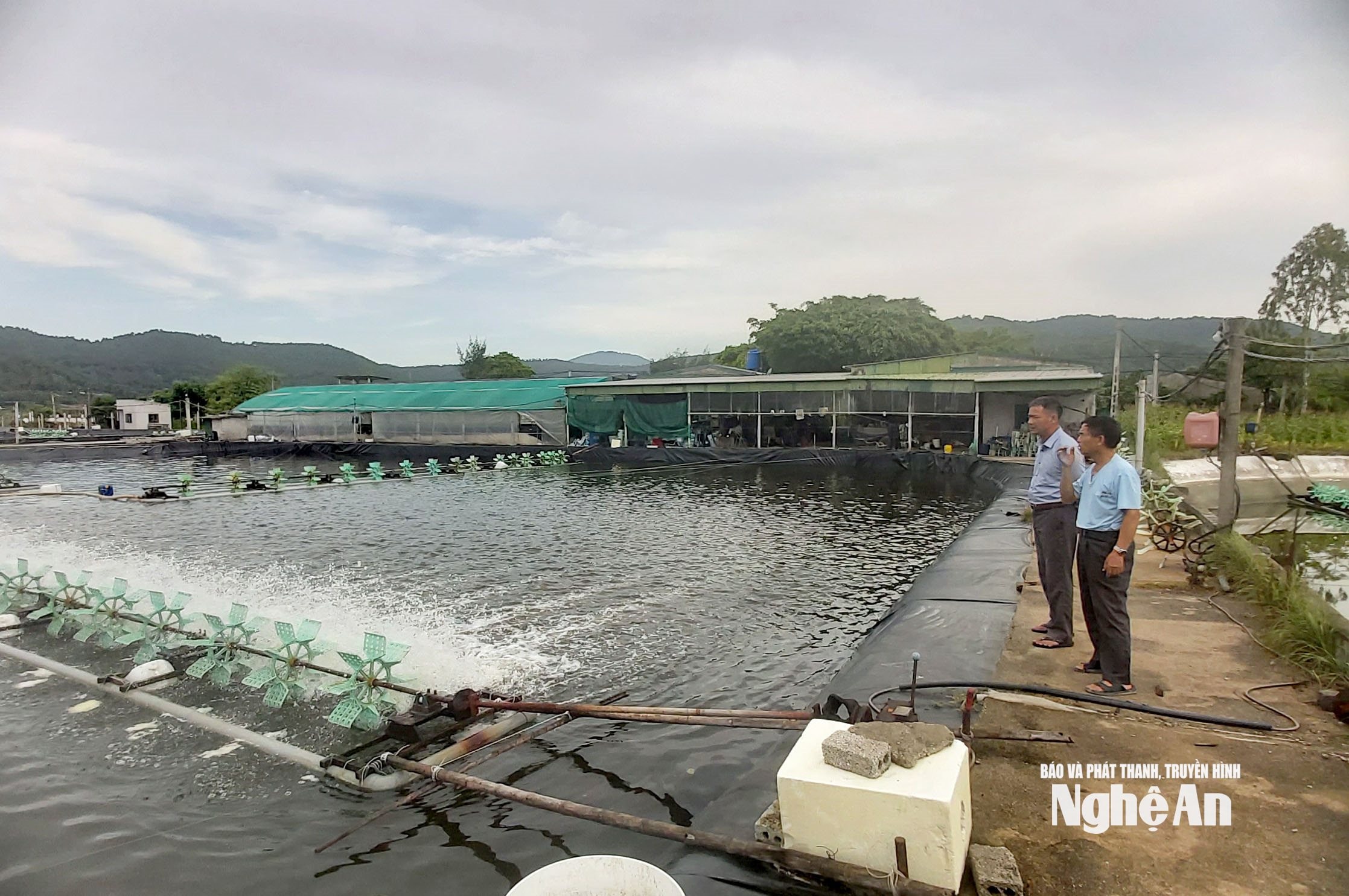
According to data from the Department of Livestock and Veterinary Medicine, from the beginning of 2026 to the present, shrimp diseases have appeared in 87 ponds with a total affected area of 28.82 hectares, mainly concentrated in farming areas in various localities. The most common diseases are white spot disease and diseases arising from environmental factors, which reduce the shrimp's resistance.
This situation indicates that the risk of disease outbreaks in shrimp farming remains complex, requiring farmers to strengthen pond environment management, adhere to technical procedures, and proactively implement disease prevention and control measures.
Solutions are needed for operating the seawater supply system.
According to Mr. Ho Dang Tam, the cooperative receives 87 million VND annually from the government for irrigation fees. The funds from 2025 were used by the cooperative to operate a project to build a seawater supply system for shrimp farming according to VietGAP standards, sufficient to serve over 20 hectares of shrimp farms during the winter season.
Thanks to a reliable water source, shrimp diseases decreased significantly during the recent winter crop season, with over 80% of the farming area yielding profits. This is considered clear evidence of the effectiveness of using clean water in industrial shrimp farming.
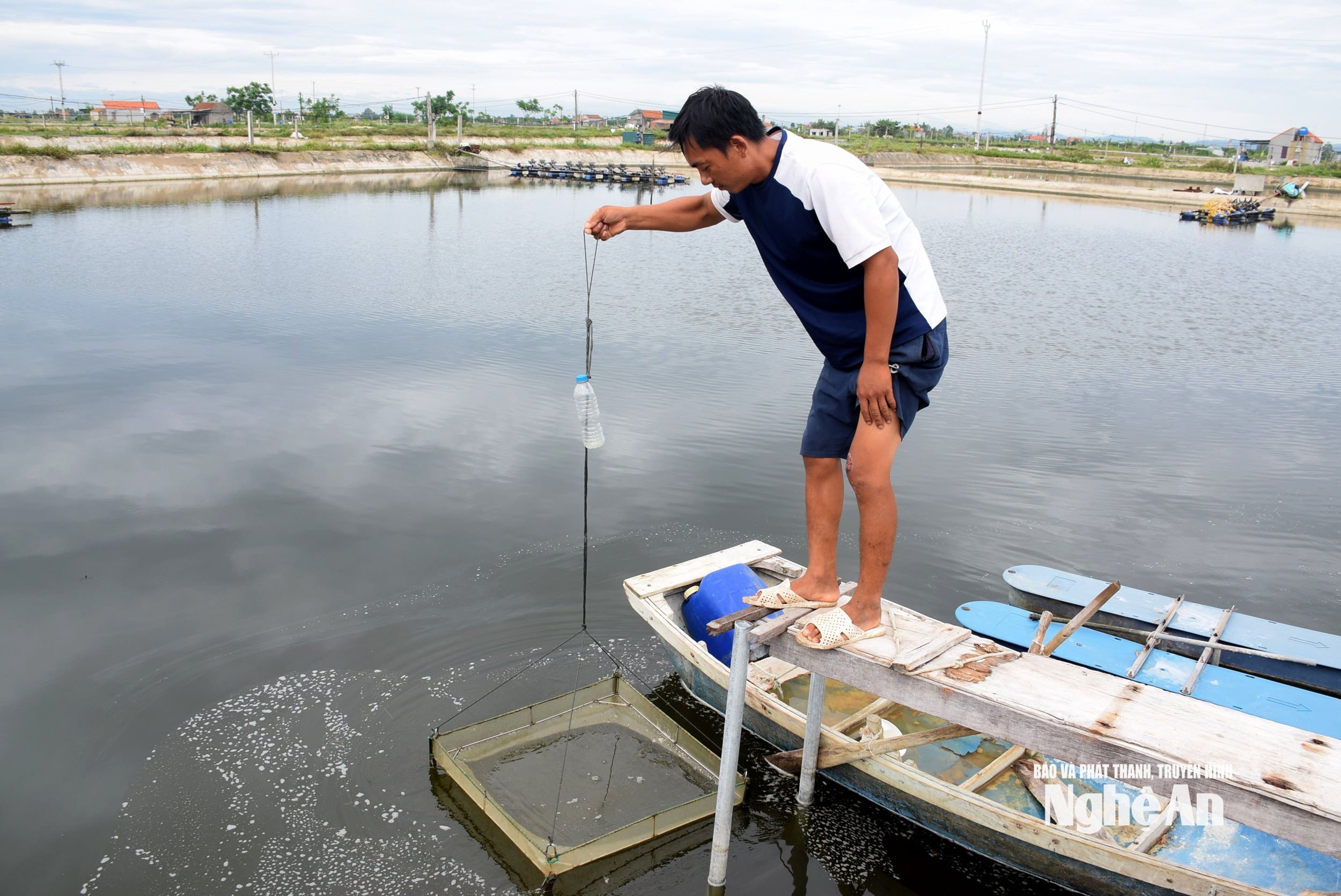
However, entering the main farming season with an area of over 200 hectares, the annual irrigation fee subsidy from the province is insufficient to meet the needs of supplying seawater to the ponds, while the irrigation fee for 2026 has not yet been allocated. The cooperative has proposed mobilizing additional contributions from shrimp farmers to maintain the system's operation, but the shrimp farmers have not yet agreed.
With rising costs for feed, breeding stock, and electricity, many households are hesitant to continue contributing to the water system's operation. However, continued reliance on the polluted Mai Giang River water increases the risk of disease outbreaks and could lead to even greater losses.
Shrimp farmers understand this, but achieving consensus requires a transparent and rational operating mechanism, as well as the coordinated involvement of local authorities, cooperatives, and the people. If these issues are not resolved soon, the seawater supply project, which was invested in with the expectation of serving sustainable shrimp farming development, risks being wasted.
Discussing this issue, Mr. Ho Quang Tuan, Vice Chairman of the People's Committee of Quynh Anh commune, stated that the use of water from the Mai Giang River for shrimp farming poses many risks due to water pollution. Therefore, in addition to the state's financial support from irrigation fees to operate the project to build a seawater supply system for industrial shrimp farming according to VietGAP standards, farmers also need to contribute more to maintain the system's operation.
"The Quynh Bang General Agricultural Cooperative needs to promptly propose that the commune organize a meeting to discuss solutions with shrimp farmers, in order to find a suitable way to resolve the issue and avoid wasting investment in the project," Mr. Tuan said.
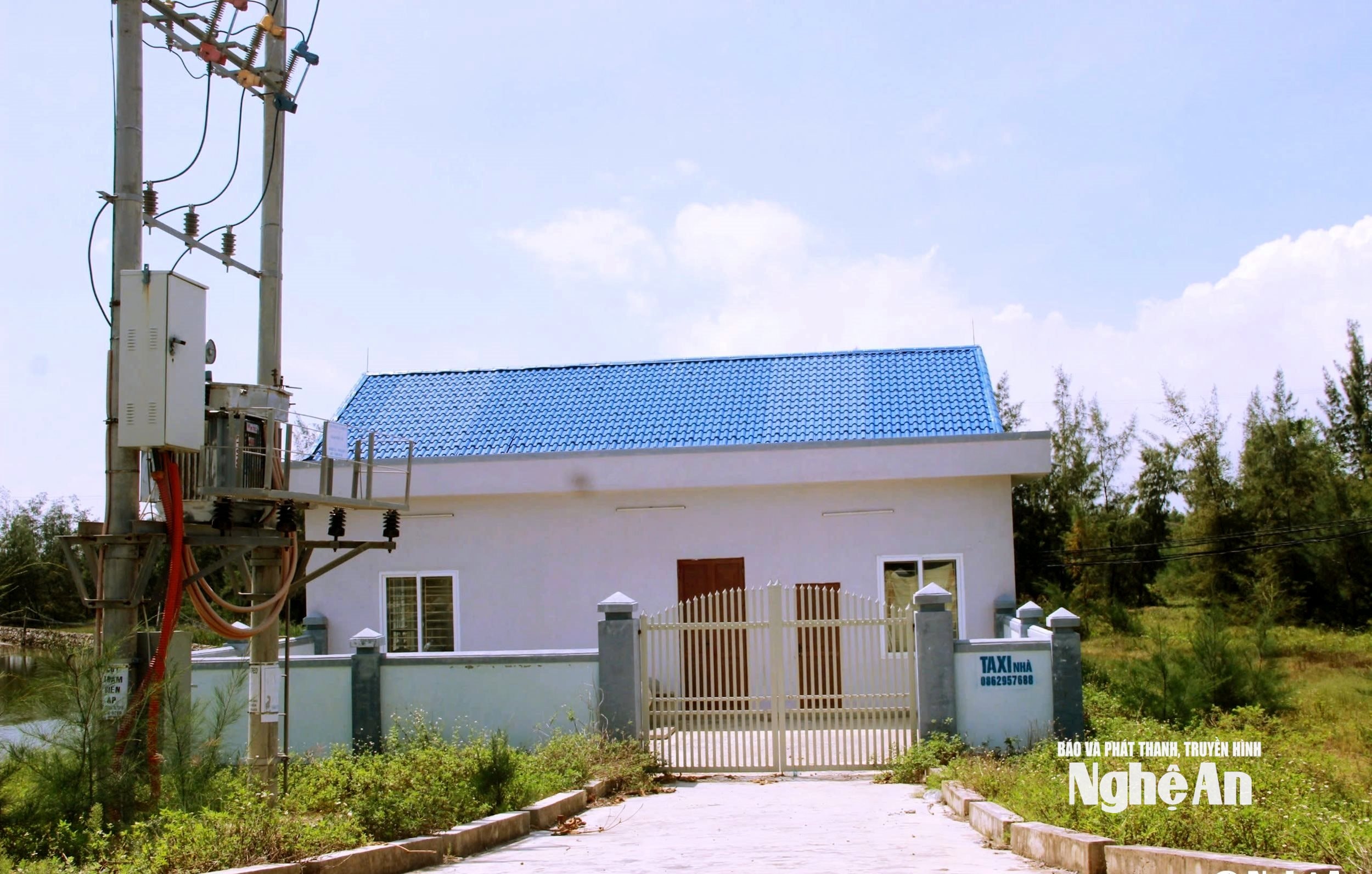
Mr. Le Van Huong, Deputy Head of the Fisheries and Aquaculture Inspection Department, stated: Given the current water quality in many canal systems, which does not meet environmental requirements for shrimp farming, investing in the construction of a direct seawater supply system for farming areas is absolutely essential. Therefore, the project to build a seawater supply system for shrimp farming according to VietGAP standards in Quynh Anh commune is of particular importance to the sustainable development of brackish water shrimp farming in the area.
According to Mr. Huong, the key point of the project is that the water is drawn directly from the sea and channeled straight into the aquaculture area, minimizing the risk of pollution compared to drawing water through irrigation canals in the fields. The project in Quynh Anh commune has now been handed over to the local government for management. This requires the commune government to quickly develop a suitable operating plan to ensure the long-term effectiveness of the project. Mr. Huong emphasized that when the State has invested in infrastructure and provides annual irrigation fee support for operation, the people, who are the direct beneficiaries, also need to raise their awareness and contribute financially, sharing responsibility to ensure the project operates stably and sustainably.
In reality, sustainable industrial shrimp farming depends not only on farming techniques and broodstock but also on good environmental and water quality control. In many successful farming areas, separating the water supply and drainage systems and using clean water sources has significantly reduced the risk of disease outbreaks, increased productivity, and improved economic efficiency.
The project to build a seawater supply system for industrial shrimp farming according to VietGAP standards in Quynh Anh commune was invested in by the State starting in early 2021, with a total investment of 60 billion VND. By the end of 2024, the project was completed, with the main components including: land clearance; pumping system (including suction and supply); power lines; operation building; canals and reservoirs.


