
Lack of clean water - a pressing issue for people in the flood-affected areas of western Nghe An province.
Following days of torrential rains and floods that swept through the western communes of Nghe An province, the lives of thousands of households have yet to return to normal. As the floodwaters receded, instead of breathing a sigh of relief, people in the flood-stricken areas faced a new challenge: a severe shortage of clean water in many villages.
In late July, heavy rains and floods left devastating consequences in the communes of Tuong Duong, Tam Quang, Nhon Mai, My Ly, Muong Tip, and others. Many houses were submerged in mud and soil, property was swept away, and roads suffered serious damage. Among these, the shortage of clean water is the most pressing issue, directly impacting the lives of the people.
.jpg)
In Mac village, Tuong Duong commune, Mr. Luong Van Kiem shared: “When my family returned after the flood, all our belongings were covered in mud. The biggest difficulty right now is not food, but clean water. Without water for bathing, washing, and cleaning, life has been completely disrupted. The village's water supply infrastructure is buried under debris, and all the pipes are damaged. We only hope that the authorities will fix the problem soon so we can have water to use.”
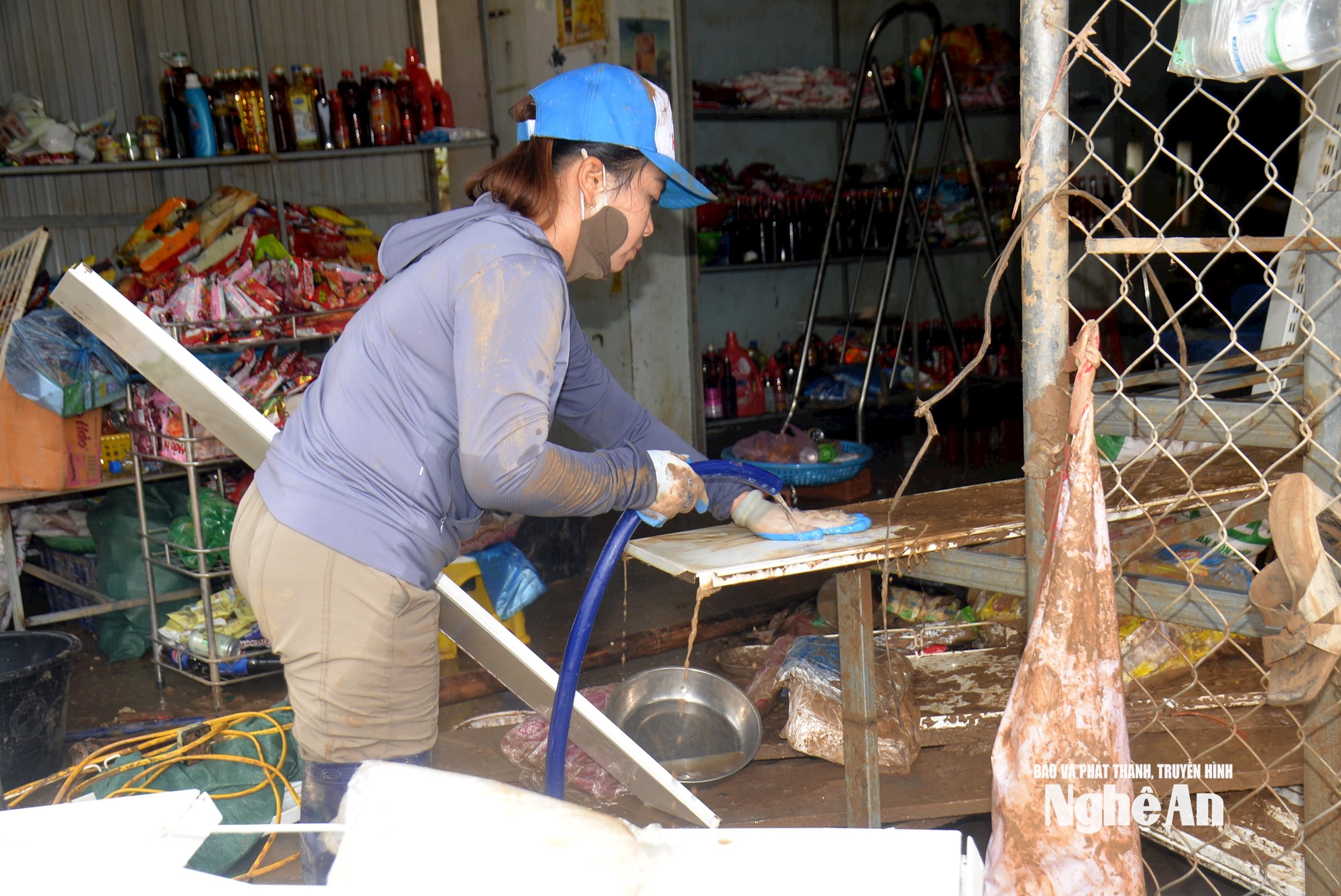
In reality, the majority of households in Mac village lack access to clean water. Although damaged items have been moved out of the house, the lack of water prevents them from cleaning properly.
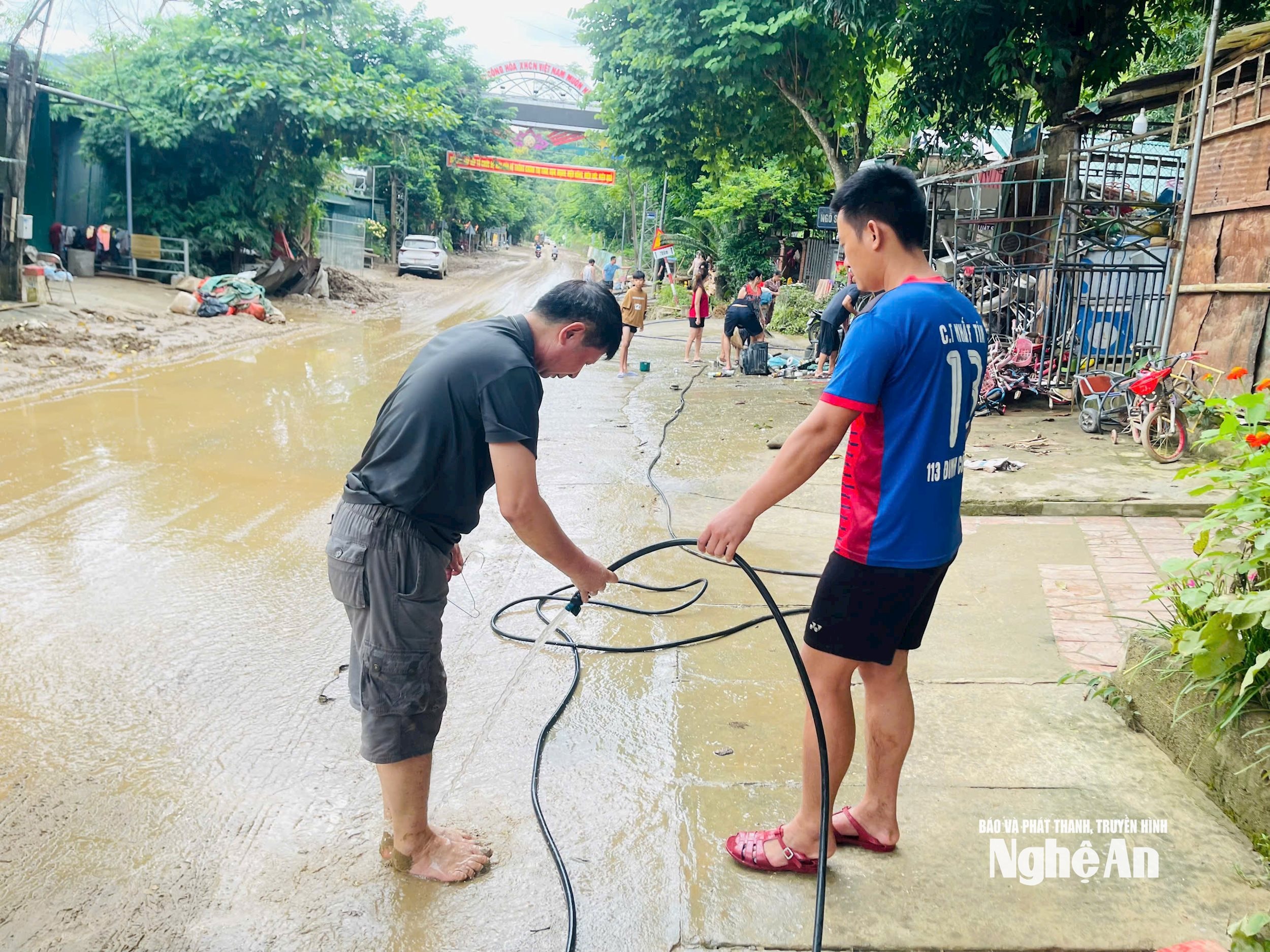
Ms. Luong Thi Hien, Head of the Economic Department of Tuong Duong commune, said that currently in Lau village, Nhan village, and part of Mac village, more than 100 households are facing a serious water shortage. The gravity-fed water systems are severely damaged. The local authorities are trying to fix the problem, but the water pressure is weak and there are no chemicals like alum available to help the residents.
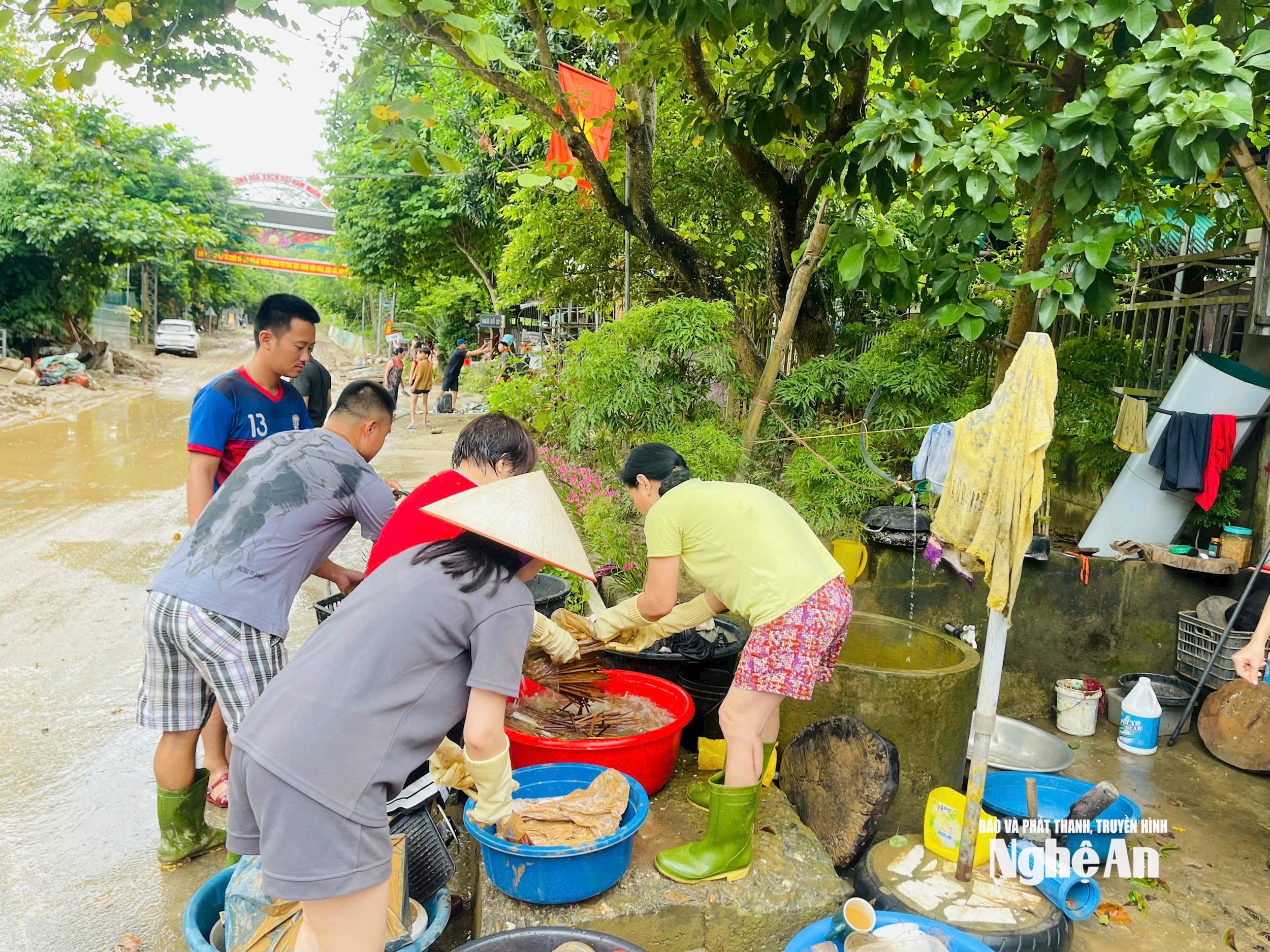
Not only in Tuong Duong commune, but also in many residential areas along streams and rivers in Con Cuong commune, a similar situation is occurring. The piped water system has not yet been restored, while water tanks and individual wells are severely damaged. Drinking water has become a "precious asset," and many households have to beg for water in small containers from makeshift sources, posing a potential risk to hygiene.
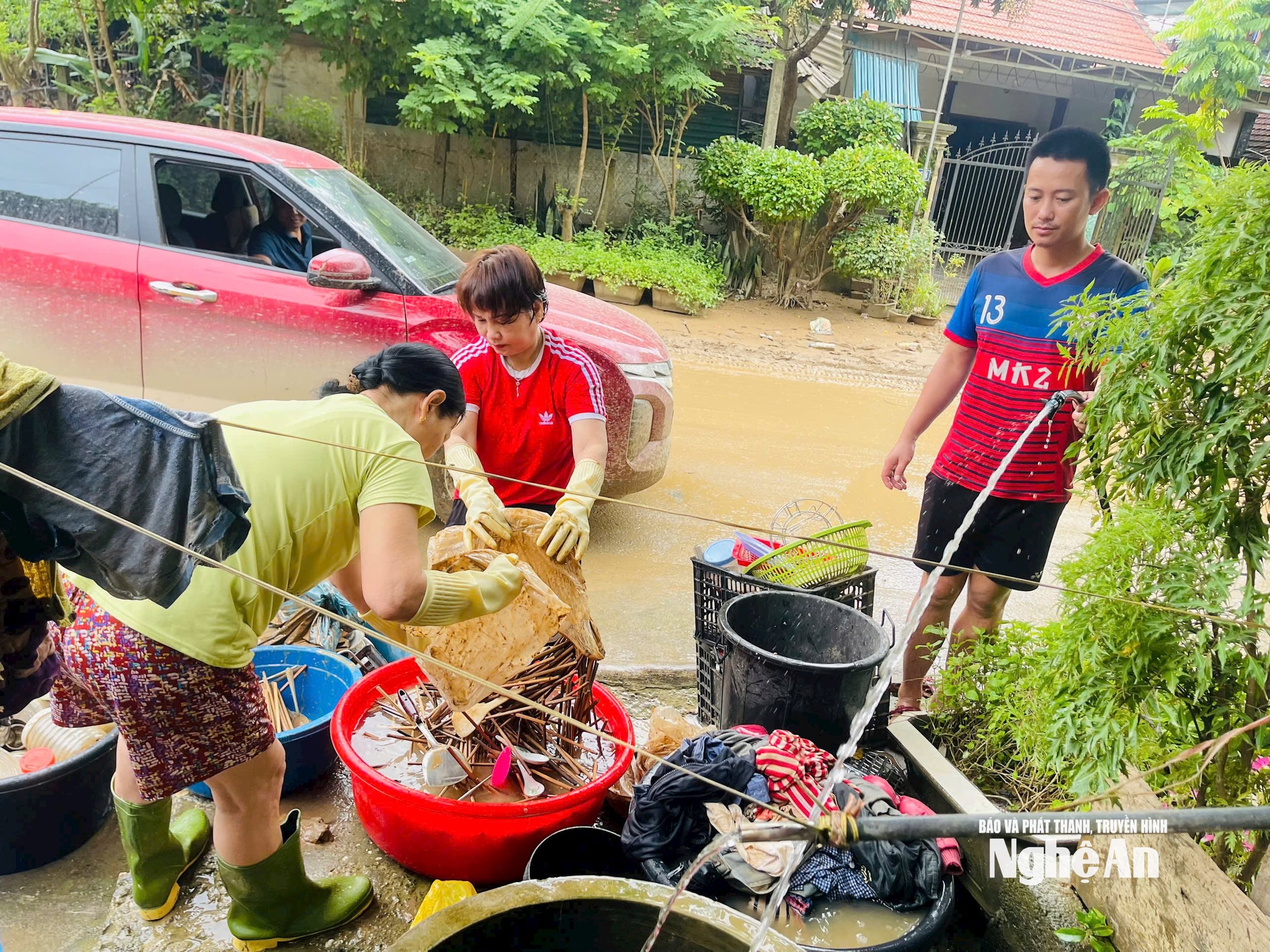
Observations at many flood-affected areas show that mud, soil, and stagnant water have formed large puddles, mixed with garbage and discarded household items. This creates an environment conducive to the growth of bacteria and pathogens. The lack of water has hampered cleaning, disinfection, and environmental sanitation efforts. This situation is particularly severe in crowded areas such as Hoa Binh Market (Tuong Duong commune).
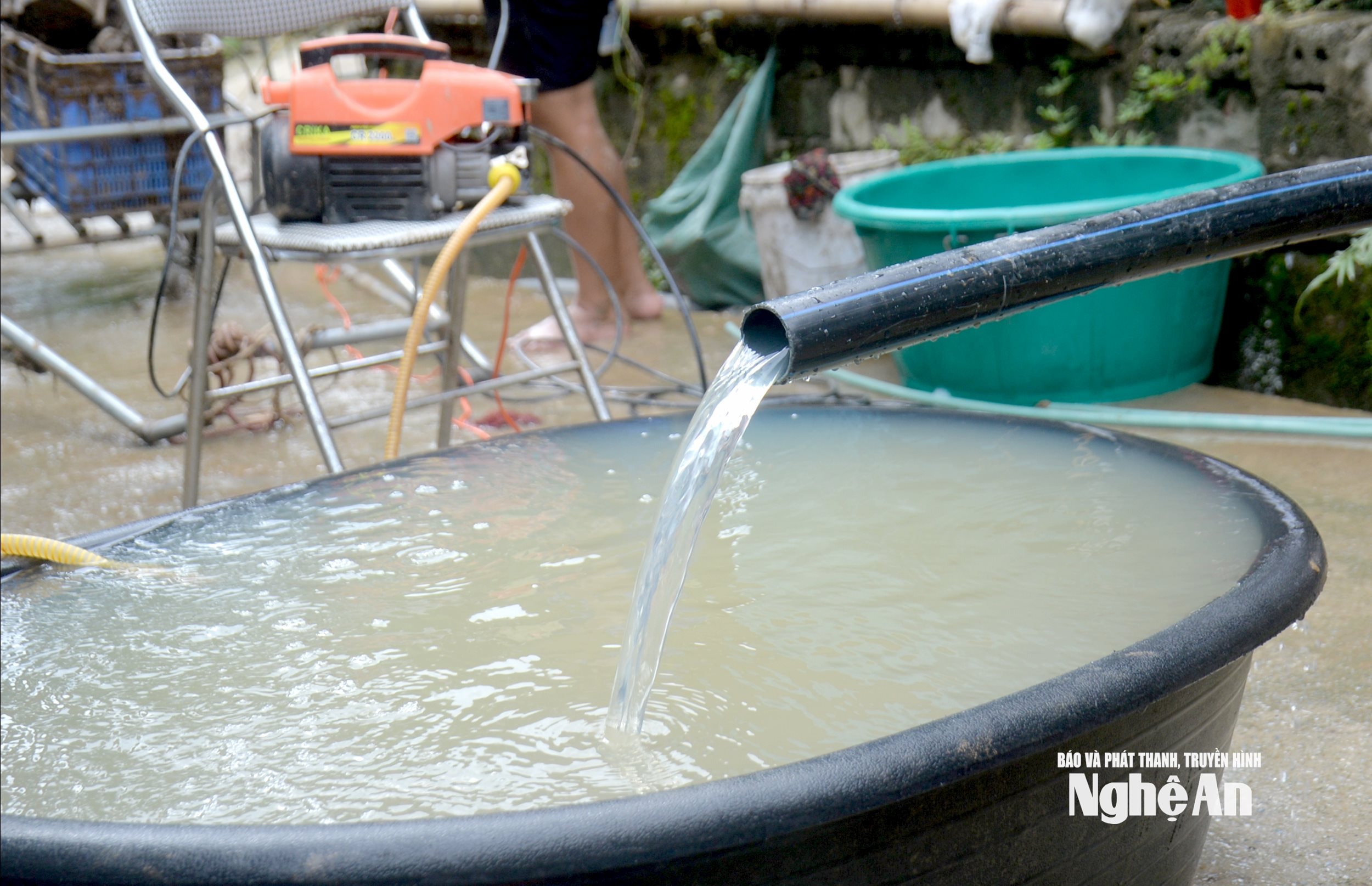
According to initial statistics from the Steering Committee for Disaster Prevention and Search and Rescue in Nghe An province, thousands of households in the province are facing a shortage of clean water. Many schools and health centers are paralyzed due to the lack of water to maintain operations.
Our observations show that water supply units are currently continuously transporting water trucks and tanks to residential areas. Accordingly, people are using containers that can hold water to carry it home for use. However, this is only a short-term solution to address the drinking water problem.
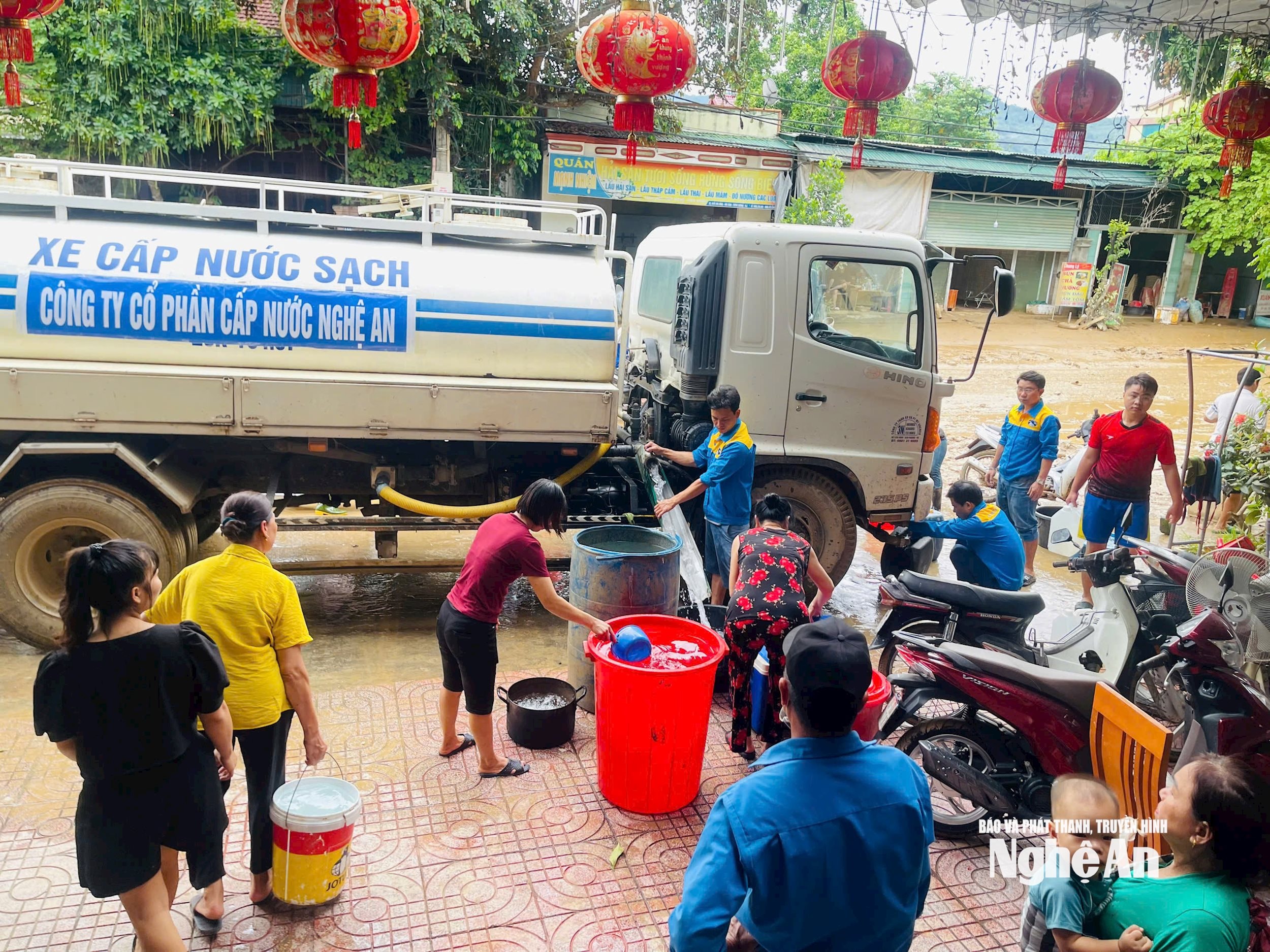
While awaiting long-term solutions, many charitable organizations, the Red Cross, and local youth unions have promptly deployed support to provide clean water, delivering thousands of barrels of purified water to flood-affected residents. However, due to the still-disrupted transportation infrastructure in many areas, access and support remain difficult, and relief resources are still very limited.
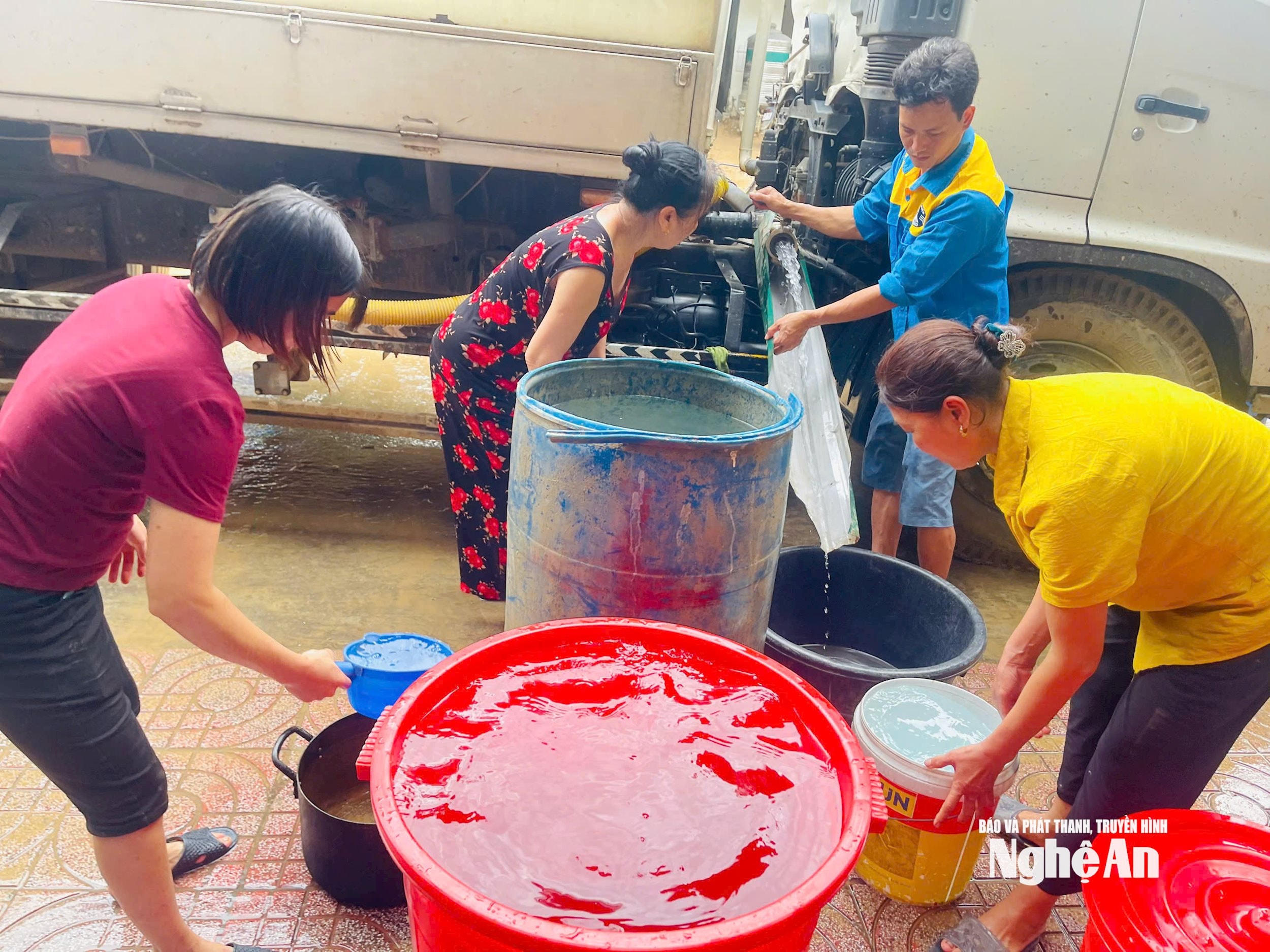
The problem of providing clean water after the floods is becoming a major challenge for localities in western Nghe An province.


