
Nghe An's transportation sector faces difficulties due to driver shortage.
A driver shortage is occurring across many types of transportation in Nghe An province, from passenger buses and taxis to heavy trucks, tractor-trailers, and container trucks. Many businesses are constantly advertising job openings but still struggle to find suitable candidates, while requirements for experience, health, and professional qualifications are becoming increasingly stringent. This is becoming one of the bottlenecks in transportation operations.
Businesses are desperately searching for drivers.
Recently, job postings for drivers have been appearing more and more frequently on recruitment channels of transportation companies in Nghe An. Notably, the demand is concentrated not only for bus and taxi drivers but also for drivers of large trucks, tractor-trailers, and container trucks – positions that require high-level driver's licenses, experience, and frequent long-distance travel.
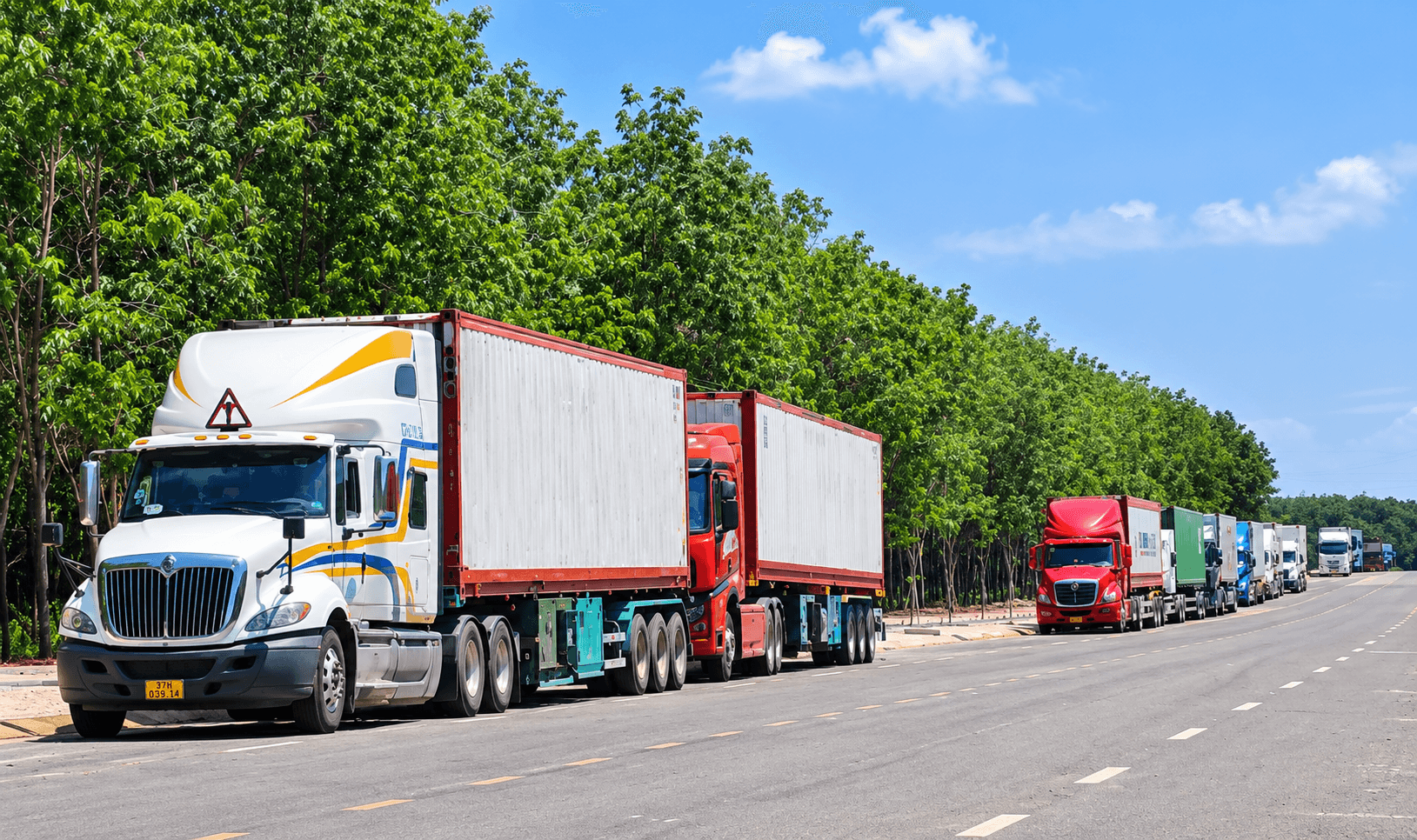
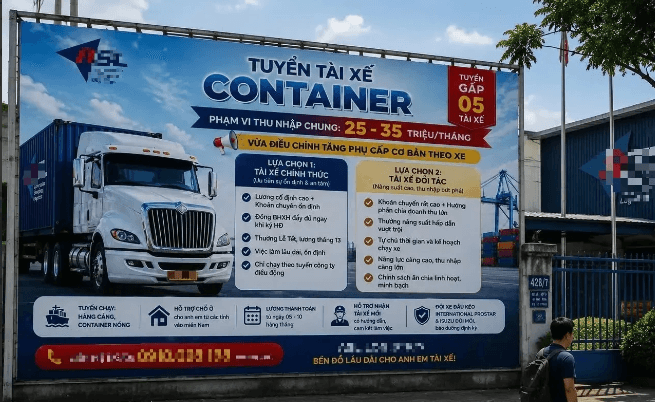
At Tan Khoa Thinh Trading & Service Transport Co., Ltd., the need for truck drivers is becoming urgent. The company is continuously seeking workers with a Class FC driver's license, good health, and experience driving on Vietnam-Laos routes. To attract personnel, the company has increased salaries, added benefits and allowances, and committed to stable, long-term employment. However, to date, the company has not yet met its recruitment needs.
The company currently transports various types of goods on the Nghe An - Laos route and vice versa, including heavy goods, containers, ore, and items used in production, export, and import. While vehicles have been invested in, a shortage of drivers is affecting the operational efficiency of the fleet. This is a problem the company is trying to solve in the context of an increasingly scarce supply of experienced drivers.
According to the company representative, the main reason lies in the specific nature of the job. Drivers of this type of vehicle have to drive long distances, are often away from home, work on routes through border crossings, and require experience in handling many situations on the road. Therefore, there is a shortage of workers who simultaneously meet the requirements for driver's licenses, experience, and health.
The Nghe An Urban Environment and Construction Joint Stock Company currently has approximately 100 vehicles, including more than 20 large trucks and specialized vehicles for transporting waste to collection points. These vehicles directly serve environmental and urban activities, requiring drivers to possess appropriate licenses and experience.
According to Mr. Pham Huu Thang, Head of the Organization and Administration Department of Nghe An Urban Environment and Construction Joint Stock Company, recruiting drivers, especially those capable of operating large vehicles and specialized vehicles, is facing many difficulties. Notably, the income for this position is currently among the highest in the company's workforce, yet it is still not enough to attract workers.
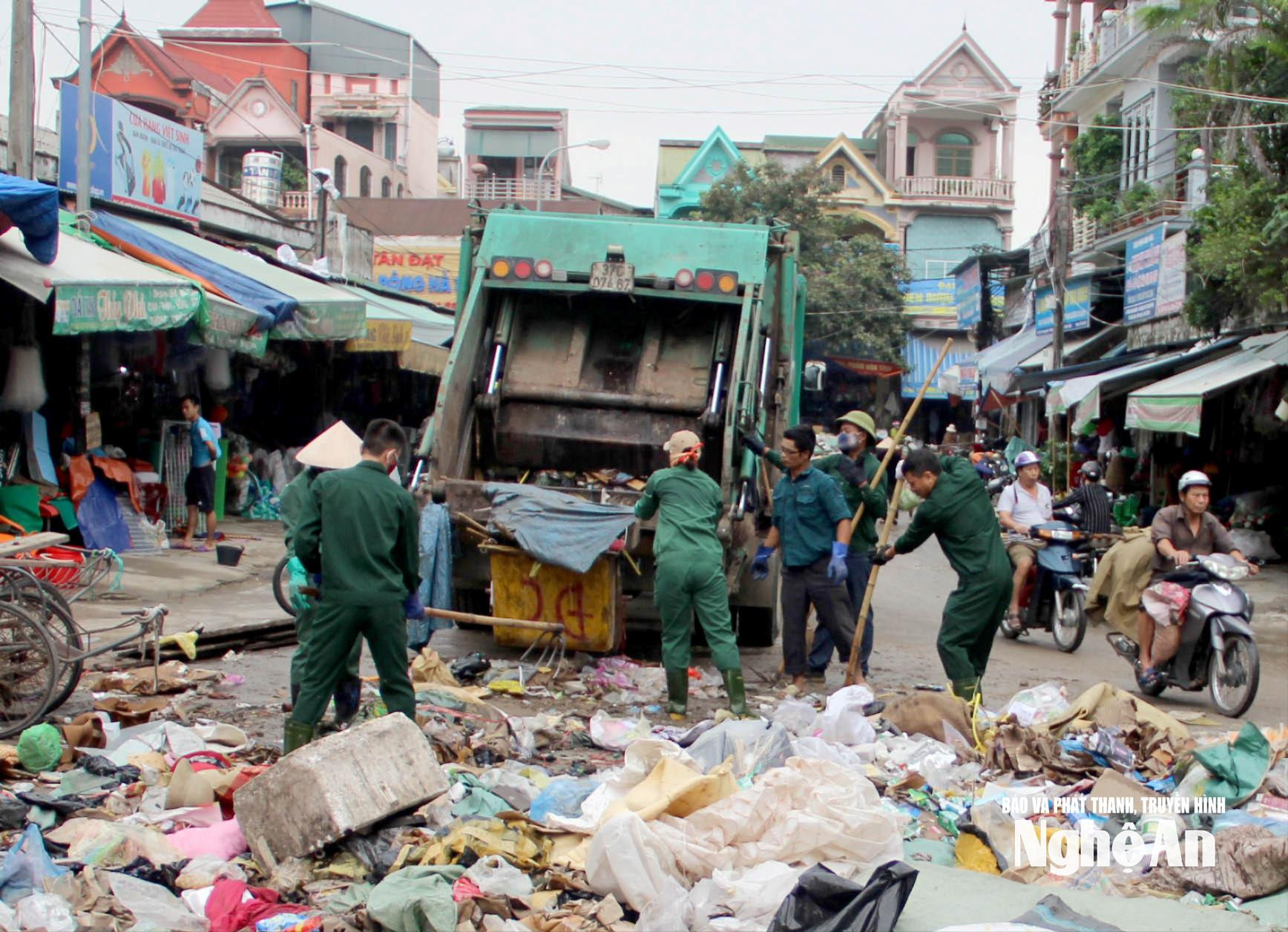
This is a worrying issue during stormy seasons, when the workload for environmental management and urban sanitation increases significantly, requiring the simultaneous mobilization of many vehicles. A shortage of drivers forces businesses to flexibly reallocate and redeploy vehicles and personnel to ensure work is completed. Therefore, the problem of recruiting drivers not only affects the business's operations but also directly impacts its ability to meet sanitation and environmental tasks in the area.
Not only freight transport, but the passenger transport sector is also facing a severe shortage of drivers. Van Xuan Taxi is one of the companies that regularly posts job openings for drivers in Nghe An. According to the company, recruitment is ongoing but still cannot meet the operational needs.

The constant need to recruit but the difficulty in filling the workforce shows that the taxi driving profession is facing significant competition from many other job options. Workers now have the option of working in industrial zones, going abroad for work, or switching to other professions with more stable working hours.
From the perspective of a former taxi driver, Mr. Nguyen Trung Quan, residing in Truong Vinh ward, said that the job is very stressful, especially having to frequently drive at night, stay up late, and sometimes even sleep in the car. Meanwhile, the number of customers and income are unstable. There are times when customers have consumed alcohol, losing control of their behavior, which can easily lead to conflicts.
According to Mr. Quan, competition with ride-hailing companies makes it increasingly difficult for traditional taxi drivers to earn a high income. Besides the pressure of customer demand, drivers must strictly adhere to regulations regarding safety, passenger capacity, and transportation operations. These requirements are necessary, but they also make the job more demanding and responsible.
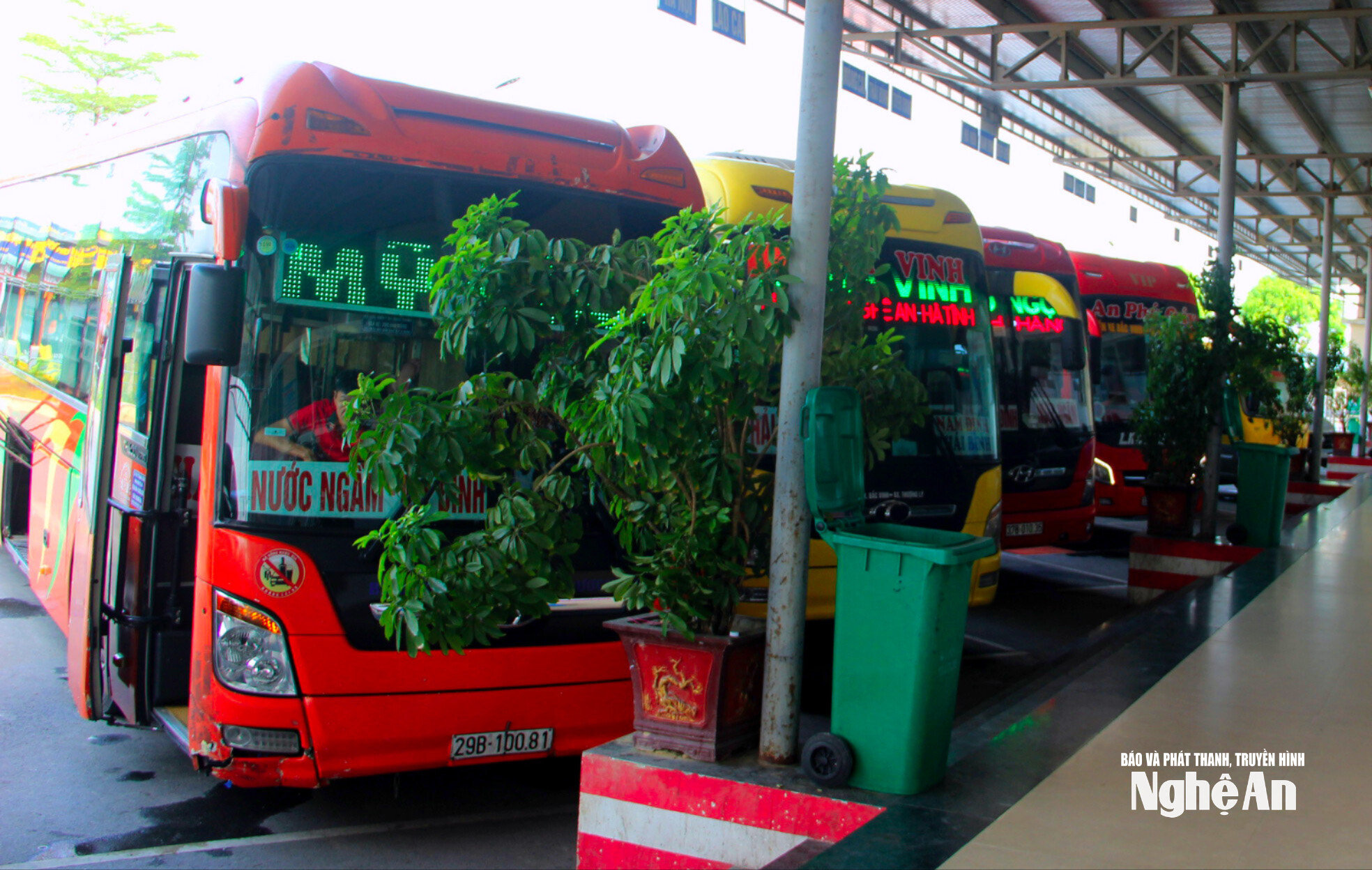
These pressures have forced some drivers to consider leaving the profession. For newcomers, the driving profession is no longer as attractive as before, as they have to meet many requirements regarding driver's licenses, health, working hours, and safety responsibilities.
From long-haul tractor-trailer trucks to urban taxis, each type of service has its own unique characteristics but shares a common problem: difficulty in finding and retaining drivers. As more vehicles are invested in but the workforce fails to keep pace, the operational capacity of businesses is also affected.
Find ways to adapt
According to Mr. Nguyen Xuan Dat, Vice Chairman of the Nghe An Automobile Transport Association, the shortage of drivers is a major concern for many transport businesses. The association currently has approximately 100 transport units and businesses in the province, and at meetings, the difficulty in recruiting and retaining drivers is frequently reported by these units, ranging from taxis and passenger buses to heavy trucks and tractor-trailers.
According to Mr. Dat, the labor market for truck drivers is facing competition from many other professions. Some workers are shifting to industrial zones or going abroad for work, while truck driving jobs are characterized by frequent travel away from home, irregular working hours, and high pressure. For heavy trucks and tractor-trailers, the experience requirements further narrow the recruitment pool, as businesses need skilled drivers familiar with long routes and capable of handling unforeseen situations.
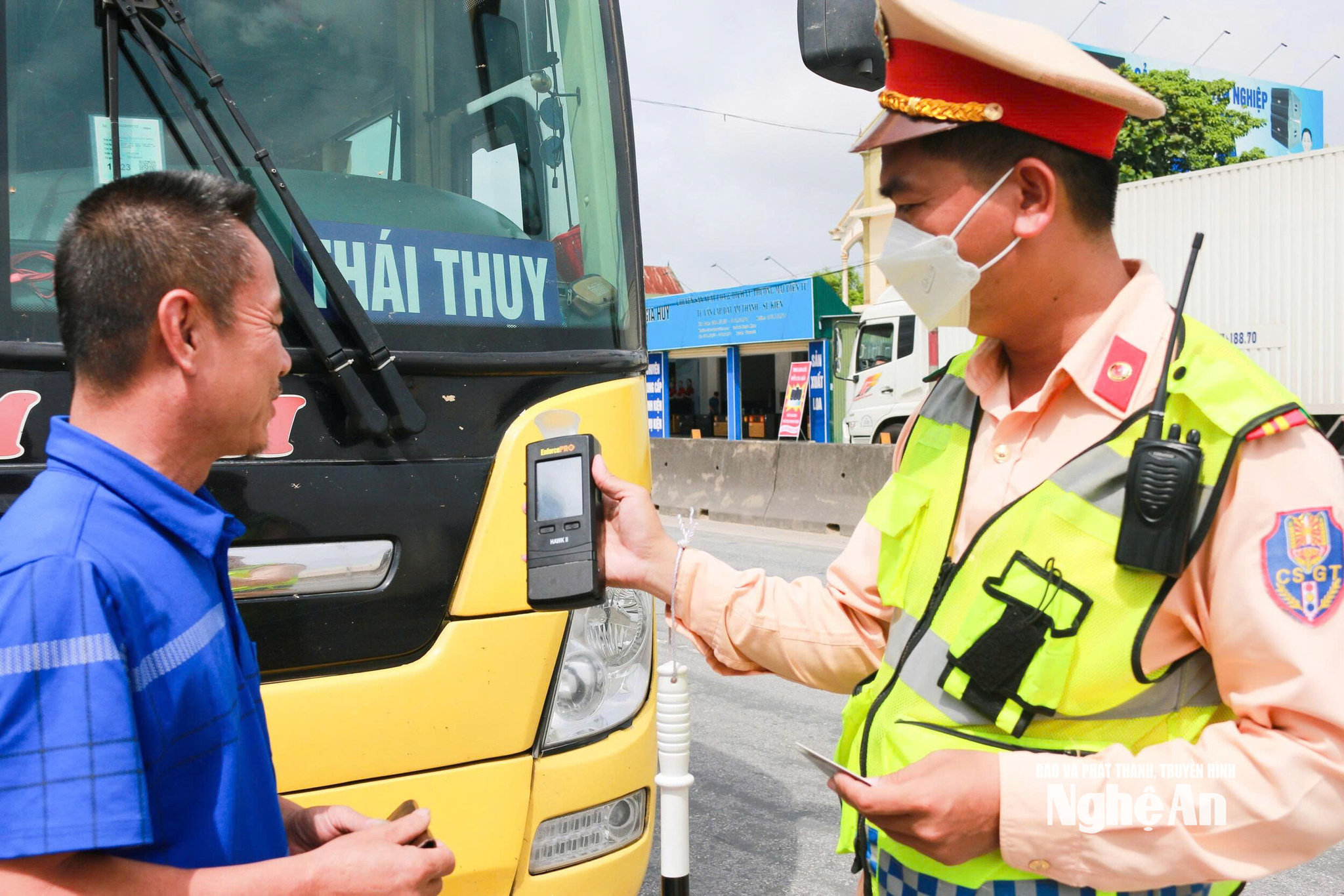
"Through the meetings, almost every unit reported a shortage of drivers. This is no longer a difficulty unique to a few businesses, but is becoming a common problem in the transportation industry," Mr. Dat emphasized.
From a state management perspective, Mr. Tran Anh Tuan, Head of the Transport Management Department of the Nghe An Department of Construction, stated: The current shortage of drivers is a common problem for the transportation industry nationwide. However, compared to localities with very large transportation scales such as Hanoi, Ho Chi Minh City, Hai Phong, or areas with large port systems, the human resource needs of businesses in Nghe An are lower, and basically, businesses are still striving to adapt.
However, human resource shortages are a common problem today. According to Mr. Tuan, the long-distance truck driving profession has unique characteristics that make attracting workers difficult. Drivers often have to work at night, for extended periods, and endure pressure from traffic, time constraints, and physical strain. Meanwhile, traffic safety regulations are becoming increasingly stringent, and the responsibilities of drivers are also greater.
Another issue is the limited supply of drivers with higher-level driving licenses. Nghe An currently has 11 driving schools, but only 2 of them offer training for higher-level licenses. This is a crucial source of drivers for the market, especially those serving heavy cargo transport.
The driver shortage in Nghe An is also part of a general trend in the road transport industry nationwide. In early 2026, the Vietnam Automobile Transport Association reported that many businesses were having difficulty recruiting drivers for tractor-trailers, passenger buses with over 30 seats, and sleeper buses, while the supply of high-level drivers did not meet demand.
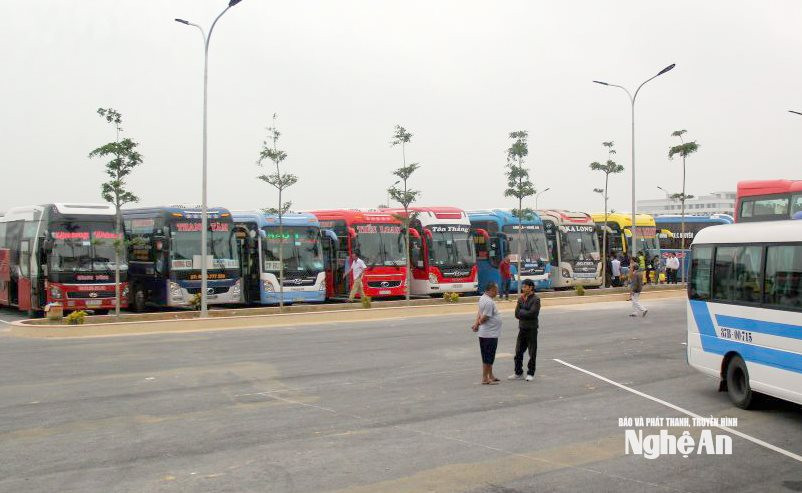
To adapt, transport businesses not only need to increase recruitment but also improve income, benefits, and working conditions to attract and retain drivers. In the long term, maintaining a training and testing system that meets actual needs, especially for licenses required for heavy transport vehicles, also needs to be prioritized.
With the increasing demand for freight and passenger transportation, the issue of human resources is no longer just a concern for individual businesses. Proactively building a pool of drivers and creating conditions for employees to stay committed to the profession will be a crucial factor in helping the transportation industry in Nghe An maintain its service capacity and better meet the requirements of production, trade, and logistics development in the area.


