
ThinkPad T14s Gen 7: An advance in portability, but not a breakthrough in performance.
Lenovo has just refreshed its ThinkPad T14s Gen 7 line, weighing only 1.2kg and significantly narrowing the gap with the high-end X1 Carbon series. Despite improved portability, this laptop model has sparked controversy due to perceived declines in graphics performance.
Within Lenovo's business laptop ecosystem, the ThinkPad T14s has always been positioned as a balance between the standard T14 series and the flagship X1 Carbon. With the latest Gen 7 version, Lenovo has taken a bold step by reducing the weight to a record low, bringing the T14s closer than ever to the ultra-portable segment of the X1 Carbon.
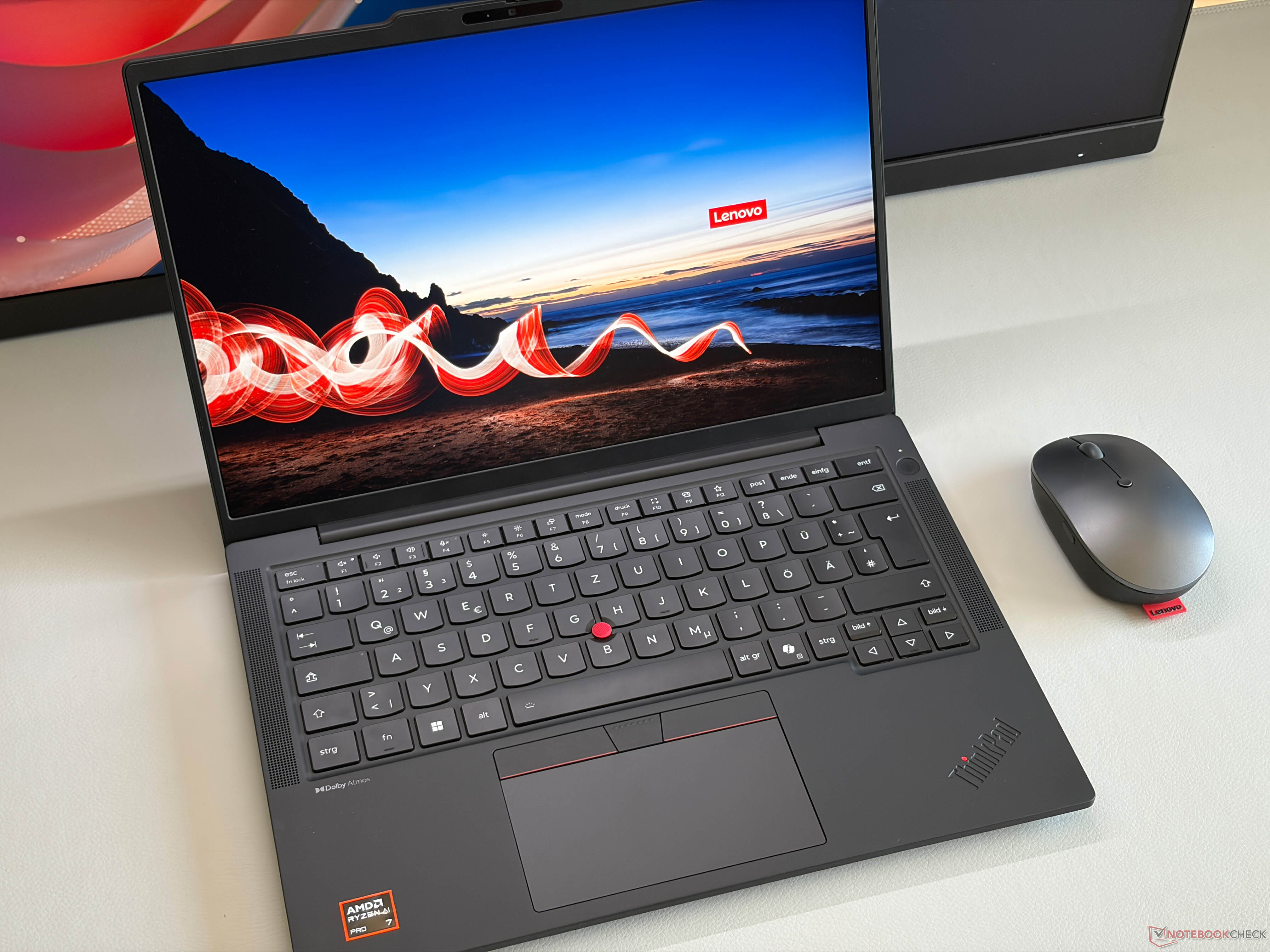
A new position in the ThinkPad product line.
The ThinkPad T14s Gen 7 is currently the most portable model in the T-Series. Weighing in at just 1.2 kg, this AMD-powered version is only about 60 grams heavier than the latest X1 Carbon. This is a significant improvement compared to the standard ThinkPad T14, which weighs nearly 1.5 kg.
However, this slim and lightweight design comes with trade-offs in terms of upgradeability. To achieve optimal size and weight, Lenovo soldered the RAM directly onto the motherboard. Additionally, replacing the battery or keyboard on the T14s Gen 7 is more difficult compared to the flexible modular design of the regular T14 series.
| Characteristic | ThinkPad T14 | ThinkPad T14s Gen 7 | ThinkPad X1 Carbon |
|---|---|---|---|
| Weight | ~1.5 kg | ~1.2 kg | ~1.14 kg |
| Maintainability | Very good (discrete RAM) | Limitations (RAM soldered in place) | Limit |
| Segment | General business | High-end businesses | Ultra-mobile flagship |
Performance analysis: Improved cooling but a step backward in graphics.
Although Lenovo offers both AMD and Intel processor options, the overall performance of the 7th generation doesn't show a significant breakthrough. The only bright spot is the improved cooling system, which helps the Zen 5 CPU cores on the AMD chips maintain more stable multi-core performance.
Notably, graphics performance shows signs of decline. The AMD version, using the Radeon 860M, delivers lower results compared to the Radeon 880M in previous models. A similar situation occurs with the Intel variant, which uses a Panther Lake chip with a low-speed integrated graphics core (iGPU). Meanwhile, the higher-end X1 Carbon series is equipped with an Intel Core Ultra X chip with a powerful Arc B390 iGPU, but the price can reach up to 4,000 Euros.
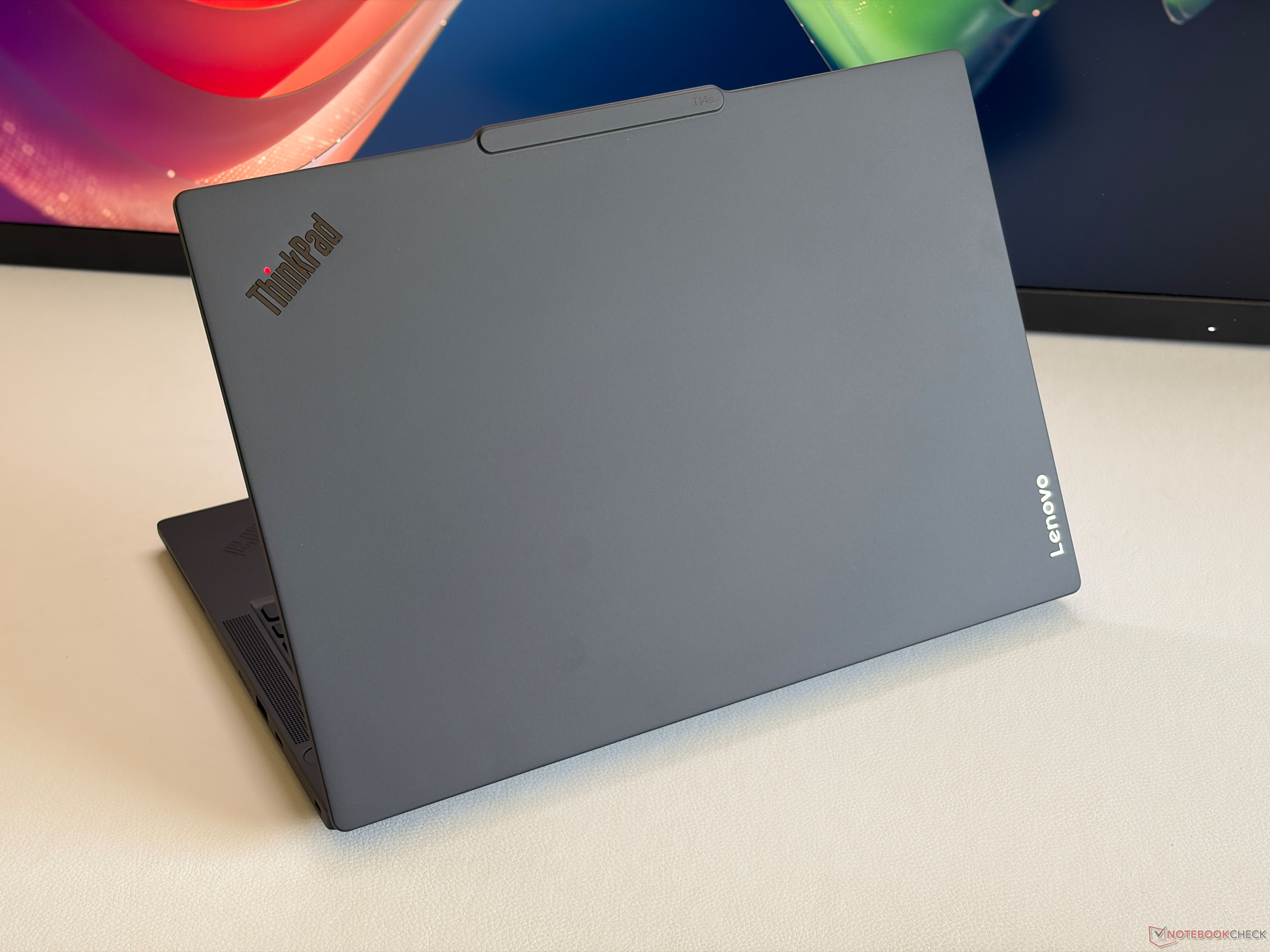
Screen and display options
In terms of display capabilities, the T14s Gen 7 shares many similarities with the X1 Carbon series. Users can choose between a traditional 60Hz IPS display or upgrade to a high-resolution OLED panel with a matte, anti-glare surface and touch support.
In summary, the ThinkPad T14s Gen 7 is a great option for users who prioritize the portability and durability of the ThinkPad line but don't want to pay the high price of the X1 Carbon. However, if your work requires significant graphics power, you should carefully consider the slowdown in iGPU performance in this generation.


