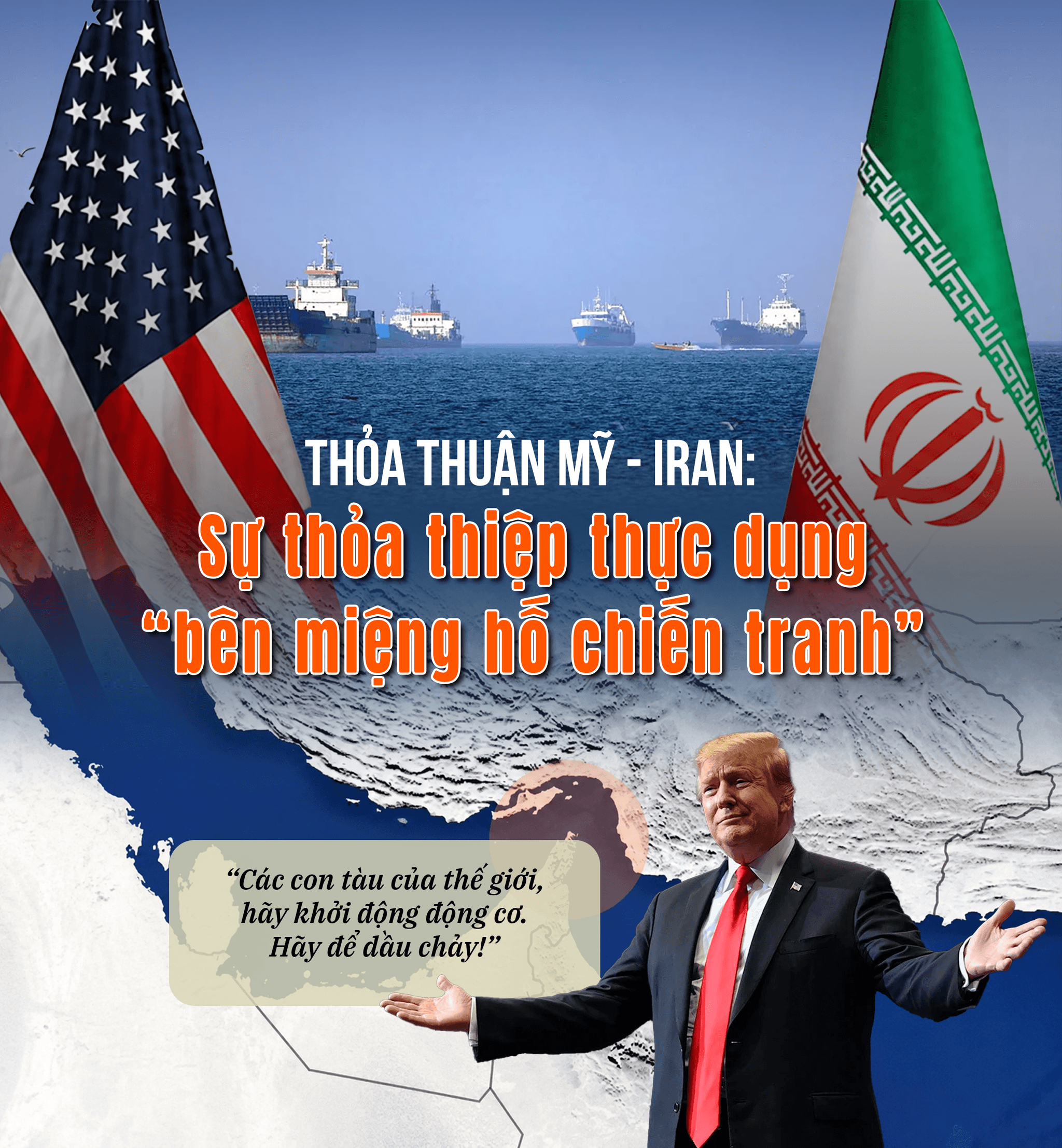
US-Iran Agreement: A Pragmatic Compromise "on the Brink of War"
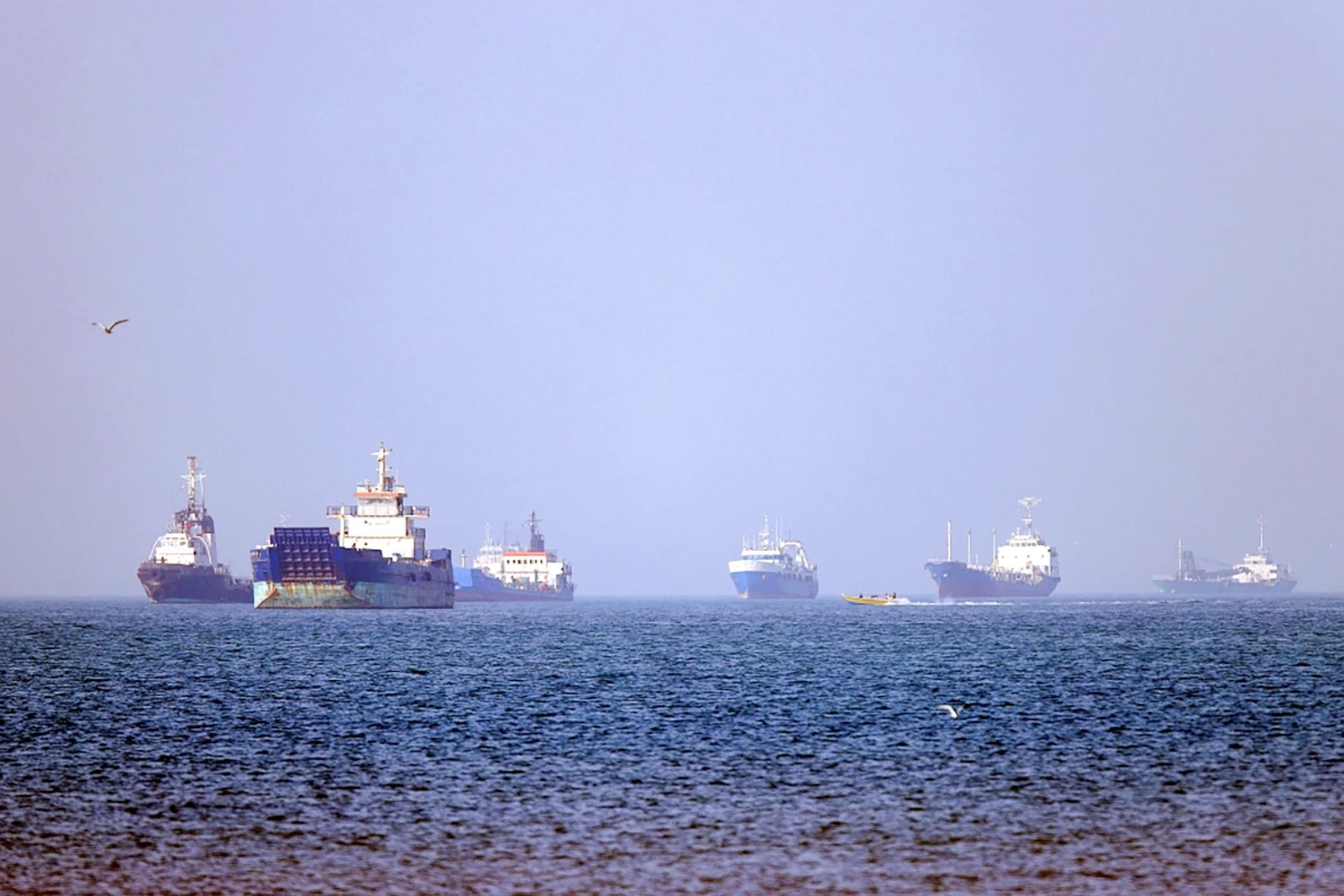
“Ships of the world, start your engines. Let the oil flow!” – This exhilarating status update by US President Donald Trump on the social media platform Truth Social officially brought to a close more than four months of fierce fighting in the US-Iran conflict.
Perform:Huong Giang - My Nga - Huu Quan18/06/2026
“Ships of the world, start your engines. Let the oil flow!” – This enthusiastically posted message by US President Donald Trump on the social media platform Truth Social officially brought to a close more than four months of fierce fighting in the US-Iran conflict. However, even before the official text of the peace agreement was released, this “contract” exposed deep cracks from the outset, due to completely contradictory interpretations from the sides of the conflict.
According to the plan, the official signing ceremony will take place on June 19th in Switzerland, opening a 60-day period for negotiations on a comprehensive peace agreement. However, the world is witnessing a harsh reality: fighting continues in Lebanon, oil prices are plummeting, and each side is formulating its own scenarios for victory.
Looking at the current statements, we can see the appeal of the agreement. The US and Iran are interpreting it in two completely opposite ways.
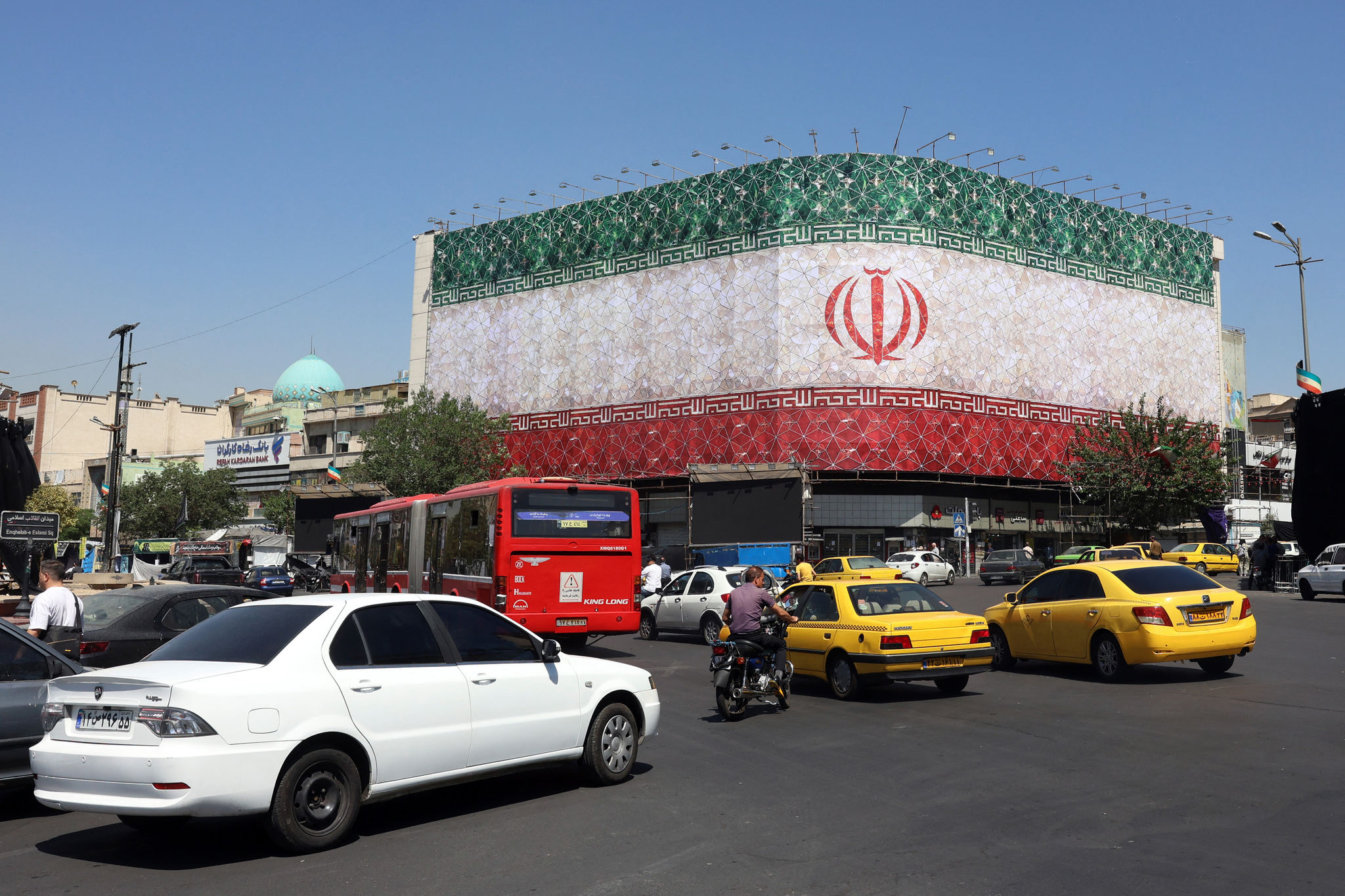
Iran's version: A complete victory.
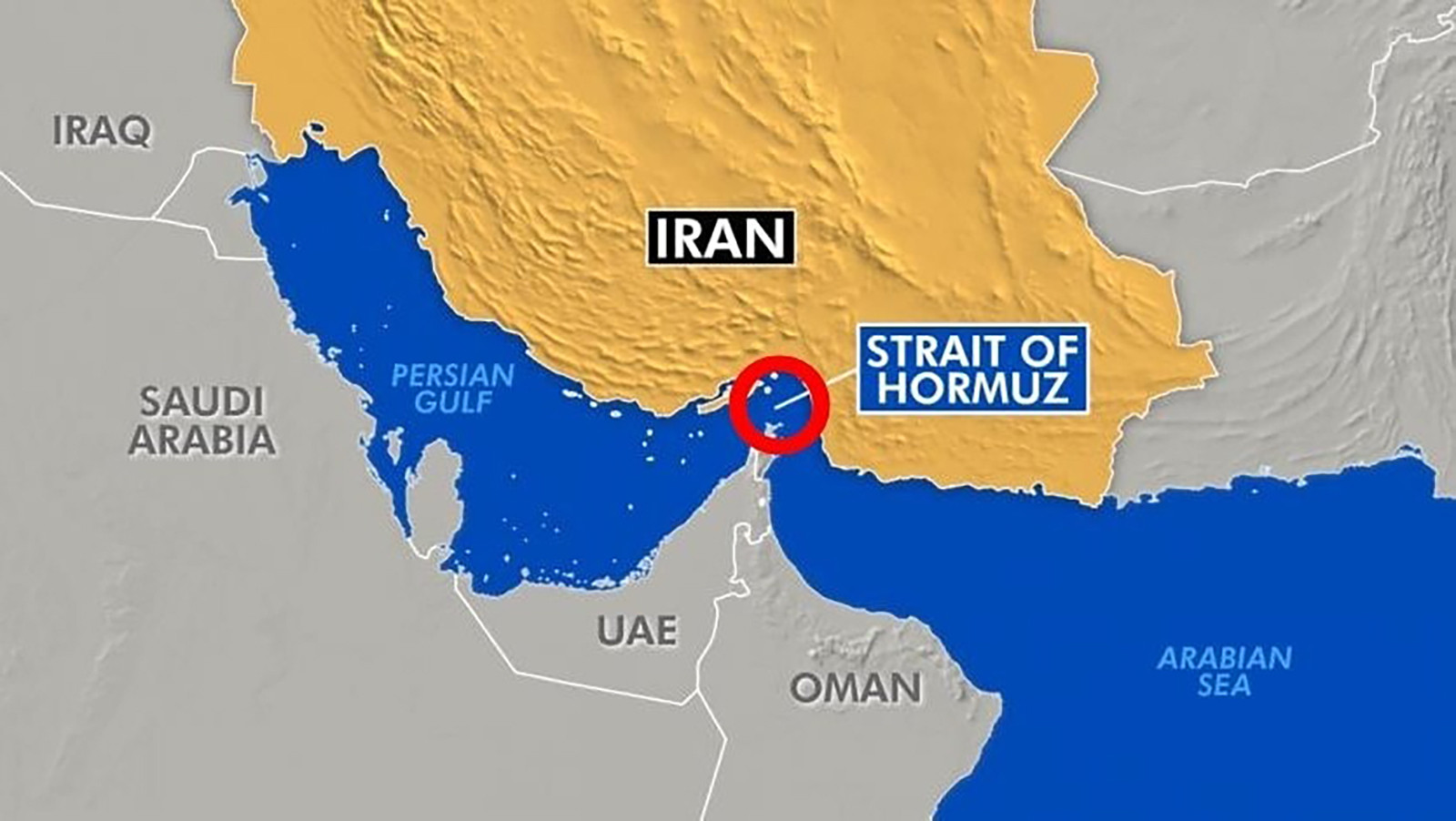
According to Iran's state news agency Mehr, the preliminary agreement offers Tehran maximum benefits with key terms including: an immediate ceasefire on all fronts, including Lebanon; a US commitment not to interfere in Iran's internal affairs; and the withdrawal of troops from areas surrounding the country. The maritime blockade will end, restoring traffic through the Strait of Hormuz. The US and its allies will allocate $300 billion for Iran's reconstruction and release $24 billion from frozen Iranian accounts. Notably, Iran insists that its missile program and its support for Hezbollah or the Houthi forces are not topics of discussion.
From Tehran's perspective, this is an absolute victory. It explains Iran's statement: "We have defeated America," as Iran wants to demonstrate that it has maintained its nuclear program at a certain level while receiving economic benefits. Political expert Farhad Ibrahimov of the Russian University of Friendship of Peoples commented: "Just a few weeks ago, many believed that Iran would be subdued. But today, Tehran not only stands firm but also imposes its agenda on Washington. Iran is in a position of strength in its dialogue with the US."
The American version: Nuclear and economic pressure.
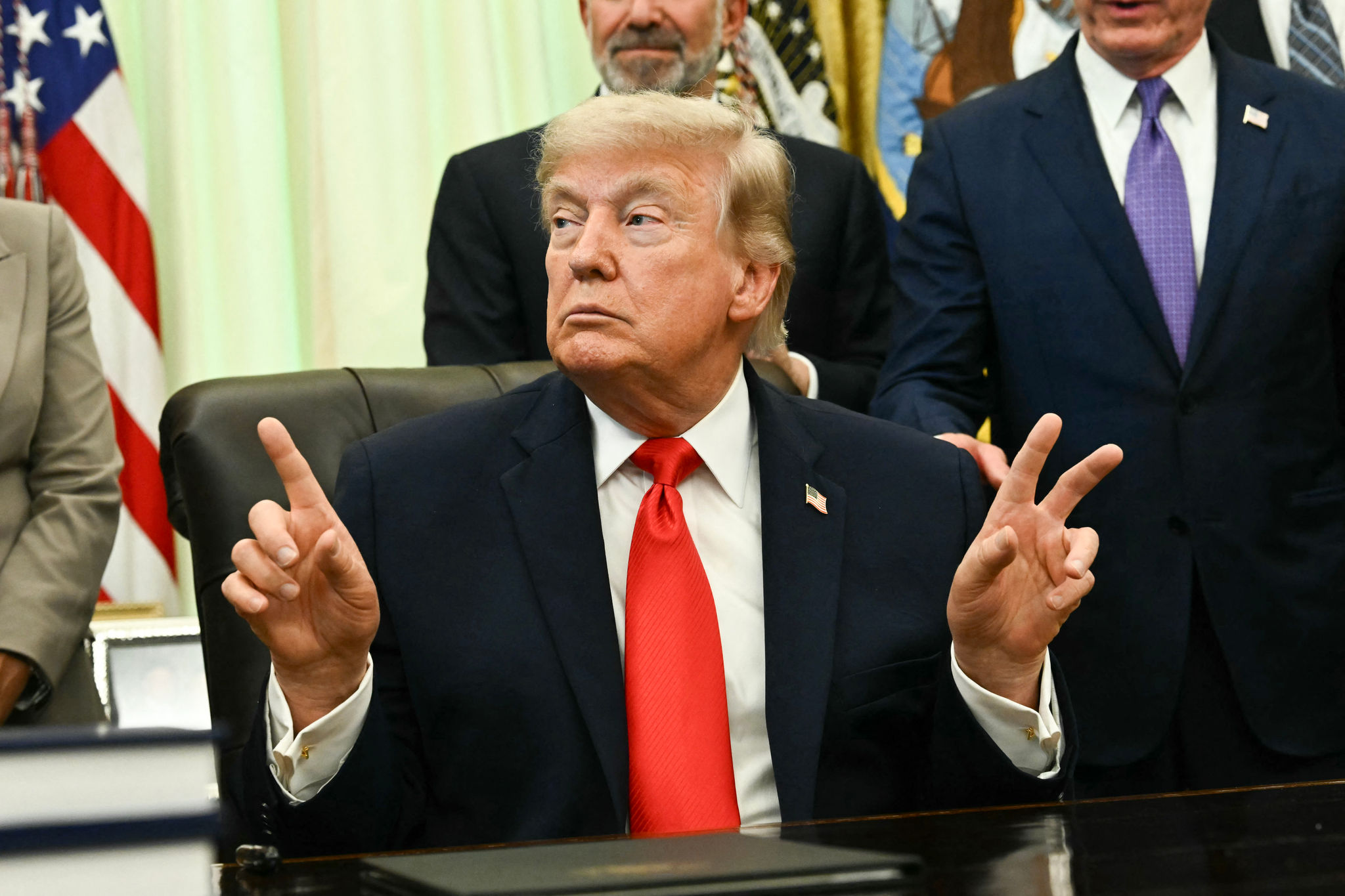
In contrast, US President Donald Trump focused solely on maritime security and remained steadfast in his core objective of preventing Iran from acquiring nuclear weapons.
In an interview with The New York Times, Trump asserted that the peace agreement guarantees "long-term security" for the Strait of Hormuz. However, the White House remained completely silent on Iran's demands for a US troop withdrawal or $300 billion for reconstruction. The US emphasized that Iran must agree to cease uranium enrichment for 15 to 20 years, and that it must be limited to low levels for permanent civilian purposes.
The climax of the conflict lies in the $24 billion frozen funds. While Iranian Deputy Foreign Minister Kazem Gharibabadi claimed negotiations would only begin after the US released the money, a senior White House official immediately denied this on CNN: “That is completely untrue. This is a ‘pay-later’ deal based on performance. No funds will be released until the Iranians fulfill their commitments.”
A crucial detail has been revealed by the American media: Mr. Trump stated that this agreement would allow the US military to directly enter Iran to "recover and destroy" what he called Nuclear Dust – the highly enriched uranium stockpile buried deep underground in Iran.
Conversely, Iran has firmly refused to permanently relinquish its uranium enrichment rights. They have only agreed to a five-year moratorium, while the US is demanding a minimum of 15 to 20 years. This is a core conflict that could cause the agreement to collapse at any time during the next 60 days of technical negotiations.
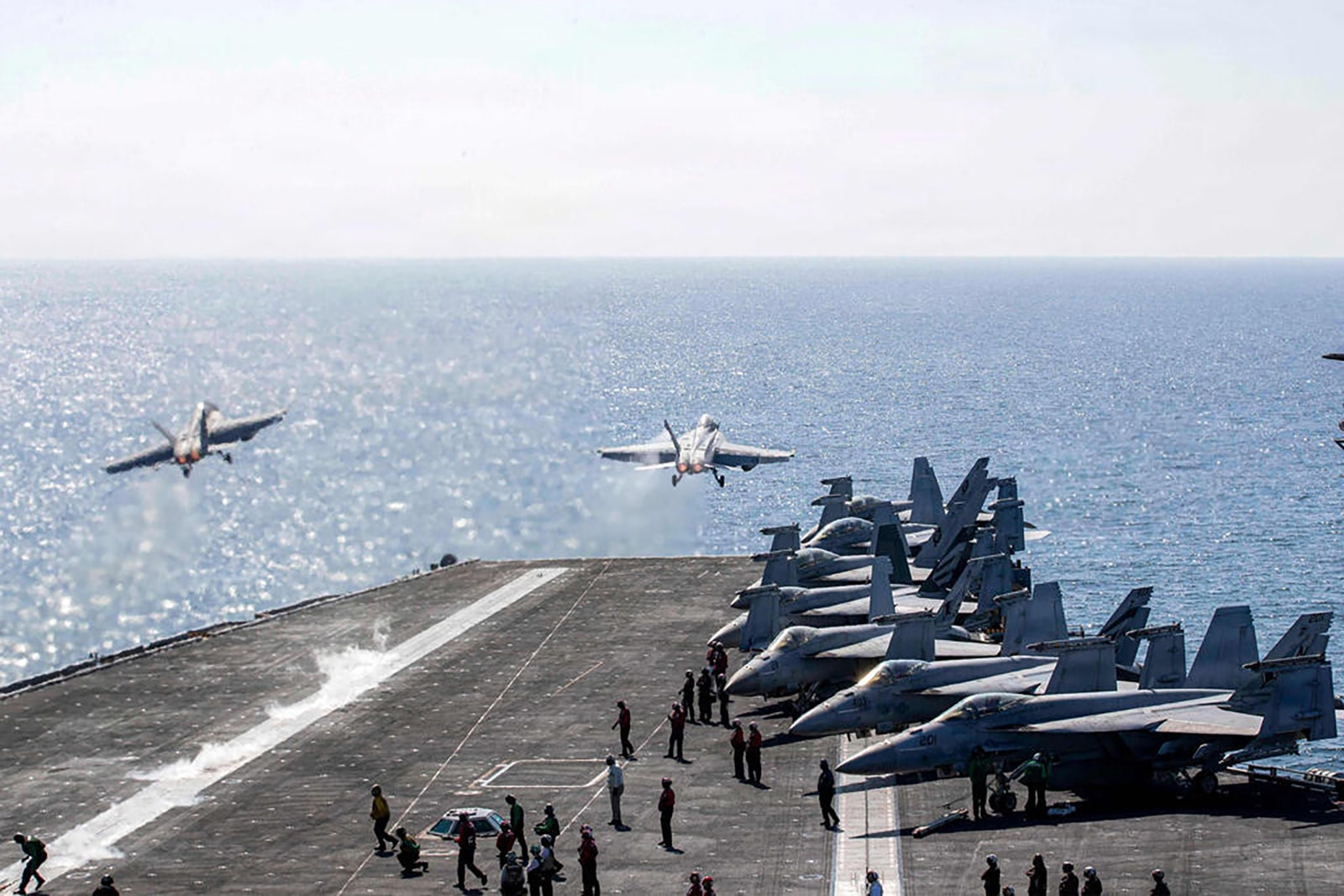
President Trump even issued a stern threat that the US would restart military attacks if Tehran did not reach a nuclear agreement within the next 60 days.
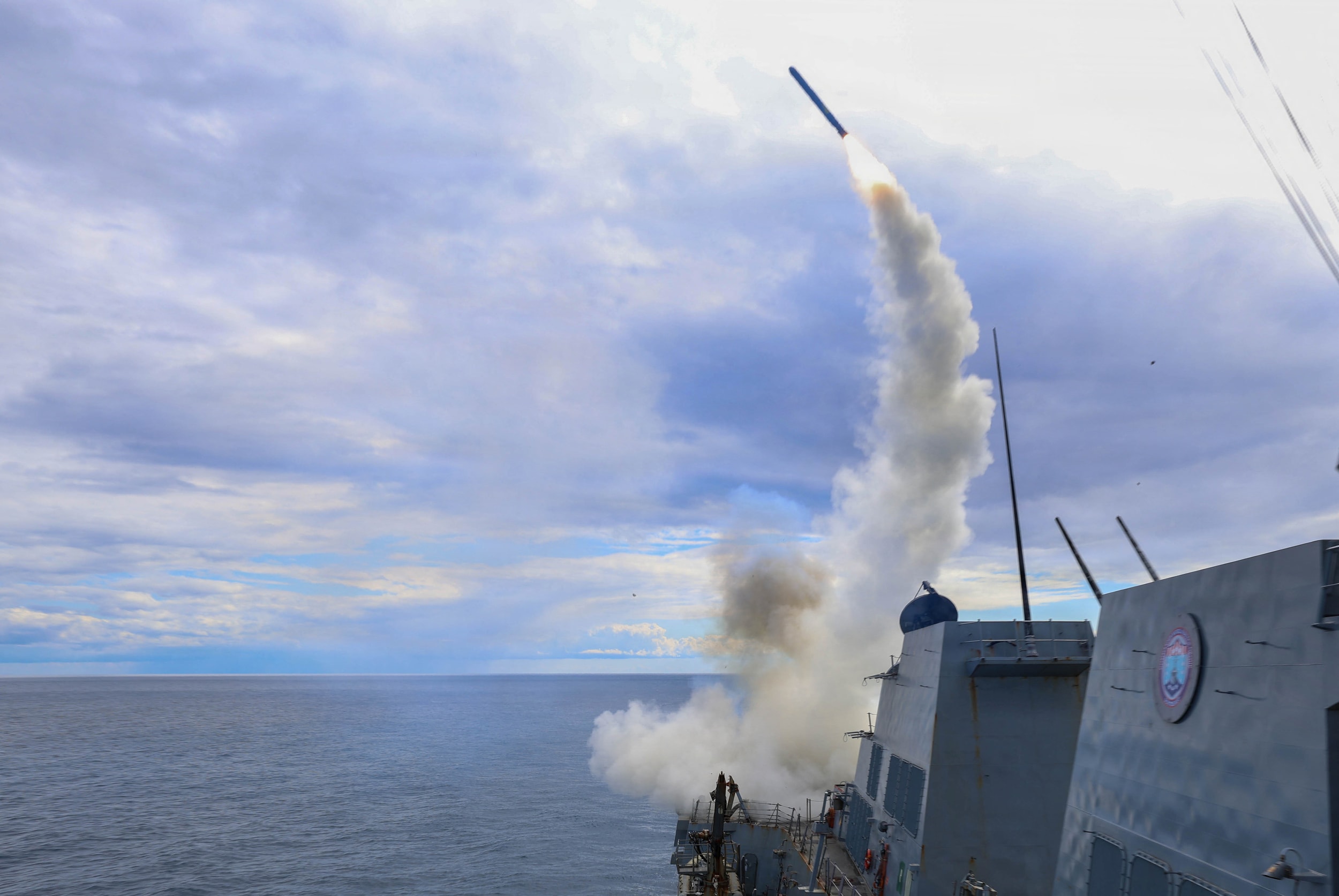
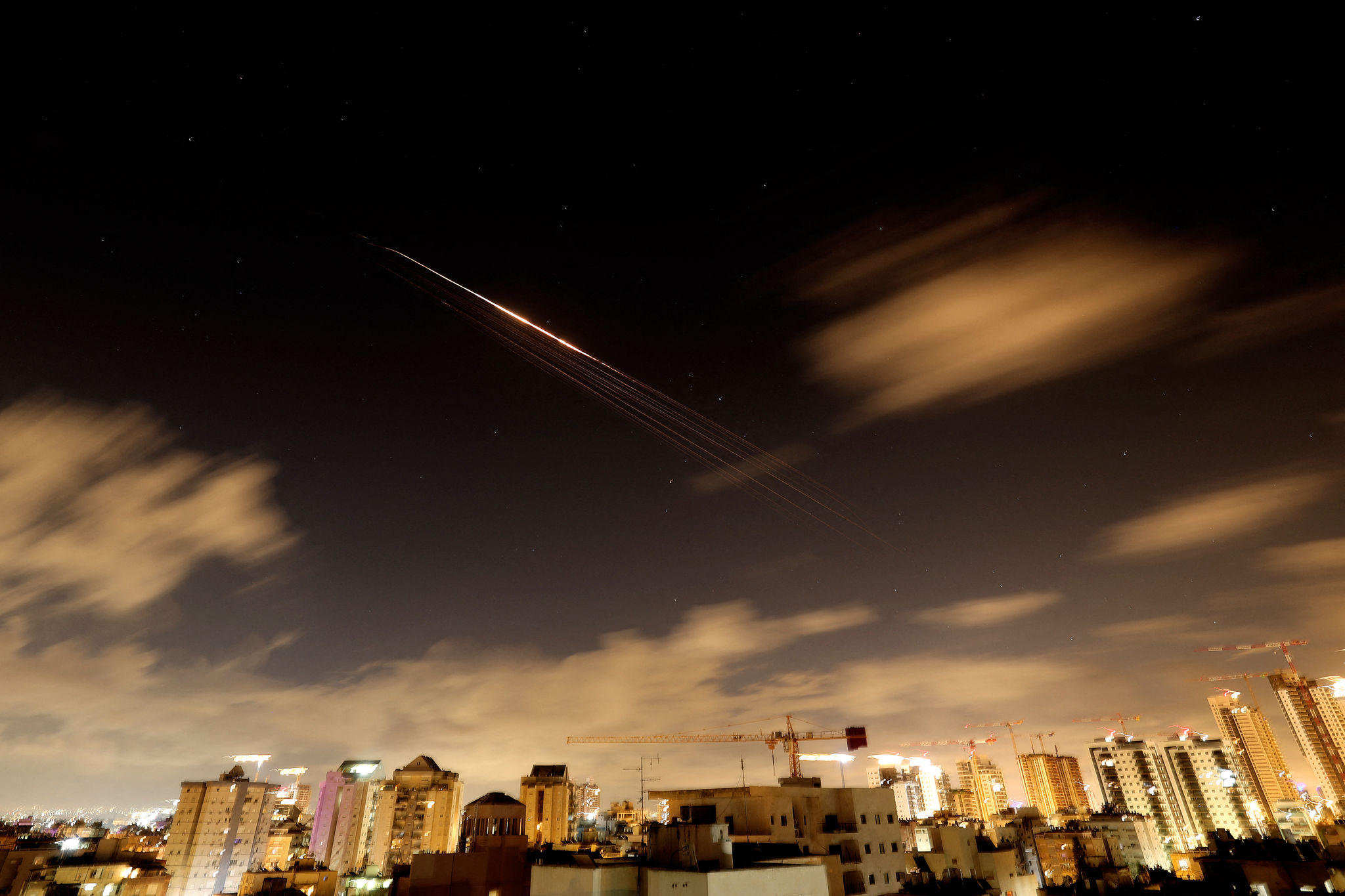
After more than 100 days and nights of plunging the Middle East into an all-out war, both the US and Iran realized they had reached the limit of their "cost-benefit analysis." Their decision to shift from gunfire to dialogue at the negotiating table wasn't necessarily a genuine desire for peace, but rather the result of suffocating and irreversible pressure.
On the American side, a double crisis is becoming increasingly apparent. The war to freeze the Strait of Hormuz has driven world oil prices skyrocketing, bringing the specter of inflation back to the US during a sensitive economic cycle. Simultaneously, the ongoing air campaign and the need to provide interceptor missiles to Israel have severely depleted the Pentagon's strategic reserves. The US cannot sustain an indefinite war of attrition without weakening its position in other geopolitical regions.
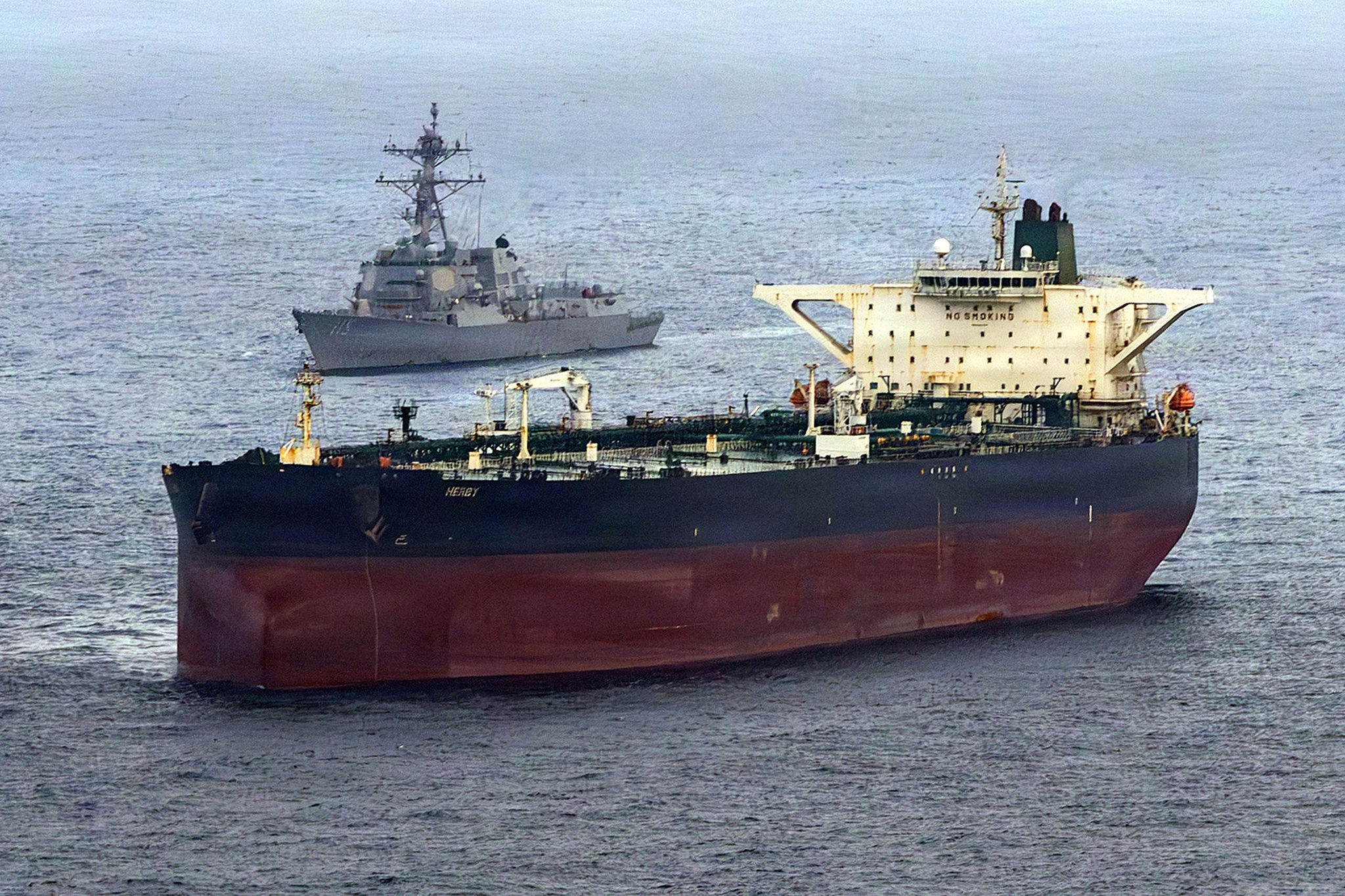
On Iran's side, Tehran's resilience also seems to be reaching its limit. The strict US maritime blockade has stifled Tehran's oil revenues. The Rial has depreciated to record lows, and soaring domestic inflation has made stabilizing social welfare a critical issue for the country's leadership. A prolonged war also means devastated infrastructure. The precise strikes by the US and Israel on nuclear and military facilities in the early stages have caused significant damage. Iran needs a tactical lull to recover and restructure its forces.
With the turning point bringing an end to the gunfire, the biggest question is: in this dramatic game, who is the real winner? Looking at the media in both Washington and Tehran, it's easy to see resounding celebrations of victory. But the nature of a diplomatic agreement signed "on the brink of war" is never a zero-sum game.
From the perspective of the White House and President Donald Trump personally, this agreement is seen as a "game-changing victory" based on three core pillars:The first,Preventing a new quagmire of war. President Trump kept his promise to American voters: not to drag America into a costly, inescapable war in the Middle East. He stopped just in time before the conflict escalated into a full-scale war across the region.
Monday,Minimize immediate nuclear risks by forcing Iran to agree to a temporary halt in high-level uranium enrichment.Tuesday,The reopening of the Strait of Hormuz and the restoration of oil flows was a major economic victory. It cooled domestic US gasoline prices, eased inflationary pressures, and maintained global economic stability.
.png)
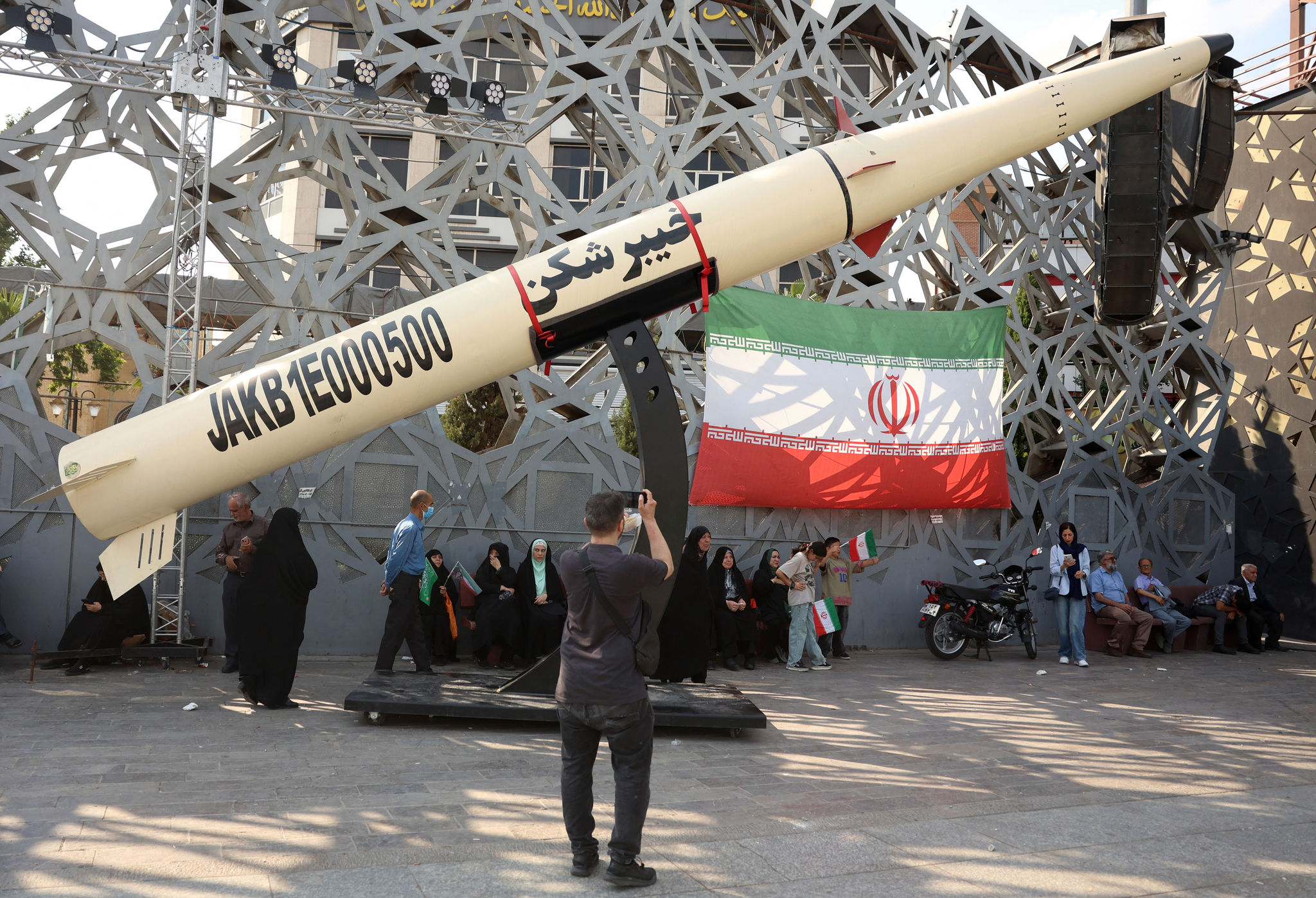
Conversely, Iranian leaders have reason to declare to their people that this was a "successful resistance" against maximum pressure from the US under Trump 2.0. This victory is also based on three factors:The first,Iran's ultimate goal is the preservation of its supreme leadership. Through this agreement, the US has indirectly acknowledged and committed to not interfering in Iran's internal affairs, crushing any attempts to overthrow the regime from the outside.Monday,A golden opportunity to lift sanctions, cool down inflation, and stabilize public sentiment.Tuesday,The key point is that Iran has retained its ballistic missile development program and its network of proxy forces (Hezbollah, Houthi). This means that its strategic deterrence capabilities have not diminished at all.
It could be argued that if public opinion were looking for an absolute victory, a "winner" and a "loser" in this agreement, it would likely be utterly disappointed. This is not an absolute triumph for either side. The nature of this Memorandum is a maximally pragmatic compromise. Both President Donald Trump and the Tehran leadership are "opportunists" on the political chessboard. At this moment, both sides have received what they most craved and needed to resolve their internal crises: Trump needed economic stability and a peaceful legacy; Iran needed the survival of its regime and economic recovery. Therefore, many doubt that this is a lasting peace, but rather an agreement to buy time through gains.
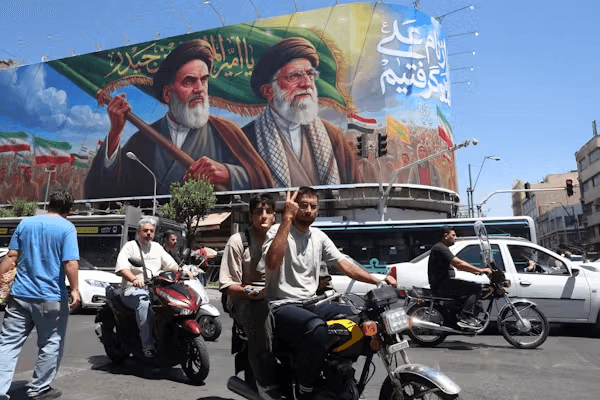
Looking at the bigger picture, Russia and China emerge as influential mediators. Donald Trump himself has praised Russian President Vladimir Putin and Chinese President Xi Jinping for their support in facilitating this agreement.
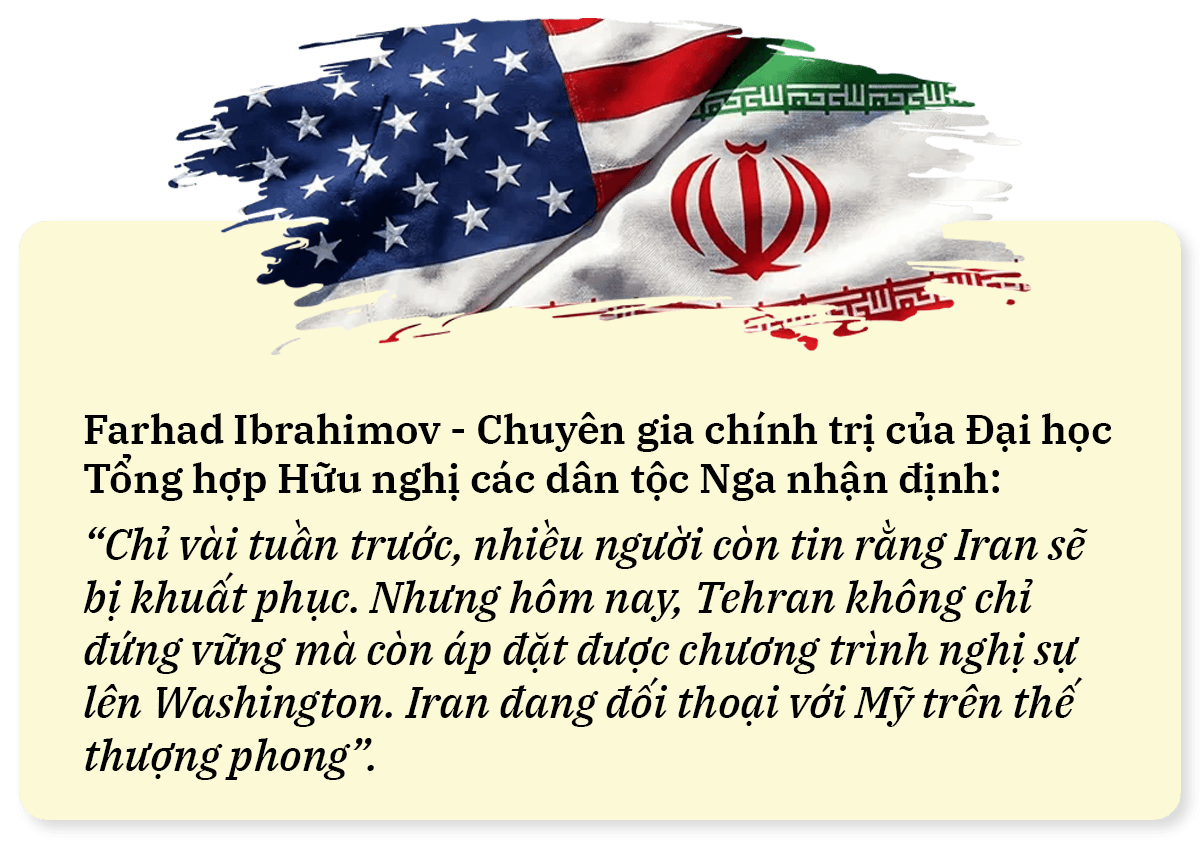
For Moscow, Iran's ability to withstand US military pressure is a significant diplomatic victory. Expert Ibrahimov analyzes: "The strategic partner's ability to maintain political stability is far more important than the short-term economic losses from falling oil prices. Moreover, the Russian economy is now more diversified, no longer entirely dependent on oil and gas pumping." Tehran's continued stability and strengthening of ties with the BRICS bloc and the Shanghai Cooperation Organization is a major plus for the multipolar world order that Russia and China are promoting.