In the age of AI, do writers still need real-world experience?
In the context of contemporary literature expanding its genre scope, from realism to fantasy, myth, and imaginative travelogue, the questions of "Do writers need to go on field trips?" and "Do life experiences and knowledge still hold value in the creative process?" become more interesting than ever.
.png)
Content:Phuoc Anh/Present:Hong ToaiFebruary 1, 2026
------------o0o------------
In the context of contemporary literature expanding its genre scope, from realism to fantasy, fantasy, and imaginative travelogues, the question of "Do writers need to go on field trips?" and "Do life experiences and knowledge still hold value in the creative process?" has become more interesting than ever. Some young writers/those interested in creative writing believe that indirect experiences through books, films, and social media are sufficient, while many experienced writers still believe that genuine life experiences are what give a work its "spiritual weight." To address this issue, reporters from Nghe An Newspaper and Radio & Television interviewed writers Vo Thu Huong and Cao Viet Quynh.
PV:In your opinion, is it still necessary for a modern writer to go on field trips to write?
Vo Thu Huong:Personally, I believe that in any era, writers need to live and experience life before writing in order to create more realistic writing, broaden their horizons, empathize more with individual lives and stories, and become more responsible for their words. However, each writer has their own creative perspective. If someone says that a writer only needs imagination, that imagination is a writer's power, I still respect that opinion.
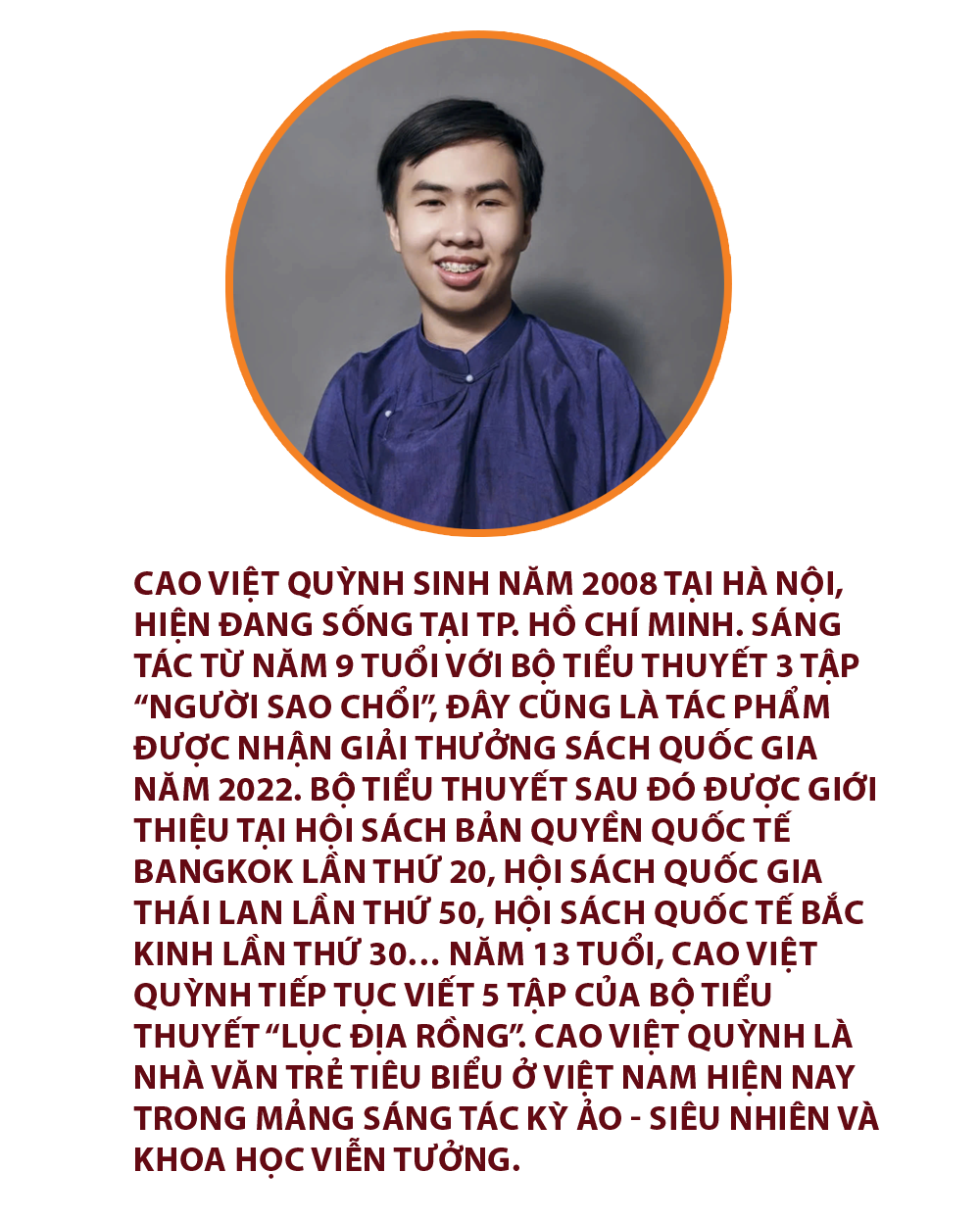
Cao Viet Quynh:The advent of the Internet and globalization has somewhat changed the need for firsthand experience. My works contain countless segments set in various locations around the world, in different geographical and even historical contexts. At that time, the Internet became a useful tool. I often used Google Maps, watched videos, read information, and looked at images to describe the location as realistically as possible.
Nevertheless, I still highly value firsthand experience. Every time I experience something new, I appreciate the subtle, minute details. The emotions, smells, and sensations that images on a computer screen can never replace. Only then can we create the most perfect, authentic version of the story. Therefore, even if we don't necessarily need to go in person, it's still worthwhile.

PV:How important is life experience to a writer? Can real-life experience be replaced by indirect knowledge such as that gained through films, books, and social media?
Vo Thu Huong:I believe that, just as one needs flour to make dough, real-life experience can be considered the initial foundation. The more life experience a writer has, the easier it will be to find themes, ideas, and content for their writing. Similarly, going on field trips helps writers create vitality and soul for the words and works they write.
In today's interconnected world, writers can replace real-life experiences with indirect means such as through films, books, and social media, but indirect experiences can never be as vivid or profound as direct ones.
I don't prioritize indirect experiences as a writer. However, indirect experiences contribute significantly to the life experience and understanding of writers in particular and readers in general. I often interact with students, and one of the key points is encouraging them to connect the pages of books and films with real life. We shouldn't limit ourselves to what we see, hear, and touch... but also need indirect experiences to have more opportunities to understand and experience life.
Cao Viet Quynh:I grew up surrounded by the influence of countless books, newspapers, films, and novels. Many might say that science fiction is just "lies," "unreal." But I don't think so. No matter how fantastical the setting, science fiction is still a mirror reflecting reality. Many films and stories can have a powerful impact on viewers and readers. They have the power to change a person's life and provide valuable lessons.
PV:Some young authors today choose to write fantasy, science fiction, and imaginary travelogues instead of delving into real life. How do you view this phenomenon?
Vo Thu Huong:To be honest, I don't prioritize this genre of literature in either reading or writing, so it's difficult to give a general assessment. And as I said, I respect different viewpoints and choices. Some fantasy works that I've read and loved, such as The Little Prince and Harry Potter, show that no matter how unusual the fantasy may be, they are still written by authors with a lot of real-life experiences. Perhaps that's why the worlds and characters built entirely in the imagination of these authors still feel very real, very beautiful, and find empathy with many readers, including those who don't prioritize this genre of literature like myself.
Every writer understands that a writer's existence depends on their imagination. However, life experience, knowledge, and imagination need to complement each other. Depending on their ability and style, each writer can choose a different way to convey content, but one should not be used to replace the other.
Cao Viet Quynh:I really like that. Fantasy gives authors the power to create freely, unbound by the conventional laws of reality. The element of fantasy has always been present and played a huge role in Vietnamese history, from myths, fables, epics to poetry and legends.
Naturally, everyday stories still hold precious value, highlighting silent, relatable sacrifices. These two types of works can easily coexist, complementing each other, enriching the diversity of Vietnamese literature, and making it more accessible to the world.
PVAccording to him Sister, in a literary work, what determines its value more: the accuracy of experience or the authenticity of emotions and thoughts?
Vo Thu Huong:I rarely think about accuracy in literature, because literature is very different from journalism or scientific research. For me, different experiences lead to different levels of emotion. And if we're talking about the message or idea in a work, that's another story. There are works where the writer doesn't prioritize ideas or messages, simply because they seek some kind of empathy when telling a story or expressing a poetic idea in their own way. But a good, impactful work definitely needs a message or idea embedded within it. This is what gives the work its depth and vitality.
Cao Viet Quynh:As a fantasy writer, I always value the power of emotion and thought. Even if the plot itself is fantastical with magic and mysterious elements, the depth of the characters can still anchor the reader. If the characters express genuine, relatable emotions, they will captivate the reader, immersing them in the fantastical world, even if it's imaginary. Interspersed within this, we can add difficulties, mistakes, flaws, and very real, very human experiences, allowing the reader to easily relate to and connect with the characters. A story, regardless of genre, no matter how strange or dark, must always aim for goodness and beauty, spreading optimism and showing us the light at the end of the tunnel.
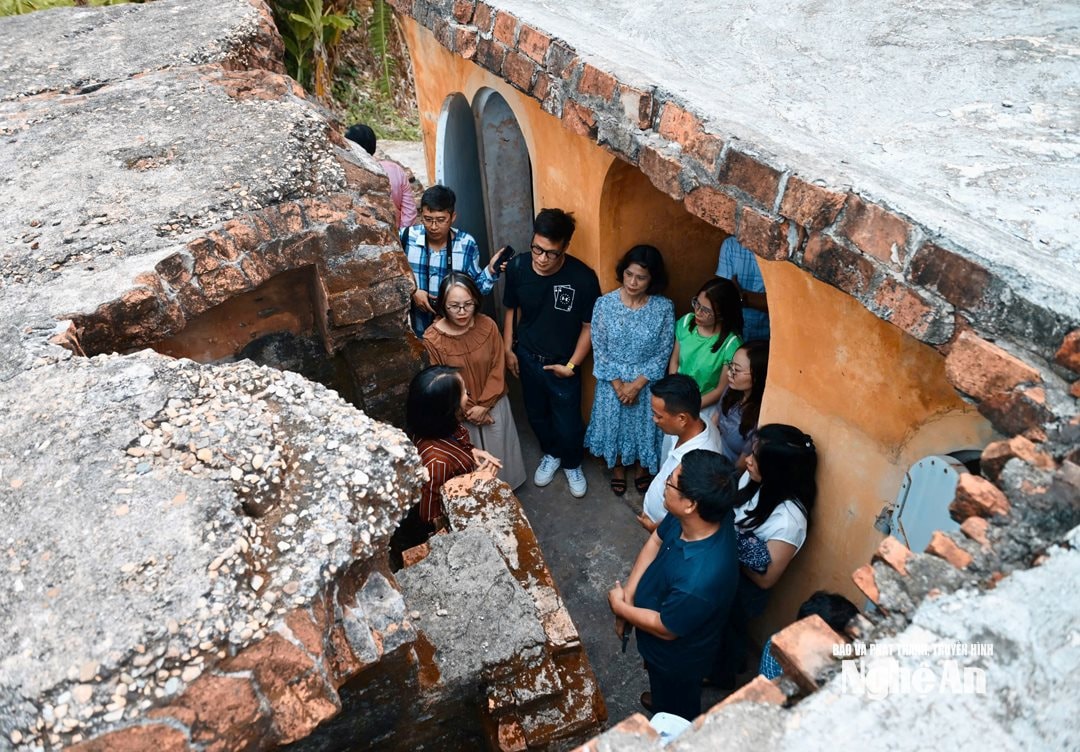
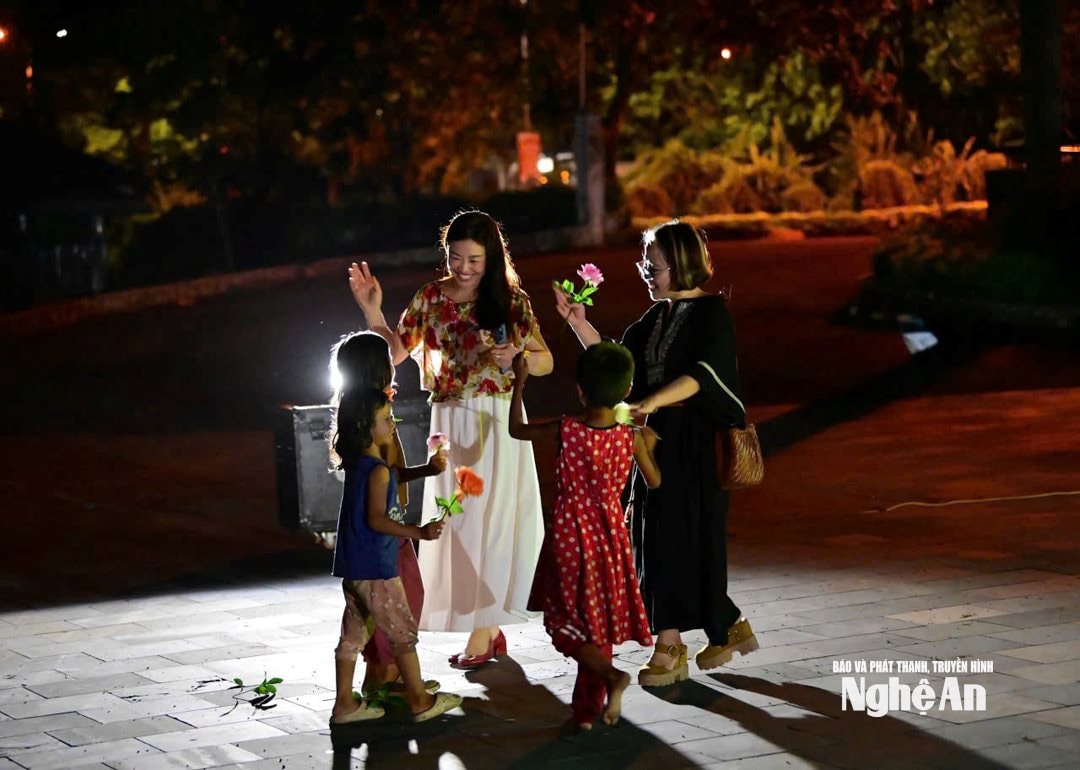
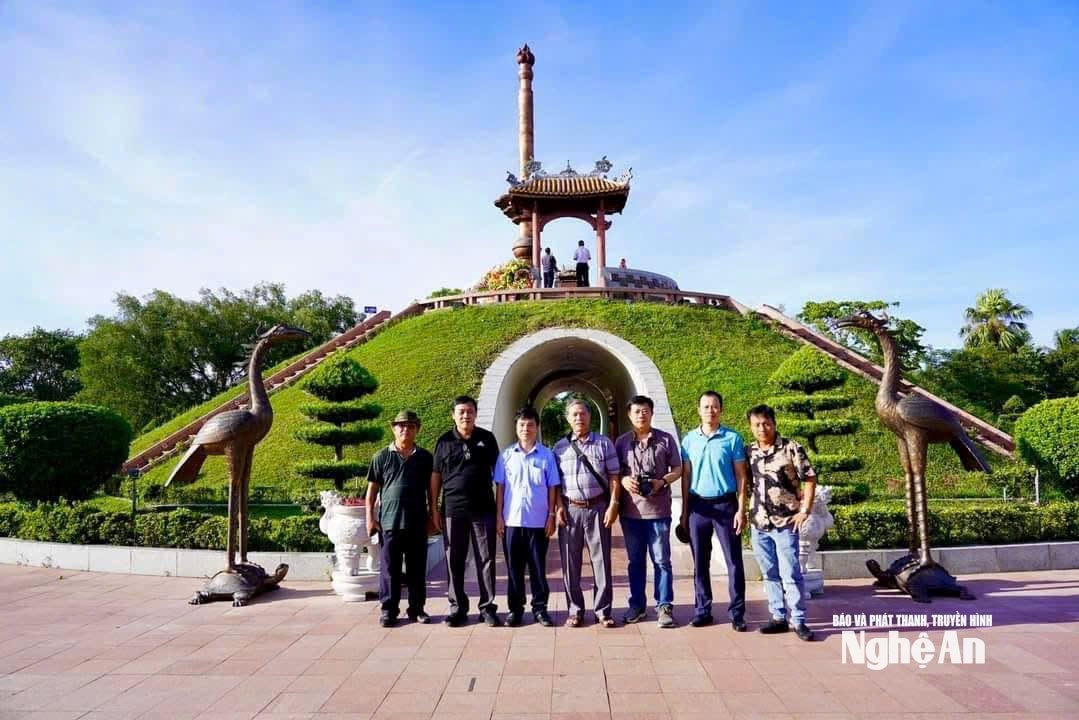
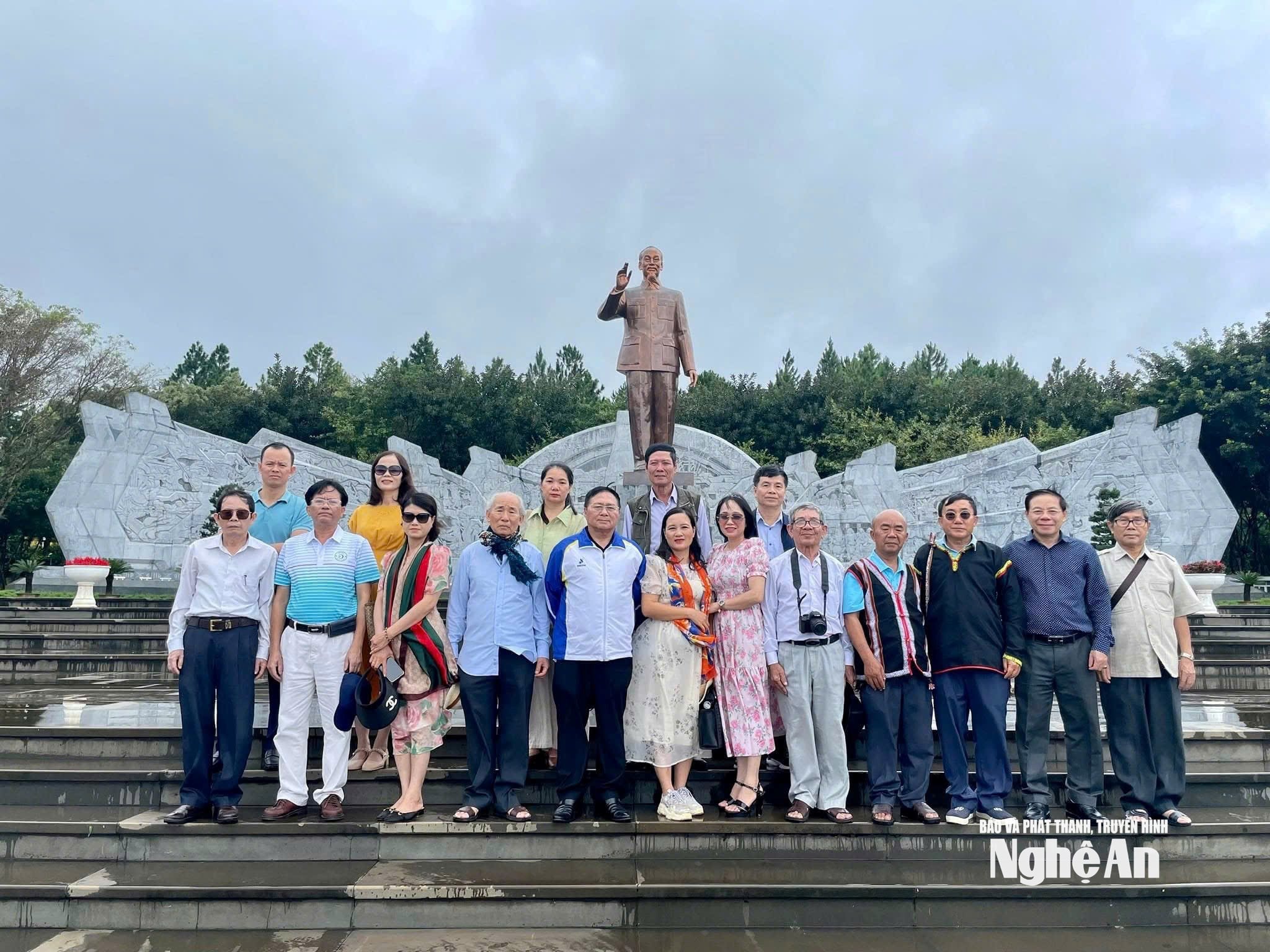
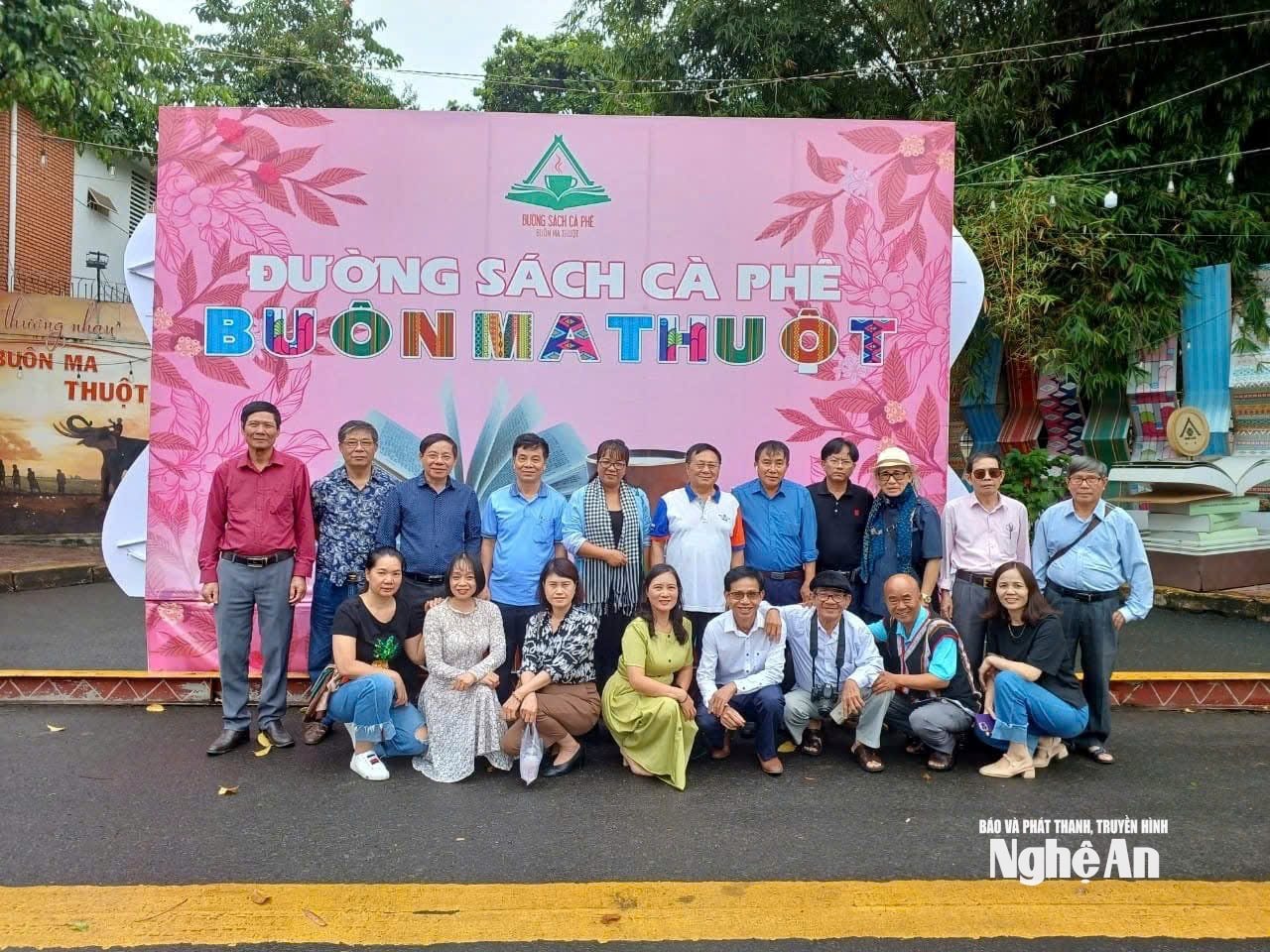
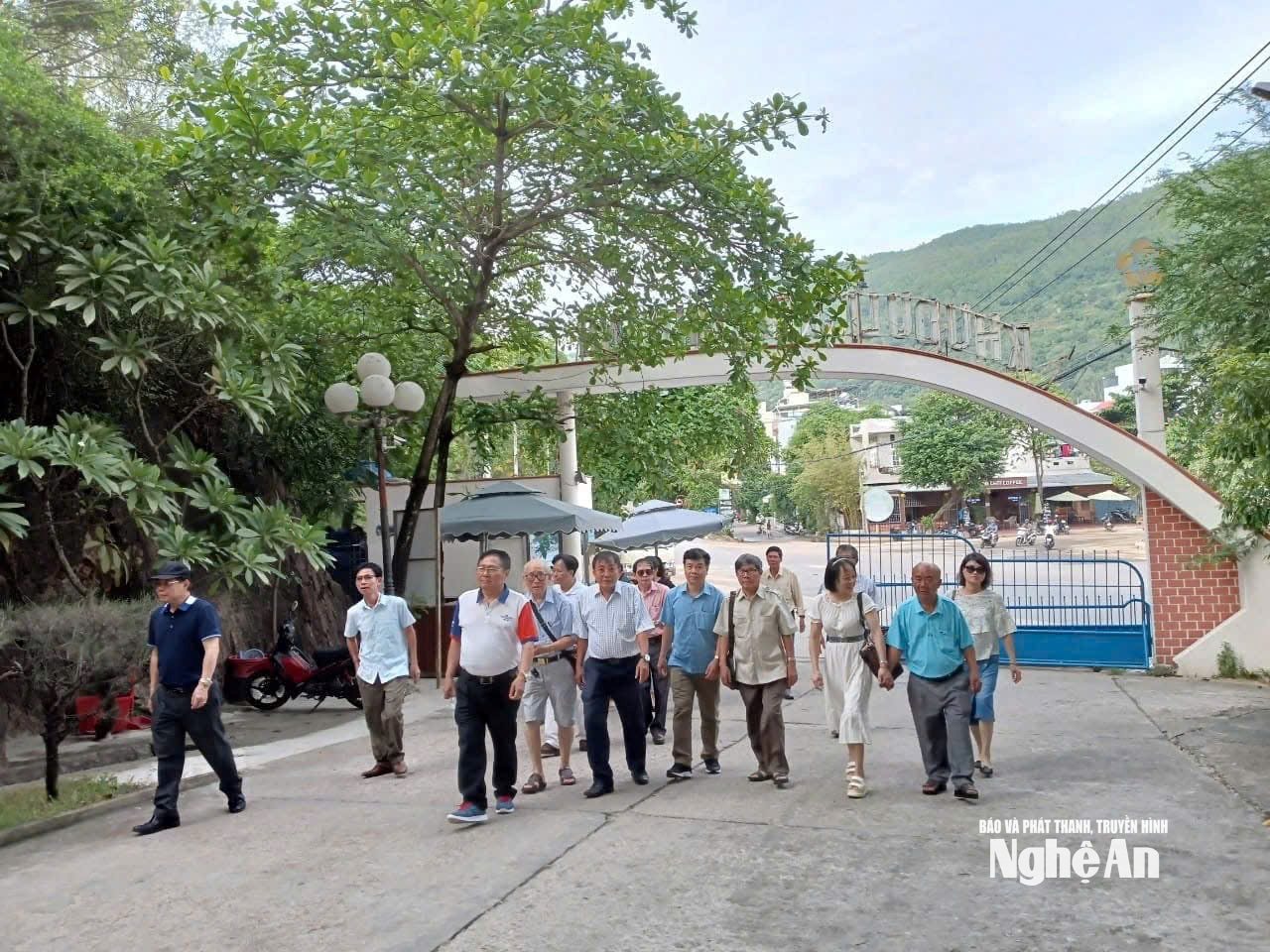
Members of the Nghe An Provincial Association of Literature and Arts go on a field trip for creative work. Photo: Vo Khanh
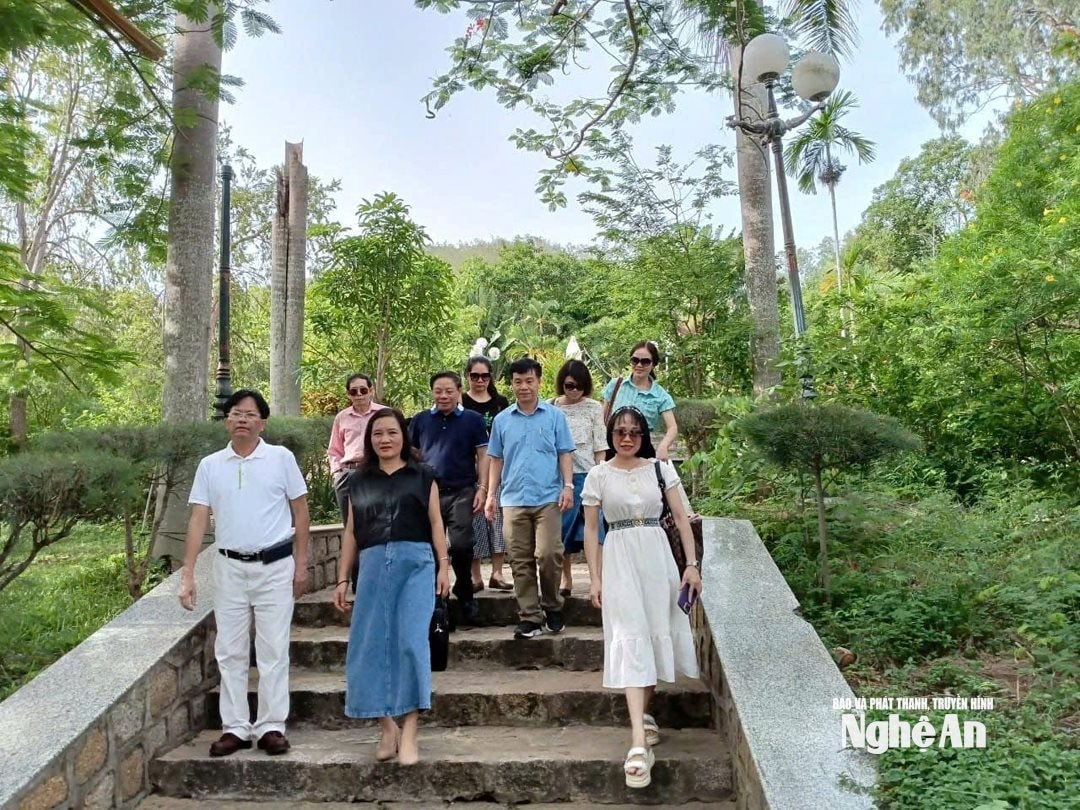
Members of the Nghe An Provincial Association of Literature and Arts go on a field trip for creative work. Photo: Vo Khanh
P.V:For you, what experience/story has significantly changed your approach to writing/perspective on writing, leading to a better or deeper understanding?
Martial ArtsThu Huong:That was the period when I had just graduated, working as a reporter, and had the opportunity to travel and meet many people. Although I had a hiatus of about 6 or 7 years from writing, and at times doubted I could return to writing due to work deadlines and the demands of raising young children, when I did return to writing, I felt I had matured on the page. Perhaps it was thanks to the life experiences during that crucial transitional period in my early twenties.
HighViet Quynh:Instead of a single event or distinct experience, the improvement and change in my writing has been a process. Every real-life experience, film, book, or novel I've encountered has been a building block in shaping my current writing style. Each work is a form of training, resulting in a clearer writing style, a more coherent plot, and better connections. And even now, I continue to practice and develop my writing, producing works of ever higher quality.
PV:Do you have any advice for young writers: Should they prioritize "living life to the fullest" or "reading to the fullest"? Or should they balance both?
Vo Thu Huong:It's not just young people; even I myself am always looking for opportunities to do more than just these two things.
Cao Viet Quynh:We need a balance of both. Books and newspapers provide us with a vast source of knowledge, allowing us to experience the lives of countless people and characters, and take us to places we could never have reached. But that's not all. To live fully, we must go out into real life, experience things, build relationships, and take positive actions. Reading is just one way to improve ourselves intellectually and spiritually, so that we can experience life more meaningfully.
PV: Many thanks to both writers for their sincere and insightful exchange on this pressing issue in contemporary literature!