The fragrant aroma of freshly cooked sticky rice lasts forever.
Late autumn and early winter is the time when people in the highlands enter the harvest season, and it is also when families hold ceremonies to celebrate the new rice harvest, giving thanks to heaven, earth, and ancestors, and gathering with family, relatives, and villagers. Life is changing every day, but the beauty of ancient traditions is still preserved for generations to come.
These days, if you happen to pass through the villages of Yen Na commune, Nghe An province, you will feel the aroma emanating from the sticky rice fields and from the kitchens of each family. The fragrant scent of sticky rice, especially the first batch of sticky rice with its distinctive flavor, spreads throughout the area, making passersby want to stop and seek out a place to enjoy it.
As the Thai people residing at the foot of the Pu Pen mountain range prepare for the rice harvest, families are getting ready to celebrate the new rice harvest.
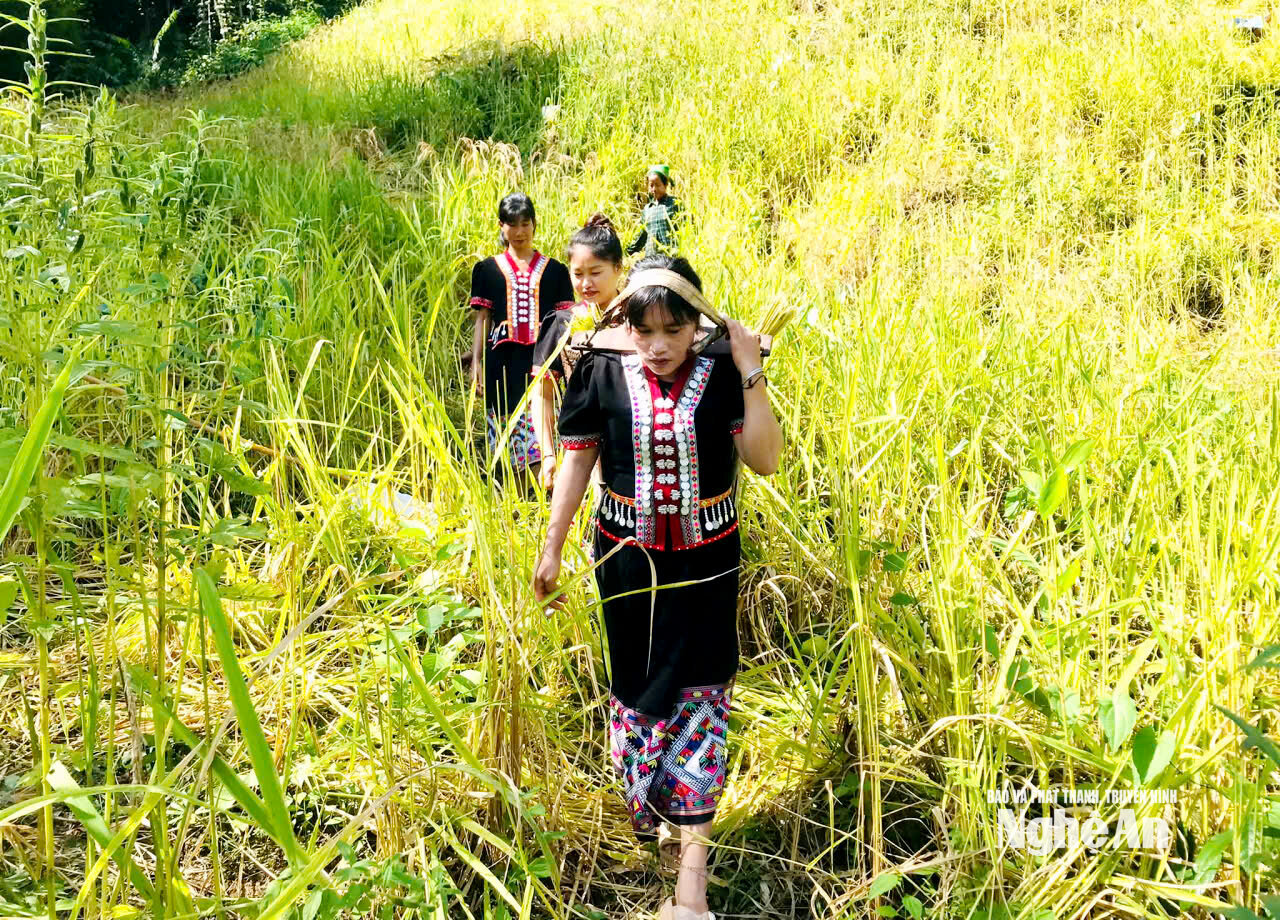
According to Mr. Lo May Hang from Yen Na commune, a researcher specializing in Thai ethnic culture, when the glutinous rice fields are about to turn yellow, the villagers select the firm, plump rice stalks to harvest and carry home in baskets.
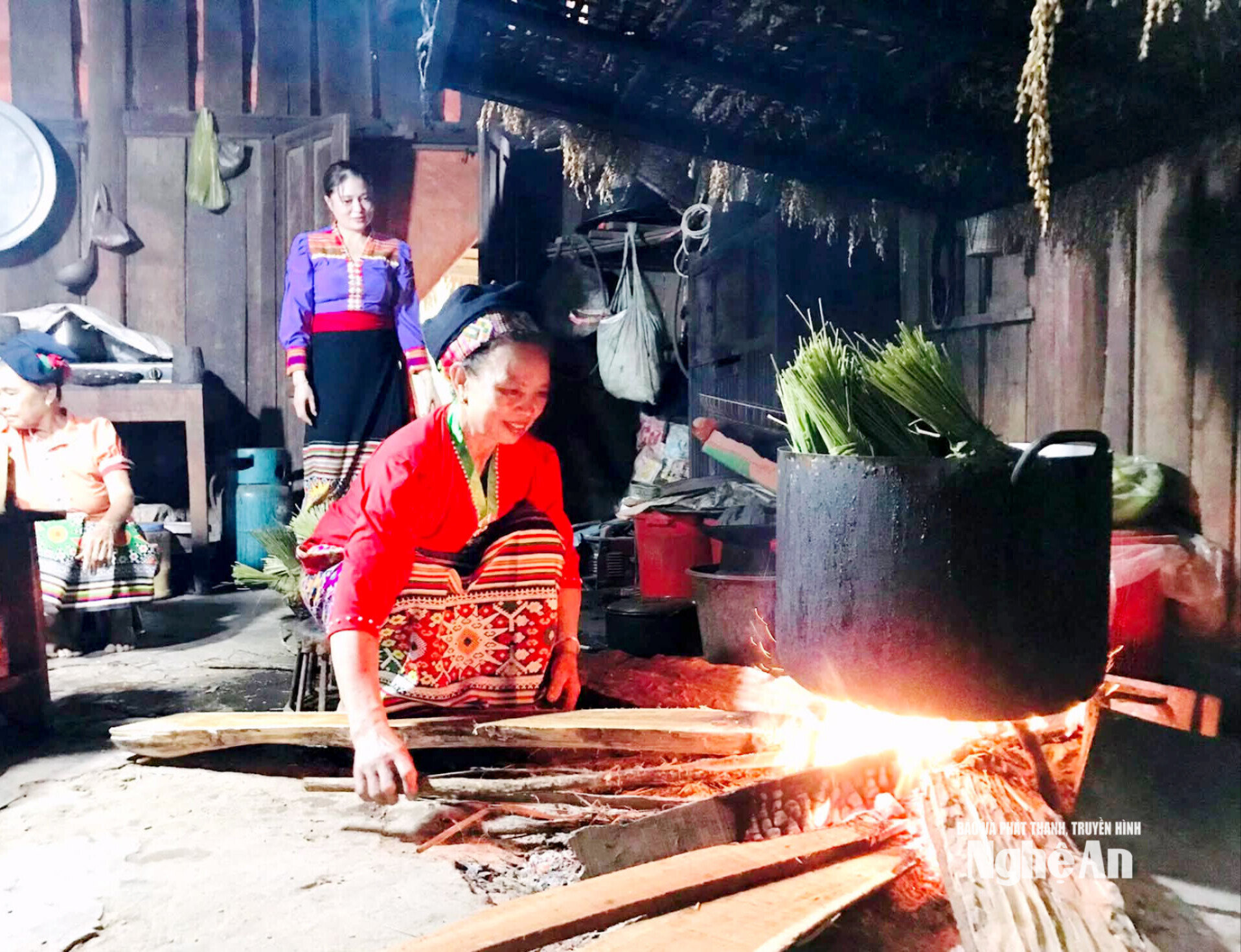
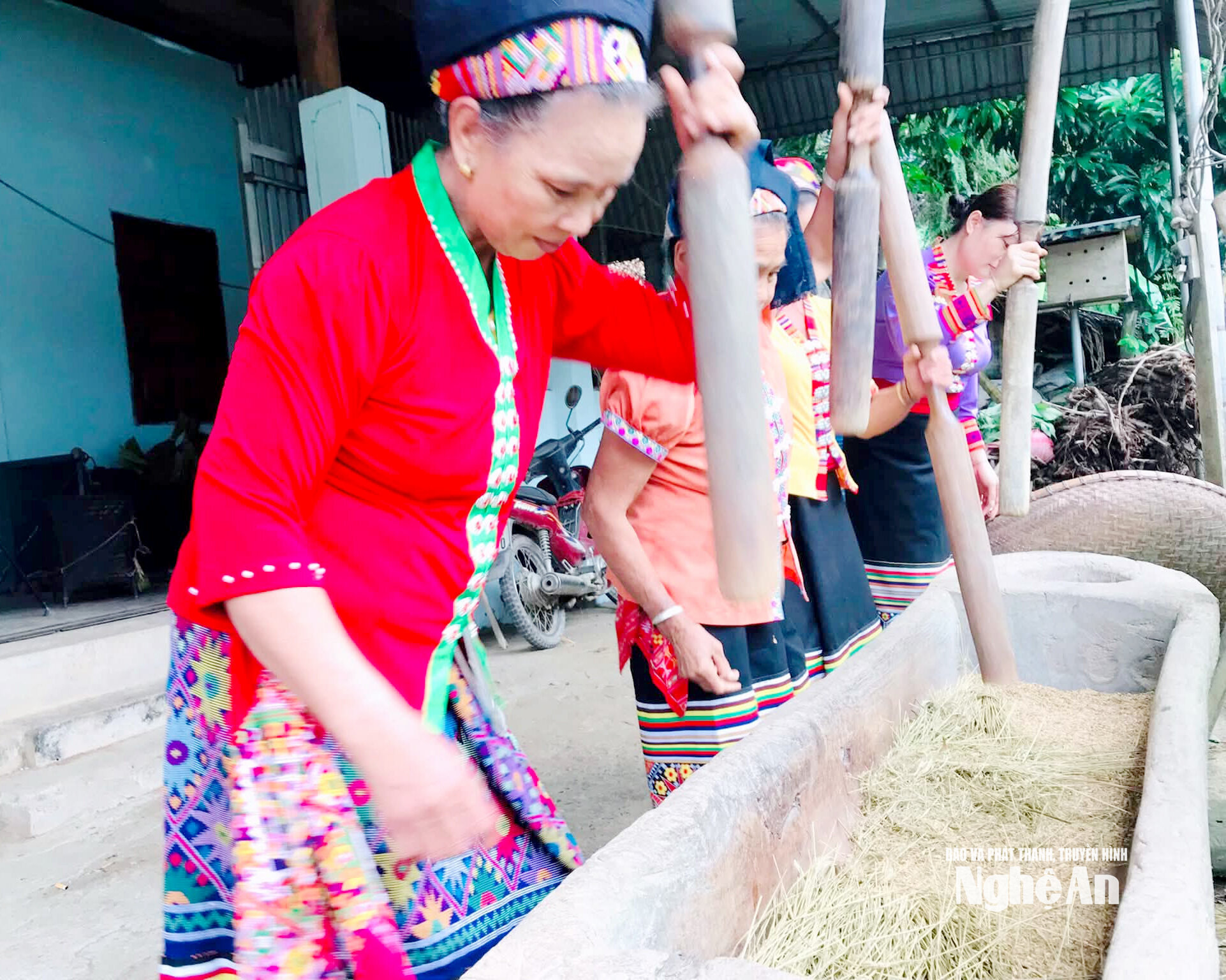
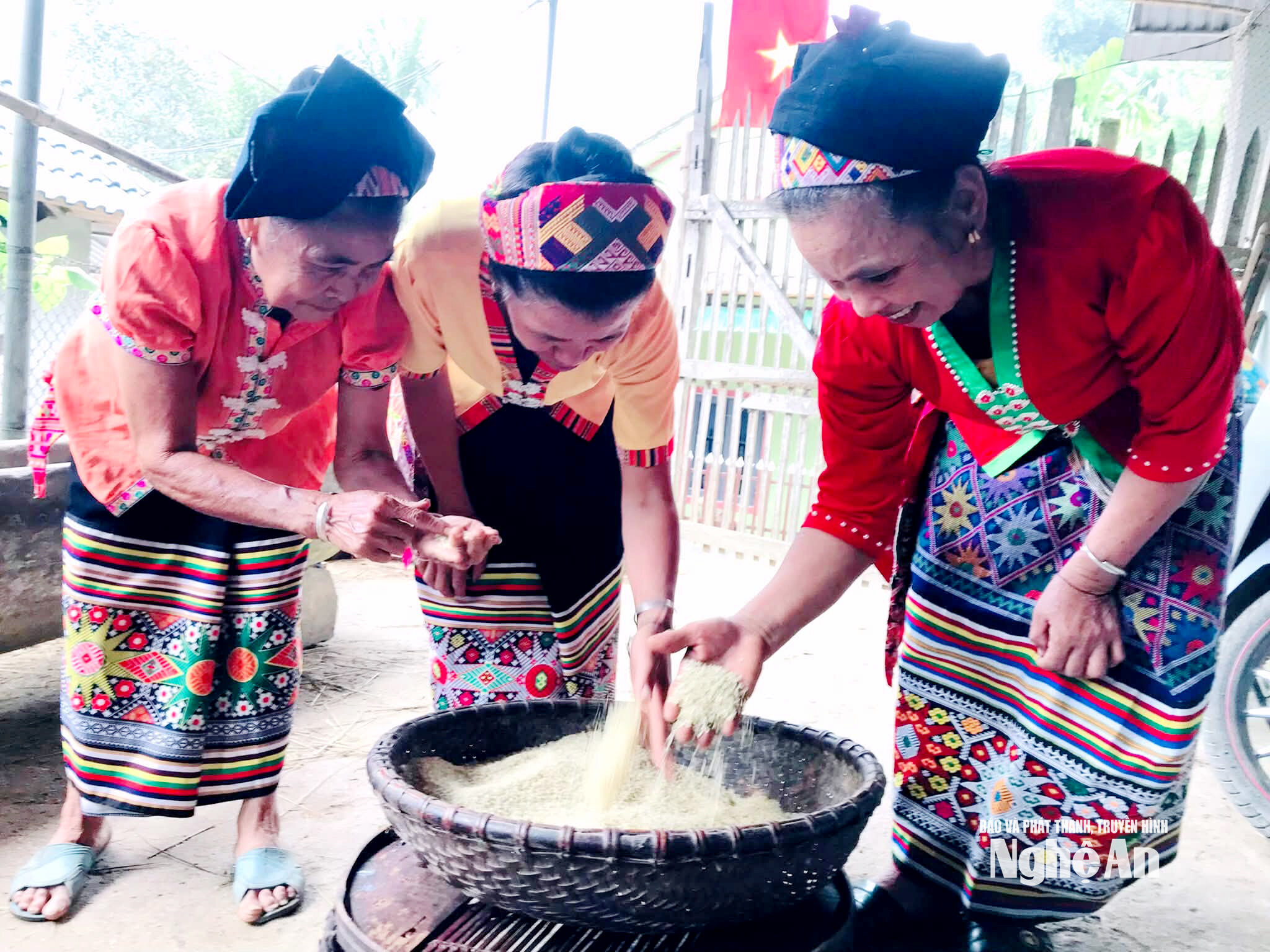
The rice is boiled, then dried in the sun, and then hung over a fire to air dry. Once the grains are dry and crispy, the villagers pound the glutinous rice and sift it to select the whole and plump grains.
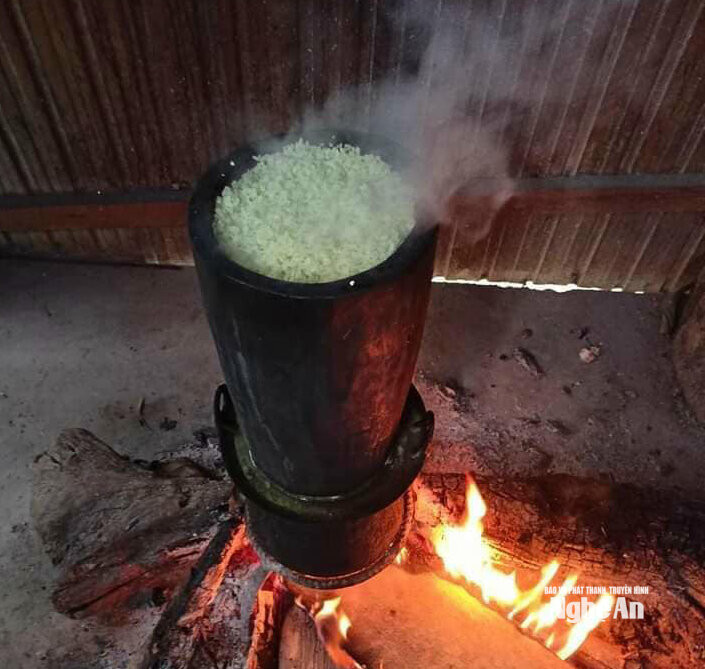
This stage is truly laborious as it relies entirely on human effort, sometimes taking 2-3 days to complete the desired amount of glutinous rice. At this point, all that remains is to thoroughly wash and soak the rice, then steam it in a wooden steamer for about an hour to create a delicious sticky rice dish. This freshly steamed batch of glutinous rice is only eaten once a year.
That special sticky rice is prepared for the harvest festival, symbolizing the joy of reunion and the aspiration for a prosperous life. It embodies the diligence and hard work of the people and possesses a pure flavor, unlike anything found in everyday life.
Especially when the sticky rice begins to cook, the aroma of freshly cooked rice wafts through the kitchen smoke, filling the house, the yard, and the entire village. This fragrance is strangely captivating; it evokes nostalgia in those who have left the village, and even those from the lowlands who taste it once remember it forever, recalling the intoxicating aroma of that first sticky rice meal whenever the weather turns chilly.
Freshly steamed sticky rice is arranged on a tray along with other readily available family produce such as pork, chicken, fish, and other prepared dishes to offer to the ancestral altar. The homeowner performs a ritual to thank the deities and ancestors for blessing them with favorable weather throughout the past year, ensuring a bountiful harvest, good health for work, and to pray for continued good fortune for the family.
After the ceremony, family members and invited guests, including relatives from both sides of the family and villagers, raised their glasses in celebration and enjoyed the delicious taste of the first sticky rice meal of the year. While enjoying the special produce of the year, everyone chatted happily, sharing stories about their families and their villages.
The harvest celebration continued on and on, and as the alcohol took effect, everyone would sing, the sound of flutes and pipes harmonizing with the resounding gongs and cymbals. Typically, in each village, families would take turns hosting the harvest celebration so that everyone could participate and share in the joy.
“Life has changed a lot; rice mills have replaced mortar and pestles, gas stoves have replaced wood stoves, aluminum stoves are replacing wooden ones, and cultivated fields are becoming less common, but the people in the highlands still preserve their beautiful cultural traditions, including the New Rice Festival. The steps in preparing the new rice and making the first sticky rice meal are still preserved, showing respect for their ancestors…,” Mr. Lo May Hang shared.
In particular, to contribute to the preservation and promotion of the cultural beauty of the highlands, this year the People's Committee of Yen Na commune will organize the New Rice Festival on a commune-wide scale. The ceremony is organized to create a community space for people to directly practice, preserve, and pass on traditional cultural values, and to enhance their sense of pride in their ethnic identity.
Through this, agricultural products and traditional cuisine are introduced, contributing to the promotion of community tourism. Besides traditional rituals, there are also competitions for the most beautiful offering trays among the villages, cultural and artistic activities, and displays and introductions of local products.
Amidst the changes of life, the aroma of freshly harvested rice still lingers in every home, reminding the Thai people of the gratitude owed to heaven and earth, their ancestors, and the strong bonds of community. As long as this custom is cherished and passed down through generations, the New Rice Festival will continue to preserve the beauty of traditional culture, contributing to the unique character of Western Nghe An.