
Munich Message: US tightens its 'iron fist' on European allies.
At the Munich Security Conference, US Secretary of State Marco Rubio offered reassurance that Washington would stand with Europe, but at the cost of a comprehensive overhaul. Behind the soft diplomatic facade lay a stern warning: Europe must shoulder its own security responsibilities, or it will be left behind.
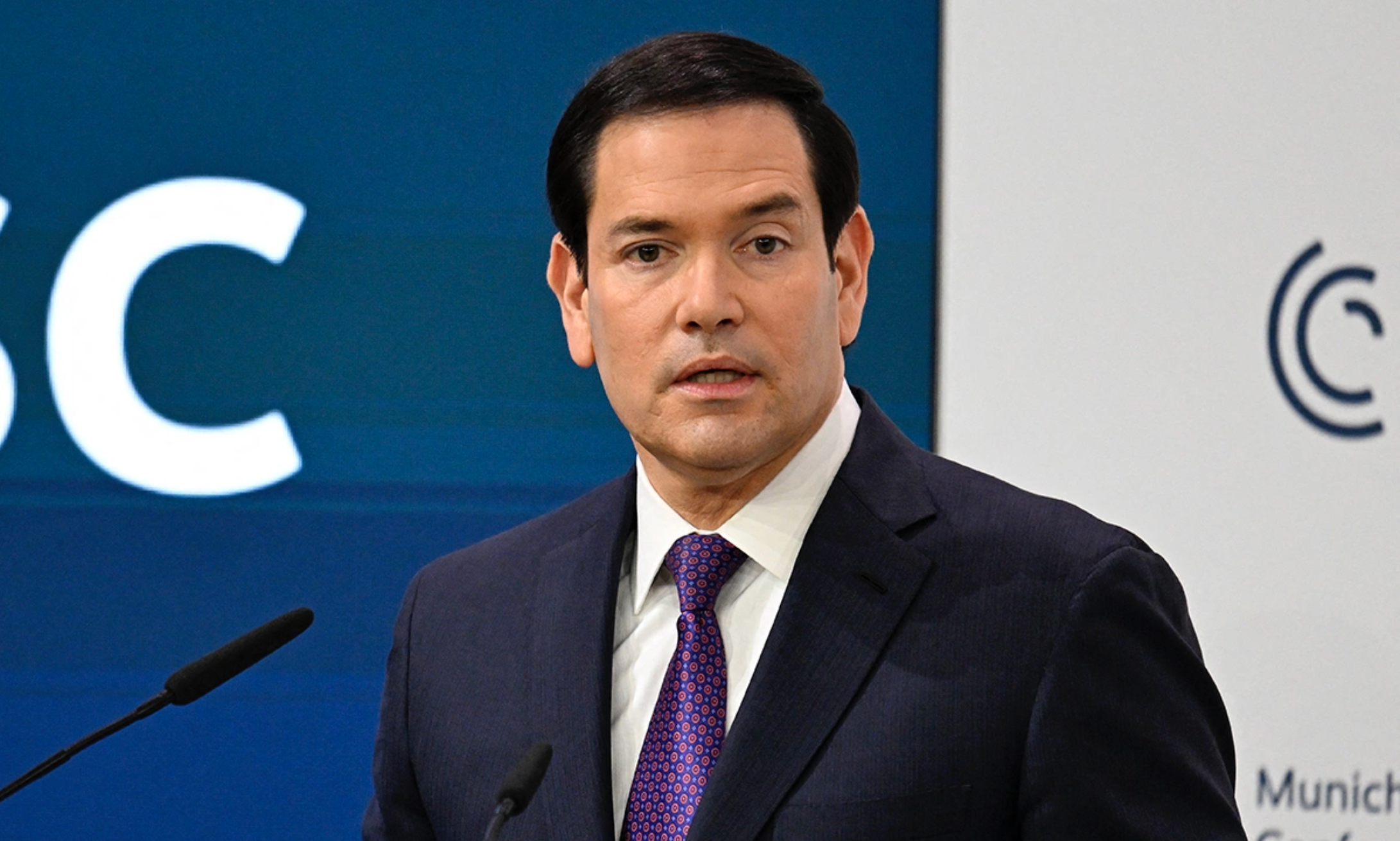
"Velvet gloves" enveloping "steel fists"
Secretary of State Marco Rubio donned a "velvet glove" over the still-firm "iron fist" of the Trump administration in a highly anticipated speech at the Munich Security Conference on February 14th. He offered some reassurance to anxious European leaders, affirming the U.S. commitment to the long-standing partnership, but refusing to compromise on the core demand that Europe change its direction on multiple fronts.
Secretary of State Marco Rubio's message that Washington had no intention of abandoning the transatlantic alliance was warmly received by European allies in the audience. Just a year earlier, they had sat silently, their faces expressionless, as Vice President JD Vance stood on the same platform and delivered scathing criticisms of European culture and values.
America's top diplomat received applause twice when he recalled the shared history between Europe and America, calling America a "child" of Europe with the destinies of the two continents "closely intertwined".
Nevertheless, Rubio's message was very blunt. It carried a warning from the Trump administration that the U.S. would "act alone" unless Europe took on more responsibility for its own security and shared values with the U.S. – a shift that would require a reform of the current system of international cooperation.
"We want allies who are capable of defending themselves so that no enemy would dare to challenge our collective strength," said Secretary of State Rubio.
Because we Americans have no interest in being the polite and orderly stewards of the West's predetermined decline. We are not seeking division, but rather the revival of a long-standing friendship.”
US Secretary of State Marco Rubio
President Donald Trump frequently criticized Europe for being too reliant on American support, particularly on security issues, and demanded that NATO allies increase their defense spending.
More broadly, Trump also pledged to disrupt the international status quo, and, a year into his second term, he has done exactly that at an astonishing pace.
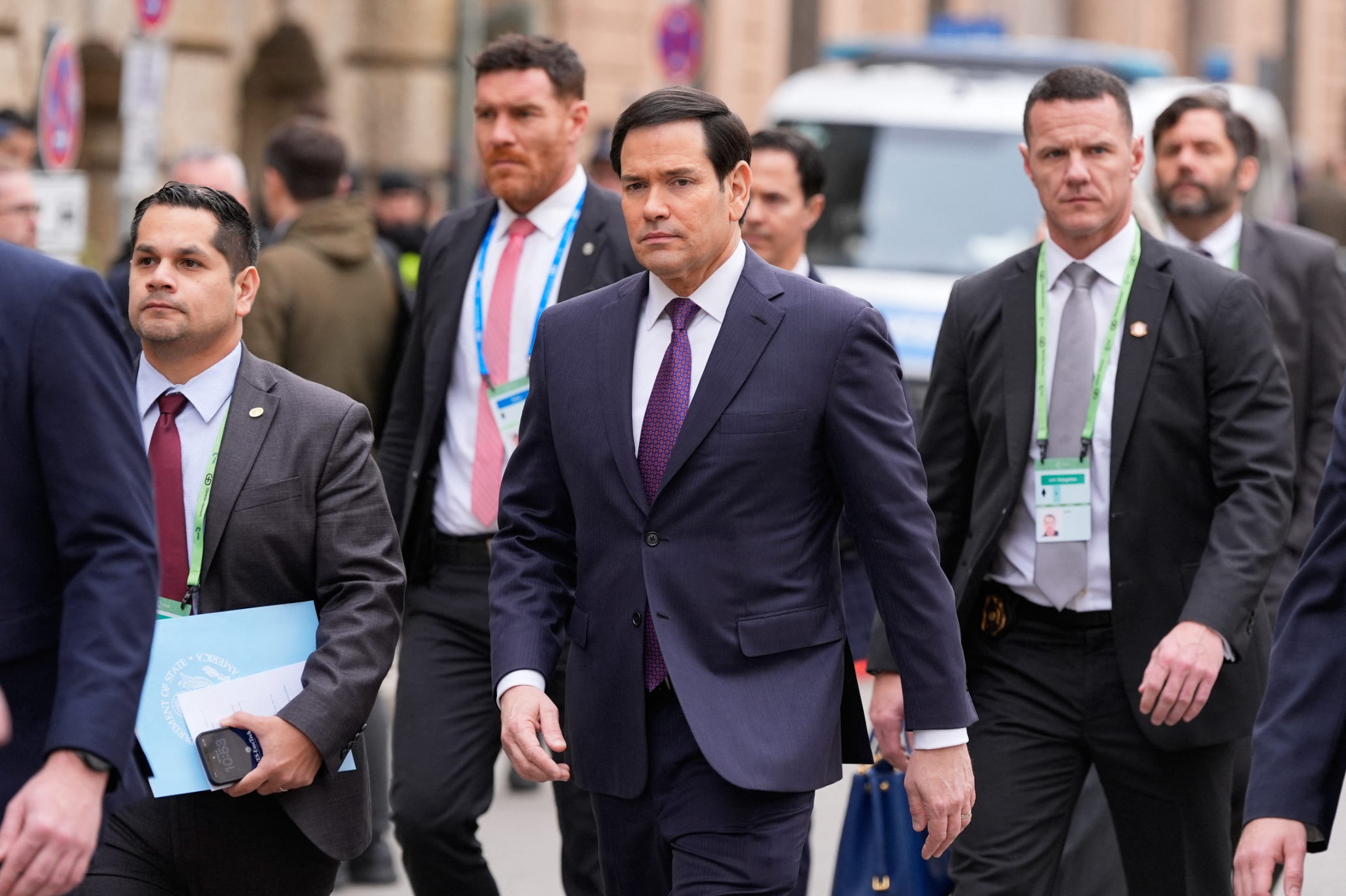
The shadow of division and pressure for reform.
Secretary of State Rubio's speech comes amid growing concerns among U.S. allies about whether Washington intends to abandon its partnership with Europe, stemming from Trump's threats of retaliatory tariffs, his attempts to annex Greenland, and cuts in international aid.
Vice President Vance's speech at the Munich Security Conference 2025 further exacerbated these concerns, as he vented his frustration at European leaders, telling them that the greatest threat to their security came "from within," not from China or Russia. These comments shaped the White House's starkly black-and-white national security strategy.
Vice President Vance's words resonated with European officials as they arrived in Munich this week, where many were focused on the end of the U.S.-led international order – one of the few points of agreement between Washington and its NATO allies.
"A chasm has opened up between Europe and America," said German Chancellor Friedrich Merz on February 13, just before a speech by US Secretary of State Rubio.
Merz stated: "The leadership position that America claims has been challenged, and very likely lost."
The new geopolitical era: Working together or acting independently.
Rubio also acknowledged the same on February 12th as he departed for Munich, telling reporters that "frankly, the old world is no more" and "we are living in a new geopolitical era."
The U.S. Secretary of State conveyed a similar message in his February 14 speech, albeit with a softer tone. "While we are prepared to act alone if necessary, our priority and hope remains to stand alongside you, our friends in Europe," Rubio said at the Munich Security Conference. "America and Europe, we belong together," Rubio added, emphasizing the importance of the long-standing partnership which is under increasing pressure.
Rubio acknowledged that the U.S. could sometimes be a little "blunt and pushy in its comments," but he also tried to reassure European leaders that the Trump administration remained committed to the alliance.
"We want allies who are proud of their culture and heritage, who understand that we are all heirs to the same great and noble civilization, and who are willing to join us in protecting that civilization," he stated.
US Vice President Vance praised Rubio's comments, writing on social media: "This was a fantastic speech. Worth watching in full."
Rubio's tone is a complete contrast to what Vance had expressed a year earlier. But the message from the U.S. to Europe remains unchanged: reform, or Europe will have to fend for itself.


