
Nghe An, the capital of incense making, is bustling with activity in preparation for Tet (Lunar New Year).
In the days leading up to the Lunar New Year, incense-making villages in Quy Chau and Chau Binh communes enter their peak production season, with many establishments working overtime and through the night to meet market demand. Amidst the bustling atmosphere, the aroma of cinnamon, star anise, and cardamom permeates the villages, creating a vibrant and characteristic scene of the "incense capital" every spring.
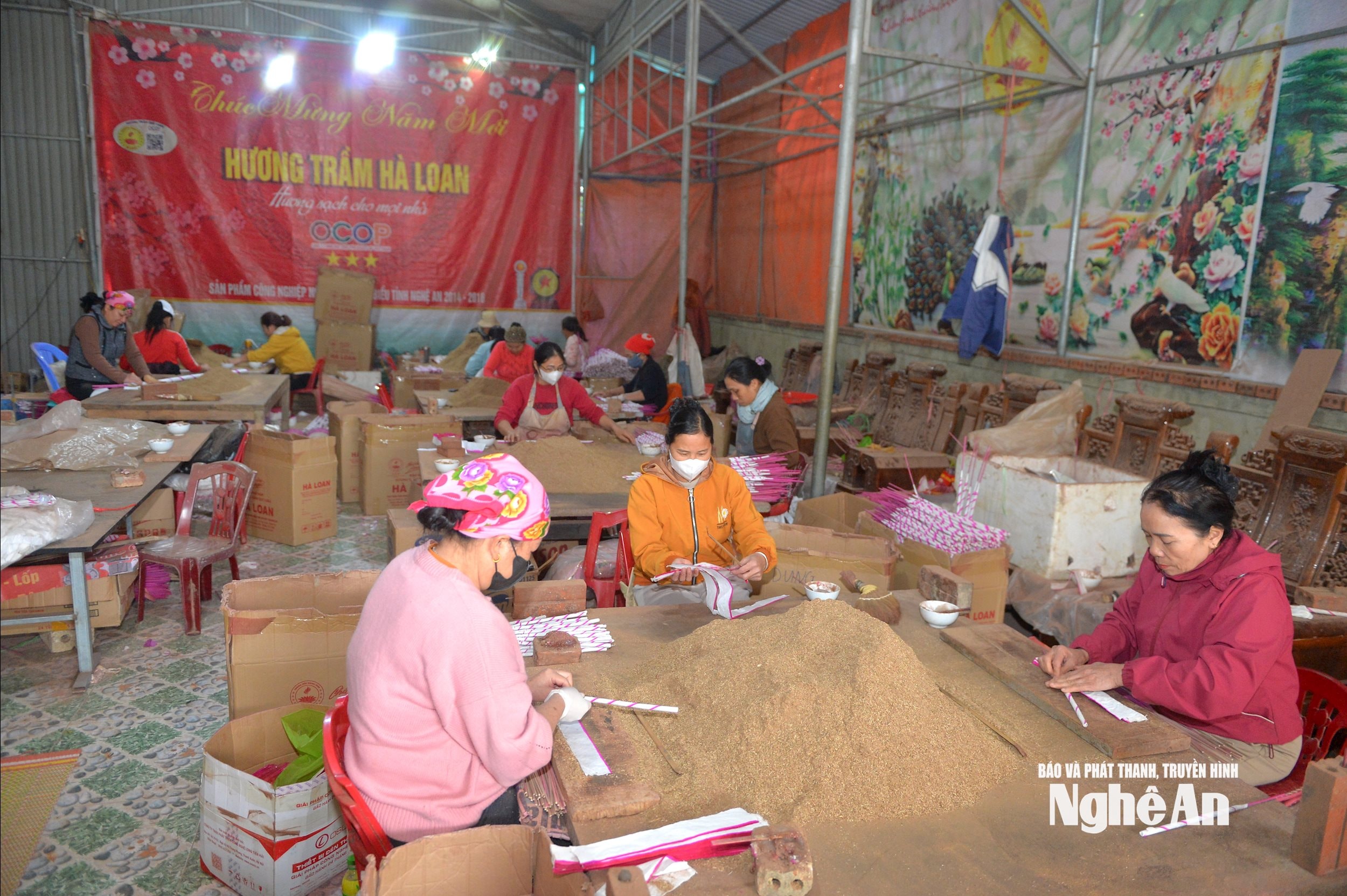
Quỳ Châu commune has long been famous for its traditional incense-making craft. The incense-making industry here has a history of over 40 years, closely intertwined with the lives of the local people and becoming the main source of livelihood for many households. Over generations, Quỳ Châu incense has not only served the needs of worship and religious practices in the region but has also been widely consumed in many provinces and cities throughout the country.
Ms. Tran Thi Loan, owner of the largest incense production facility in Quy Chau commune, said that the last three months of the year are considered the "final push" period for the incense-making industry. Starting from the tenth lunar month, we have to proactively prepare raw materials, plan production, mobilize additional workers, and work overtime continuously to complete orders for the Tet (Lunar New Year) market. Normally, the facility only maintains about 10-12 workers, but during the Tet season, we have to increase that to 30-35 people working continuously to meet the demand.
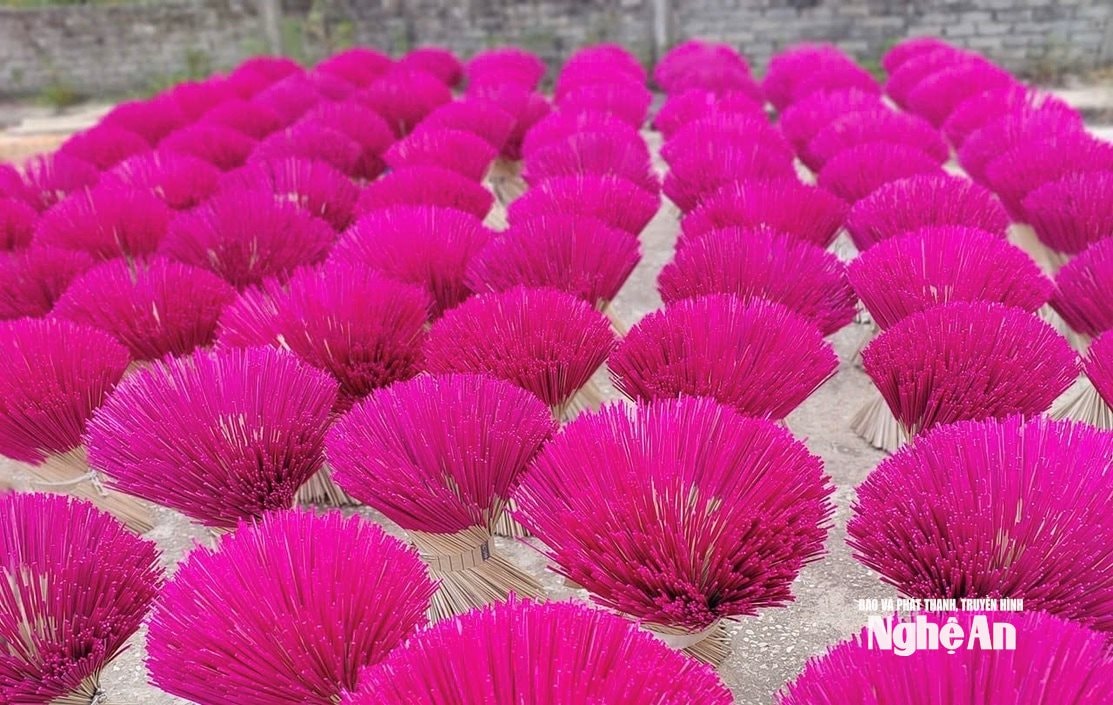
According to Ms. Loan, on average, her family's business supplies more than 300,000 incense sticks of various types to the market during each Tet holiday. To create a unique brand and quality, Quy Chau incense is made entirely from natural ingredients such as sugarcane bagasse, incense roots, star anise, cinnamon, cardamom, etc. Among these, incense roots are considered the "soul" that determines the product's distinctive aroma. After being harvested from the forest, the incense roots undergo many elaborate processes such as washing, chopping, roasting, burying in the ground, then mixing with other ingredients, grinding into a fine powder, and sieving to create incense powder.
Previously, all stages of incense making were done manually, requiring a lot of time and effort. However, in recent years, with the development of science and technology, we have boldly invested in modern machinery and equipment. Mechanizing some stages helps shorten production time and reduce labor for the artisans, while still preserving the traditional aroma – the core element that makes Quy Chau incense so valuable.
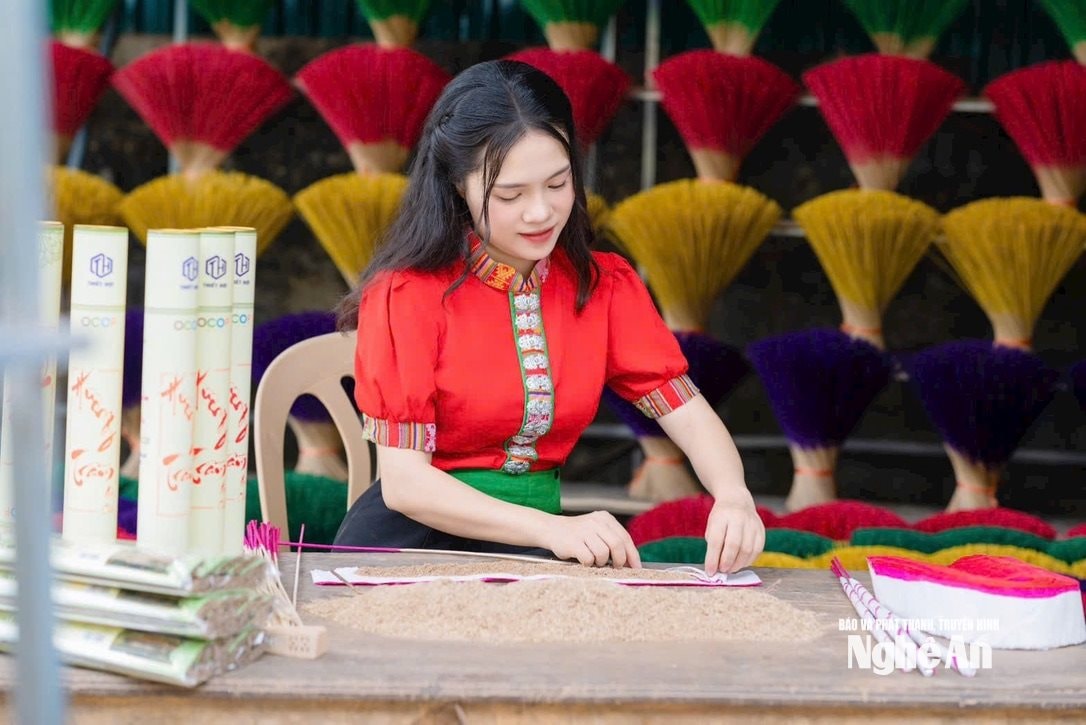
Not far away, at the incense production facility of Ms. Quang Thi Phuong Thuy in Ke Bon village, the atmosphere is equally bustling. Ms. Thuy said: "At this time of year, my family mobilizes more than 10 workers to work at full capacity. Each Tet season, we produce about 120,000 incense sticks, mainly supplying the market within the province. However, the biggest difficulty in incense making today is the source of incense root raw materials. For a long time, we had to go down to Quynh Thang commune to get incense roots, and the transportation costs were quite high. The people are hoping that the local authorities will soon have a plan to cultivate incense roots to ensure a reliable source of raw materials, reduce costs, and stabilize production in the long term."
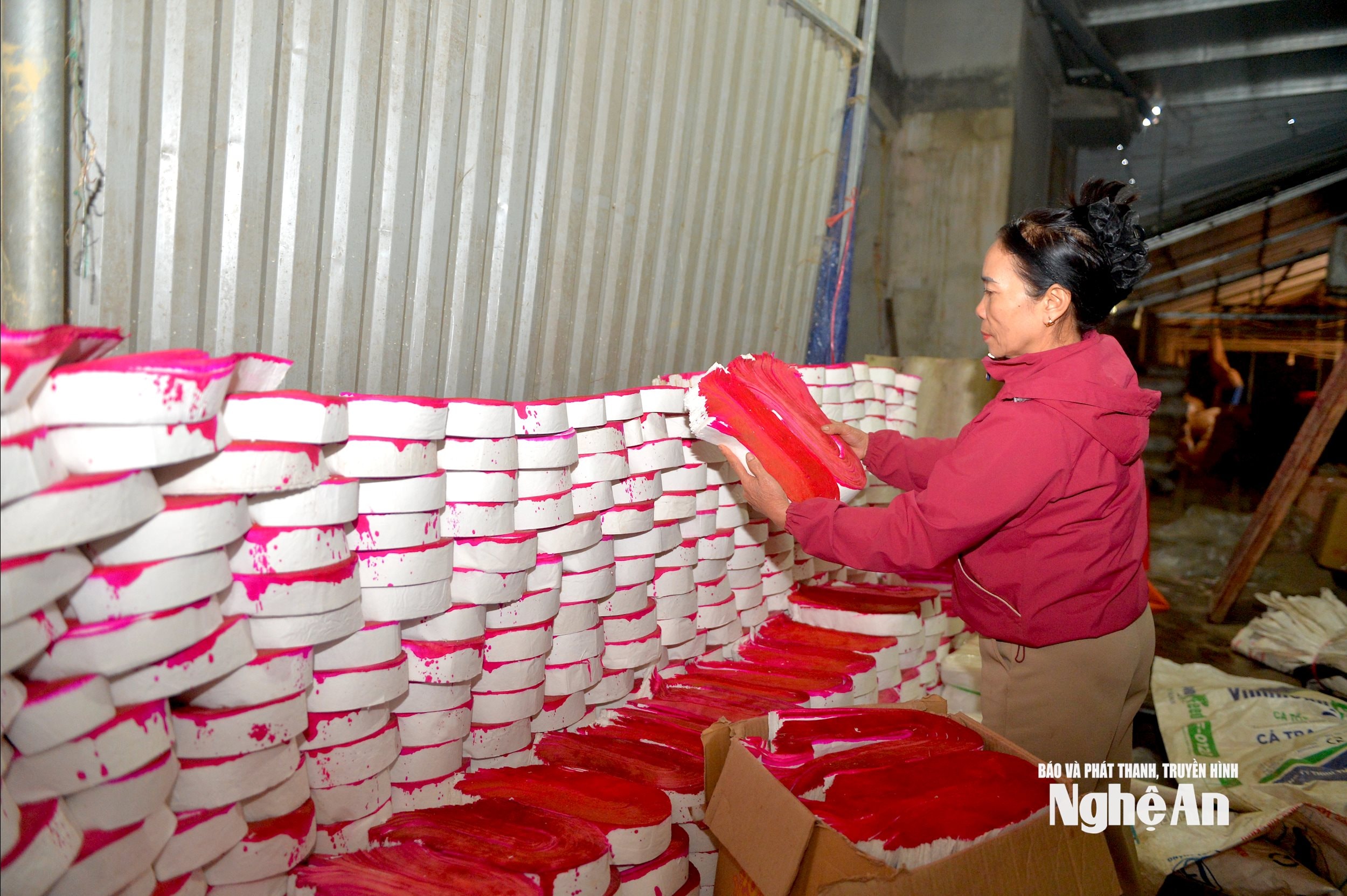
Not content with just traditional incense sticks, many households in the incense-making villages of Quy Chau and Chau Binh communes have boldly applied science and technology, diversifying their products to include incense cones and incense coils… to meet the increasingly diverse demands of the market, especially during Tet and spiritual festivals.
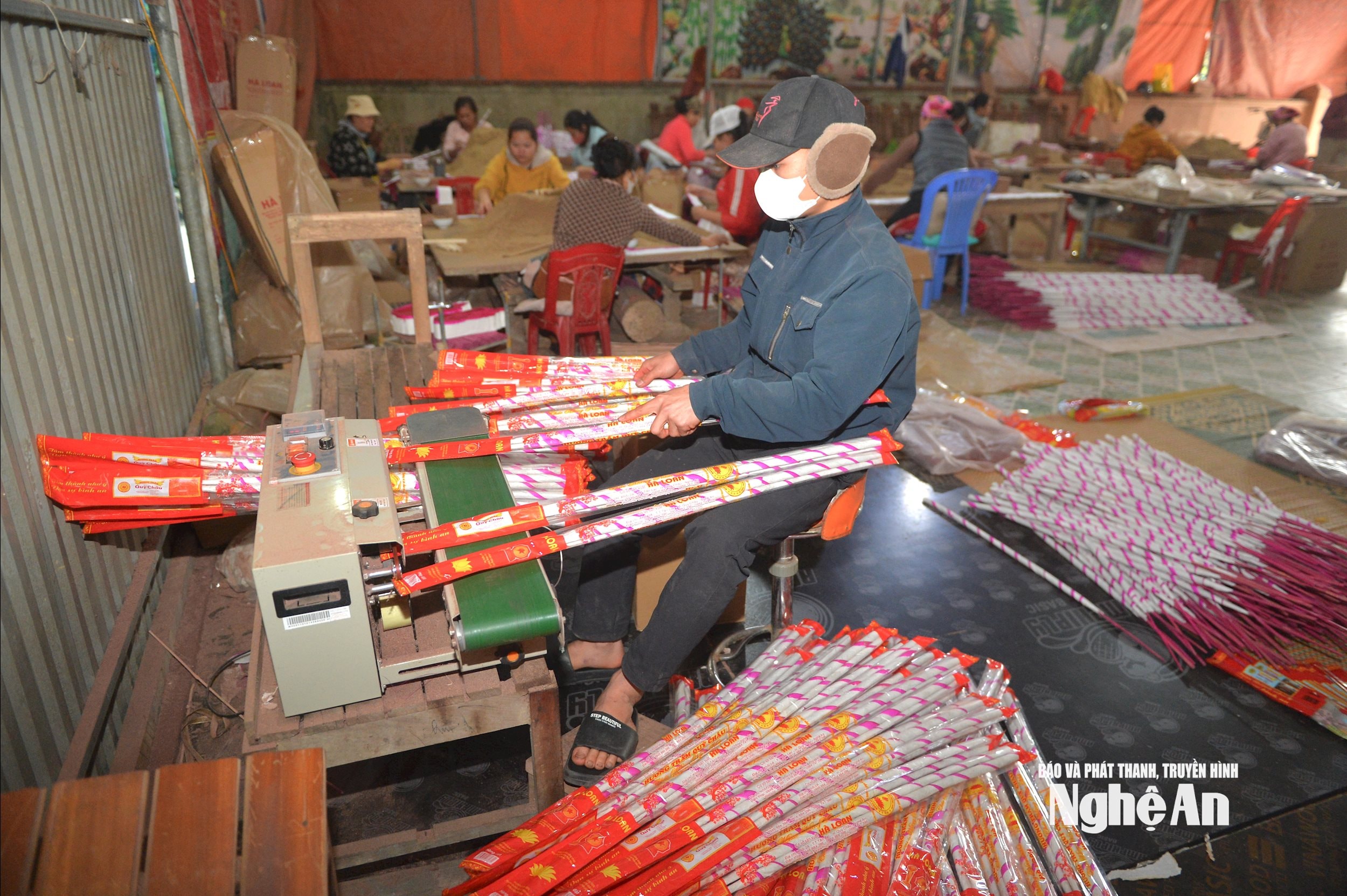
According to Ms. Hoang Thi Huyen Trang, a specialist in the Economic Department of the Quy Chau Commune People's Committee, the commune currently has 5 traditional craft villages, including incense-making villages in Hamlet 1, Hamlet 2, Hamlet 3, Tan Huong Hamlet, and Ke Bon Village, providing employment for over 150 households and producing and selling over 75 million incense sticks of various types annually. The local government always encourages large-scale production facilities to continue investing in machinery, innovating designs, and improving product quality, contributing to building and developing the Quy Chau incense brand in the market.
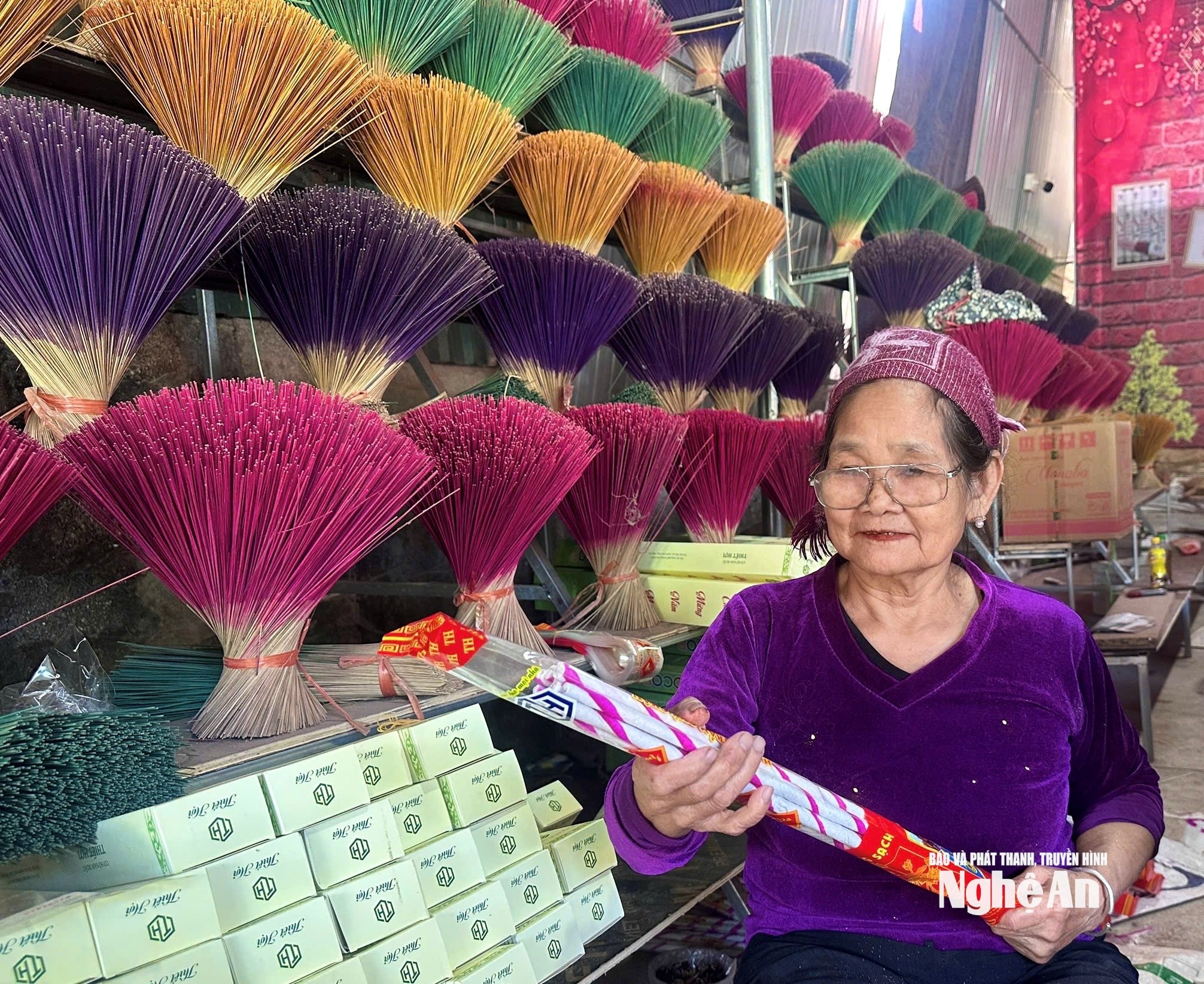
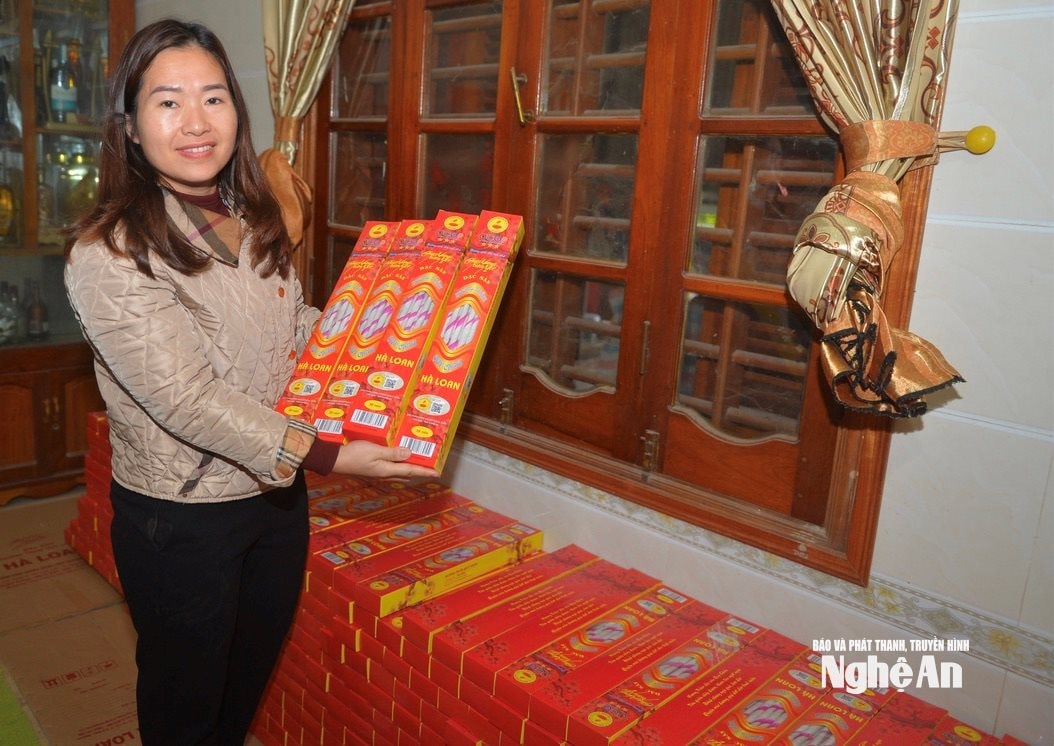
To date, the incense-making craft in the former Quy Chau district has 6 craft villages, including 5 concentrated in Quy Chau commune and 1 in Chau Binh commune. The total incense production in the district reaches approximately 85-90 million sticks per year, generating revenue of over 40 billion VND.
The incense-making industry not only provides stable employment for approximately 500-600 local workers, involving more than 250 production households, but also plays a significant role in poverty alleviation and promoting socio-economic development in the mountainous region of Nghe An province.


