
The Prime Minister presided over the conference to disseminate and implement the resolutions of the National Assembly.
On the morning of December 30th, Prime Minister Pham Minh Chinh chaired a conference to disseminate and implement the National Assembly's resolutions on removing obstacles to projects and land issues arising from inspection, audit, and court rulings, as well as the National Target Program for building new rural areas, sustainable poverty reduction, and socio-economic development in ethnic minority and mountainous regions.
The conference was co-chaired by Politburo member and Standing Deputy Prime Minister Nguyen Hoa Binh; and Central Committee member and Deputy Prime Minister Mai Van Chinh.
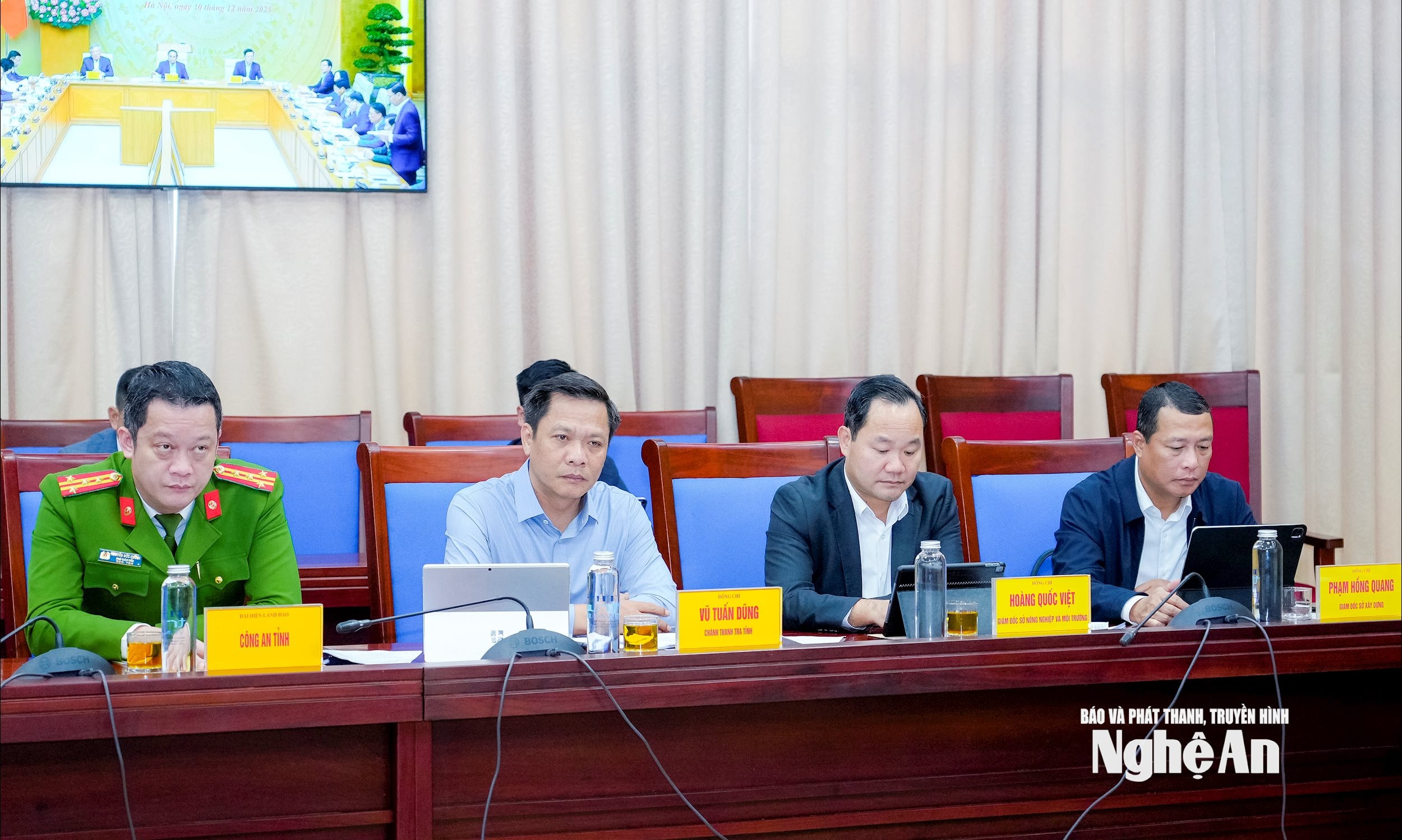
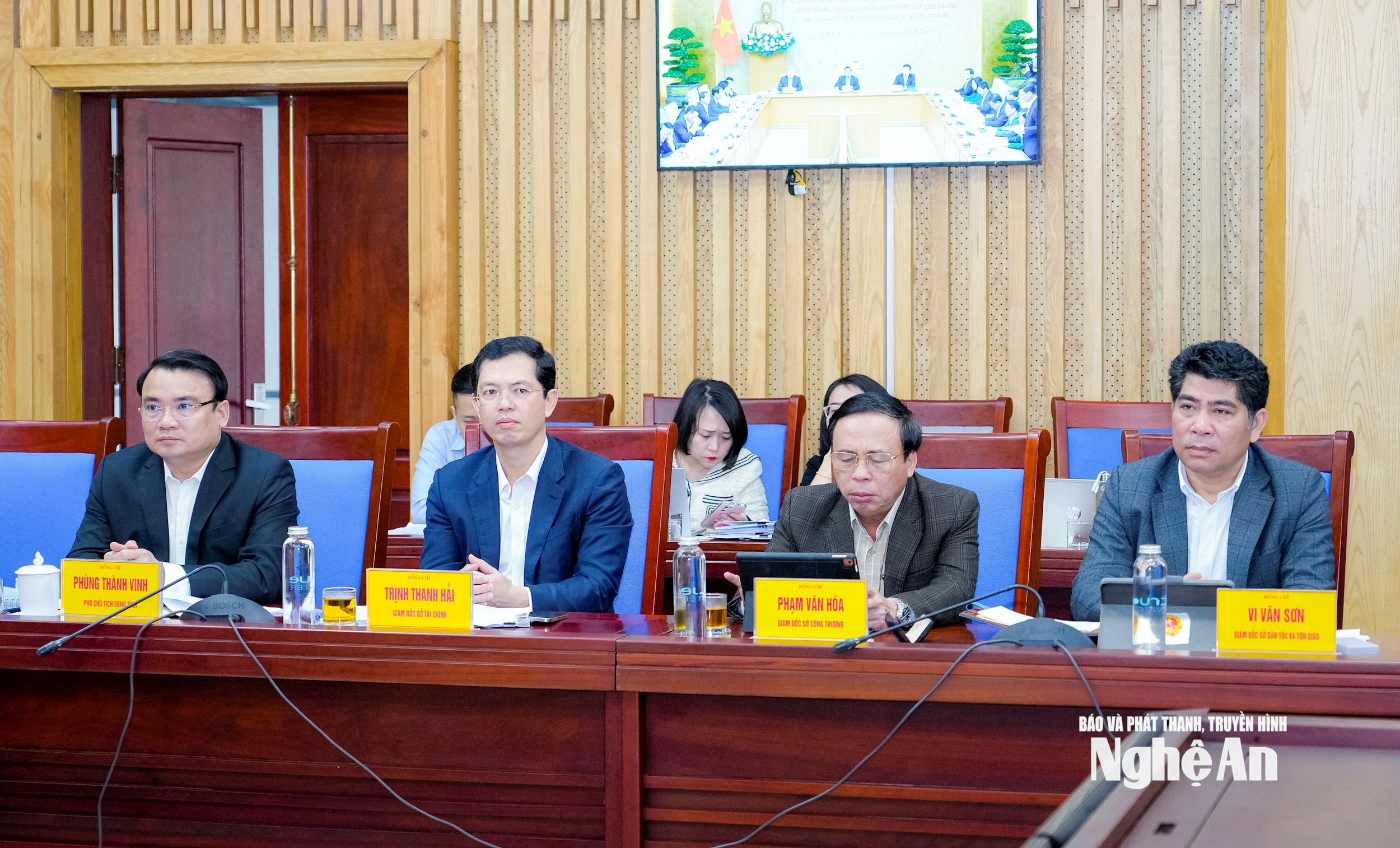
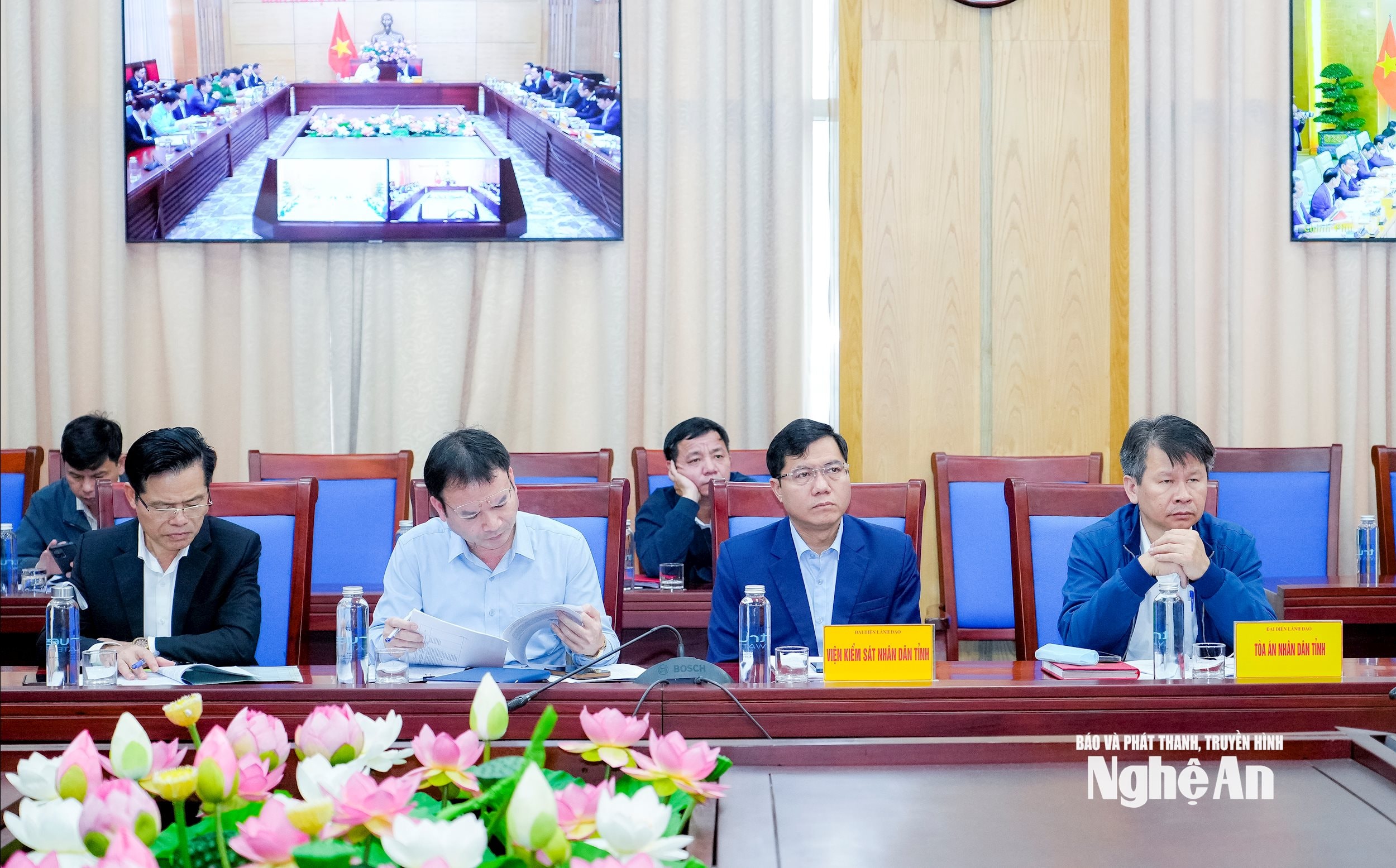
At the Nghe An provincial venue, the meeting was chaired by the Provincial Party Secretary Nguyen Khac Than and the Deputy Provincial Party Secretary and Chairman of the Provincial People's Committee Vo Trong Hai. Attending the conference were members of the Provincial Party Standing Committee, leaders of the Provincial People's Committee, and representatives from various departments and agencies.
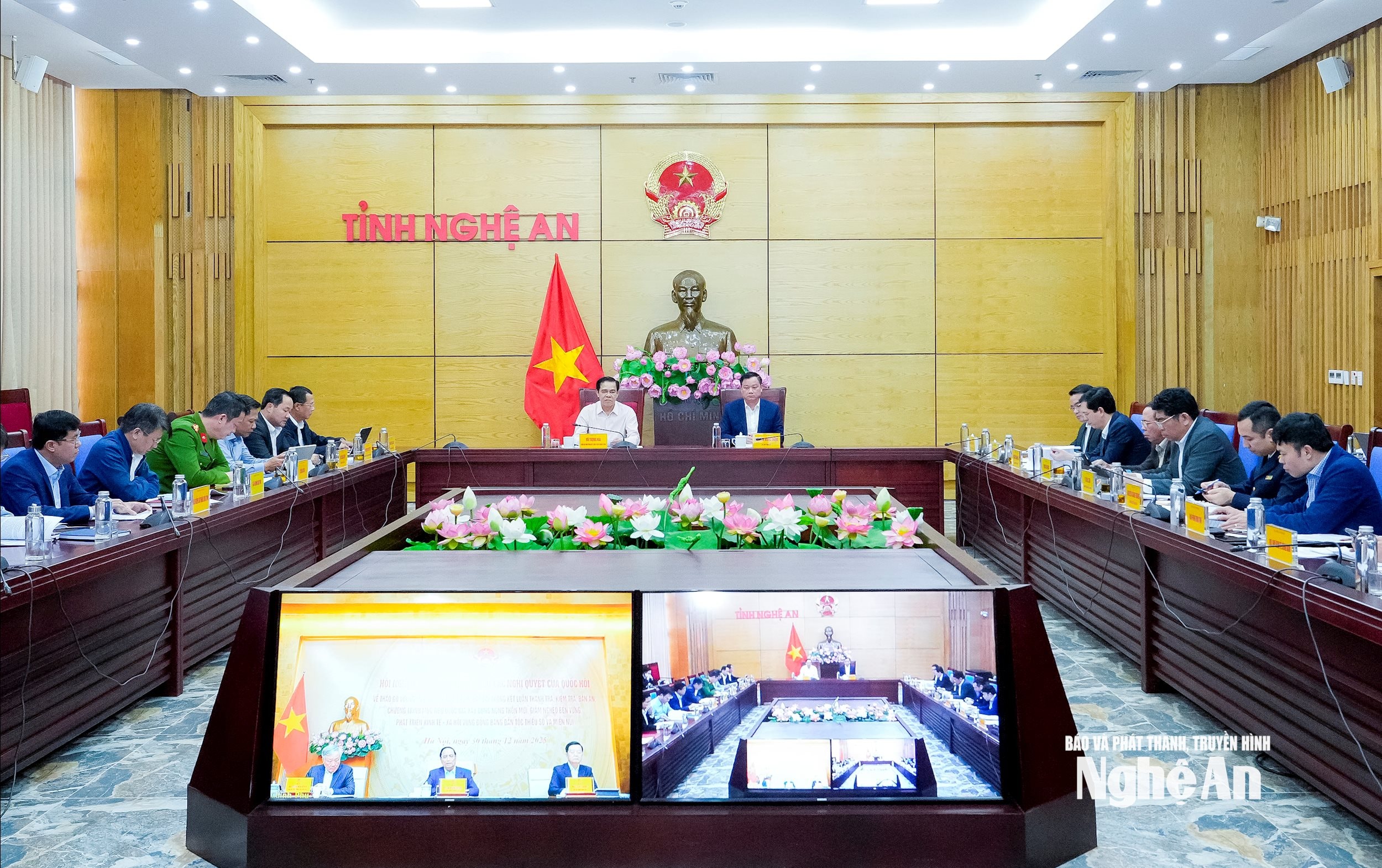
Across the country, there are 2,991 projects facing difficulties, obstacles, backlogs, and delays.
At the conference, the Minister of Finance presented a report on the activities of the Steering Committee 751 on resolving difficulties and obstacles in stalled projects and disseminated the Resolution of the 10th session of the 15th National Assembly related to removing difficulties and obstacles for stalled and long-standing projects.
In implementing Resolution No. 170 of the National Assembly and Decision No. 751 of the Prime Minister, the Ministry of Finance reviewed and advised the Government to submit to the Politburo a report on the plan to review and resolve difficulties and obstacles for projects. Accordingly, the whole country recorded 2,991 projects with difficulties, obstacles, and long-standing issues that need to be resolved, with a total scale of 153,000 hectares and a total investment of 2.46 trillion VND.
.jpg)
At its 10th session, the 15th National Assembly passed Resolution No. 265, allowing for the expansion of the application of specific mechanisms and policies to address difficulties and obstacles related to projects and land in inspection and audit conclusions, and judgments with similar legal situations, where the time of the violation or wrongdoing in the inspection and audit conclusions and judgments was determined before the issuance of Resolution No. 265.
The Minister of Agriculture and Environment reported on the specific policies outlined in Resolution No. 170/2024/QH15 of the National Assembly; the results of implementing three national target programs: building new rural areas; sustainable poverty reduction and socio-economic development for ethnic minorities and mountainous regions in the 2021-2025 period; and the implementation of Resolution No. 257/2025/QH15 approving the investment policy for the program in the 2026-2035 period.
Resolution No. 170 consists of 10 articles, stipulating 4 key policy groups, aimed at addressing difficulties and obstacles related to projects and land that have been specifically identified in inspection and audit conclusions and legally binding judgments in the list attached to the Resolution in the three aforementioned localities.
The Inspector General of the Government reports on the results of the thematic inspection of projects and works facing difficulties, obstacles, delays, long-standing backlogs, low efficiency, and risks of causing losses and waste, according to Inspection Plan No. 1505/KH-TTCP dated July 22, 2025.
To date, Nghe An province has reviewed 33 projects facing difficulties and obstacles; including 1 public investment project, 1 public-private partnership project, and 31 projects outside the state budget. Nghe An has categorized these projects and proposed solutions.
Of these, 6 projects proposed to be implemented under Resolution No. 170 of the National Assembly; 16 projects fall under the jurisdiction of the National Assembly; 2 projects are handled under the authority of the Government, the Prime Minister, or the authority of ministries and agencies; 3 projects are handled under the authority of the province; and 6 projects are proposed to be withdrawn from System 751 due to the absence of difficulties and obstacles.
Regarding the implementation of national target programs, the total investment capital plan for the province in the 2021-2025 period is VND 5,448.431 billion. To date, VND 5,345.877 billion has been allocated in detail, reaching 98.12%.
The total planned capital for recurrent expenditures for the period 2021-2025 is VND 3,969.118 billion. As of December 20, 2025, VND 3,969.118 billion has been allocated in detail, reaching 100%. As of December 20, 2025, development investment capital has been disbursed at VND 4,362.449 billion, reaching 81.77%; recurrent expenditure capital has been disbursed at VND 1,899.911 billion, reaching 47.86%.
By June 30, 2025, the entire province will have 275 out of 362 communes meeting the new rural standards; 102 out of 275 communes meeting the advanced new rural standards; 16 out of 275 communes meeting the model new rural standards; and 10 district-level units meeting the new rural standards/completing the new rural development tasks; among them, Nam Dan district was recognized as having achieved advanced new rural standards in 2024.
The average annual reduction in the poverty rate in Nghe An province is 1.21%; the average annual reduction in the poverty rate in ethnic minority and mountainous areas is over 3%; the target for reducing the number of poor households is estimated at 37,710 households/66,673 households (at the beginning of the period).
Avoid wasting society's resources and assets.
Concluding the conference, Prime Minister Pham Minh Chinh requested ministries, sectors, and localities to continue removing obstacles for projects; continue reviewing the difficulties of other projects, reporting to competent authorities for resolution, and resolving them within their authority. Sectors and localities must also proactively review and handle, within their authority, the four key policy groups outlined in Resolution 170.
This will significantly contribute to achieving double-digit economic growth targets in the coming years; create space and room for development, and prevent the loss and waste of land resources belonging to the State, the people, and businesses.
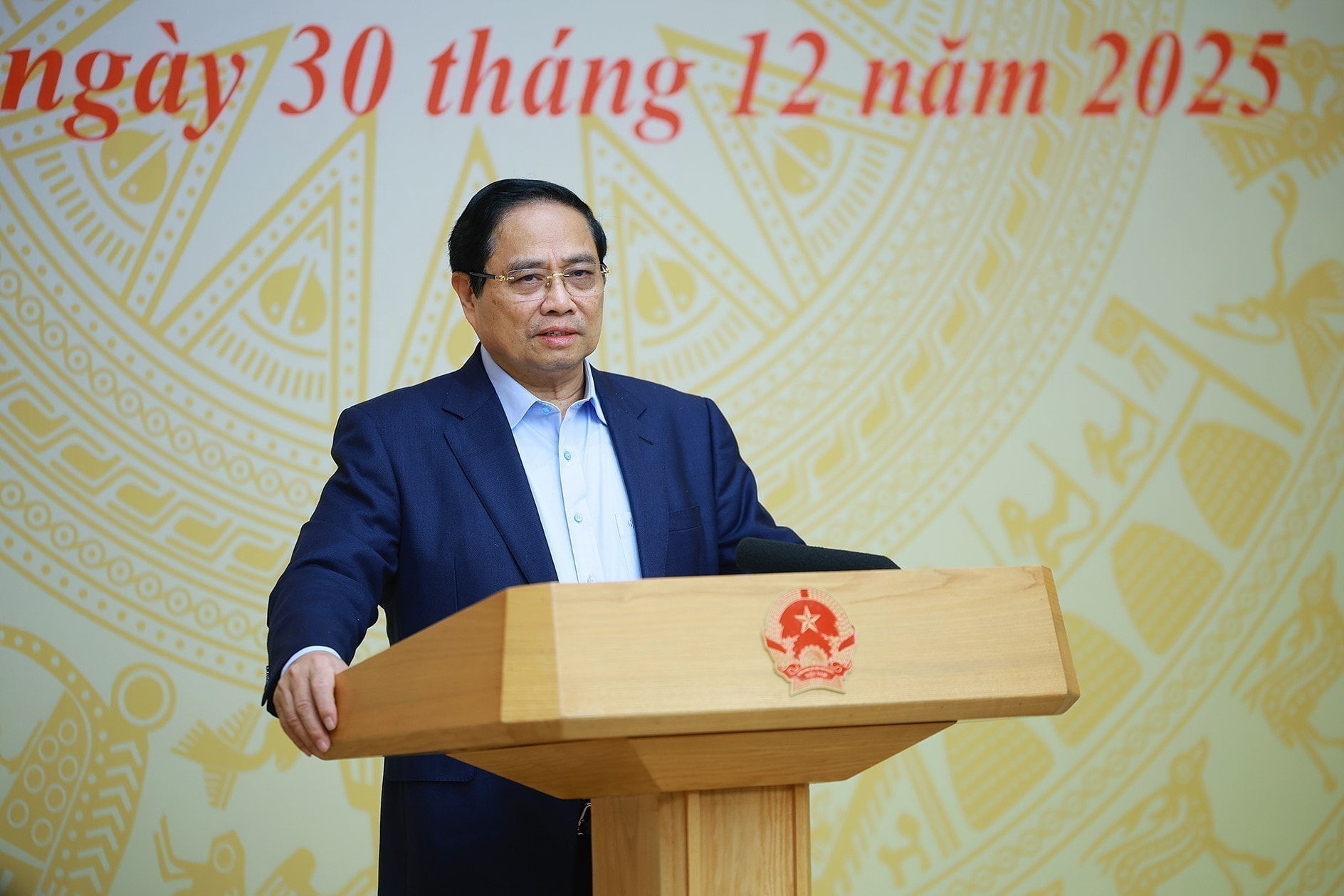
Emphasizing that resolving difficulties and obstacles for projects is a challenging, complex, and sensitive issue, the Prime Minister stressed the importance of continuing to work while learning from experience and gradually expanding the scope of the process. He stressed the need to foster a spirit of daring to think, daring to act, and daring to take responsibility in order to definitively resolve difficulties in accordance with the Party's regulations and the State's laws.
The Prime Minister requested the Ministry of Agriculture and Environment to take the lead in submitting to the Government a decision on guiding localities to implement Resolution No. 170; and to coordinate with the Ministries of Construction, Finance, Justice and other relevant agencies to urgently review and submit to the Government for promulgation guiding documents to implement the contents that are still unclear, ambiguous, or not specific.
The Ministry of Finance, in coordination with the Government Inspectorate, will review, compile, and submit to the Government a list of land-related projects that meet the conditions for applying the mechanisms and policies in Resolution No. 170.
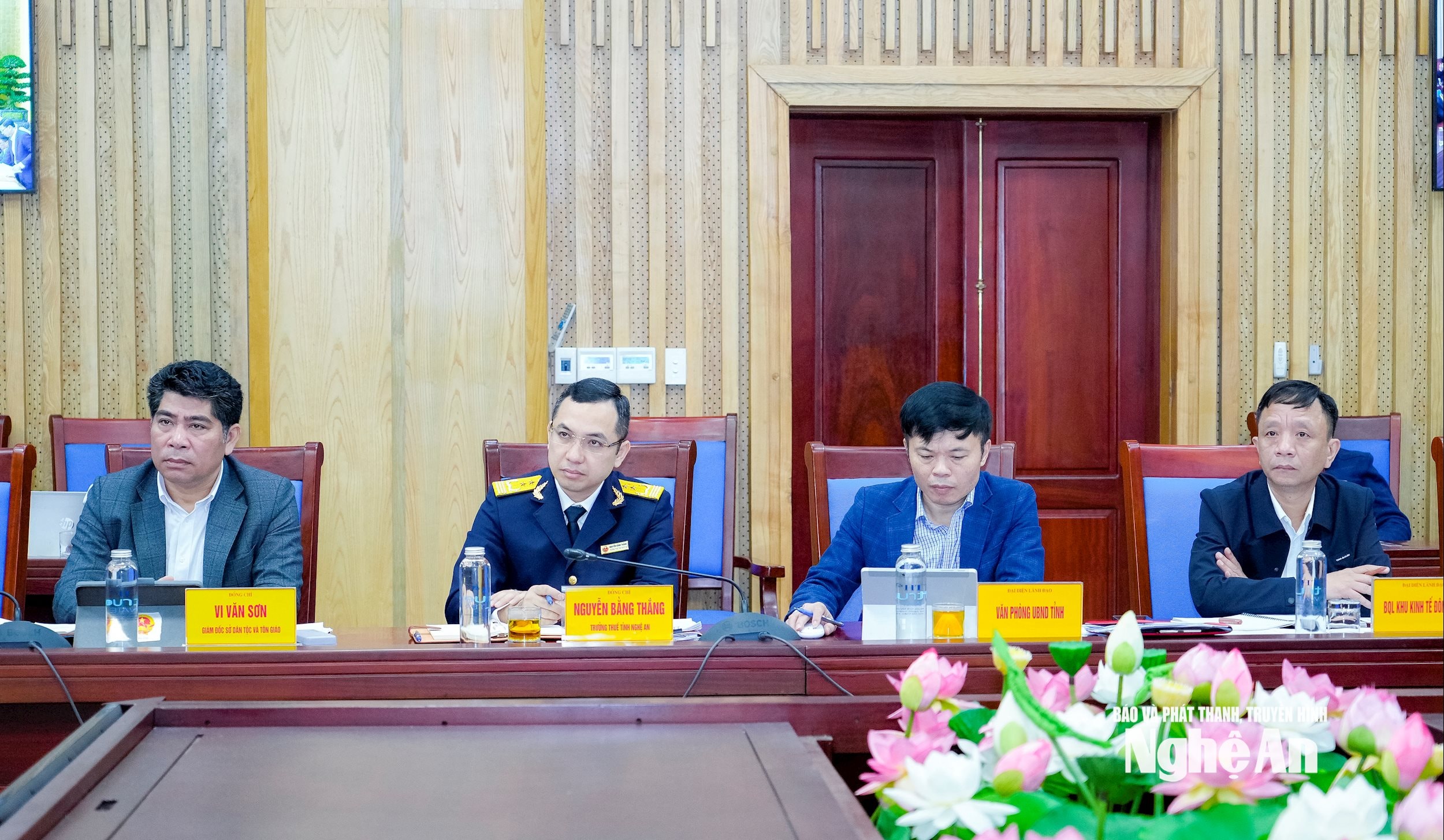
For localities, the Prime Minister requested that they proactively review and summarize difficulties and obstacles based on the actual situation, and propose solutions within their authority; at the same time, they should proactively implement the contents within their authority.
Regarding Party agencies, the National Assembly, and judicial bodies, the Prime Minister requested continued attention and coordination with the Government, ministries, and localities to effectively implement Conclusion No. 77 of the Politburo and Resolution No. 170 of the National Assembly. This is especially important during the inspection, supervision, investigation, prosecution, and trial of related cases and incidents.
"The spirit is to both ensure the strict enforcement of the law and create conditions to overcome difficulties and unlock resources for socio-economic development. We must avoid wasting social resources due to legal obstacles," Prime Minister Pham Minh Chinh emphasized.
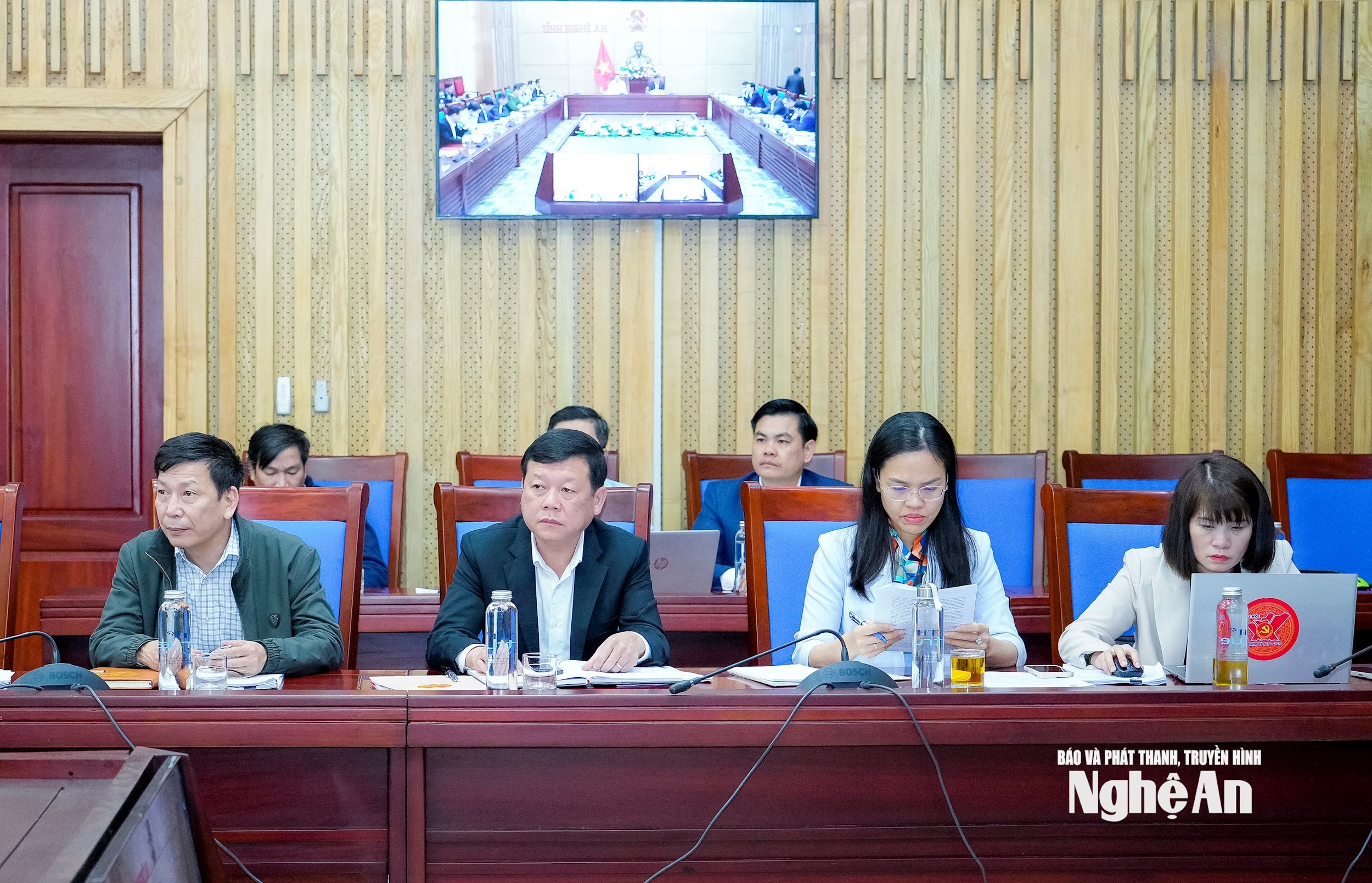
The Prime Minister emphasized the need for high determination, great effort, and decisive action, ensuring that each task is completed thoroughly and effectively. Furthermore, it is necessary to clearly assign responsibilities, tasks, timelines, authority, and expected results; and to regularly monitor and inspect the process.
Regarding Resolution No. 257 of the National Assembly, the Prime Minister requested its implementation to avoid overlapping in target groups and scope. Ministries should continue to decentralize power, delegate authority, and allocate funds to localities to enable them to proactively implement programs.
During implementation, it is necessary to avoid spreading resources too thinly and prioritize investment in disadvantaged areas and ethnic minority regions. Capital allocation should follow the principle that the central government provides the total capital, while localities decide on specific investment content. Transparency and objectivity are essential, based on the application of science and technology, digital transformation, the development of databases and interconnected monitoring and evaluation systems, and enhanced community oversight.
In addition, localities should strengthen propaganda and raise awareness among the entire political system and the people about the Party and State's policies, the humanitarian nature of the program, and promote the self-reliance and self-improvement of relevant stakeholders. Focus on developing programs and implementation plans that are targeted and appropriate to the practical conditions of each region and locality.
In parallel with state resources, Prime Minister Pham Minh Chinh suggested that localities mobilize resources from outside the government and from businesses to bring practical benefits to the people.
The program should be implemented decisively in the spirit of: Local authorities decide, local authorities act, local authorities take responsibility, and accountability should be assigned to all levels, sectors, and especially to the heads of departments.
Focus on building sustainable models, green growth, and value linkages. Concentrate on changing mindsets, raising awareness, and motivating people to confidently escape poverty, compete to become wealthy, engage in green and sustainable production, and embrace digital transformation.


