
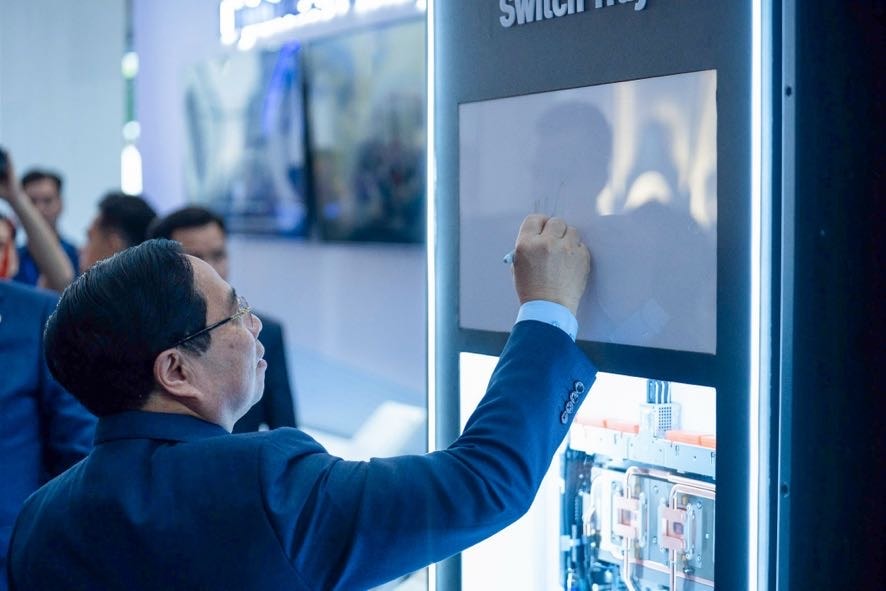
The Prime Minister attends key events at the Autumn Economic Forum.
On the morning of November 26th, the 2025 Autumn Economic Forum officially opened in Ho Chi Minh City. The forum was attended by Prime Minister Pham Minh Chinh, Deputy Prime Minister Bui Thanh Son, leaders from ministries, sectors, and localities, approximately 30 diplomatic missions from foreign countries in Vietnam, national leaders, experts, scientists, and over 500 domestic businesses in the fields of science, high technology, and innovation.
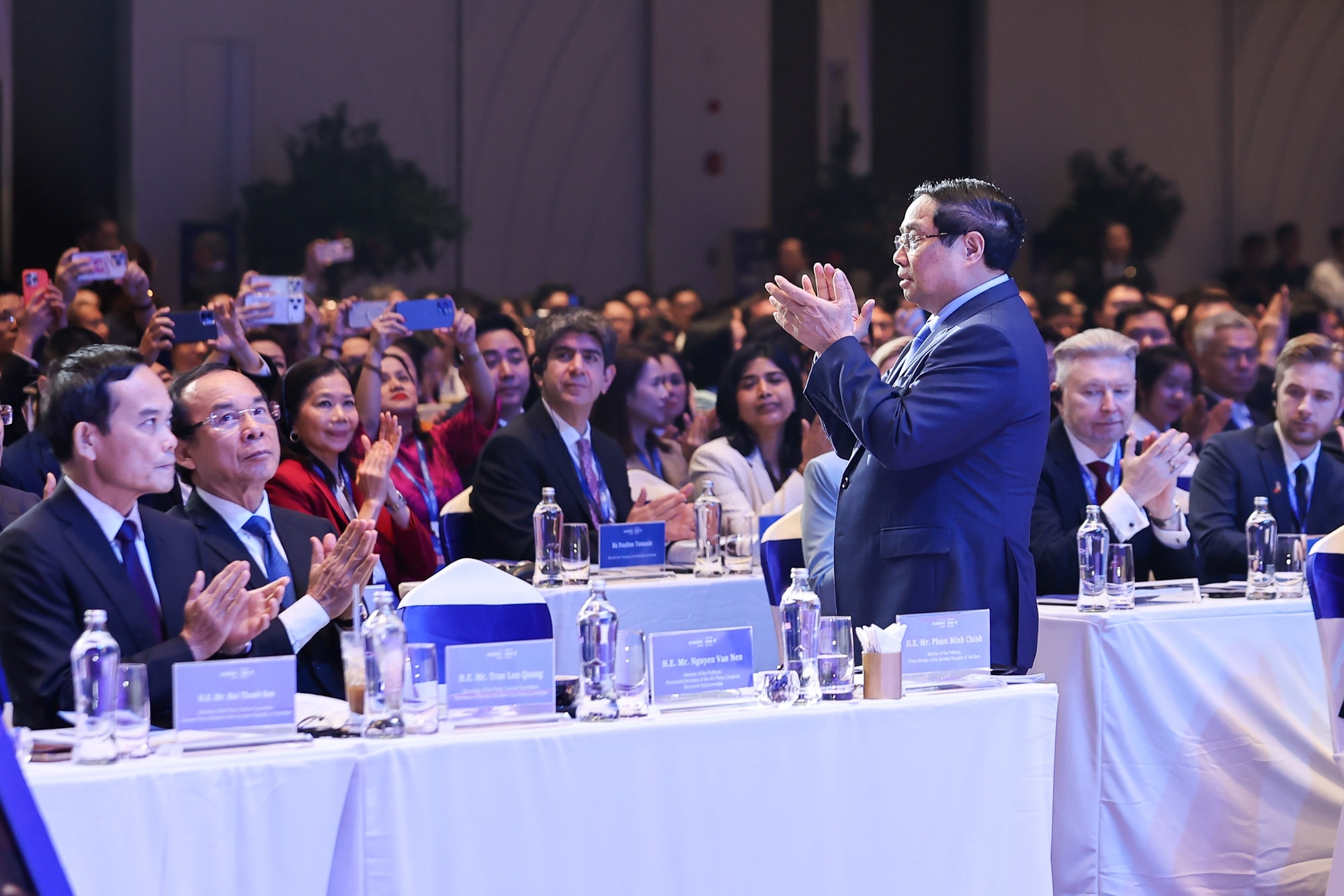
On the international side, the Forum attracted 70 delegations from innovation centers and large corporations, 6 delegations from international ministries and agencies (Australia, China, Kuwait, Malaysia, etc.), 8 delegations from international localities, 7 delegations from major international organizations such as the United Nations (UN), the International Monetary Fund (IMF), the Asian Development Bank (ADB), and 10 global Centers for the Fourth Industrial Revolution (C4IR)...
Specifically, on November 26th, Mr. Stephan Mergenthaler, Managing Director of the World Economic Forum (WEF), along with leaders from various departments and centers of the WEF, will directly participate in and co-organize activities including the Plenary Session, the Parallel Discussion on Smart Manufacturing, the Lunch and Working Session with Government Leaders, and the High-Level Policy Dialogue with the Prime Minister of Vietnam.
The WEF's deep involvement and support at this Forum demonstrates its interest in and commitment to promoting strategic cooperation between the WEF and Vietnam in general, and with Ho Chi Minh City in particular, in the future.
The morning session began with speeches from the Prime Minister of Vietnam, city leaders, and leaders from ministries and sectors of various countries. The objective of the Plenary Session was to clarify the action strategy of "dual transformation," with a central focus on people-centered approaches in the context of rapid scientific and technological development, while also analyzing new industrial trends, the role of AI, automation, and green technologies in enhancing productivity and restructuring value chains.
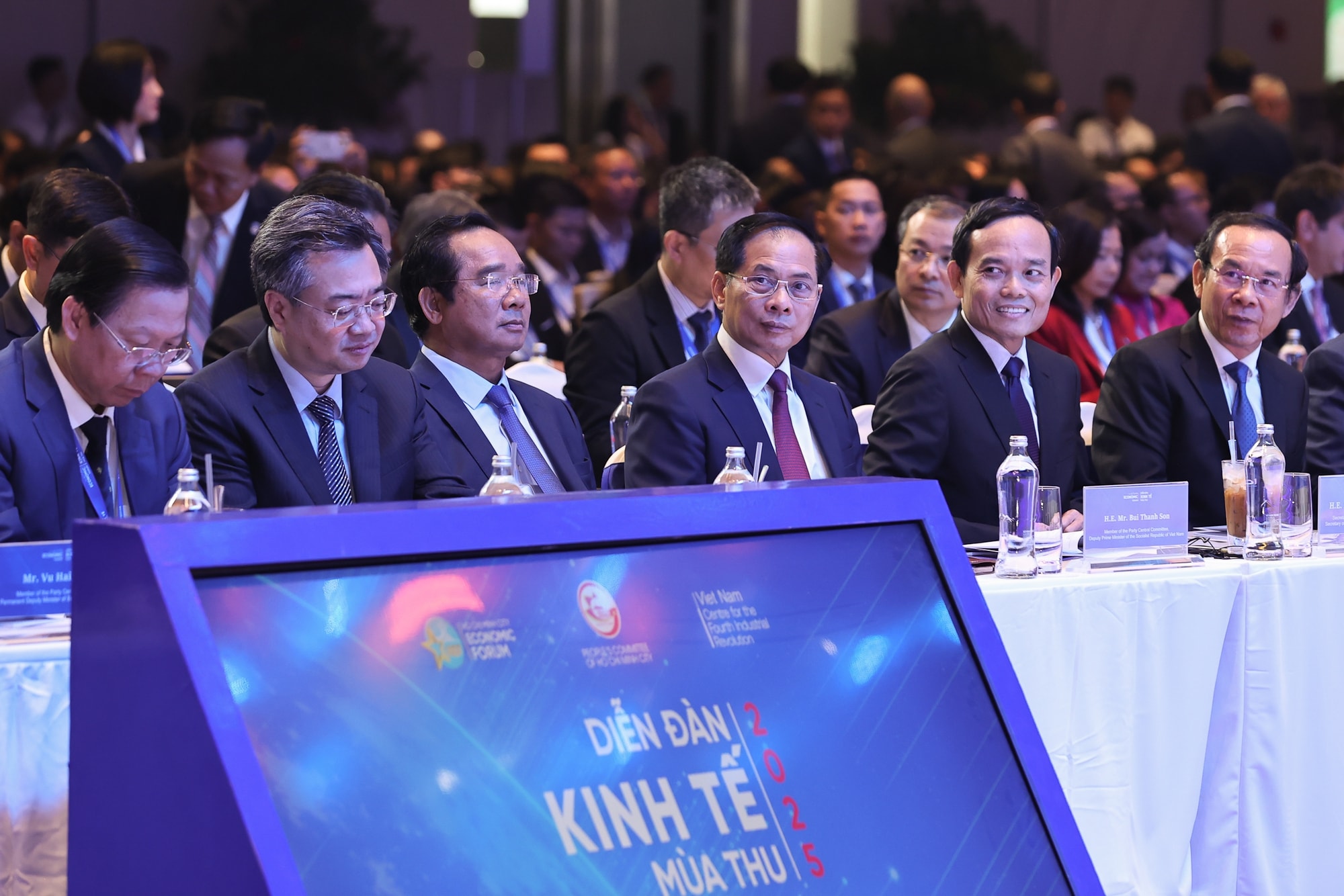
The Plenary Session also highlighted the need to clarify the global prospects of the smart economy model, pointing out the benefits to be seized and the risks that Vietnam needs to prepare for, thereby proposing ways to build a smart, transparent, and sustainable megacity model for the country.
To delve into the core issues in Vietnam's and the region's dual transformation towards a smart economy, the Forum continues with three parallel thematic discussion sessions. Session 1 (co-organized with the WEF) focuses on "Smart Manufacturing and Global Supply Chains". Session 2 explores the topic of "Smart Logistics and Ports in the Context of Dual Transformation". Session 3 focuses on "Smart Government in the Digital Age".
Following the morning discussions, senior delegates attended a working lunch with government leaders and representatives to discuss the topic "Cooperation for Green Goals in the Digital Age Towards a Smart Economy".
The afternoon program was the highlight of the event, with the high-level Policy Dialogue between the Prime Minister of Vietnam and the leaders of the World Economic Forum (WEF). The Dialogue began with a session of dialogue with leaders of central ministries and agencies, followed by the high-level Policy Dialogue between the Prime Minister of Vietnam and the WEF leaders, themed: "Science and Technology Shaping Vietnam in the Era of Empowerment".
Overall, the working sessions not only clarified the theme of "Green Transformation in the Digital Age," but also created a comprehensive strategic framework, from mindset and policies to implementation models, enabling Ho Chi Minh City and Vietnam to confidently enter the 2026–2030 development phase with a new foundation: a greener, more digitized, and smarter economy.
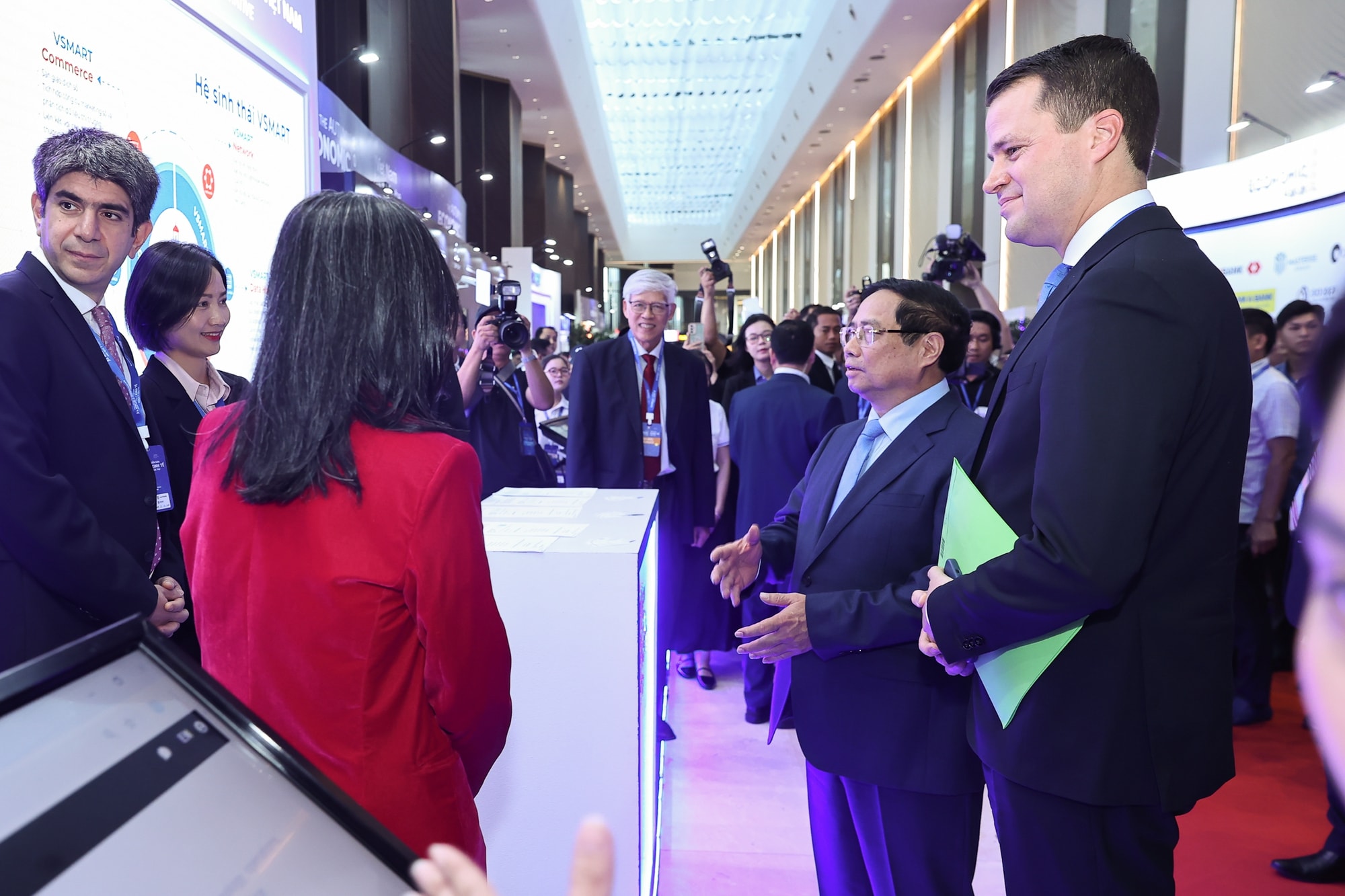
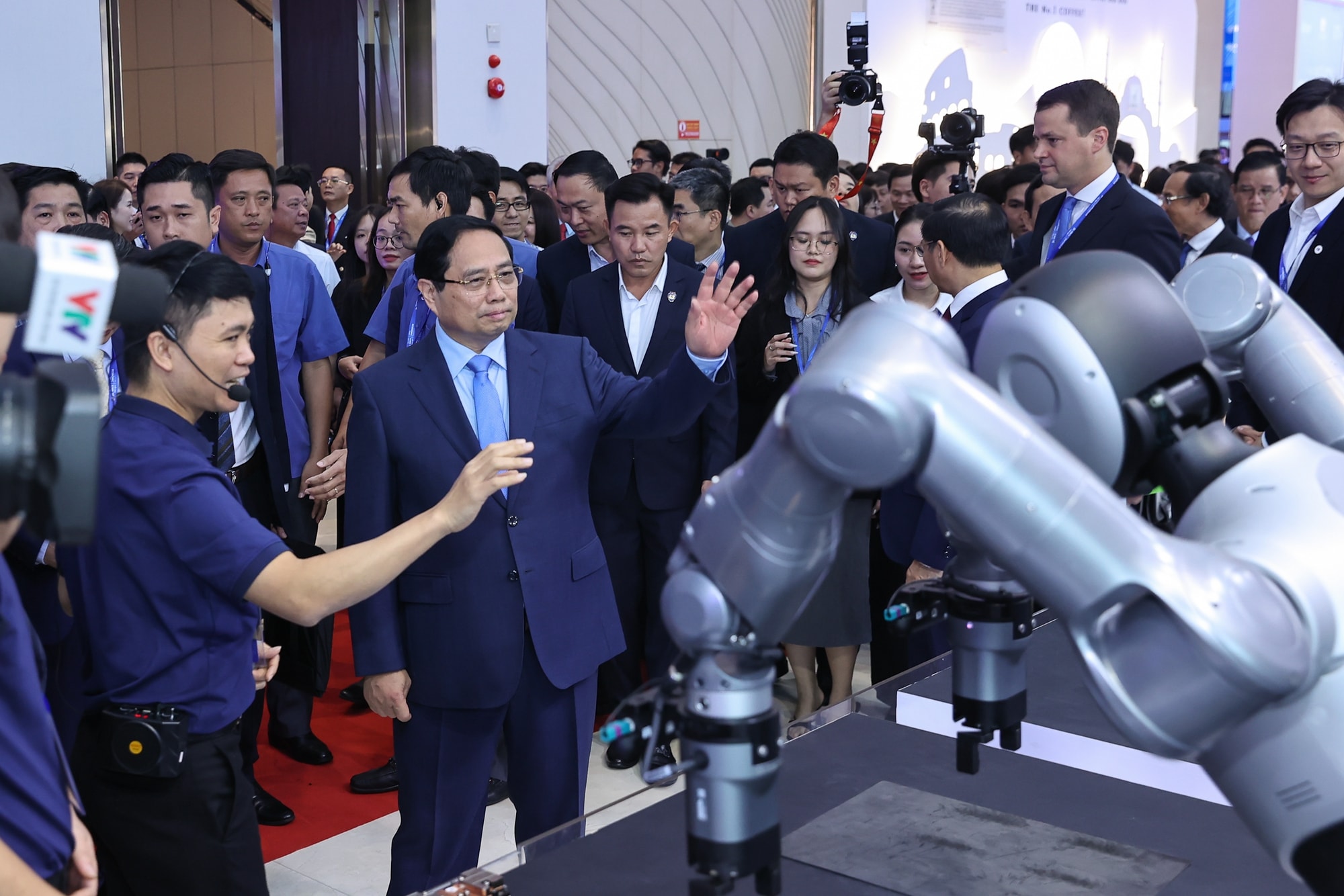
In particular, the Joint Statement between Ho Chi Minh City and the WEF is a significant milestone affirming the position of Ho Chi Minh City and Vietnam as a "co-creating" partner in global initiatives led by the WEF, reflecting the new status of Vietnam and Ho Chi Minh City in the international cooperation network. Furthermore, through this milestone, Ho Chi Minh City enters the global manufacturing innovation network in a proactive role, contributing to shaping advanced industrial models to serve the nation's green and sustainable development in the new era.
Furthermore, with nearly 15 cooperation agreements signed at the Forum between domestic and international businesses and organizations in green and digital fields such as energy, logistics, artificial intelligence, and finance, as well as numerous side meetings and bilateral and multilateral consultations at various levels, the Forum affirmed its crucial role and significance in transforming ideas into practical solutions. Through the Forum, the bridge between businesses and the government, and between domestic and international resources, was strengthened, creating opportunities for all parties to exchange ideas, cooperate, and jointly seek solutions for the synchronized development of the green and digital economies.
The forum also affirmed Vietnam and Ho Chi Minh City's strong commitment to providing the best support and creating a favorable environment for businesses, investors, scientists, and international organizations in the process of applying science and technology and innovation, demonstrating the vision and aspiration to become a leading innovation center in Southeast Asia, a green, smart, and livable megacity, making a positive contribution to the overall development of the country and the region.


