
Chancellor Merz: Germany is not a 'ball' for the great powers.
In his New Year's message for 2026, German Chancellor Friedrich Merz emphasized that Germany is not "a ball" to be played with.
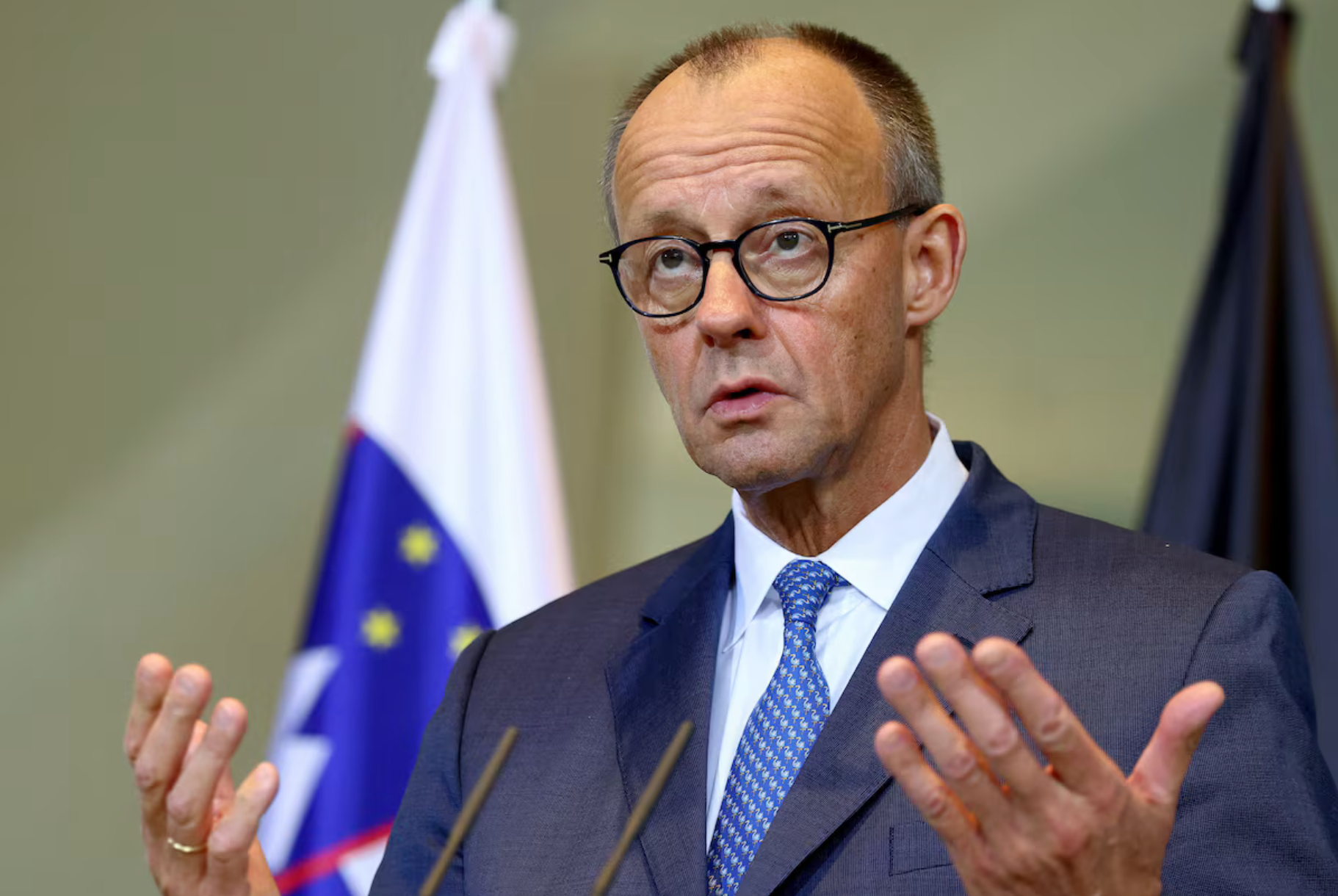
According to RIA Novosti on December 31, German Chancellor Friedrich Merz, in his New Year's address, declared that Germany is not a "ball" for superpowers to play with.
"We are not victims of external circumstances. We are not a ball in the hands of great powers," the Tageschau newspaper quoted the German leader as saying.
According to Chancellor Merz, 2026 could be a turning point – the year Germany and Europe begin a "decade of freedom, peace and prosperity".
"To achieve this, we must believe in ourselves, in our courage and our actions. Don't listen to those who spread panic and pessimism," Prime Minister Merz added.
The German leader delivered this speech against the backdrop of a deep economic crisis at home. Germany is expected to see a growing number of business bankruptcies. The situation is particularly serious for small and medium-sized enterprises (SMEs), which are the "backbone" of the German economy. For many regions, these businesses are important employers, taxpayers, and form a large part of the country's economic infrastructure. As 2025 draws to a close, extending the crisis, it marks the beginning of a prolonged period of economic and social instability, not only for Germany but for all of Europe.
Earlier, on December 30, Sahra Wagenknecht, leader of Germany's Union for Reason and Justice (SWU) party, called for Germany to return to a foreign policy and disarmament based on economic and social interests.
"We need a policy focused on diplomacy, disarmament, and investment in civilian infrastructure, not militarization and rearmament," the SWU party leader stated.
According to Sahra Wagenknecht, the path of arms buildup that Germany is pursuing "is not saving our economy, but destroying it."
"Furthermore, a significant portion of the budget allocated for military needs has been diverted to American arms manufacturers: every euro invested in weapons could be invested in hospitals, roads, railways, bridges, schools, and universities, thereby sustainably stimulating the economy and creating jobs," Wagenknecht noted.


