
Prime Minister Pashinyan: Armenia is not ready to join the EU.
Despite strong efforts to move closer to the West, Armenia's accession to the EU will not happen immediately. Prime Minister Nikol Pashinyan stated that the country does not yet meet the necessary criteria.
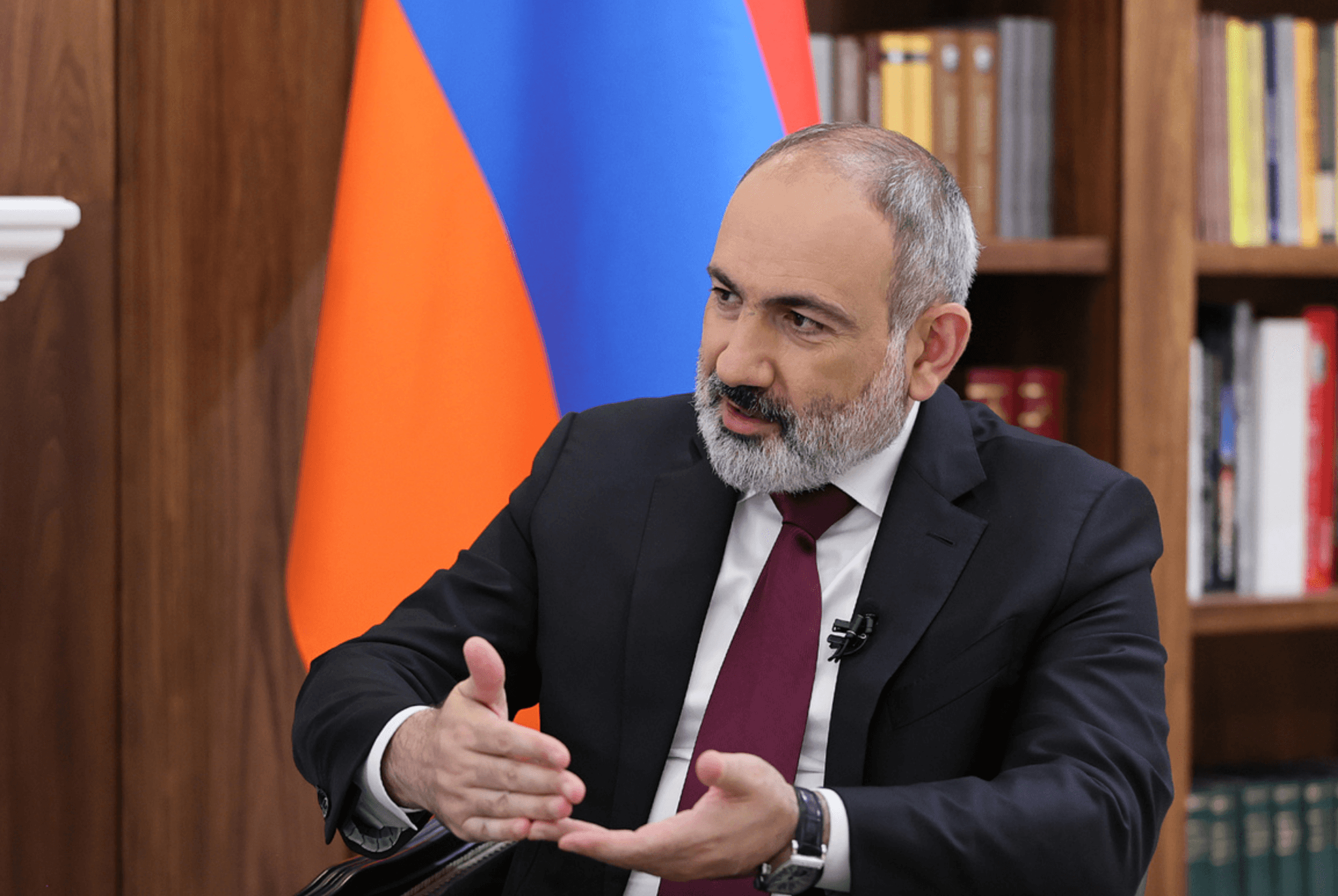
According to the TASS news agency.On June 7th, Armenian Prime Minister Nikol Pashinyan officially stated that his country is not yet ready to receive candidate status for membership in the European Union (EU).
Speaking at a press conference broadcast on local television channels, when asked about the possibility of holding a referendum to withdraw from the Eurasian Economic Union (EAEU), Pashinyan explained: "Regarding a referendum, this process only takes place when there is a specific candidate. And to have that candidate, Armenia must at least officially apply for EU membership or have candidate status. Currently, we do not have any of those conditions. Because, objectively speaking, we are not ready. We know we are not ready for this status and we need to reform."
Nevertheless, the Armenian leader also pledged that Yerevan would strive to implement reforms as quickly as possible.
Despite turning his attention to the EU, Prime Minister Pashinyan emphasized that no party can strip Armenia of its membership in the EAEU.
He affirmed the bloc's operating mechanism: "The EAEU makes all decisions based on the principle of consensus, and therefore, Armenia has the right of veto."
These strategic statements were made in the context of the regular parliamentary elections in Armenia, which officially began on June 7th. This political race involves 18 forces, including 16 parties and 2 other party alliances.
The most notable contenders include: the ruling "Citizens' Accord" party led by Prime Minister Nikol Pashinyan; the opposition "Armenia" bloc led by Robert Kocharyan; and the "Strong Armenia" bloc led by Narek Karapetyan.
According to official data from the Central Election Commission (CEC), a total of 2,485,232 citizens are eligible to vote and decide the political future of the nation.


