
The Prime Minister requested the early selection of technology for the North-South high-speed railway project.
On the evening of January 6th, the Steering Committee for Key National Projects and Important Projects in the Railway Sector held its 5th meeting. Comrade Pham Minh Chinh - Member of the Political Bureau, Prime Minister, and Head of the Steering Committee - presided over the meeting.
.jpg)
Also attending were Comrade Tran Hong Ha - Member of the Central Committee of the Party, Deputy Prime Minister, and Deputy Head of the Standing Committee of the Steering Committee; and leaders of ministries, branches, and central agencies that are members of the Steering Committee.
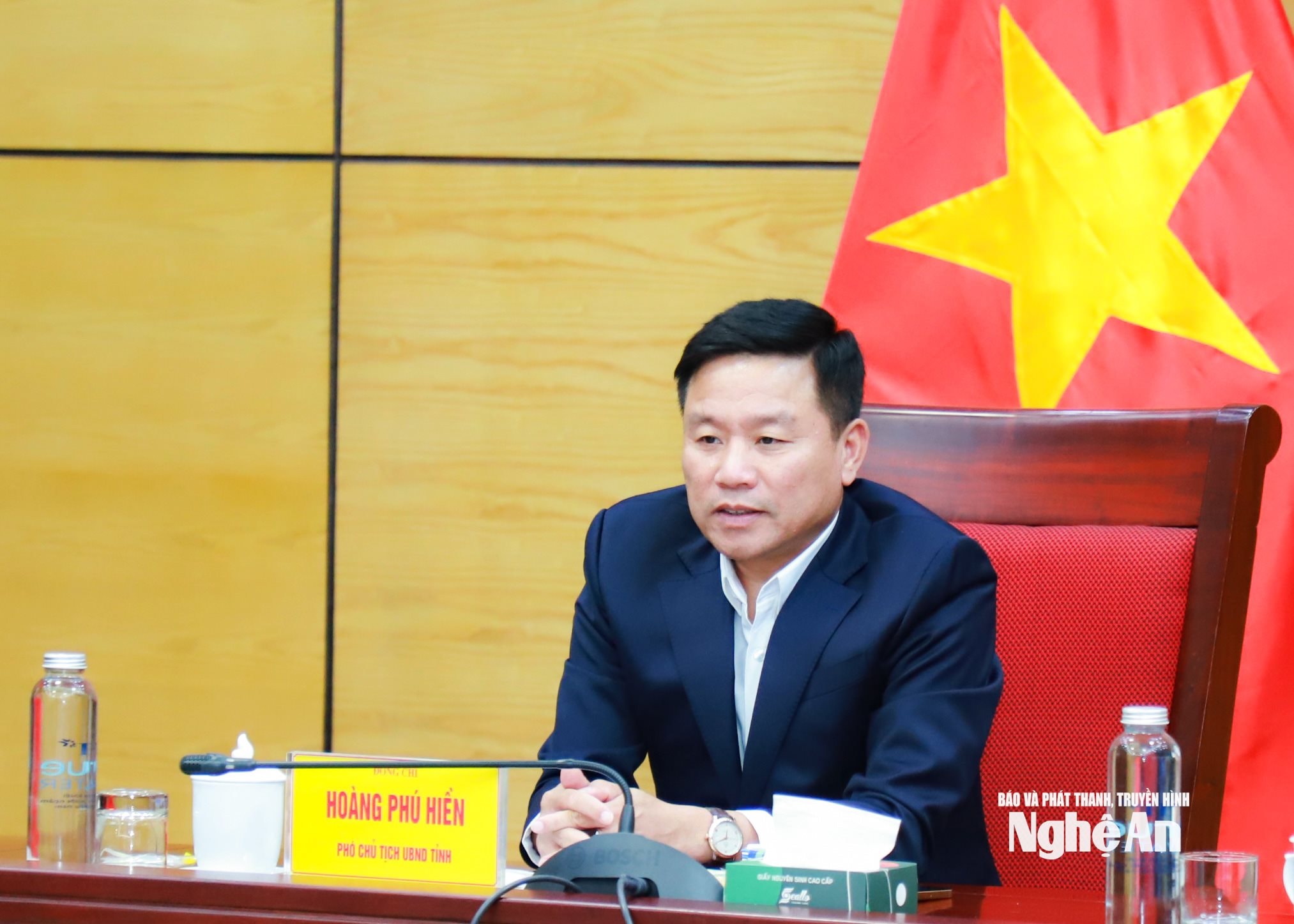
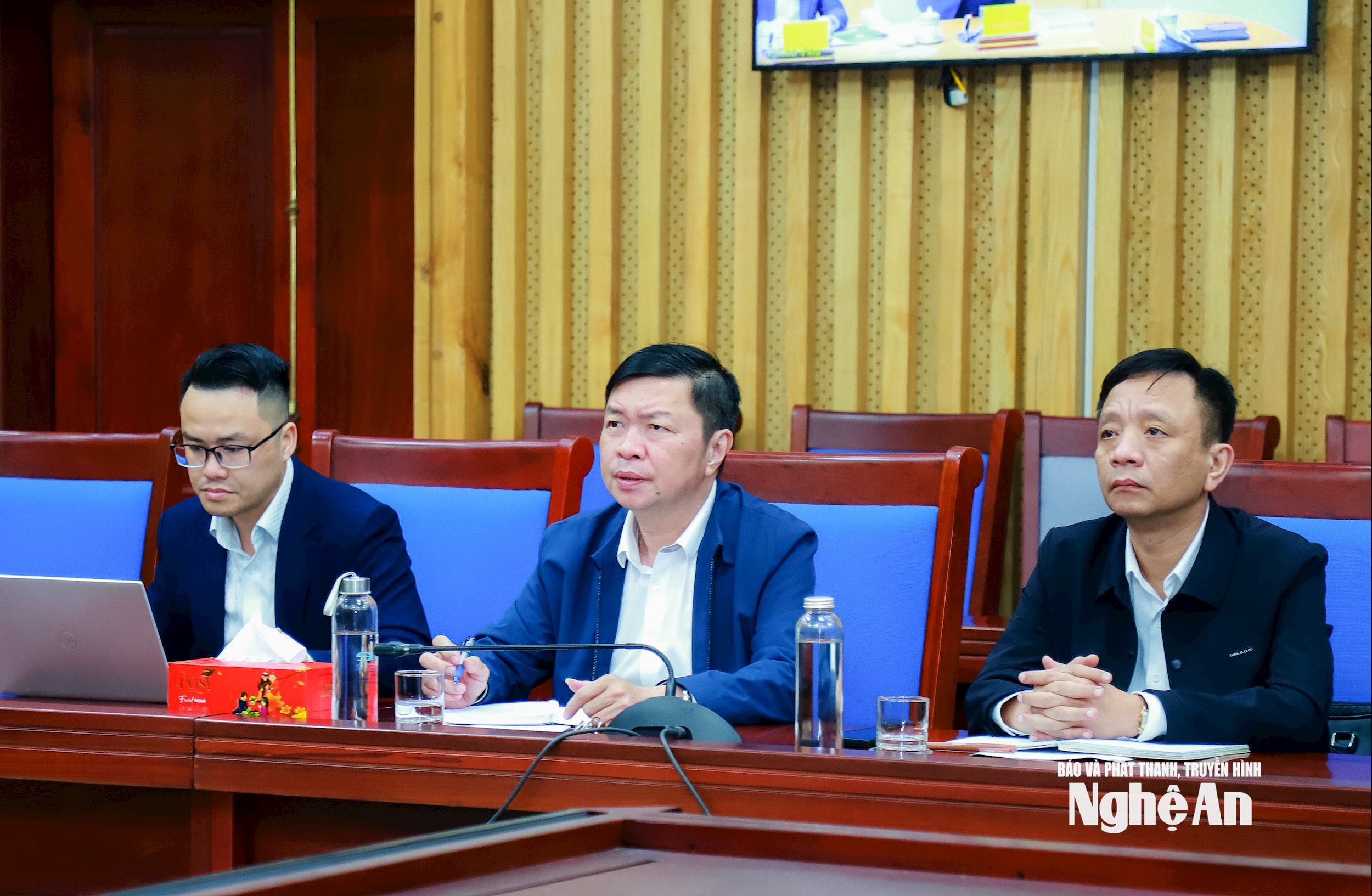
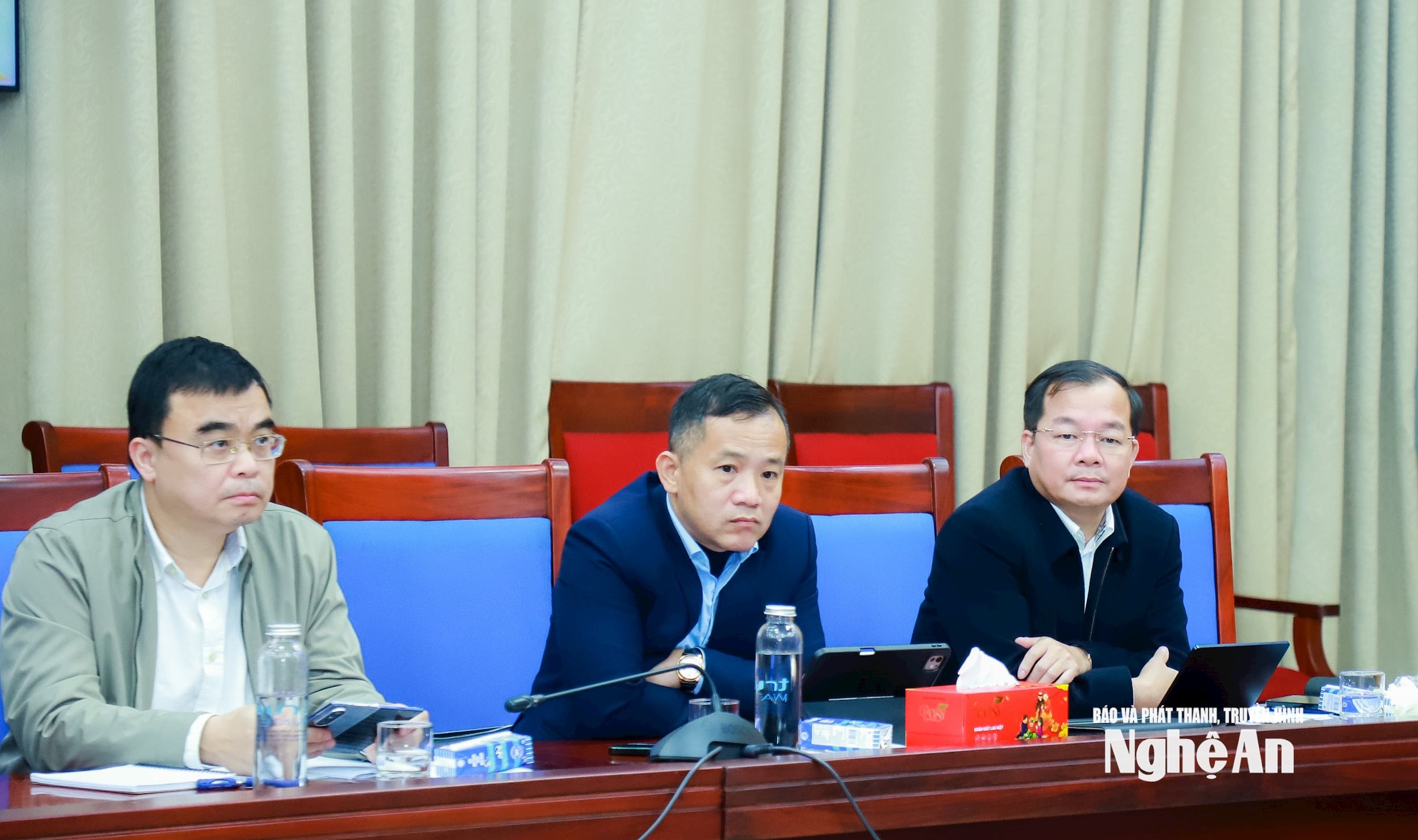
The meeting was held in person at the Government Headquarters, and online to the People's Committees of provinces and cities with railway projects passing through them. Comrade Hoang Phu Hien - Member of the Provincial Party Committee, Vice Chairman of the Provincial People's Committee - presided over the meeting at the Nghe An Provincial People's Committee's location.
Construction of the North-South high-speed railway is expected to begin in the period 2027-2032.
Currently, the whole country is implementing key national projects in the railway sector, including: the Lao Cai - Hanoi - Hai Phong railway line project; the Hanoi - Lang Son and Hai Phong - Mong Cai railway line projects; the North-South high-speed railway construction project; and urban railway projects in Hanoi and Ho Chi Minh City.
Among these projects, the North-South high-speed railway section through Nghe An province is approximately 85.5 km long, passing through 18 localities. The project is expected to require land clearance of about 519.2 hectares, with a total estimated cost of 6,397 billion VND. Approximately 2,150 households will be affected, of which 1,782 households in 16 communes will need to be relocated to 41 resettlement areas.
Regarding the overall progress of the project, following the Prime Minister's directive, the Ministry of Construction has chaired and coordinated with relevant ministries and agencies to review, research, and prepare a report on technology selection for the project.
The Ministry of Construction announced that in January 2026, it will draft a government resolution to implement Resolution No. 265/2025/QH15 of the National Assembly, and simultaneously sign a consulting contract to support the project on January 10, 2026.
From February to May 2026, the consulting firm will prepare the outline and cost estimate for the feasibility study report; prepare the bidding documents, organize the selection process, and sign a contract with the consulting firm to prepare the feasibility study report.
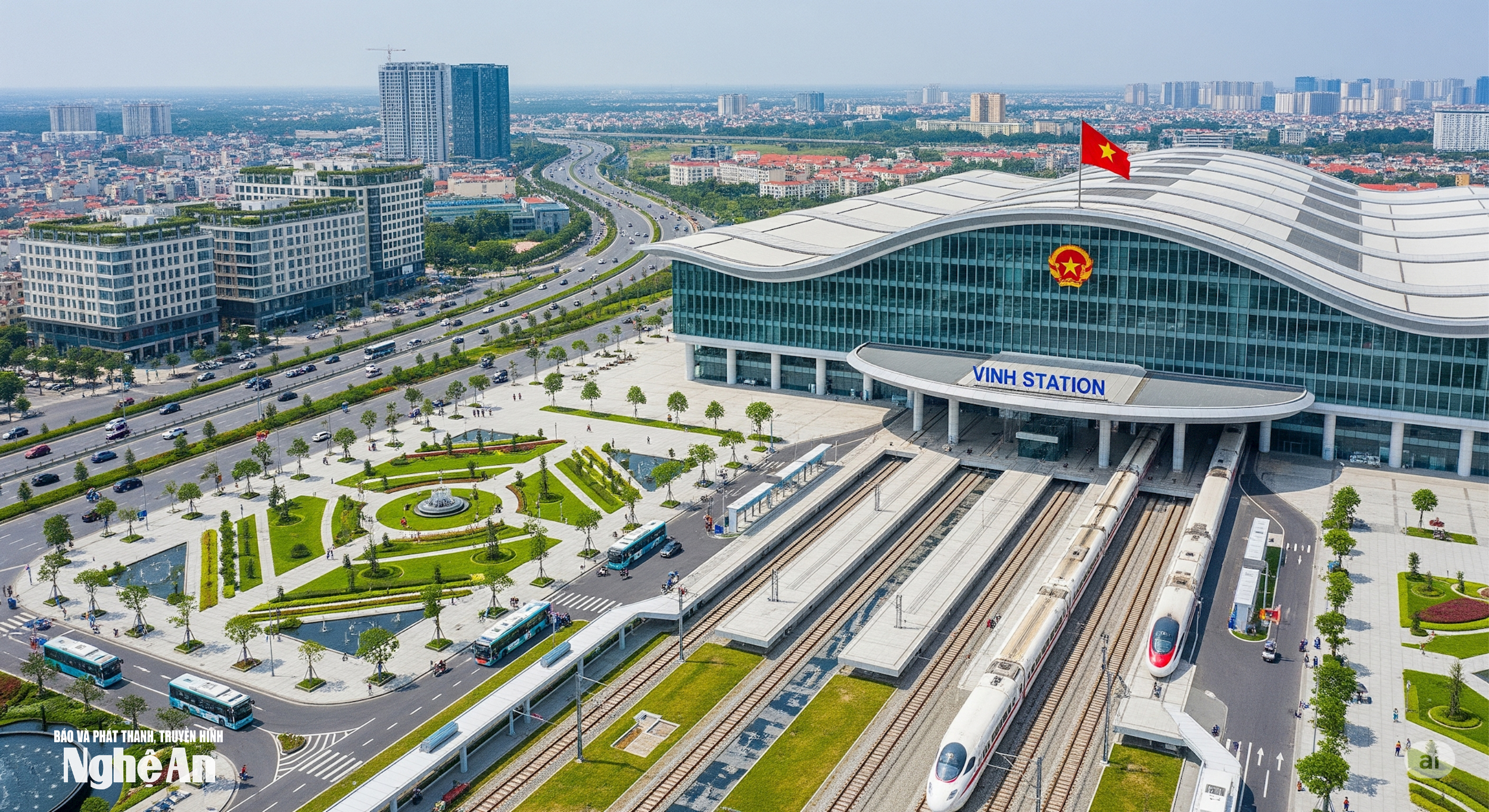
The survey and feasibility study report phase is expected to be carried out from May 2026 to May 2027. Based on this, some of the first items of the project are expected to be started at the end of 2026, according to Resolution 106/NQ-CP, including the access road to the station, the station square, the operations building, and the investor's project office.
The main project is expected to be approved in June 2027. After this date, the Ministry of Construction will organize the selection of contractors, sign contracts for construction packages, and implement construction in the period 2027 - 2032. The North-South high-speed railway line is expected to be put into operation from December 2032.
The Ministry of Construction assesses that this is a project of exceptionally large scale, with complex technical technology, and the first of its kind to be implemented in Vietnam. Therefore, the progress and implementation plan will continue to be reviewed and updated after the selection of supporting consultants, in order to ensure feasibility, effectiveness, and suitability to actual conditions.
Early technology selection
Concluding the meeting, Prime Minister Pham Minh Chinh emphasized that the coming period is of particular importance for the implementation of key national railway projects.
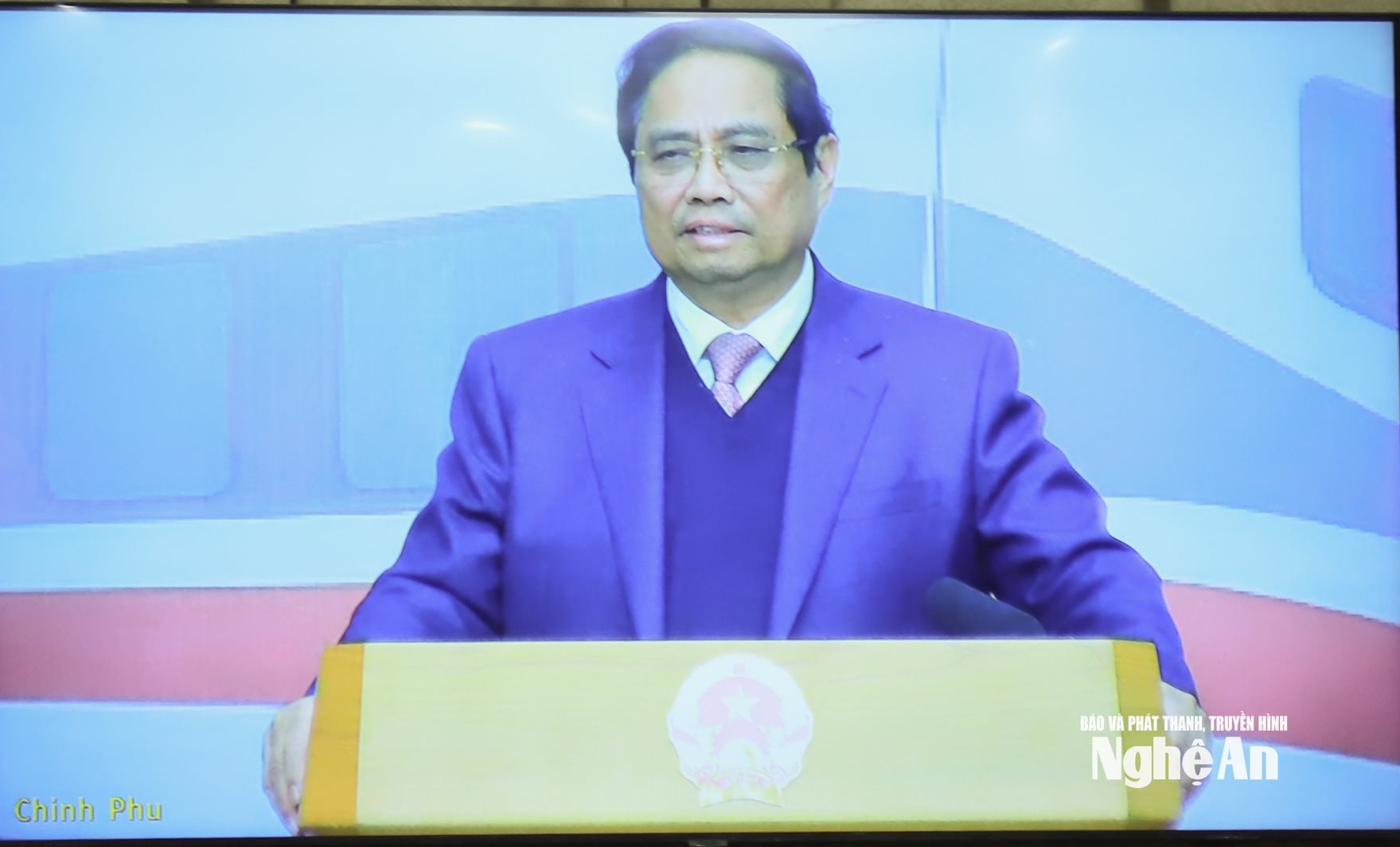
The Prime Minister requested the Steering Committee, relevant ministries, sectors, and localities to continue to thoroughly understand the spirit of high determination, great effort, decisive action, and to organize the implementation of tasks in a scientific, rigorous, and effective manner.
According to the head of government, task assignments must clearly define who is responsible, what the task is, the timeframe, the accountability, the expected outcomes, and the authority. Each task needs to be specifically assigned, closely monitored, and periodically evaluated using KPIs to measure performance.
The Prime Minister requested a focus on three major priorities: concentrating leadership, mobilizing forces, and concentrating resources on key projects; implementing them with high political determination, completing each task thoroughly, focusing on key priorities, avoiding spreading resources too thinly, in order to bring the projects into operation as soon as possible and maximize investment efficiency.
The implementation of projects must strictly adhere to the "3 Yes, 2 No" principle. The 3 Yes include: benefiting the State, benefiting businesses, and benefiting the people; the 2 No means no corruption or negative practices, and no loss or waste of public assets, money, or time belonging to the State, businesses, and the people.
Regarding the North-South High-Speed Railway Project, Prime Minister Pham Minh Chinh emphasized that technology is a key factor, decisive to the quality, efficiency, and long-term sustainability of the project. He instructed the Ministry of Construction, based on the Politburo's directives and proposed options, to submit a detailed report on technology selection, clarifying which technology was chosen, the reasons for the selection, and the extent to which it meets the requirements. The report will be submitted to the Government for consideration and decision before January 15th, after which it will be reported to the competent authorities as prescribed.
Regarding the awarding of contracts, selection of consultants, and related procedures, the Prime Minister requested the Ministry of Construction to act within its authority and in accordance with the law; any matters exceeding its authority must be promptly reported to the Government. All these tasks must be completed before January 15th.
Regarding investment methods, after selecting the technology, relevant agencies need to continue researching and proposing suitable options, including public investment, public-private partnerships, or other forms, based on the principle of harmonizing interests and sharing risks.
The Prime Minister requested the Ministry of Construction to coordinate with the Ministry of Finance and the Ministry of Justice to urgently finalize the relevant contents, ensuring that they can be considered and decided upon at the Steering Committee meeting scheduled for February 5th. At the same time, corporations such as Viettel and VNPT need to continue implementing their assigned tasks, focusing on researching the control system, mastering it, and transferring the technology when necessary.


