
Promoting the application of science, technology, and digital transformation among farmers.
On the morning of December 10th, in Hanoi, the Prime Minister's Conference for Dialogue with Vietnamese Farmers in 2025 was held with the theme "Applying Science, Technology, Innovation and Digital Transformation in Farmers".
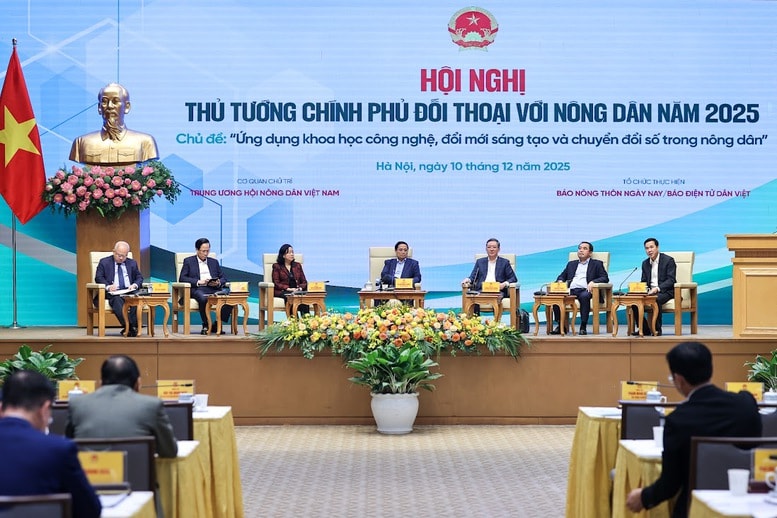
The event, organized by the Central Committee of the Vietnam Farmers' Association in coordination with the Government Office and various ministries, agencies, and localities, connected online to 34 provinces and cities. Prime Minister Pham Minh Chinh chaired the conference, with the participation of: Bui Thi Minh Hoai - Member of the Political Bureau, Secretary of the Central Committee of the Party, Chairwoman of the Central Committee of the Vietnam Fatherland Front; members of the Central Committee of the Party: Luong Quoc Doan - Chairman of the Central Committee of the Vietnam Farmers' Association; Tran Duc Thang - Minister of Agriculture and Environment; Dao Ngoc Dung - Minister of Ethnic Minorities and Religion; Nguyen Dinh Khang - Chairman of the Vietnam General Confederation of Labor; and representatives of leaders from central committees, ministries, agencies, and mass organizations.
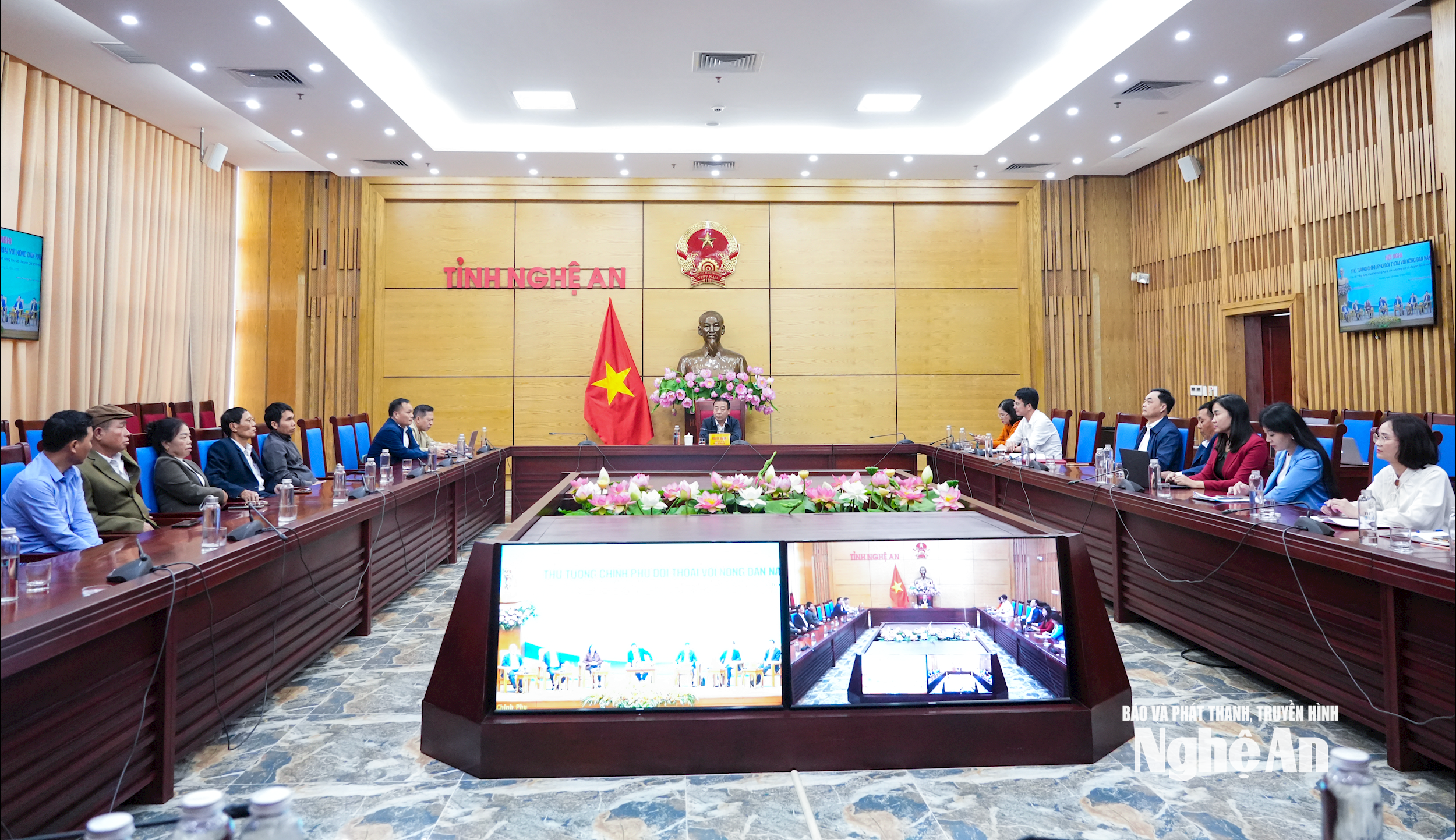
At the Nghe An location,Comrade Nguyen Van De - Member of the Standing Committee of the Provincial Party Committee, Vice Chairman of the Provincial People's Committee, presided over the meeting along with representatives from departments and agencies and a large number of farmers and cooperatives.agricultural businesses in the province.
Over 5,000 farmer opinions were submitted to the Government.
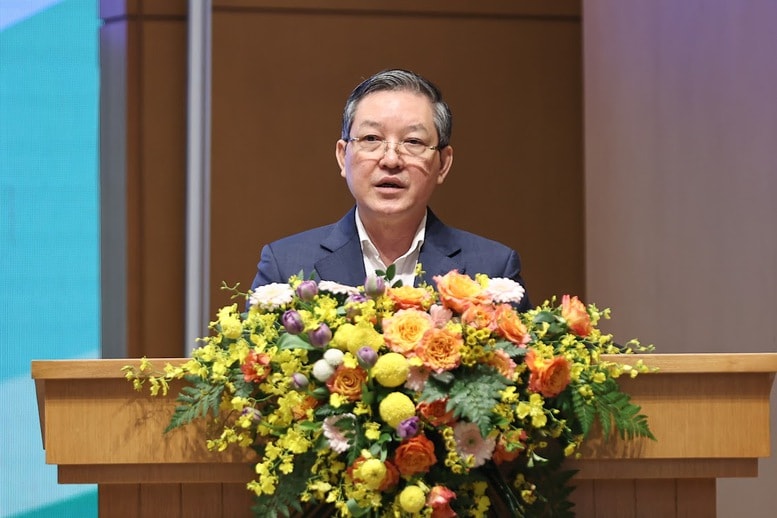
In his opening remarks at the conference, Chairman of the Central Committee of the Vietnam Farmers' Association, Luong Quoc Doan, emphasized: The Prime Minister's dialogue with farmers is an annual event. This is a forum for the Prime Minister, leaders of ministries, central and local agencies to directly listen to the opinions and suggestions of farmers, cooperatives, and businesses in the agricultural sector regarding existing problems and shortcomings in the implementation of agricultural, farmer, and rural policies.
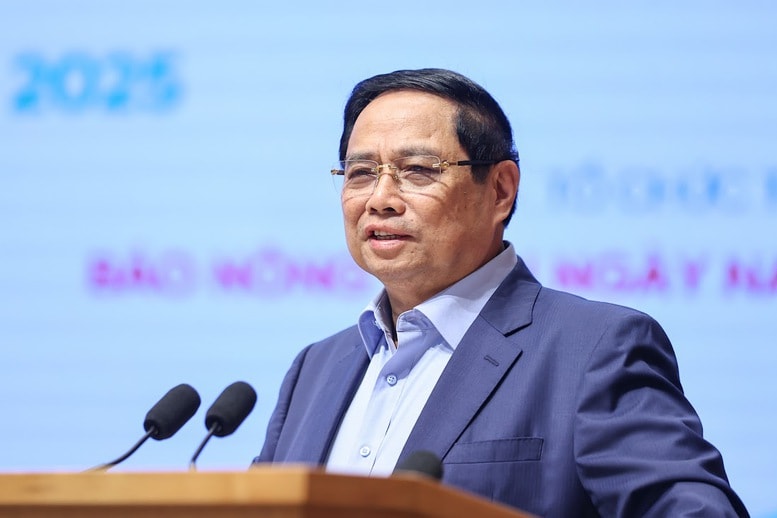
The conference served as an important forum for the Prime Minister and leaders of ministries and sectors to listen to the concerns and suggestions of farmers in order to improve mechanisms and policies for agricultural and rural development. Through various channels, more than 5,000 opinions from farmers, businesses, and cooperatives were compiled and submitted to the Government.
The recommendations focus on five major areas: Policies to promote the application of science and technology, digital transformation training, and connecting the "four stakeholders" in production; Credit, tax, and capital policies to support high-tech agriculture, organic agriculture, deep processing, and logistics development; Controlling the quality of input materials, preventing and combating counterfeit goods, and ensuring food safety; Investing in rural infrastructure, especially internet infrastructure, disaster warning systems, and the agricultural insurance market; Planning production areas, agricultural product branding, and resolving land consolidation issues.
Affirming the role of agriculture in socio-economic development, Prime Minister Pham Minh Chinh assessed the conference as an opportunity to summarize the progress in implementing the Party's major policies on ecological agriculture, modern rural areas, and civilized farmers, while also listening to practical proposals to effectively implement Conclusion No. 219 of the Politburo on continuing to implement Resolution 19.
Improving policies and working together to overcome difficulties for farmers.
In Nghe An, policies to support farmers and develop agriculture have been issued comprehensively, ranging from protecting rice-growing land and restoring production after natural disasters to supporting cooperative development, implementing the One Commune One Product (OCOP) program, developing raw material areas, agricultural extension, and encouraging businesses to invest in agriculture.
In 2025, despite being severely affected by typhoons No. 5 and No. 10, Nghe An's agriculture sector maintained stable growth, with an estimated growth rate of over 5%, averaging over 4.65% per year during the 2021-2025 period. Many new production models applying advanced techniques and high technology were widely implemented. Cooperative economics continued to develop strongly, with 729 agricultural cooperatives, ranking among the top in the country; of which, 490 cooperatives operate effectively, 101 cooperatives apply high technology, and 120 cooperatives have OCOP products. To date, the province has 684 OCOP products with 3 stars or higher, demonstrating a strong shift in agricultural restructuring.
Nghe An's farmers' associations at all levels have also promoted emulation movements in excellent production and business, supporting poverty reduction, providing vocational training for rural laborers, and building effective economic models. In 2025, the province organized more than 40 vocational training classes, helping over 76% of trainees find jobs after training; mobilized the production of over 15,000 tons of organic fertilizer locally; and provided support to hundreds of poor households with seeds, supplies, and technical training.
.jpg)
Many specific proposals from Nghe An were also sent to the Prime Minister, focusing on the application of high technology, infrastructure investment, development of cooperative economics, support for restoring production after natural disasters, improvement of land policies, and strengthening agricultural market forecasting.
Based on the submitted proposals and direct feedback at the conference, Prime Minister Pham Minh Chinh requested ministries and agencies to review, adjust, and refine mechanisms and policies towards a more substantive, practical, and effective approach; promote the application of science and technology and innovation in production; improve the quality of human resources; develop infrastructure serving agriculture; and implement comprehensive solutions for building new rural areas.
.jpg)
Regarding common challenges such as capital, land, digital infrastructure, input materials, and food safety, the Prime Minister directed increased coordination among agencies in resolving these issues, ensuring support for farmers in the spirit of "putting the people at the center and as the main actors."
The commitments and directives at the conference are expected to create new momentum for the agricultural sector to continue its strong, greener, and more sustainable transformation; and to empower, protect, and support the long-term development of farmers – the key players in modern agriculture.


