
US tariffs on Brazil officially take effect.
US tariffs on Brazil officially took effect on July 22, marking the beginning of a new series of trade measures by President Donald Trump against various partners.
A new U.S. tariff targeting Brazil took effect on July 22. Many of Washington's other trading partners are preparing to face a new round of tariffs, as the temporary global tariffs imposed by President Donald Trump expire later this week.
The 25% tariff on Brazilian goods was imposed following a year-long investigation by the United States. Washington accused Latin America's largest economy of unfair trade practices.
This decision met with strong opposition from Brazil. However, Brazilian Vice President Geraldo Alckmin said on July 21 that the country would seek to resolve the disagreement through negotiations rather than retaliatory measures.
Some items, such as beef, coffee, and aircraft components, will be exempt from tariffs. According to Valentina Sader, an expert at the Atlantic Council, about half of Brazil's exports to the US will not be subject to the new tariffs.
However, this move comes as Trump continues to use tariffs as leverage in negotiations, increasing the risk of retaliation and trade tensions.
Sader suggested that the U.S. administration may be "using Brazil as an example" to send a broader message about Washington's priorities and negotiating approach.
Tariffs have become a major political issue in Brazil.
In February, the U.S. Supreme Court struck down several tariffs imposed by Trump, limiting the president's ability to arbitrarily impose new tariffs. However, Washington is seeking to restore its trade agenda through other legal grounds.
The US argues that tariffs on Brazil were imposed because President Luiz Inacio Lula da Silva did not negotiate in good faith.
According to Sader, this interpretation reinforces the notion that Washington's measures are not only aimed at Brazil's trade policy but also have political motives directly targeting Lula.
The new tax rate is becoming a prominent topic in the election campaign ahead of the Brazilian presidential election in October.
The American Chamber of Commerce in Brazil warned that Washington's measures could affect more than $11 billion worth of exports from the South American nation.
On July 21, Mr. Trump also announced that he would impose a 100% tariff on generic drugs starting in August 2028. The day before, he had requested a 50% tariff on many Canadian goods, expected to take effect in 30 days.
Concerns about forced labor
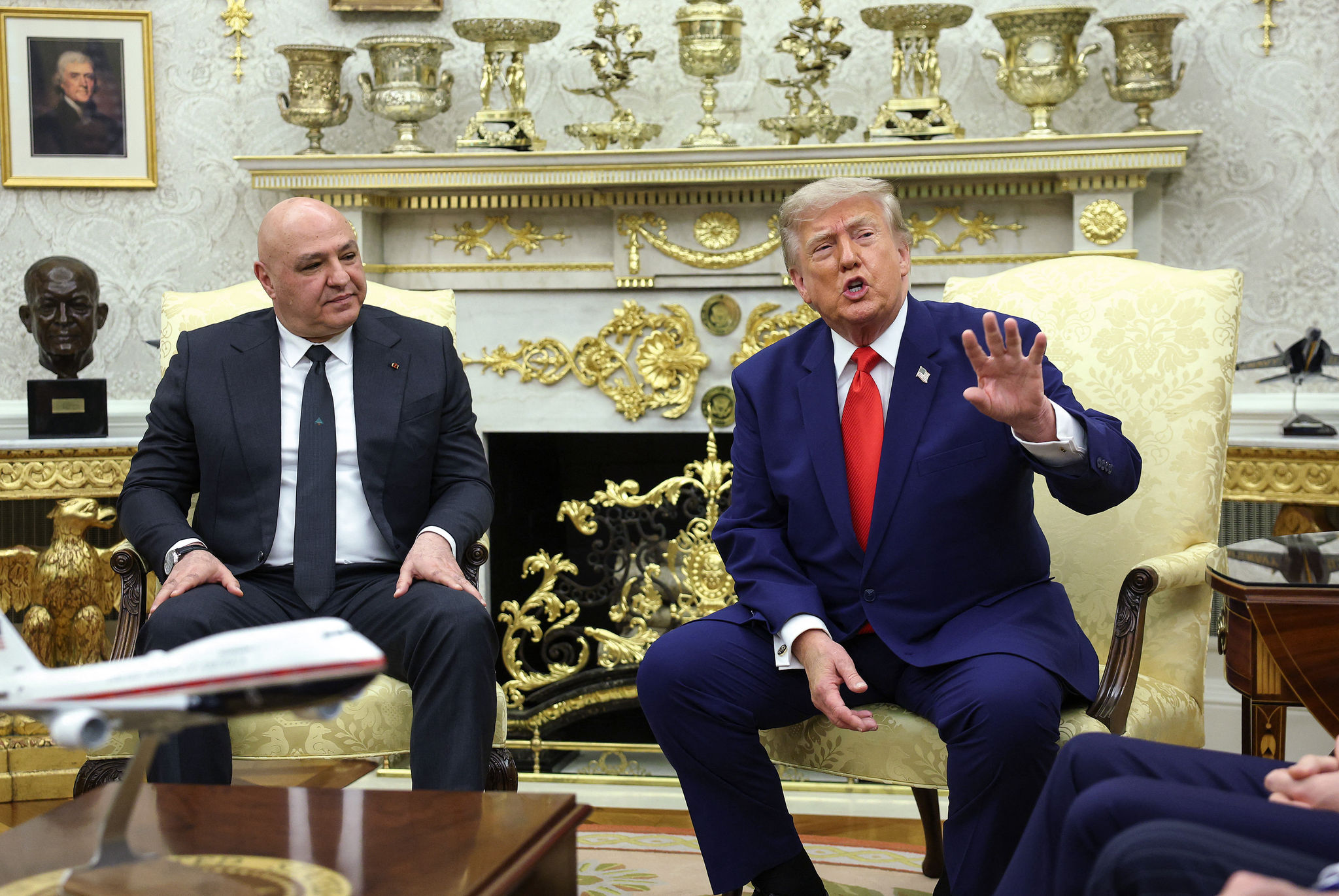
A broader round of tariffs is also being prepared. In June, U.S. officials proposed tariffs of 10% to 12.5% on 60 trading partners, citing their failure to take sufficient action to prevent forced labor.
Analysts predict that tariffs related to forced labor could replace the temporary 10% global tariff, which is set to expire on July 24. This temporary tariff was imposed by Trump after his defeat in the Supreme Court.
"We expect to see action soon," U.S. Trade Representative Jamieson Greer told CNBC.
Greer said the new labor-related measures would cover much of U.S. trade, but could reignite tensions with trading partners.
A lower tariff of 10% is expected to apply to imports from partners such as Canada, the European Union, Mexico, Taiwan, and the United Kingdom. These partners are considered to have implemented some measures to combat forced labor.
Meanwhile, goods from more than 40 other economies, including China, India, and Japan, could be subject to a 12.5% tariff.
The European Union argues that imposing tariffs on this grounds is "unfounded".
The U.S. is also currently conducting a series of separate investigations into 16 economies regarding industrial overcapacity. These investigations could lead to additional tariffs.
Increased pressure on Canada
Washington's plan to impose a 50% tariff on Canadian goods comes as the two sides are negotiating a North American free trade agreement.
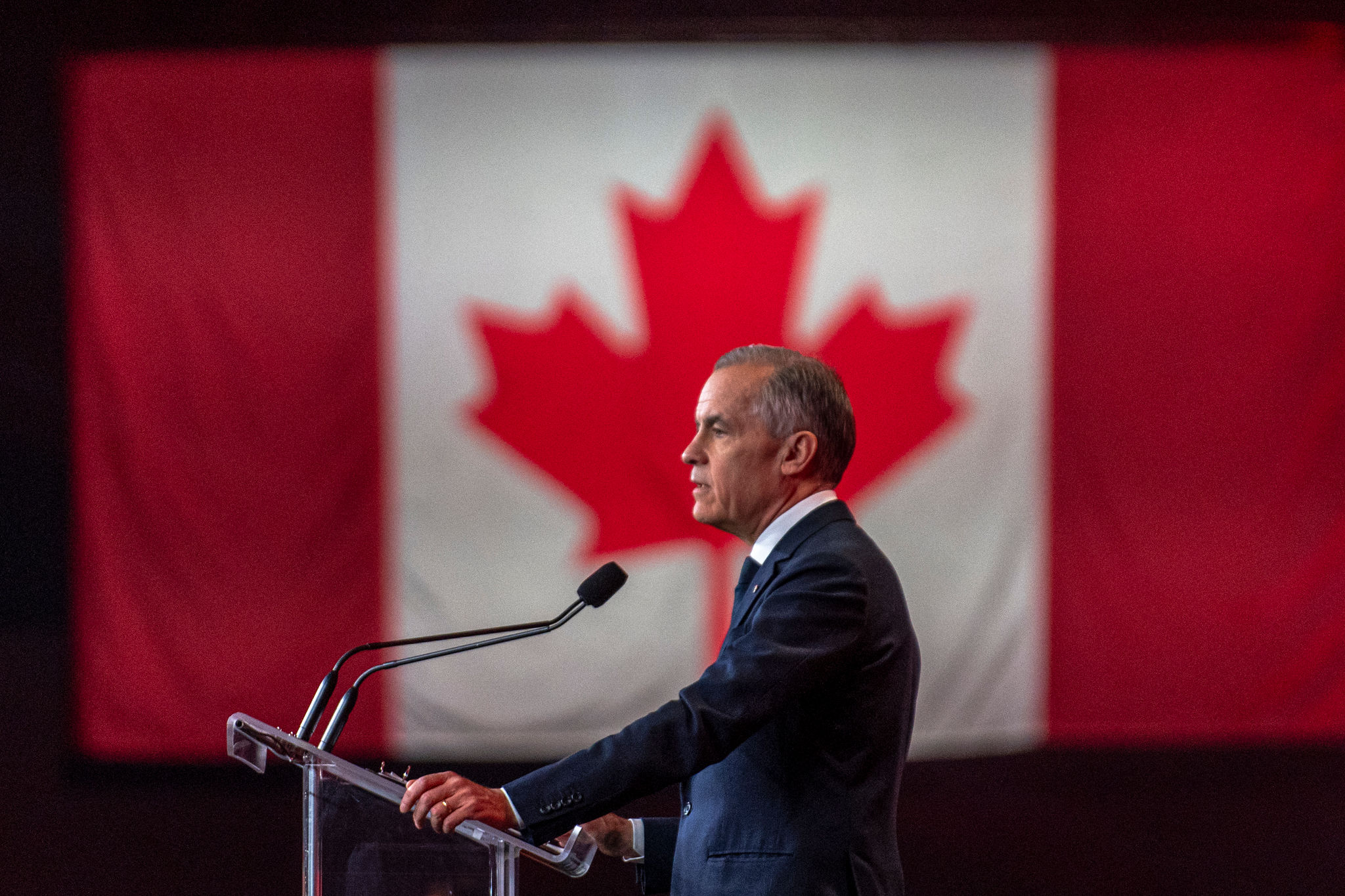
The U.S. recently refused to renew the agreement under its current terms. U.S. Trade Representative Jamieson Greer is scheduled to travel to Mexico from July 22 to 24 to discuss a joint review of the U.S.-Mexico-Canada Agreement, also known as the USMCA.
Negotiations between the US and Canada have been progressing more slowly.
Some lawyers argue that Trump used Section 338 of the Tariff Act of 1930, a legal provision that has never been widely examined, to increase pressure on Canada during the USMCA negotiations.
Canadian Prime Minister Mark Carney said on July 21 that the government was considering “all options.” He added that the two leaders had agreed to “intensify discussions” in the coming weeks.
Trade lawyer Dave Townsend of the law firm Dorsey & Whitney believes that higher tariffs could be aimed at facilitating a deal between Canada and the U.S., or as retaliation for the failure to reach an agreement, or serve both purposes.
According to Townsend, the biggest question is whether the two sides will begin a “vicious cycle of escalation and retaliation.”


