
Enjoy wild vegetables and stream fish at Khe Co community tourism area.
Besides the impressive cool, clear stream and natural rocky rapids, Khe Co community tourism destination in Tam Dinh commune (Tuong Duong district) also attracts tourists with its increasingly upgraded food and accommodation services, focusing on green, clean, and friendly practices.
OCOP-certified food products are served to tourists.
Before arriving at the Khe Co community tourism site in Quang Phuc village, Tam Dinh commune, Tuong Duong mountainous district, we visited the farm of Ms. Lo Thi Tham - where chicken eggs are produced according to OCOP standards. According to Mr. Vi Van Thang - Chairman of the People's Committee of Tam Dinh commune, this is a source of food to serve tourists visiting the Khe Co community tourism site.
.jpg)
Following Mrs. Lo Thi Tham around her farm, she carried a basket and collected chicken eggs while explaining: "The chickens' food consists of vegetables and banana tree trunks fermented with corn bran and rice bran."
Every few days, the flock of over 200 chickens is supplemented with a mixture of bananas, bran, and fishmeal, in addition to green vegetables such as cassava, fermented banana stems, and home-grown greens. Thanks to this, the flock yields about 30 eggs a day, which is not enough to meet demand. Most of the eggs are ordered by locals or sold out within the day. As the Khe Co tourism festival (April 29-30) approaches, Ms. Lo Thi Tham has to reserve a quantity of eggs to serve tourists.
.jpg)
Besides raising chickens, Mrs. Tham's farm also raises about 300 ducks, geese, and a herd of over 30 guinea pigs. Every day, Mrs. Tham harvests more than 100 poultry eggs; chicken eggs sell for 5,000 VND/egg, and goose eggs for 20,000 VND/egg.
Mr. Vi Van Thang stated that the chicken egg product was recognized as meeting OCOP standards at the end of 2024. This is the first success in the orientation towards green and clean agricultural production in Tam Dinh, linked to the operational criteria of the Khe Co Agricultural and Tourism Service Cooperative.
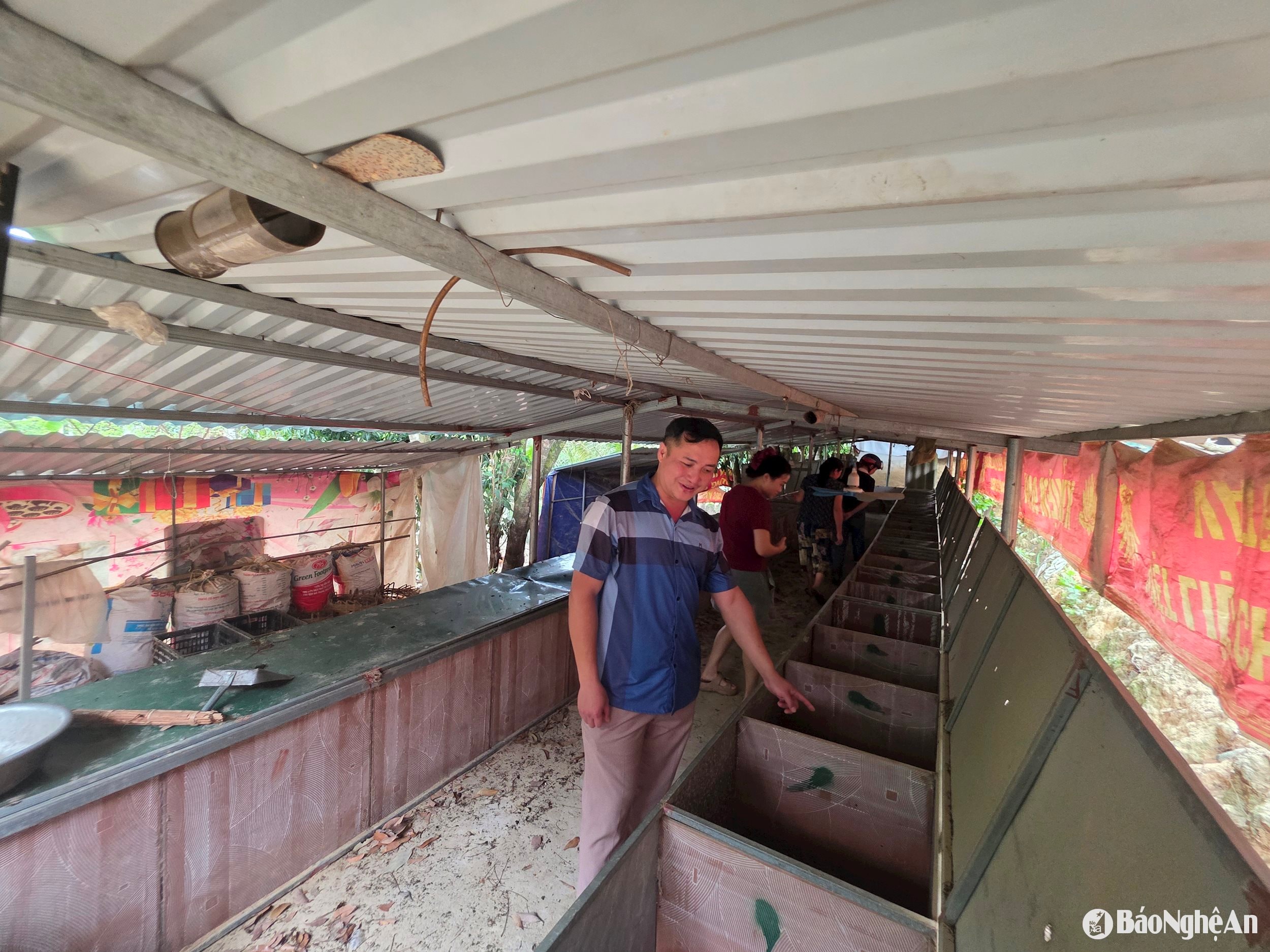
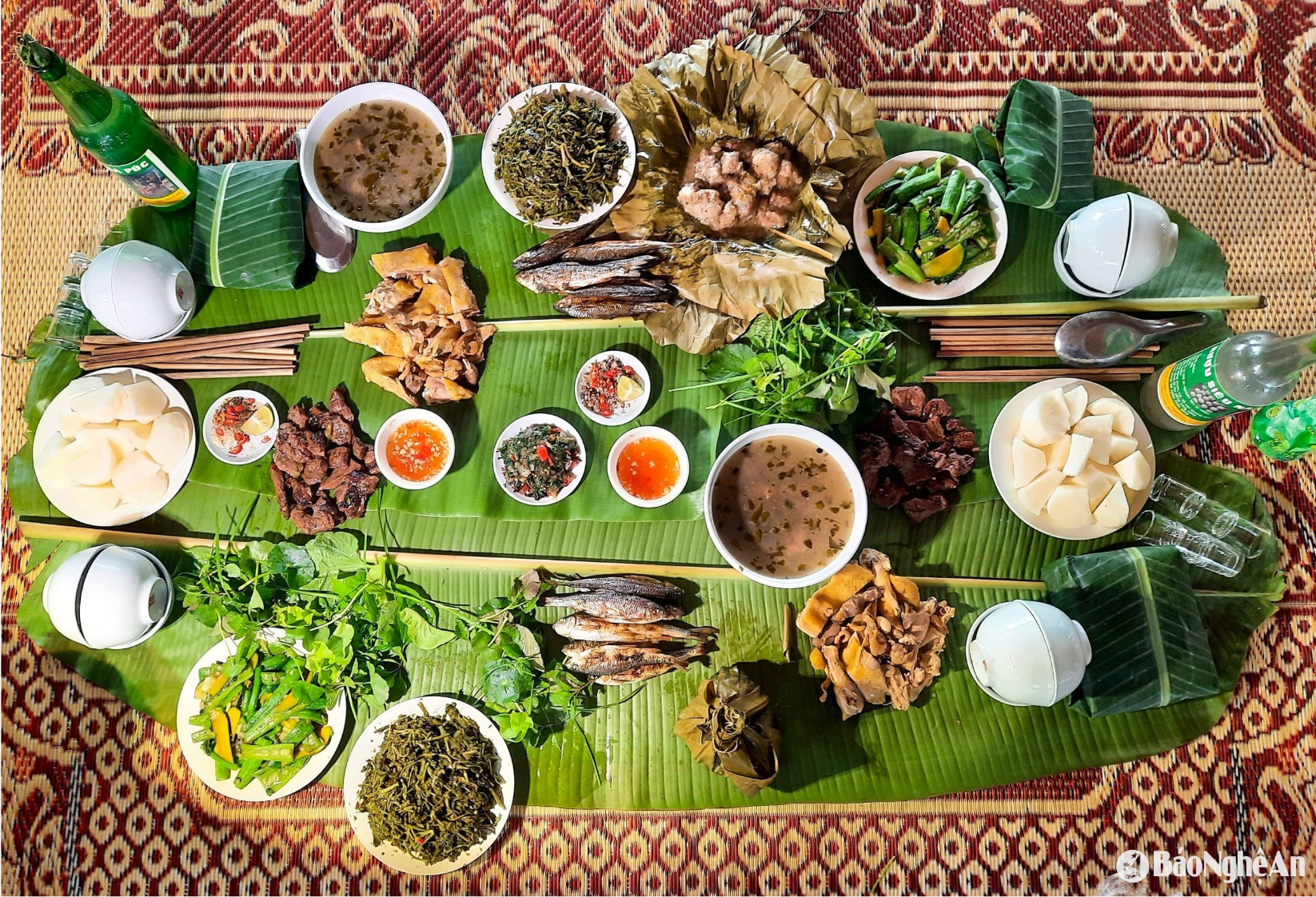
Besides chicken eggs, most of the traditional dishes served to tourists in Khe Co are produced, grown, or harvested naturally by the local people, such as: chicken, pork, duck, moss, bamboo shoots, wild vegetables, stream fish, etc.
For example, Mr. Kha Van Tha's household in Quang Yen village currently maintains a livestock herd of 200 chickens, 30 goats, and 40 black pigs. Mr. Tha's farm also grows cassava, elephant grass, bananas, and corn to provide self-sufficient feed for his animals.
Mr. Tha said that for more than two years, his family has been raising livestock in a green and clean manner, following the guidance of district and commune officials, and has seen clear results as their livestock products are always popular in the market.
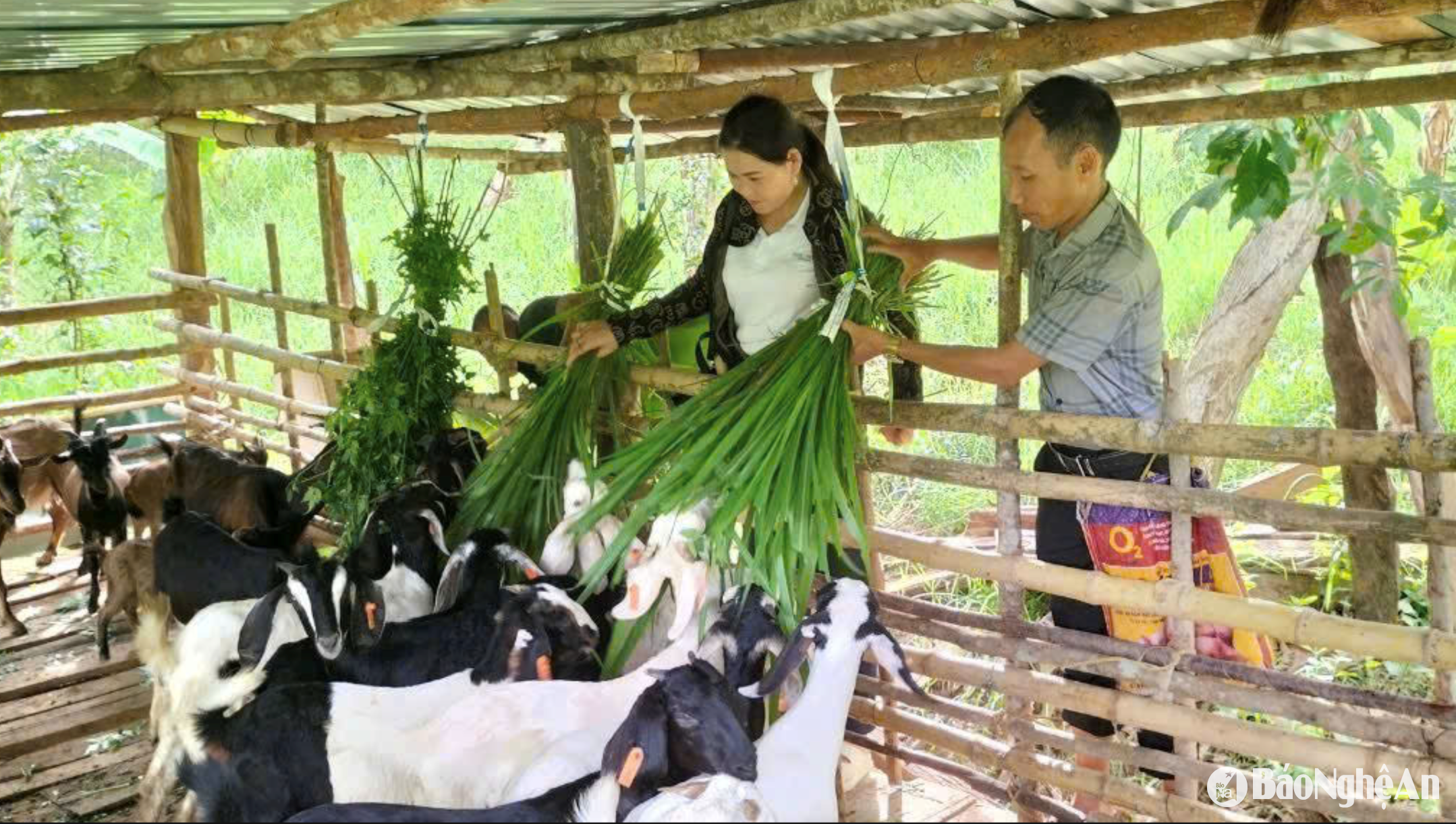
In particular, during the Khe Co tourism festival, participating teams competing in traditional food preparation always order ingredients from local farms. Many restaurants and eateries serving at the Khe Co community tourism site also regularly order products from local farms, such as the farm of Mr. Kha Van Tha.
According to the leaders of Tam Dinh commune People's Committee, the commune currently maintains a herd of over 2,400 buffaloes and cows, nearly 700 goats, more than 42,000 poultry, and 150 fish cages on the river and 5 hectares of fish ponds. From these agricultural products, the culinary services at Khe Co tourist destination are always diverse and of high quality.
Preserving local characteristics
When starting to develop tourism, the people of Khe Co have always been conscious of preserving and promoting their cultural identity as a unique feature that attracts tourists.
Currently, Quang Phuc village has 3 homestays, which are wooden stilt houses nestled under the shade of lush green trees, offering accommodation and rest after visitors have bathed in the stream and enjoyed local cuisine made from crops, livestock, and ingredients grown and prepared by the villagers themselves.
.jpg)
Experiencing tourism services in Khe Co, we noticed that a distinctive feature of community tourism here is the joint effort of the local people in organizing folk games, drinking rice wine, carving furrows, playing gongs and drums, bamboo pole dancing, and Lam Vong dancing...
The members of the Gong, Plow Carving, and Bamboo Dance Club of the Thai ethnic group in Quang Phuc village are also hardworking farmers who are passionate about folk singing and dancing. Before the opening of the Khe Co community tourism festival, the area is adorned with flags and flowers along the roads. Shops, stages, and accommodation facilities are neatly decorated and beautified by the local people and authorities.
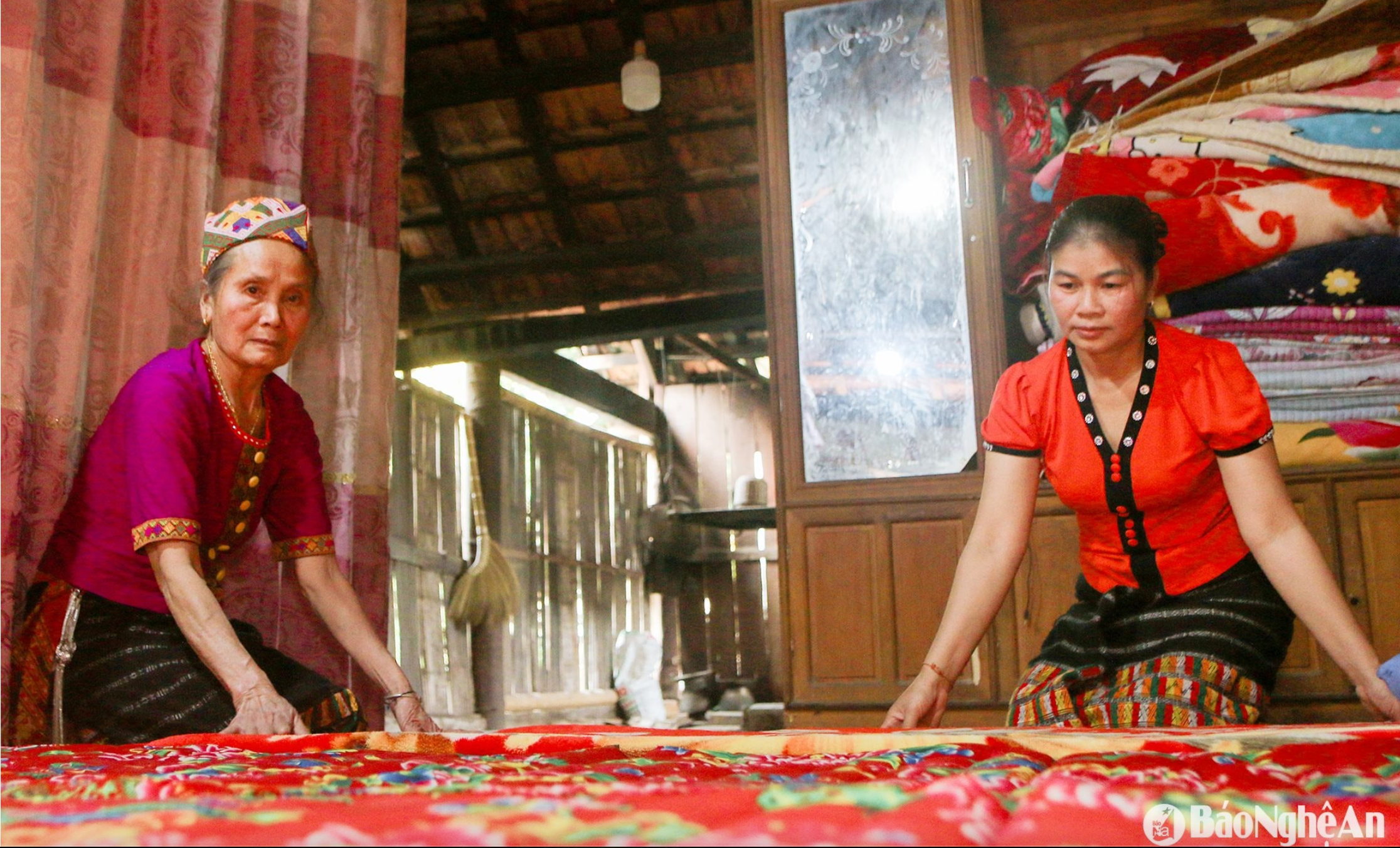
In households, preparations for the "tourism season" of bathing in streams and enjoying local cuisine are already quite bustling. On social media, there are shared images of services at the Khe Co community tourism site, and of the vibrant red and yellow blossoms of the Săng Lẻ forest during the leaf-changing season – a forest over 300 years old that is nationally protected.
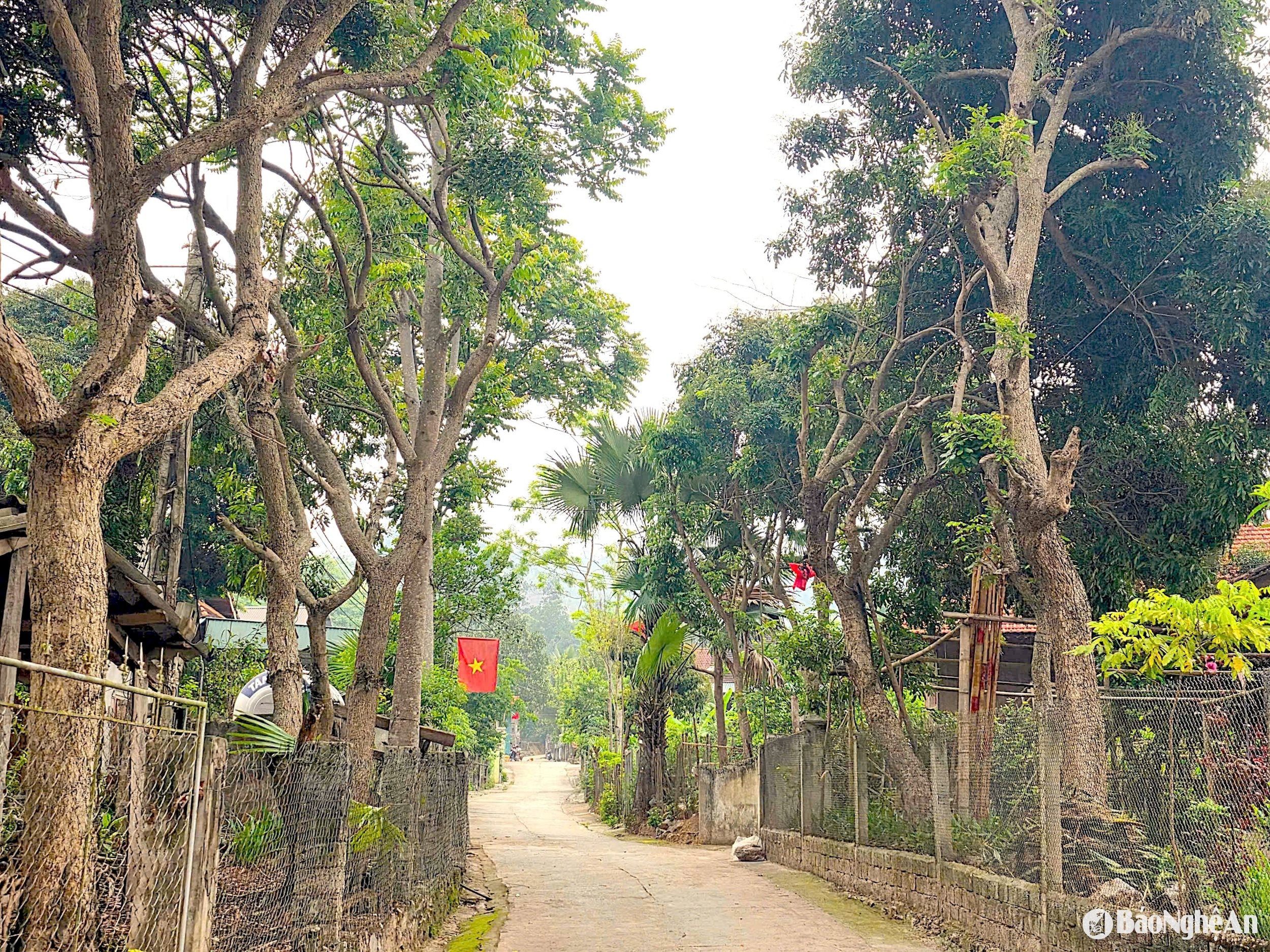
Located next to National Highway 7, about 2km from the Tuong Duong sandalwood forest, Khe Co tourist destination attracts visitors with its beauty and diverse culinary and accommodation options. The area boasts many natural landscapes, recreational activities, and ecotourism destinations. Khe Co is becoming a new and increasingly popular destination, especially during the hot summer months in Quang Phuc village. Around Khe Co, there are also many shops, huts, and homestays to serve tourists.
Khe Cớ blends seamlessly with other destinations in Tuong Duong such as: the Săng Lẻ forest (Tam Dinh), the pristine cold forest (Tam Hop), the dwarf tree forest in the Pù Mát nature reserve (Tam Quang), the Pù Huống nature reserve (Nga My), and many beautiful caves in Huu Khuong, Yen Thang, Xa Luong, Tam Dinh, Tam Quang... Tuong Duong also boasts the Ban Ve hydroelectric lake and the vast Khe Bo stream, creating numerous beautiful oases and caves such as Tham Nam and Tham Keo, promising very attractive ecotourism destinations.


