
Japanese fighter jets disrupt Chinese military exercises in Miyako.
The Chinese Navy accused Japanese aircraft of interfering with the Liaoning carrier group's exercise area east of the Miyako Strait; Tokyo protested after J-15s intercepted them twice with radar.
The Chinese Navy stated that Japanese Self-Defense Force aircraft had repeatedly intruded into and interfered with the air exercise area of the Liaoning (CV-16) carrier strike group east of the Miyako Strait. Japan responded that on December 6th, a Chinese J-15 fighter jet twice intercepted Japanese military aircraft with radar in international airspace southeast of Okinawa, and Japan lodged a protest. Tensions in the air between the two sides are assessed to be escalating, with a risk of unintended collision.
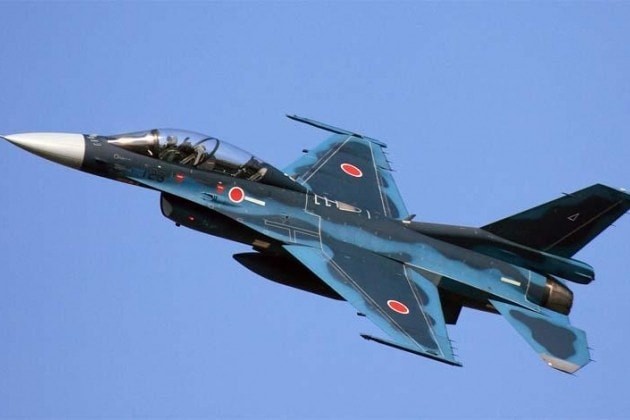
Overview of developments
According to the official WeChat account of the Chinese Navy, the carrier-based air exercise took place in a pre-declared area east of the Miyako Strait. During this time, Japanese Self-Defense Force aircraft “repeatedly approached the Chinese Navy’s exercise area and interfered, seriously affecting the routine exercise and posing a serious threat to flight safety.”
Beijing called Tokyo's reaction to the drills unfounded, emphasizing that the activity was planned. The Chinese Navy asserted, "We will take necessary measures in accordance with the law to resolutely protect our security, rights, and legitimate interests."
Reaction from Japan
Japanese Defense Minister Shinjiro Koizumi stated that on December 6, a Chinese J-15 fighter jet twice intercepted a Japanese military aircraft using radar in international airspace southeast of Okinawa. He remarked, "Such incidents represent dangerous actions that go beyond what is necessary to ensure flight safety."
Tokyo has sent a strong protest note to Beijing through diplomatic channels and demanded measures to prevent similar incidents in the future. Japan considers the Chinese pilot's actions provocative and potentially leading to an unintended escalation of tensions.
Technical and flight safety aspects
Information released by the Chinese Navy emphasized two points: the exercise area had been announced in advance, and the Japanese aircraft's "jamming" was deemed to seriously affect flight safety. The Japanese side focused on the detail of "radar interception" from J-15 fighter jets in international airspace, considering this action to be beyond what was necessary for safety.
The terms “jamming” and “radar interception” in the statements reflect a divergence in the interpretation of flight safety rules between the two sides in the context of high-intensity military operations. Both sides warn of risks to flight safety, but base their arguments on different operating areas and approach methods.
Regional context
The incident occurred against the backdrop of the Chinese Air Force "continuously increasing its activity in the East China Sea and the South China Sea," according to the source. The aircraft carrier group led by the Liaoning (CV-16) conducting air exercises, along with Japanese military flights in the vicinity, increased the likelihood of confrontations and diplomatic protests.
Main landmarks on both sides
- Chinese Navy: Conducts air exercises from an aircraft carrier east of the Miyako Strait, in a pre-declared area.
- Chinese Navy accuses Japanese Self-Defense Force aircraft of repeatedly intruding, jamming, and threatening flight safety.
- Japan: On December 6, Chinese J-15s twice intercepted Japanese military aircraft using radar in international airspace southeast of Okinawa.
- Japan: Sent a diplomatic protest, demanding that the incident be prevented from recurring; assessed the action as "dangerous".
Assessment based on source reliability
The information above consists of official statements from each side. China emphasizes the legality and planned nature of the exercise; Japan asserts that the incident occurred in international airspace and assesses the danger posed by the radar interception. There is no additional independent data in the source to verify the details beyond these statements.
Amidst heightened military activity, both sides have sent strong messages: China declared it would take “necessary measures in accordance with the law” to protect its interests; Japan sent a diplomatic note of protest and demanded that such incidents be prevented. The risk of unintended incidents was acknowledged by both sides through language regarding flight safety.


