
Türkiye's KAAN sixth-generation fighter jet: A new strategic option for Japan.
Amidst the numerous obstacles facing the GCAP project, Türkiye's KAAN aircraft series has emerged as a solution to help Japan enhance its strategic autonomy.
The race to deploy sixth-generation fighter jets is reshaping the global strategic landscape from the 2030s onwards. While US and European programs face numerous budgetary and political challenges, the KAAN – Turkey's domestically produced fighter jet – has emerged as a potential contender aiming for a direct leap to sixth-generation technology.
The competitive landscape of next-generation fighter jets.
Currently, the world is witnessing a fragmentation in the development of future fighter jets. The United States leads with its Next Generation Air Dominance (NGAD) program. In Europe, nations are divided between the FCAS project (France, Germany, Spain) and the Global Air Combat System (GCAP) (UK, Italy, Japan).
The lack of uniformity and disputes over the allocation of industrial interests are slowing the progress of European projects. Numerous reports indicate that the UK, Italy, and Japan are attempting to entice Germany to join GCAP, even though Berlin remains a member of the rival FCAS project. This reflects the inconsistency in the region's air power planning.
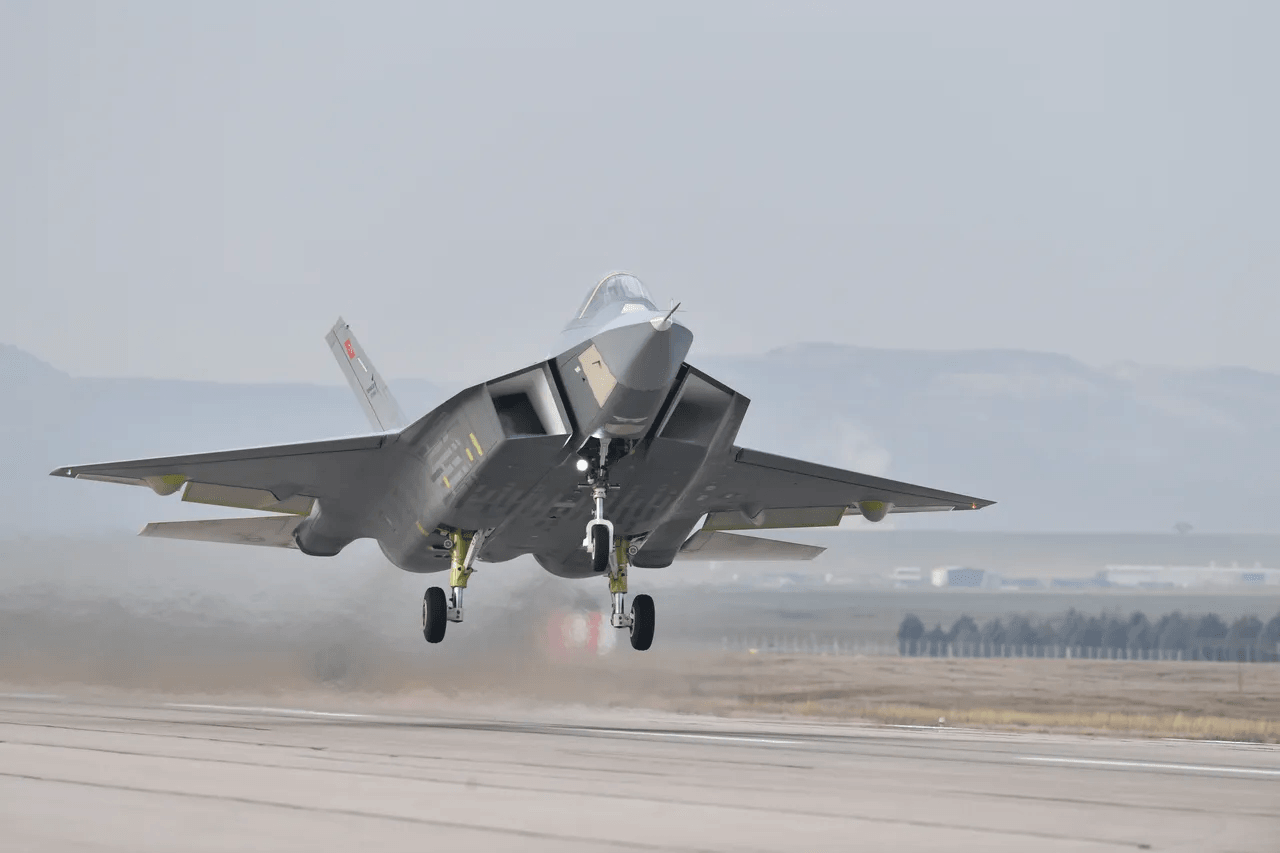
Consistency in the KAAN program
Unlike the complexities of European alliances, the trajectory of KAAN demonstrates a high degree of discipline. Türkiye has unveiled new prototypes, signed a contract to supply 48 aircraft with Indonesia, and is discussing joint production with Pakistan. Ankara is also in the final stages of negotiations with Saudi Arabia regarding its participation in the program.
The ability to withstand geopolitical pressures, particularly reports of Washington urging Gulf partners to reconsider cooperation with Turkey, demonstrates countries' confidence in the KAAN's enforceability. This is evidence of the trend among Middle Eastern and Asian nations to seek autonomy in their defense portfolios, reducing their dependence on unilateral decisions from the United States.
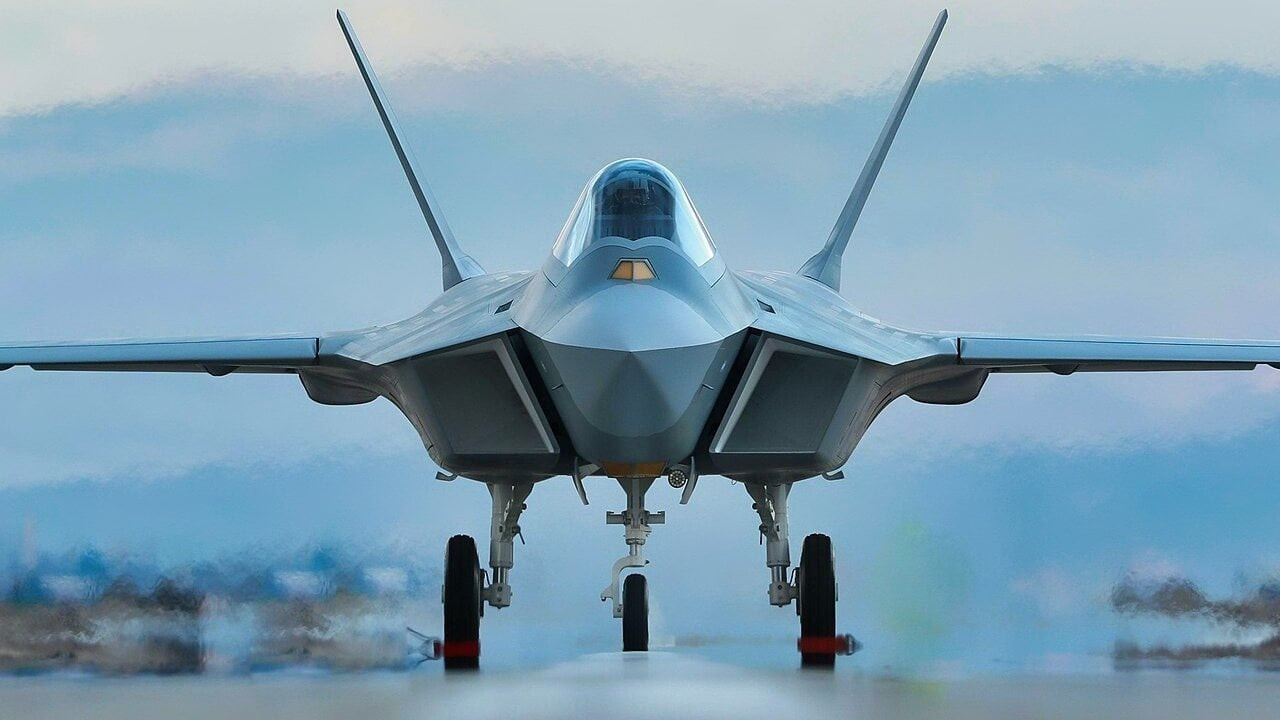
Japan's strategic needs
For Japan, a nation facing a challenging security environment in the Indo-Pacific, diversifying its partners is vital. North Korea's missile program and China's growing air and naval capabilities demand that Tokyo have strong and stable operational platforms.
Over-reliance on the US system or European partners, often hampered by export controls and supply chain issues, poses a potential risk. KAAN's philosophy extends beyond a single aircraft to encompass a central, interconnected system. Notably, its integration with the Kizilelma drone follows the "loyal wingman" doctrine, a concept also being pursued by Japan.
Direction for the future
Japan does not necessarily have to abandon the current GCAP project. However, connecting with the KAAN program through technological cooperation or parallel procurement could help Tokyo mitigate the risk of delays. The previous success of the Bayraktar TB2 UAV series has demonstrated Turkey's self-reliance and discipline in its defense supply chain.
Joining a new aerospace cooperation hub in Asia (including Indonesia, Pakistan, and Saudi Arabia) would give Japan greater strategic flexibility and independence from political shifts in Washington and Brussels. In the current international context, strategic diversification is not a substitute for a globalized system, but rather a prudent step to ensure national security.


