
Dr. Tran Hang Ly: Don't use "grades" to label children.

Content:My Ha (Perform)| Design:Nam Phong


PV: Madam, in recent days, many parents have been frequently showing off their children's achievements and grades on social media. tubera child. How do you view this phenomenon from a psychological and educational perspective?
Dr. Tran Hang Ly:From a psychological perspective, it's natural for parents to feel proud and happy about their children's efforts and academic achievements. Praise and timely recognition can create positive motivation, helping children feel cared for and encouraged.
However, when sharing a child's achievements and grades on social media becomes too frequent, boastful, or comparative, it needs to be viewed with caution. At this point, a child's academic achievements can become a "representative image" of their parents' or family's success. Children may easily develop the feeling that they are only recognized when they achieve high grades, win awards, or receive certificates of merit. This is detrimental to their healthy psychological development.
PV: So, what kind of pressure can excessive emphasis on grades and achievements create for students, especially elementary and middle school students?
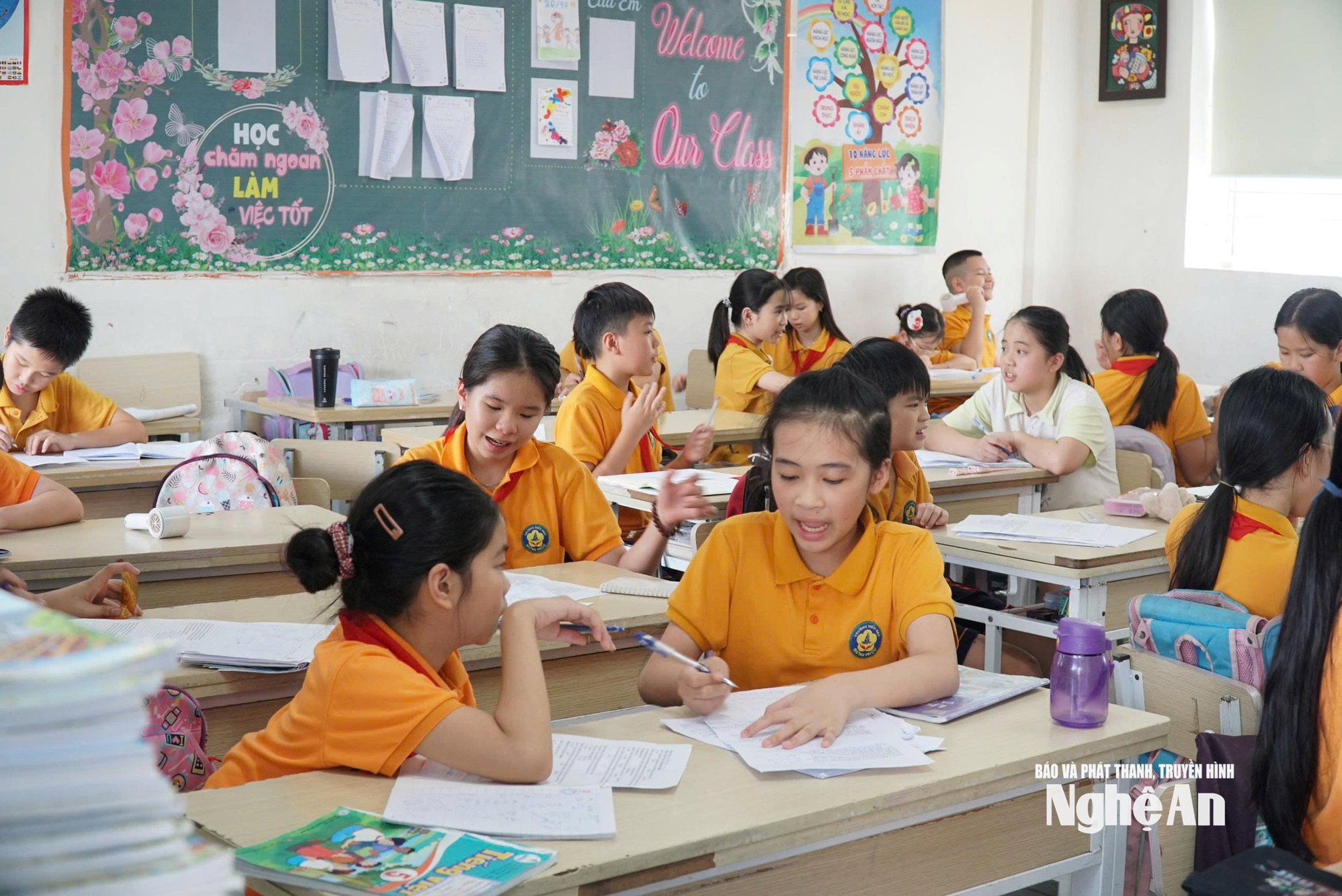
Dr. Tran Hang Ly:Elementary and middle school students are in a crucial stage of developing self-confidence, self-worth, and motivation for learning. If adults place too much emphasis on grades, children may experience stress, anxiety, fear of making mistakes, fear of being compared to others, or fear of disappointing their parents.
For elementary school students, who are still young, the need for play, exploration, and learning in a relaxed environment is crucial. If they are subjected to excessive pressure for academic achievement too early, they can easily lose interest in learning.
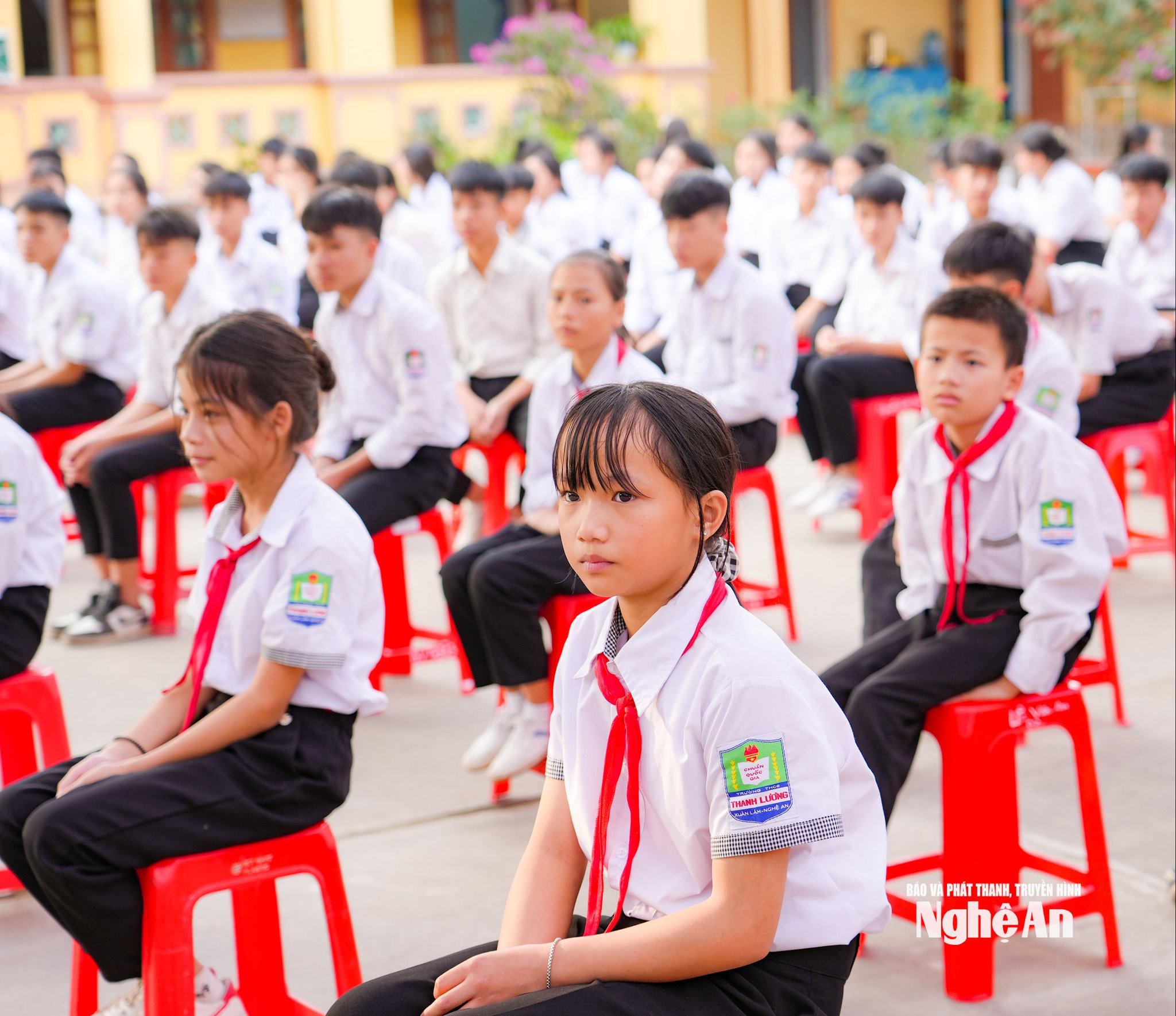
For middle school students, this is a sensitive age; they begin to compare themselves to their peers and are very vulnerable to judgments from others. Being overly focused on grades can lead to low self-esteem, discouragement, withdrawal, or a superficial approach to learning.

PV: Looking at it from the opposite perspective, For students who don't achieve outstanding results, how might constantly seeing their friends being "honored" online create feelings of inferiority or pressure?
Dr. Tran Hang Ly:For students who don't excel academically, constantly seeing their peers praised and "honored" on social media can create feelings of inferiority, inadequacy, or being left behind. They might think they're not as good, not worthy of pride, or even not loved by their parents as much as their high-achieving classmates.
This is especially noteworthy at the middle school age, when the need for recognition and sensitivity to social comparison are very strong. Without adult guidance, children can develop negative self-image. Meanwhile, each student has a different pace of development, strengths, and circumstances. Not every student excels in grades, but they all possess unique qualities that need to be recognized and encouraged.
PV: As you've observed, it's natural and normal for parents whose children excel in school to want to show off their achievements. So, where is the line between encouraging and being proud of a child and inadvertently creating pressure or turning a child into a "tool for achievement" on social media?
Dr. Tran Hang Ly:The line lies in the child's purpose, how they express themselves, and their feelings. If parents share with the intention of acknowledging their child's efforts and progress while respecting their feelings, it's positive encouragement. However, if the sharing is used for showing off, comparing, seeking admiration from others, or making the child feel they must always be good and get high grades to please their parents, it can easily become pressure.
A question parents should ask themselves is: “After I posted this achievement, did my child feel happy, respected, and encouraged, or did they feel pressured to keep achieving even better results?” If the child felt stressed, embarrassed, uncomfortable, or afraid they wouldn’t achieve the same results next time, then that sharing went beyond the boundaries of healthy encouragement.


PV: Looking at the scores belong to students, easily findCurrently, many students are achieving very high scores, even receiving a "flood" of 9s and 10s. Does this reflect a positive sign, or does it raise concerns about quality and assessment methods? Given this reality, what should families and schools do to help students develop holistically instead of just chasing after achievements?
Dr. Tran Hang Ly:The fact that many students achieve high scores may reflect the care of their families, the efforts of the school, and the hard work of the students themselves. However, the phenomenon of a "flood of 9s and 10s" also raises certain concerns about the assessment methods, the differentiation of the test, and whether the scores accurately reflect the students' true abilities.
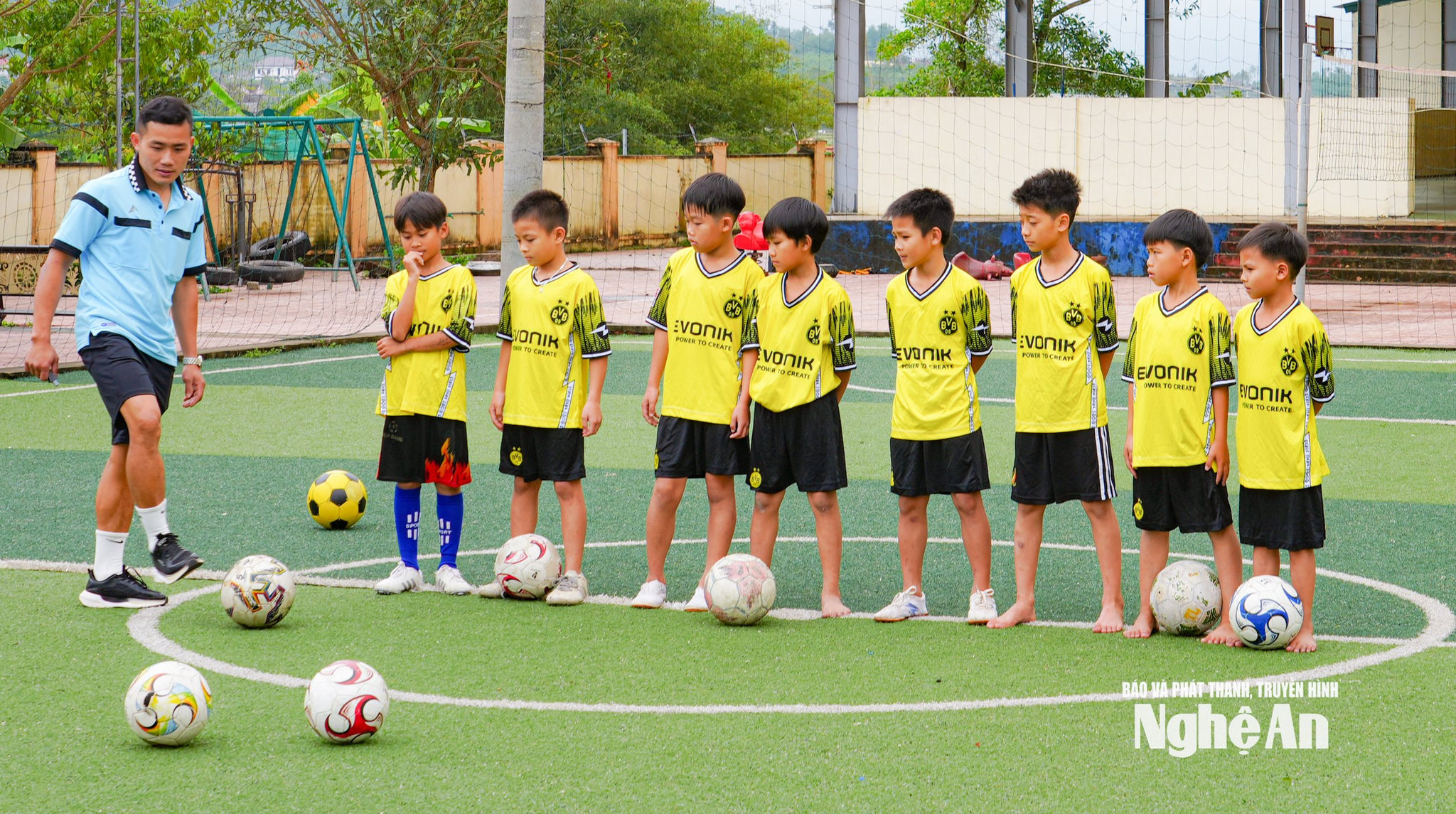
In education, grades are necessary, but they shouldn't be the sole measure of success. A well-developed student is not just one with high grades, but also one who possesses self-learning abilities, communication skills, collaboration skills, creativity, good interpersonal skills, the ability to overcome difficulties, and a healthy mental life.
Families and schools need to shift from a mindset focused solely on achieving high grades to one focused on developing competencies. The entire process—students' efforts, progress, learning attitudes, life skills, and character—should be recognized. When students are assessed more holistically, the pressure for achievement will lessen, and learning will become more meaningful.
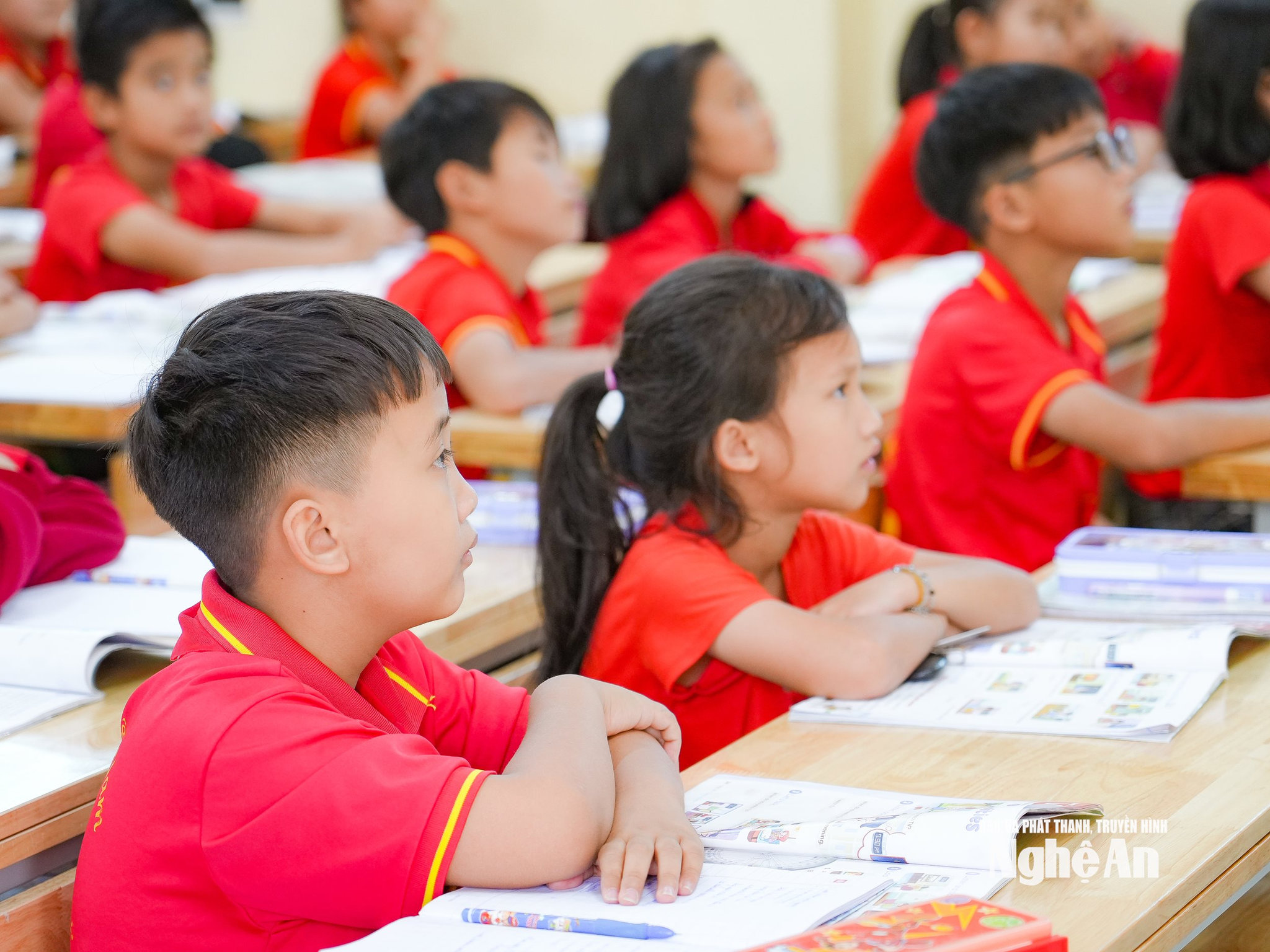
PV: As you shared, achieving high scores requires a combination of factors, including significant effort from the students. However, overemphasizing grades can lead to other problems. In your opinion, how should grades be viewed in modern education to both encourage students to strive and avoid creating excessive pressure?
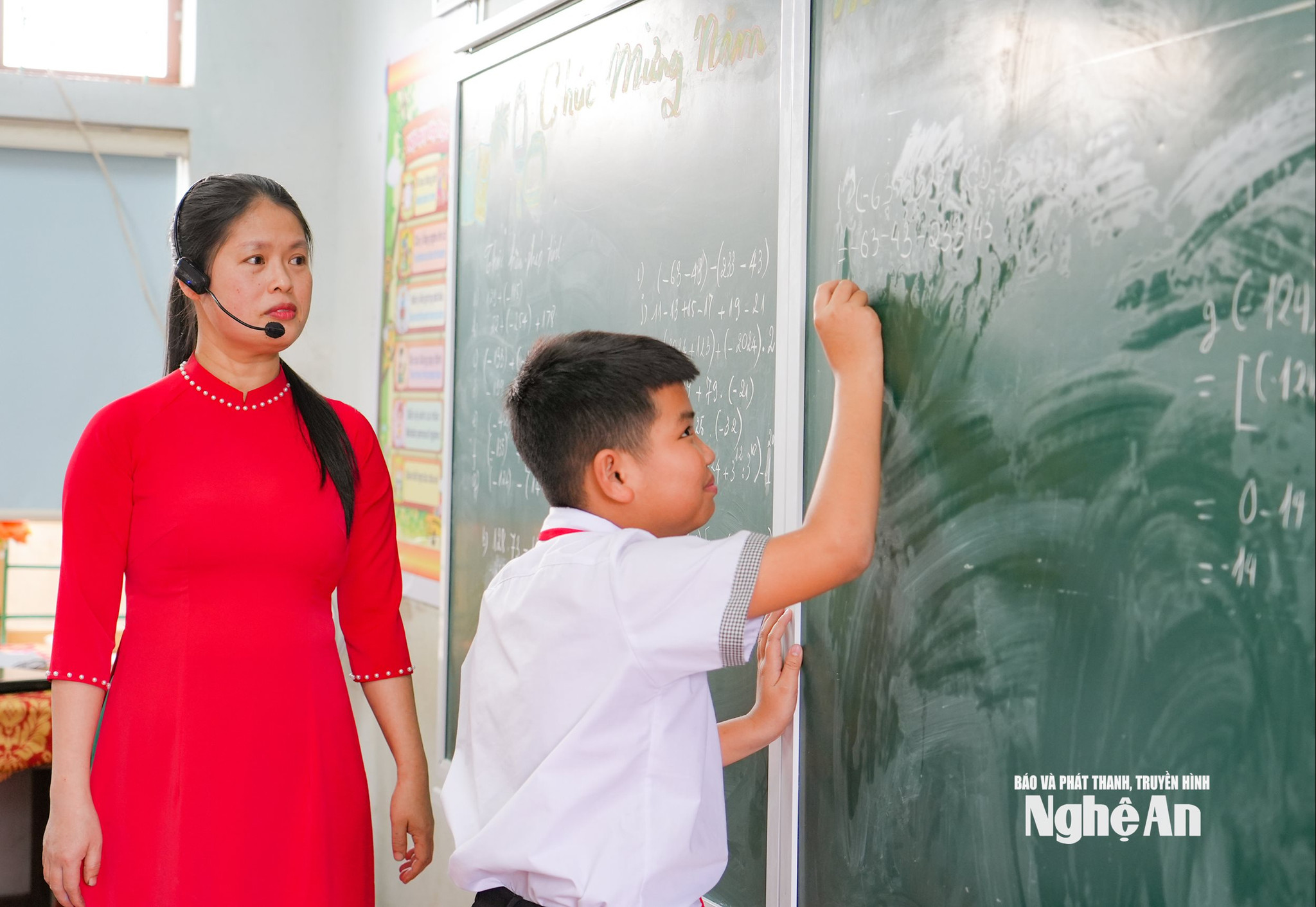
Dr. Tran Hang Ly:I believe that in modern education, grades should be seen as a feedback channel on the learning process, not the sole measure of a student's worth. Grades help teachers, students, and parents understand where a student stands, what support they need, and how to adjust their learning methods.
It's important that adults don't use grades to label children as "good," "poor," "well-behaved," or "naughty." With the same grade, what matters is how hard the child has tried, how much progress they've made, where they're struggling, and what support they need.
When grades are used as a feedback tool, students are motivated to try harder. But when grades become pressure, a point of comparison, or a condition for being loved, it can cause psychological harm to children.
PV: A word of encouragement or praise can bring joy to children. So, what advice do you have for parents on sharing their children's academic achievements on social media in a civilized, positive, and appropriate way?
.png)
I believe that parents can absolutely share the joy of their children's progress, but they need to do so in a civilized, positive, and respectful way. Before posting grades, certificates, or photos of their children, parents should consider their children's feelings and privacy, especially for middle school students.
Parents should praise effort more than just grades; they should talk about the process of trying instead of just emphasizing the result. They shouldn't compare their children to friends or siblings, or use their achievements to put pressure on others. Nor should they make children feel that only high achievements will make their parents proud.
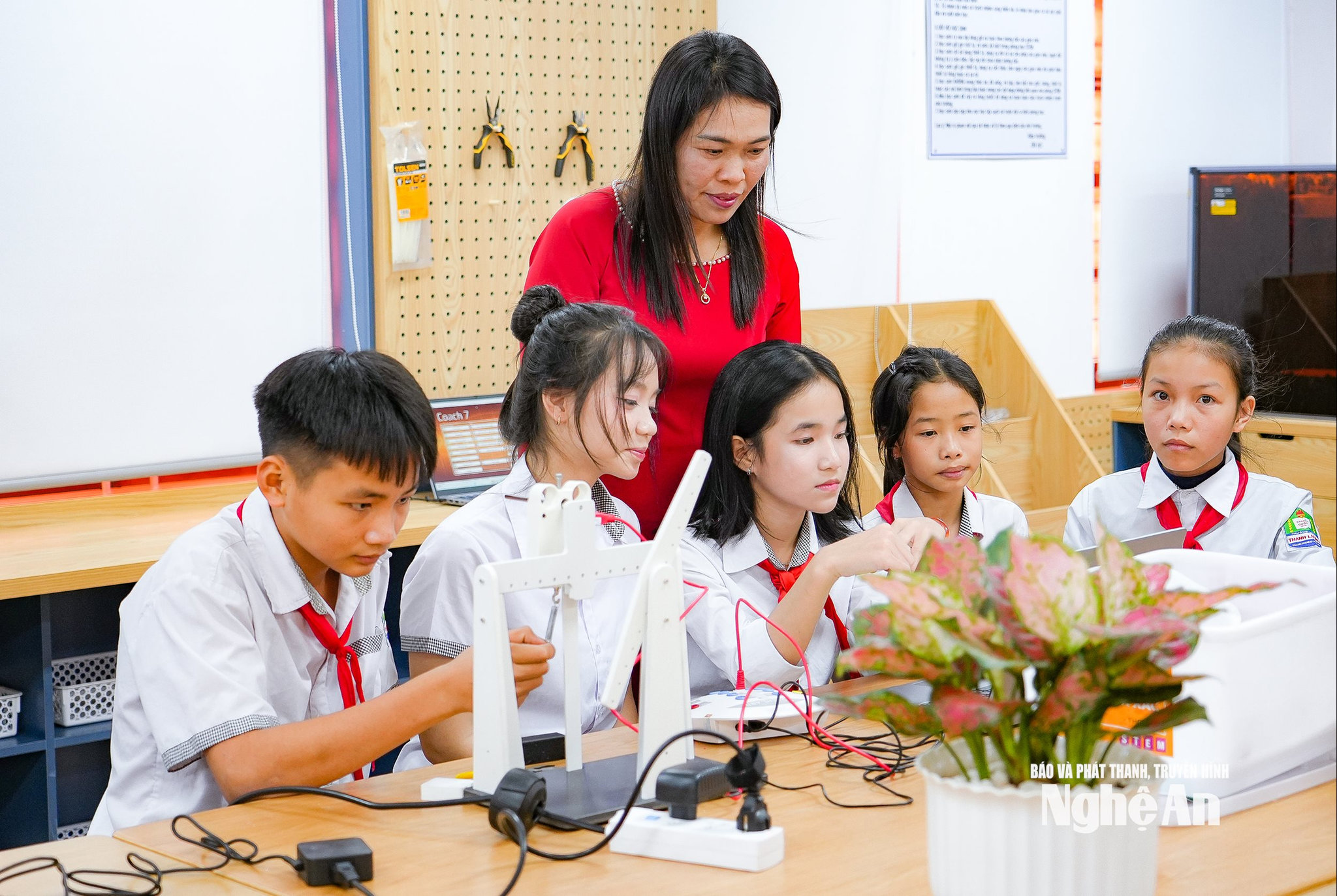
What children need most is to feel loved, accepted, and supported, even when they don't achieve the results they expect. A healthy education begins with adults correctly understanding children's development: Grades are important, but children's mental health, character, life skills, and joy of learning are even more crucial.
Interviewer: Thank you, Dr. Tran Hang Ly!


