
Gunfire in Bondi and a crack in the wall of non-traditional security.
On the afternoon of December 14th, the golden sunlight on Australia's famous Bondi Beach was stained red with blood and tears. The horrific shooting that claimed the lives of 15 innocent people during the Hanukkah festival tore apart the peace of "the land of kangaroos," raising agonizing questions about the effectiveness of gun control laws...
When "paradise" is no longer inviolable
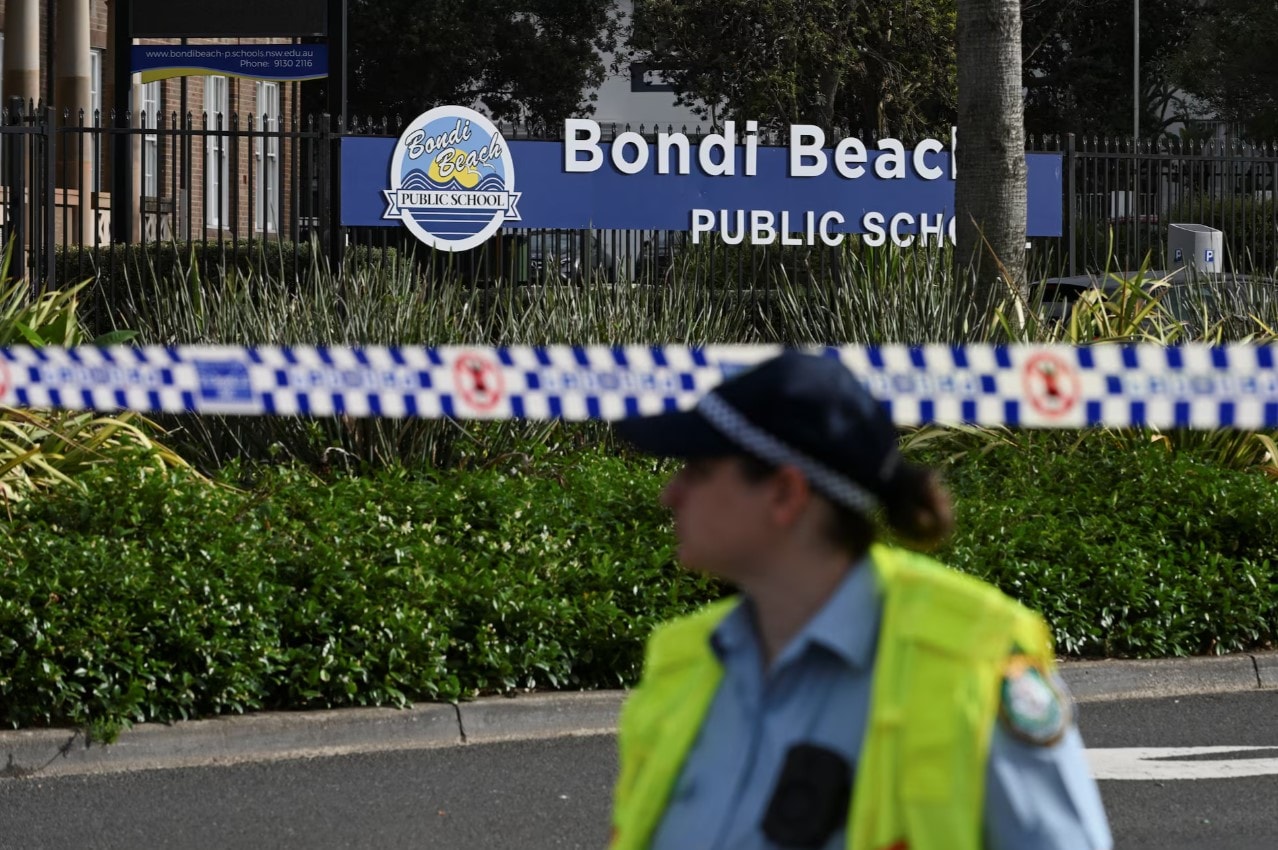
Nearly 30 years after the Port Arthur tragedy (1996), Australians are once again facing the "ghost" of gun violence, but this time, it takes on a far more complex and dangerous form: the confluence of legal loopholes and geopolitical conflict.
Australia has long been regarded by the world as a model of public safety. Following the 1996 Port Arthur massacre, which killed 35 people, the government took decisive action by banning semi-automatic weapons and implementing a large-scale gun buyback program. For the past three decades, these strict regulations have been seen as a "steel wall" protecting citizens from the rampant gun violence often seen in other Western countries.
However, the December 14th attack in Bondi dealt a severe blow to that pride. Prime Minister Anthony Albanese exclaimed that it was "a pure act of cruelty," a "dark moment for the nation."
What is thought-provoking is that the perpetrators were not arms smugglers or organized crime, but a local father and son. The father, 50 years old, had held a legal gun license since 2015 and possessed six firearms. This detail exposes a worrying reality: the process of licensing and monitoring gun ownership appears to have deadly loopholes.
According to the Australian Institute, the number of legally owned firearms in the country has steadily increased and now exceeds 4 million, surpassing pre-1996 levels. This quiet increase, combined with the "permanent" licensing system in some states that doesn't require rigorous periodic checks for mental health or extremist ideology, has inadvertently created a breeding ground for crime within society. New South Wales Premier Chris Minns was right to say that the current gun licensing system is "clearly no longer fit for purpose." This is a valuable lesson about the need for laws to "live," to be constantly updated to keep pace with changing social realities.
Consequences of geopolitical conflicts
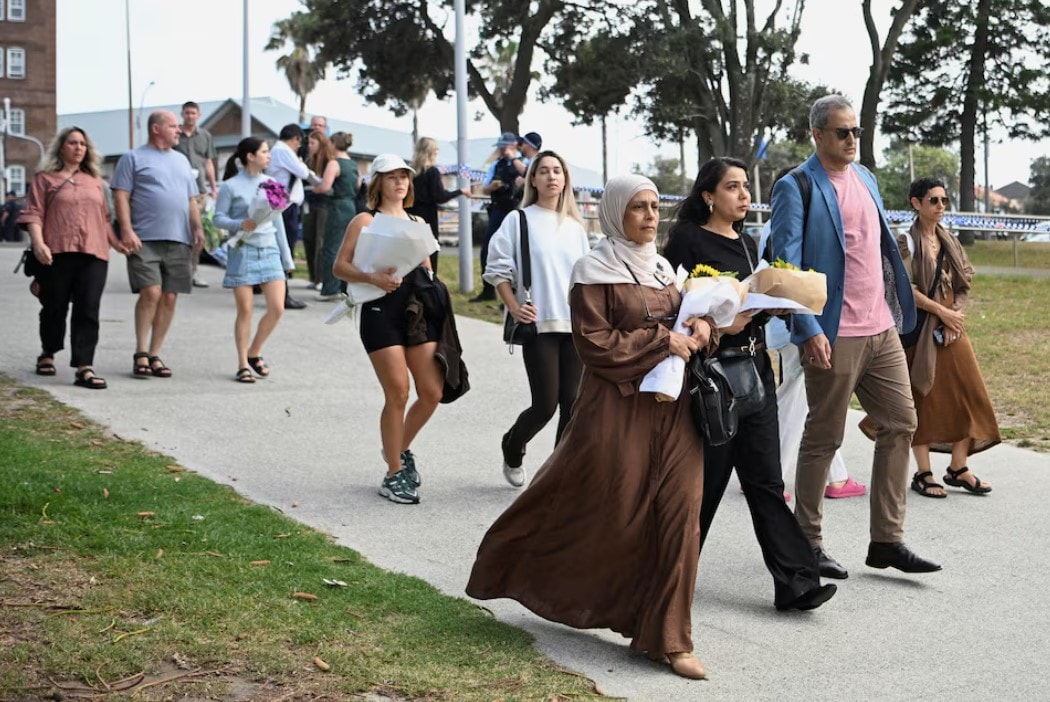
However, viewing the incident solely from the perspective of arms control is insufficient. The Bondi tragedy also serves as a wake-up call regarding the spread of extremism and racial and religious hatred – a non-traditional security issue challenging all nations.
Australian police have determined this was a targeted attack on the Jewish community during the Hanukkah festival of lights. The incident occurred amidst the ongoing conflict in the Gaza Strip, which has been ongoing since October 2023 and has led to an increase in anti-Semitic and anti-Muslim actions globally.
This heartbreaking event demonstrates that in a flat world, geographical borders cannot prevent the spread of extremist ideologies. Conflicts thousands of kilometers apart can still incite violence on a peaceful beach in the Southern Hemisphere. Israeli Prime Minister Benjamin Netanyahu's criticism of Australia's policy regarding the Palestinian issue immediately following the incident also highlights the sensitivity and international nature of this tragedy.
Clearly, national security today lies not only in territorial borders, but also in ideological stability and the harmony of communities. Social polarization, fueled by fake news and hate speech on the internet, is turning ordinary individuals into ticking time bombs.
The light of humanity in tragedy
Amidst the grim backdrop of violence and loss, the courageous actions of ordinary citizens in Bondi shone like a ray of hope. The story of Ahmed al Ahmed, a 43-year-old fruit vendor who, disregarding danger, rushed in to subdue and disarm the assailant, is the most powerful testament to the strength of compassion and solidarity.
Ahmed, a name with Islamic connotations, sacrificed himself to save those attending a Jewish festival. This act is profoundly symbolic, shattering narrow-minded prejudices about religious conflict. It affirms that in the face of evil, there is no distinction of faith or ethnicity, only a choice between humane action and indifference. As one eyewitness said: "We are a close-knit community. We will get through this together."
The tragedy at Bondi left Australia and the international community with profound lessons.
The first,From a government perspective, tightening arms control is never an end-to-end process. Countries need to continuously review and close legal loopholes, and pay particular attention to "post-audit" procedures for those permitted to possess lethal weapons.
Monday,From a social perspective, the fight against terrorism and extremism requires the collective effort of the entire society in preventing the spread of hateful ideologies. Education on tolerance and respect for cultural and religious diversity is the most effective "vaccine" to prevent violence from escalating.
And finally, the incident serves as a painful reminder that peace is a fragile state. It needs to be nurtured every day with understanding, compassion, and fair policies.


