
The sound of drums signaling study time on the border.
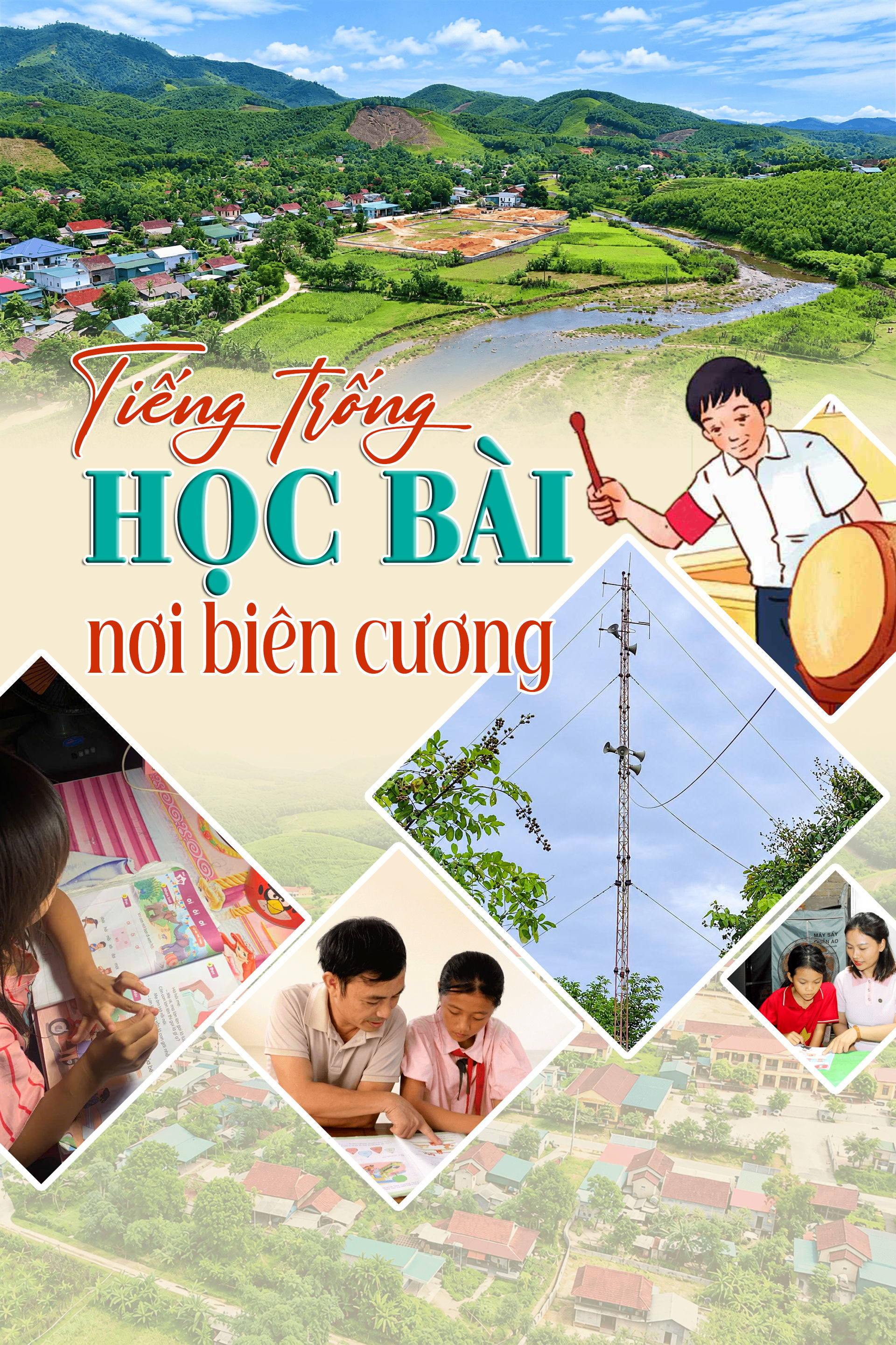
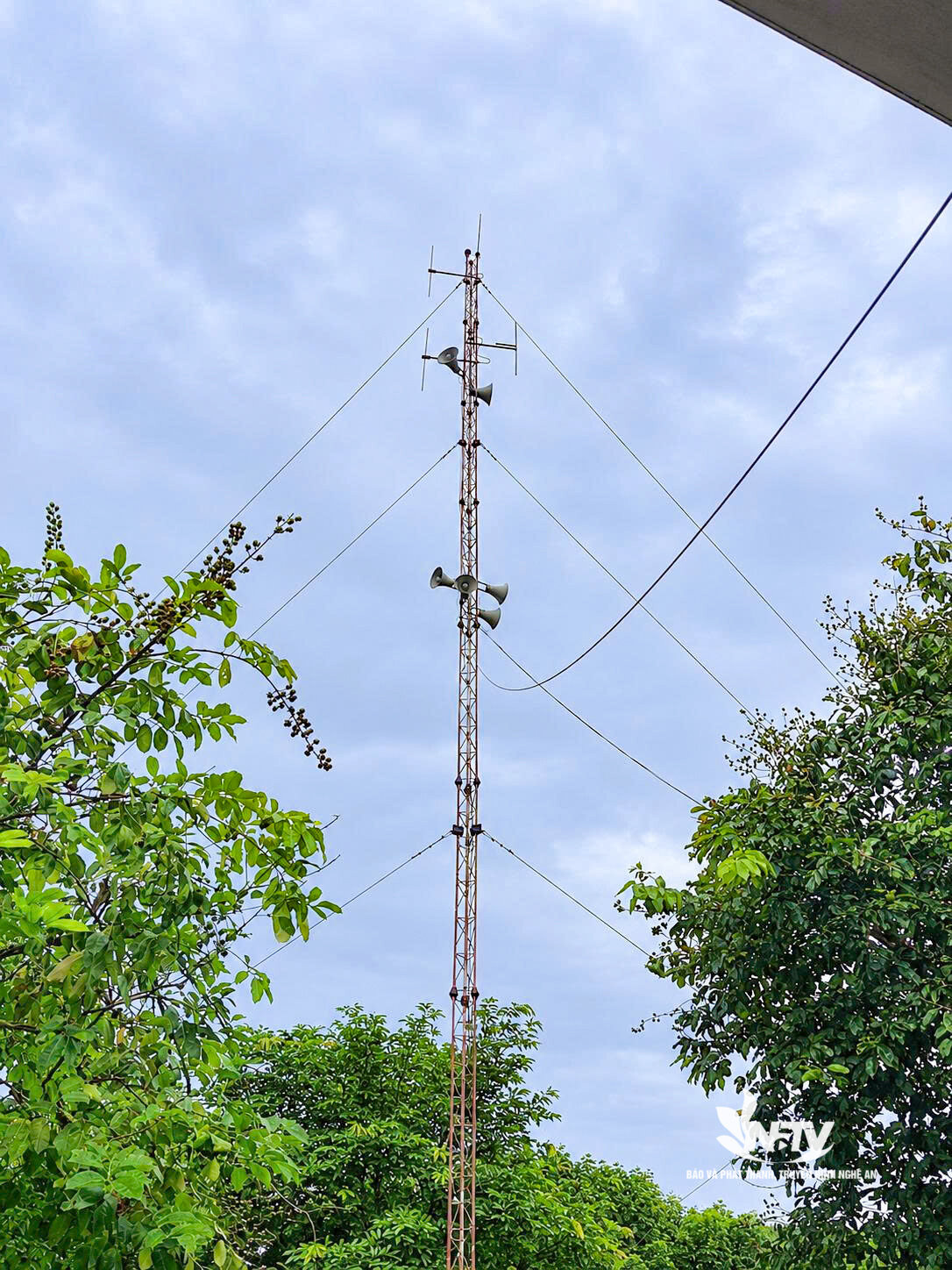
From 7 PM every evening (Monday to Friday), when the self-study reminder sounds on the Son Lam commune's public address system, students in all 7 villages and hamlets voluntarily sit down to review their lessons. With the joint efforts of the school, families, and the entire community, the "Study Drum in the Border Region" model is gradually establishing a study routine, providing further motivation for children in disadvantaged areas to excel in their studies.
Khanh Ly - Hoai Thu/Present:Hong Toai •18/11/2026
*****
From 7 PM every evening (Monday to Friday), when the self-study reminder sounds on the Son Lam commune's public address system, students in the villages and hamlets voluntarily sit down to review their lessons. With the joint efforts of the school, families, and the entire community, the "Study Drum in the Border Region" model is gradually establishing a study routine, providing further motivation for children in disadvantaged areas to excel in their studies.

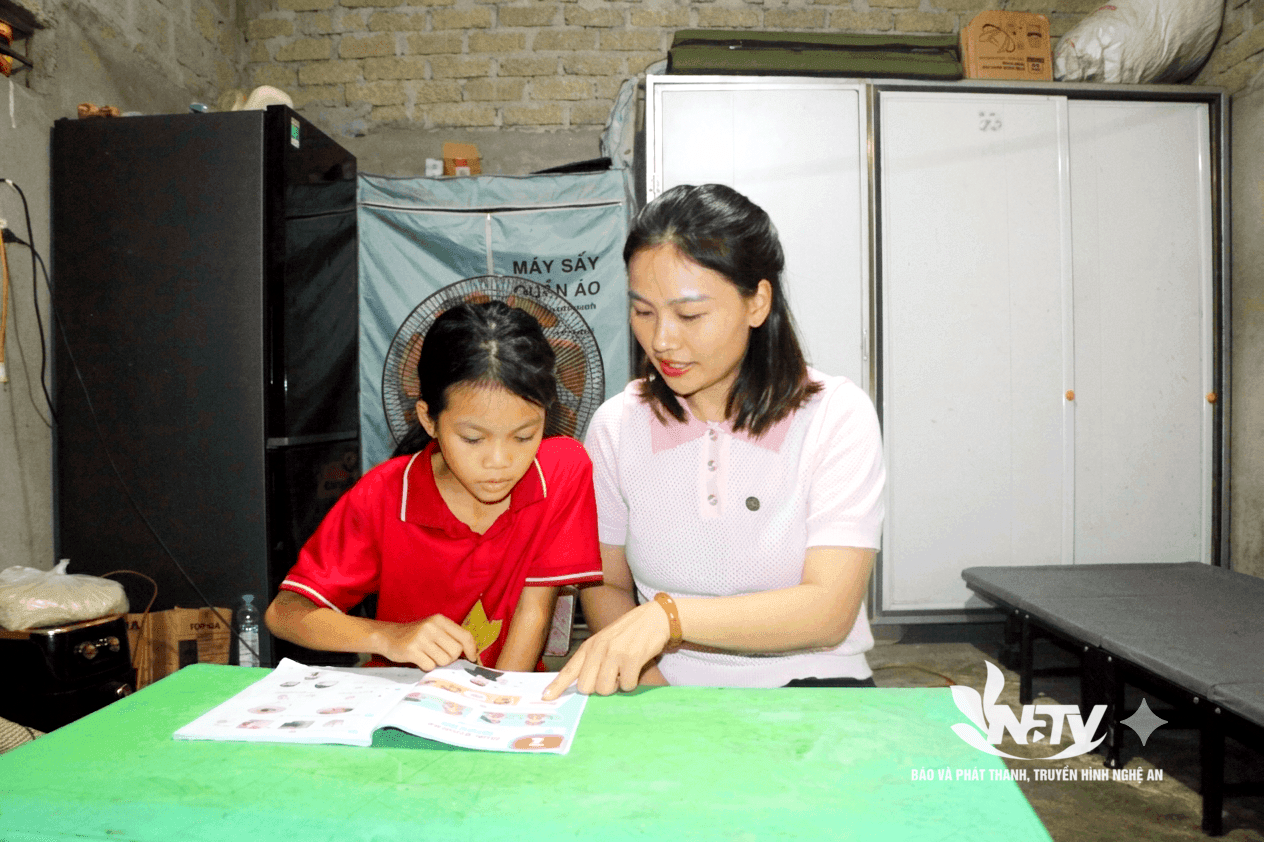
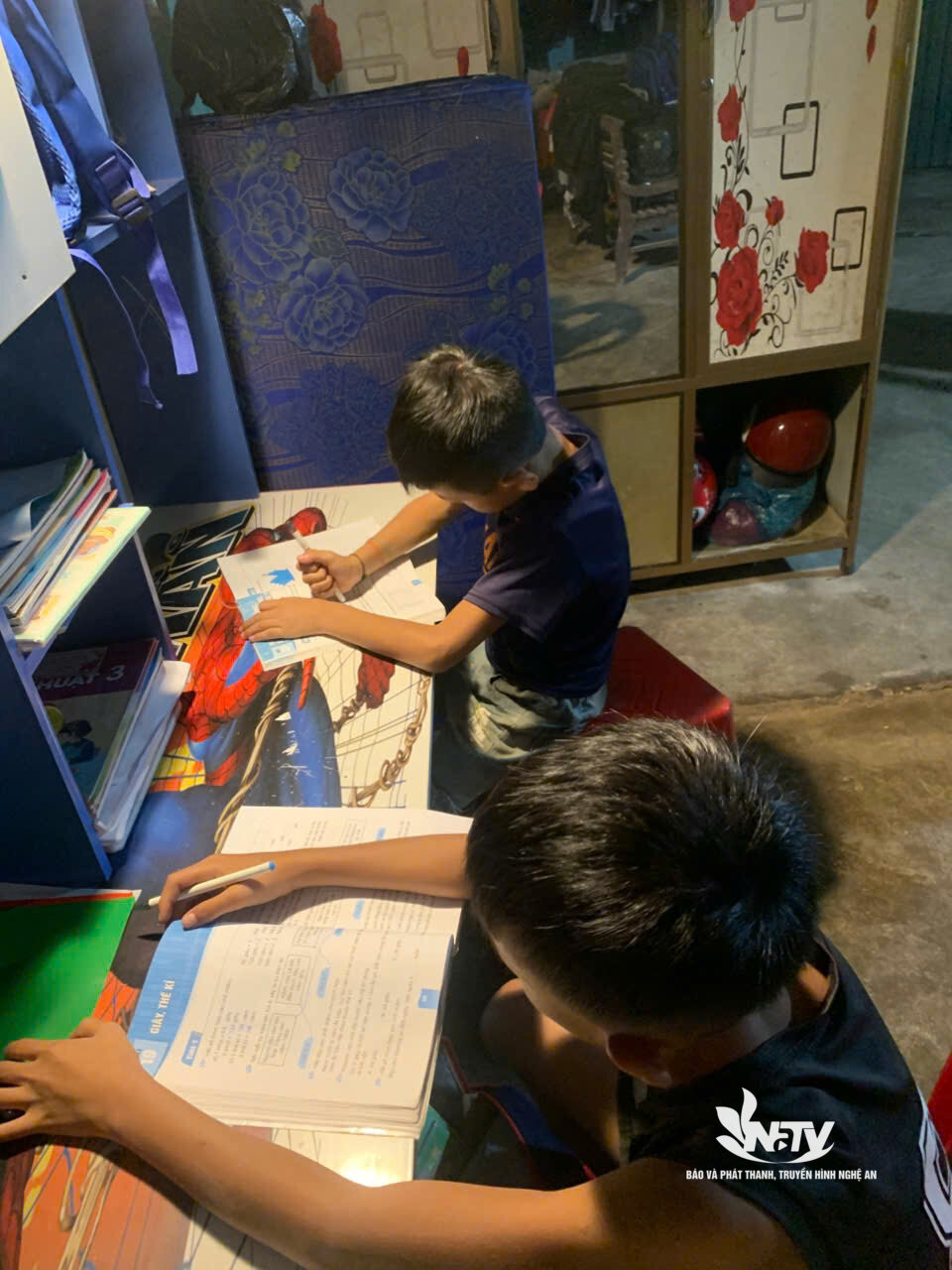
For Ngan Thi Yen Phuong, a student in class 3B at Kim Lam Primary School in Thanh Yen village, evenings have now become a familiar routine.
Every day at 7 PM, she voluntarily sits down at her study desk. Occasionally, her teacher even comes to her house to check on her progress and guide her through the parts of the material she hasn't grasped yet. "With the teacher's guidance, I understand the lessons better and I'm trying my best to get a certificate of merit this year," Yến Phượng shared innocently.
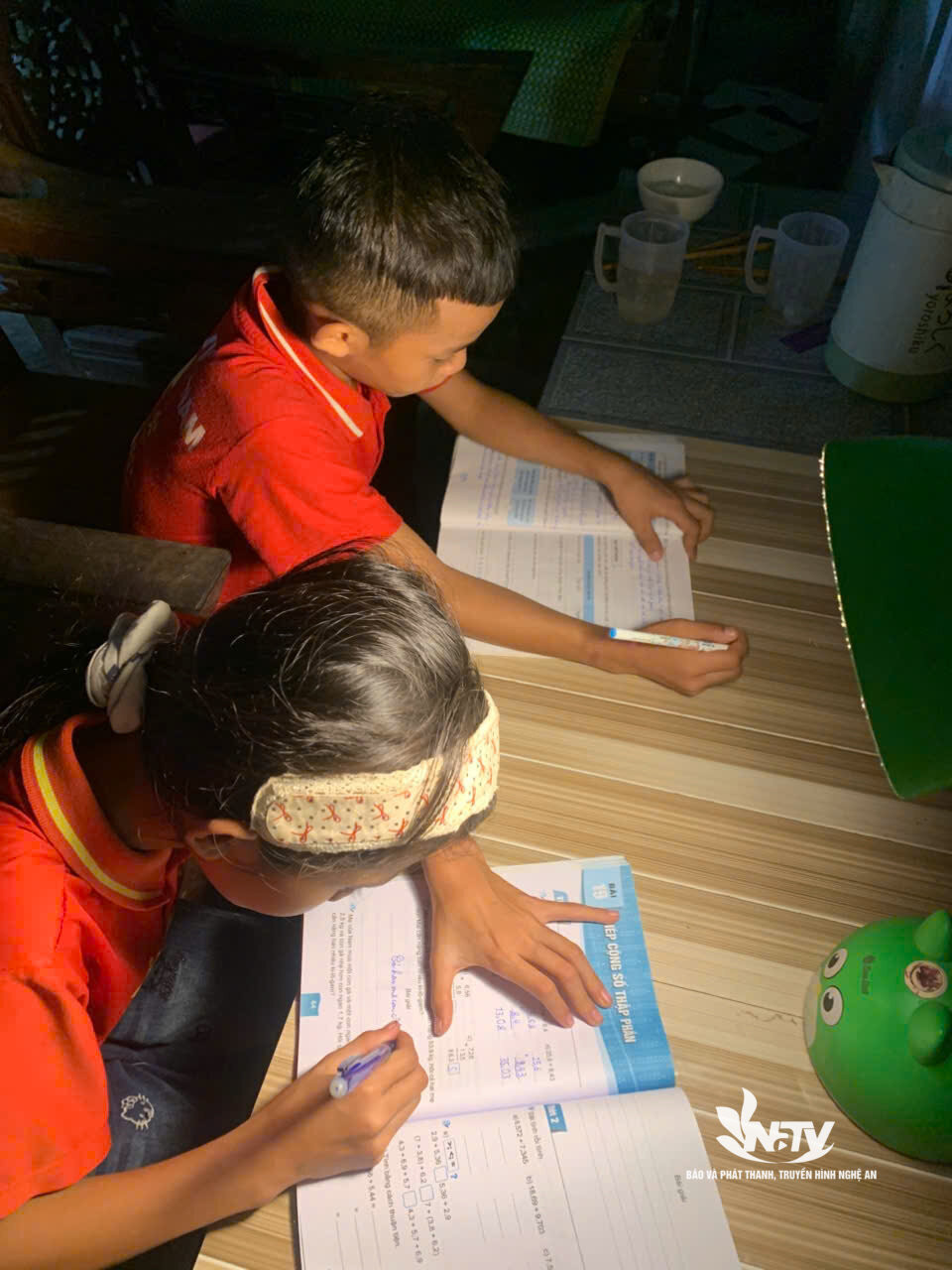
For Vy Thi Thao My, a 5th-grade student in Thanh Duong village, the model has helped her and her two siblings develop a regular study habit. Their father works far away, leaving only their mother at home. Previously, My, her older sister, and her younger brother's evening study schedule was irregular, sometimes not starting until 8 PM. Since the model was implemented, the three siblings remind each other to sit down at their desks precisely at 7 PM.
"Initially, there were loudspeakers reminding us to study, but later, we didn't need reminders anymore; at exactly 7 PM, we would study on our own. A few evenings a week, the teacher would come to check our homework and provide extra guidance on anything we didn't understand, so I grasped the lessons much better."
Thảo Mỳ shared.
Between 7 PM and 9 PM each evening, when students are focused on studying, family activities in the villages of Son Lam commune are also arranged accordingly, leaving a quiet space for children to study.
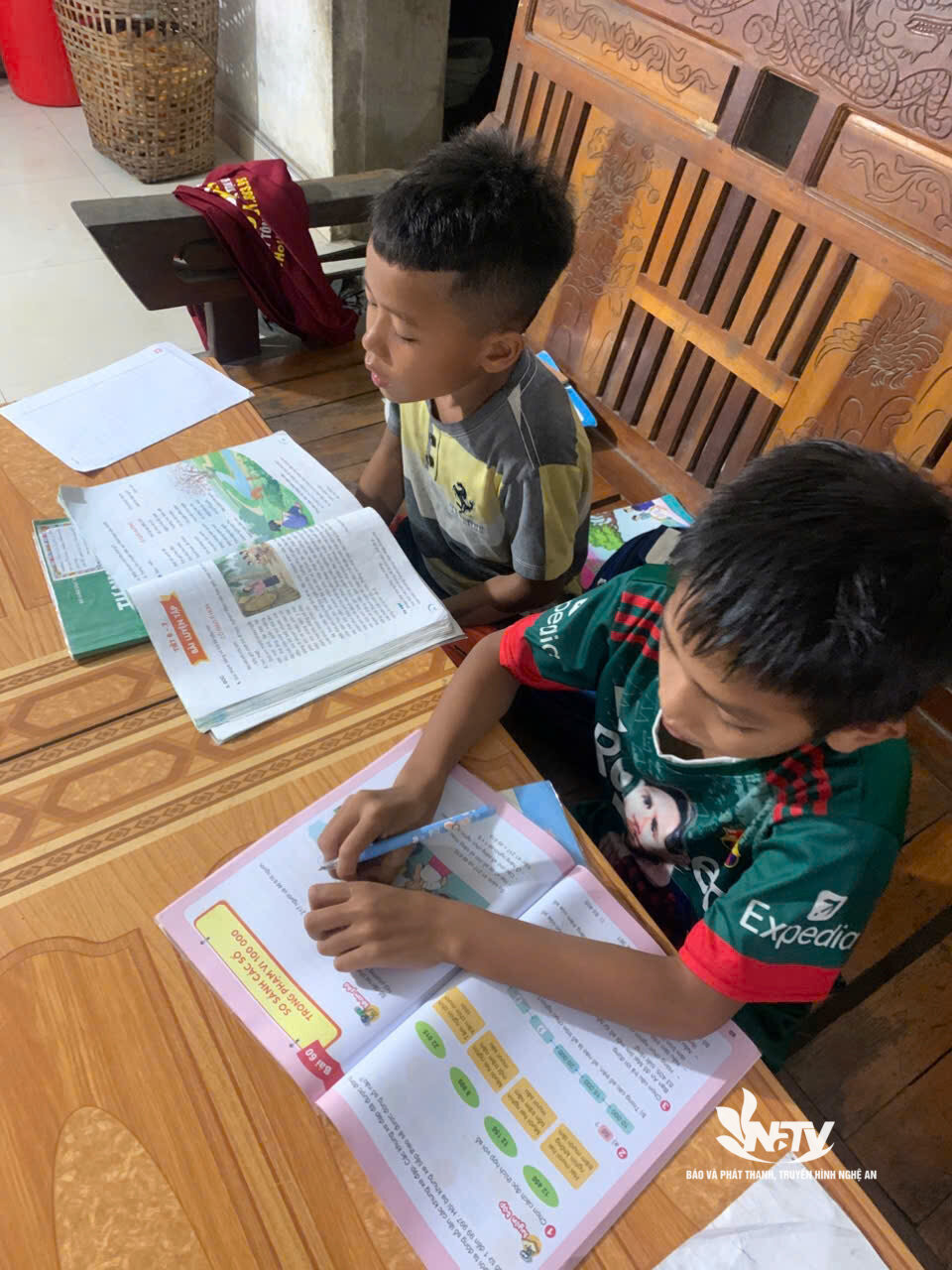
These changes are exactly what Kim Lam Primary School aims for when building the "Study Drum Sound in the Border Region" model.

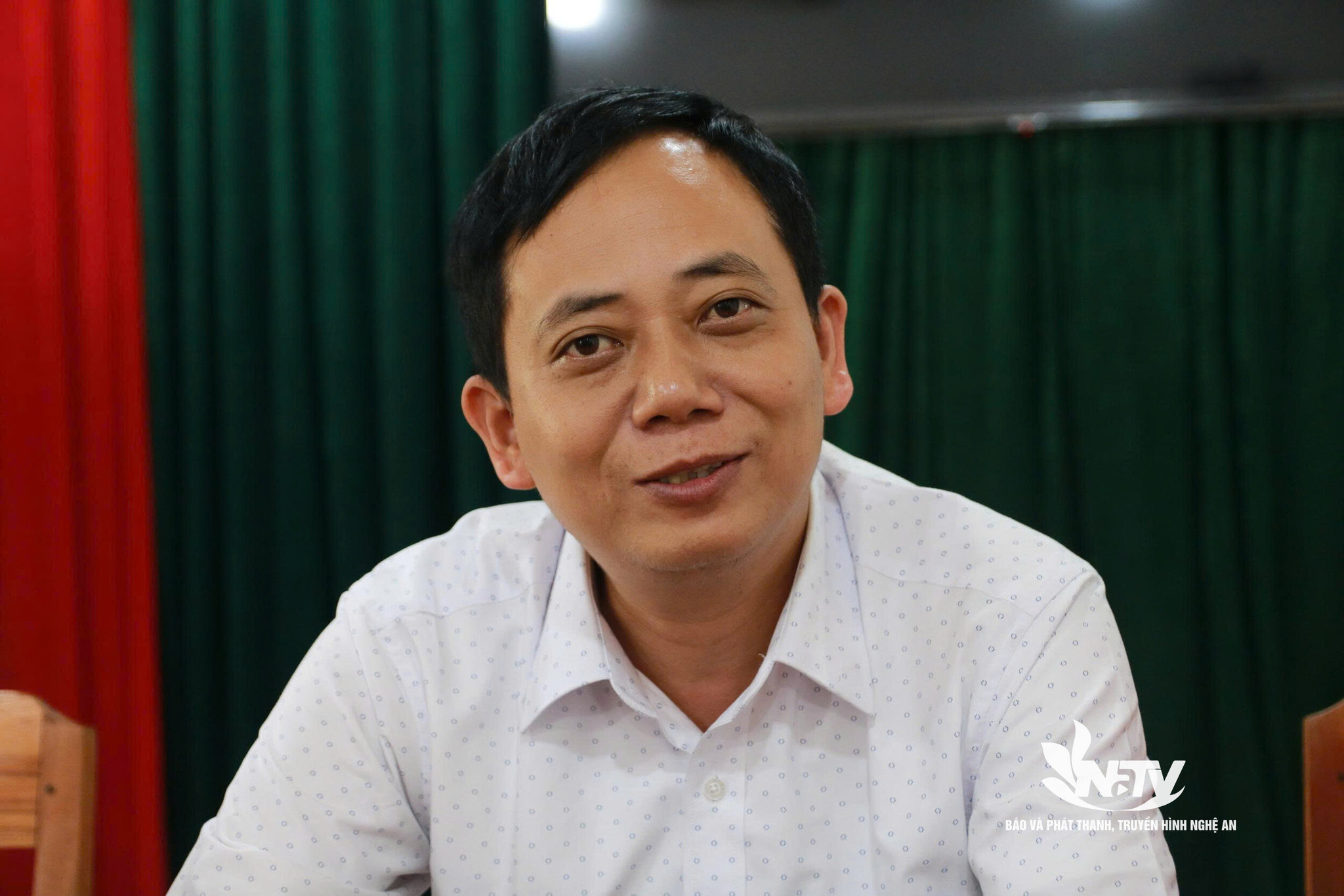
According to Mr. Dang Ngoc Linh, the school principal, the school currently has 487 students in 19 classes. The majority of students are children of ethnic minorities (mainly Thai, Khmu, Tay, and O Du ethnic groups), originating from Kim Da and Kim Tien communes (formerly Tuong Duong district), who were resettled as part of the relocation plan for the Ban Ve Hydropower Project in Son Lam commune (formed by the merger of Thanh Son and Ngoc Lam communes in the former Thanh Chuong district).
In their daily lives, many children primarily use their mother tongue, while Vietnamese is their main language of instruction. Therefore, reading, writing, and speaking skills in Vietnamese need to be practiced regularly.
Without practice, students can easily struggle to acquire knowledge, especially fundamental skills such as fluent reading, correct spelling, and accurate calculations.
Furthermore, many parents work far from home, leaving their children with grandparents or relatives. Therefore, their ability to care for, remind, and support their children in their studies is somewhat limited. Meanwhile, the school's facilities do not yet allow for a two-session-per-day teaching schedule.
Based on this reality, on November 3, 2025, Kim Lam Primary School developed a project to implement the "Study Drum" model, aiming to form the habit of self-study at home for students.
The goal is not to create more pressure or increase the amount of homework, but to help students learn to manage their time independently and maintain daily study, especially for essential skills like reading, writing, and arithmetic.
To ensure the model is implemented uniformly throughout the commune, the school closely coordinates with the Party committee, the government, the Party branch secretary, the village head, and influential people to disseminate information about the meaning and purpose of the movement.
Families are encouraged to create a quiet environment and allocate appropriate time for their children to study according to a unified schedule.
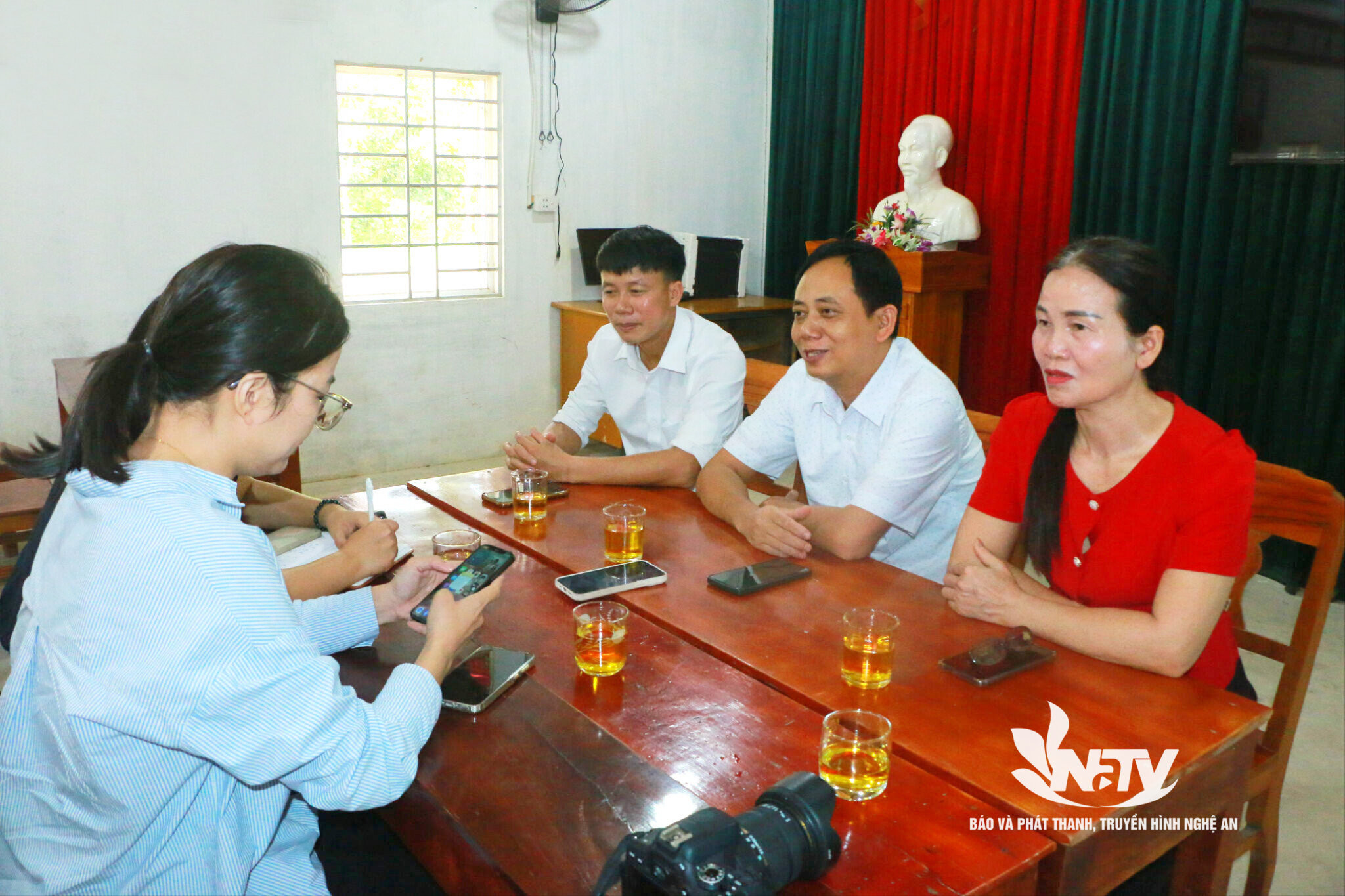
In addition, the local police and military forces coordinated patrols, reminding and restricting noisy activities such as karaoke singing and large gatherings during school hours. The task force of Ngoc Lam Border Guard Station, along with homeroom teachers, visited and encouraged families in remote areas to pay more attention to their children's education.
Social organizations also actively participated in the movement, such as the Women's Union integrating the content of "The Study Drum" into the "Godmother" and "Studying with Children" models; the Youth Union promoting and encouraging young people to maintain peace and quiet in residential areas. The Parent-Teacher Association became a bridge between the school and the family, paying special attention to children living with grandparents or relatives.
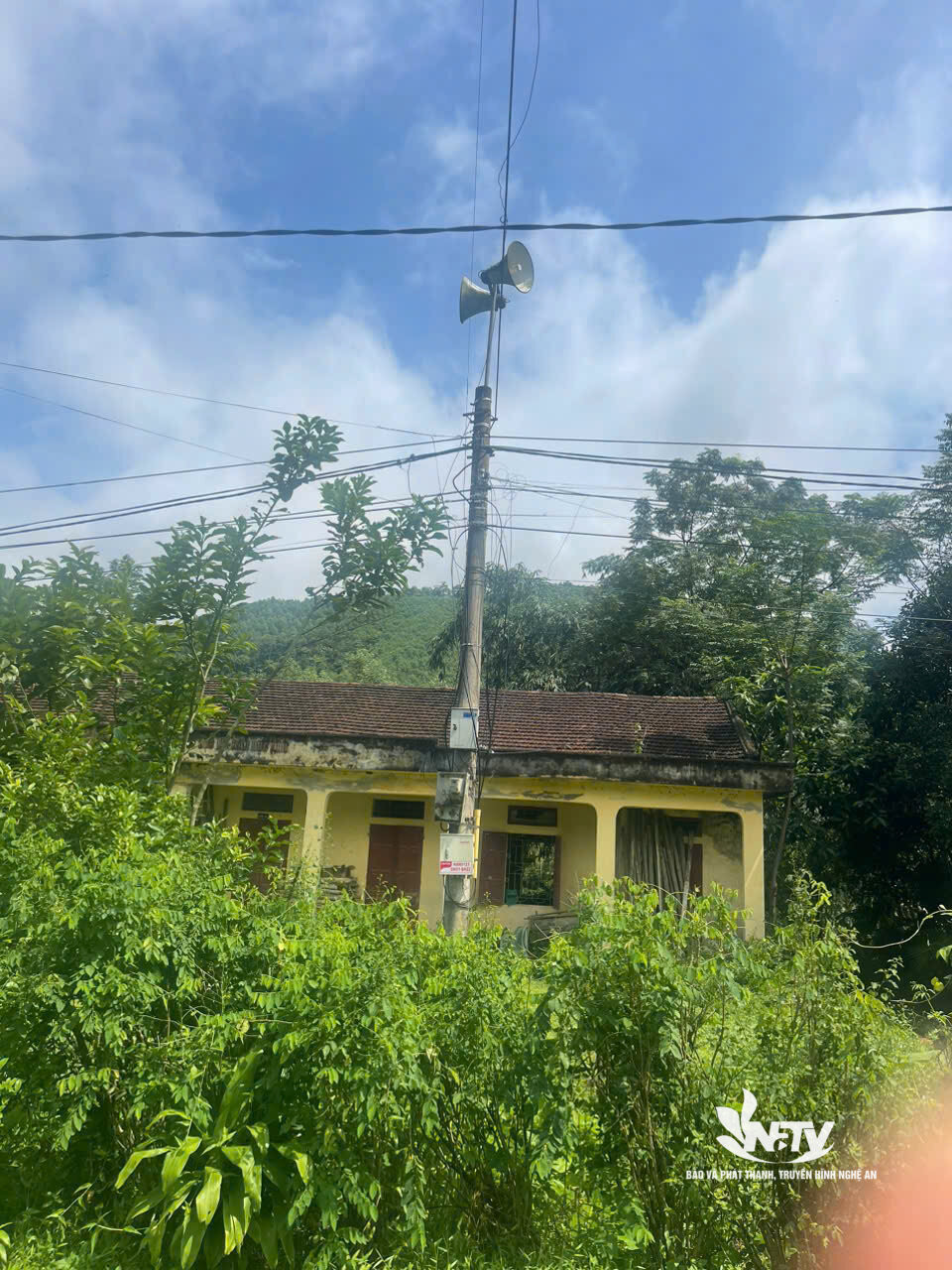
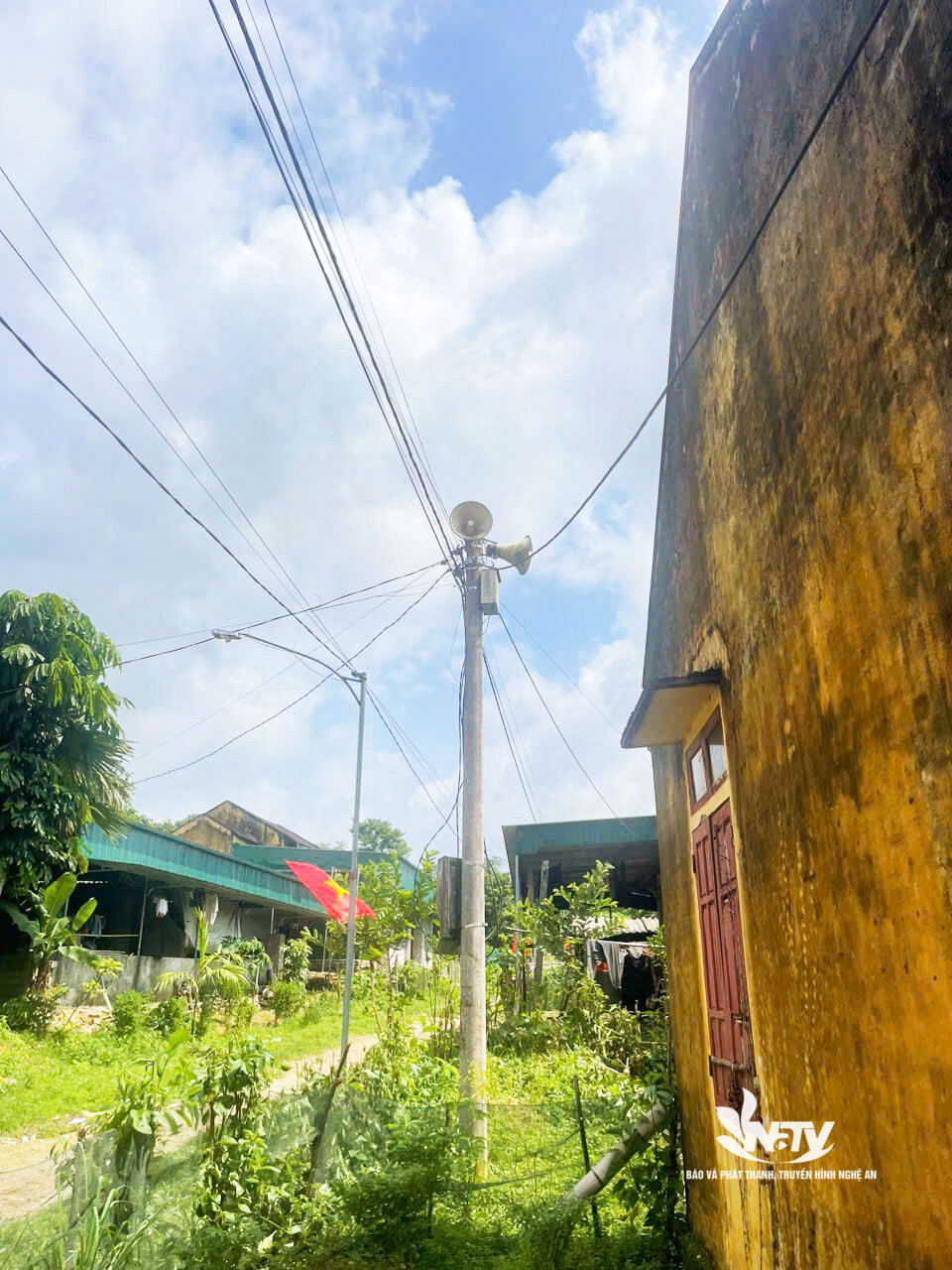
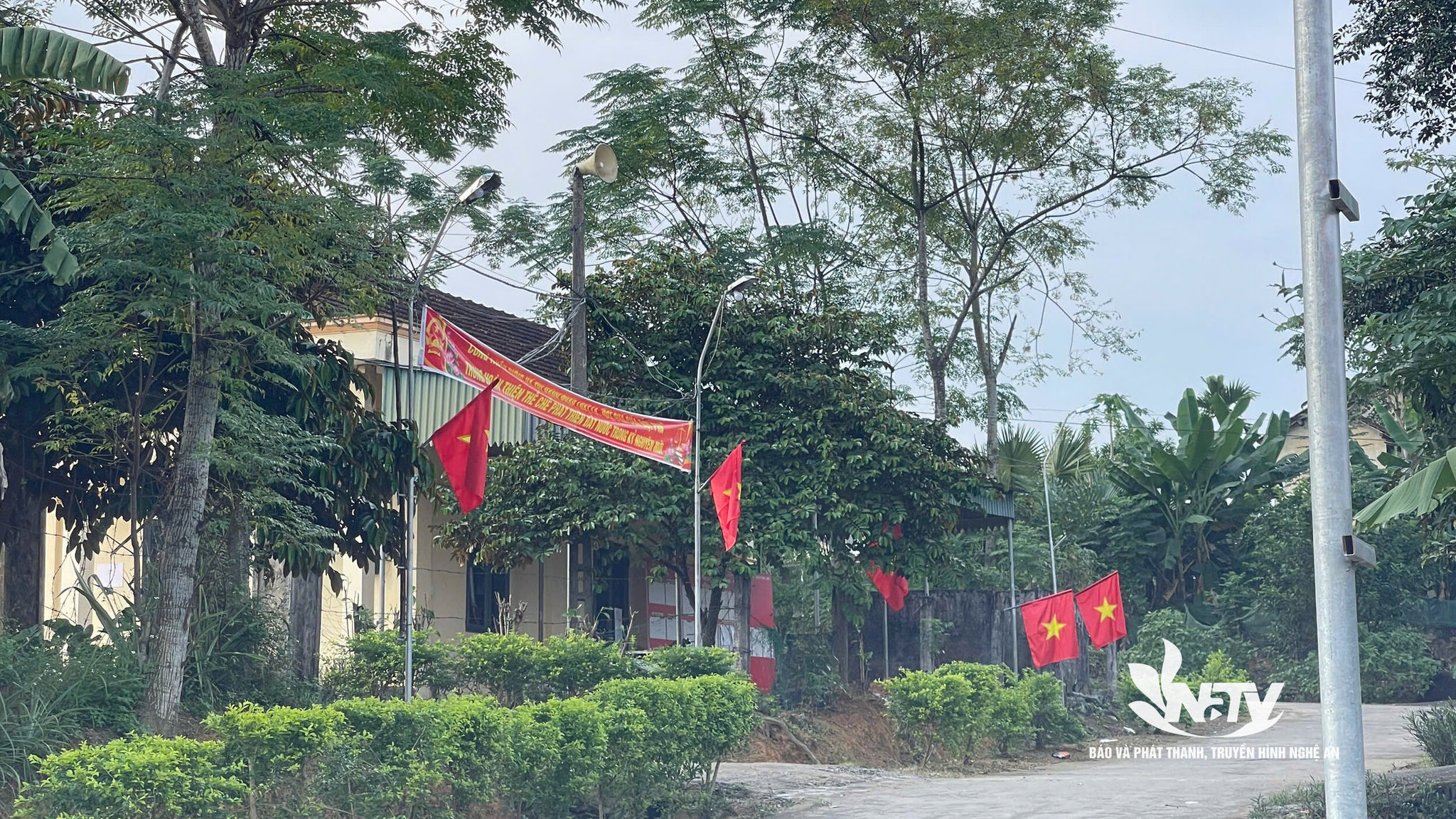
According to teacher Dang Ngoc Linh, the core of the model is to promote the shared responsibility of the school, family, and community. Monitoring and reminders are carried out in a way that encourages, supports, and motivates, not in an administrative manner or putting pressure on students. Through this, self-study time is gradually transformed into a natural part of daily life in each family.

Originating from Kim Lam Primary School with 7 villages (concentrated in the former Thanh Son commune), the "Study Drum" model has now been implemented in 13 villages in Son Lam commune, receiving the support of officials and residents. Not only have students changed their study habits, but many families have also gradually formed the habit of dedicating a quiet space for their children to review their lessons.

In Thanh Duong village, with 311 households and a poverty rate of 57%, maintaining evening study routines is even more important. Many young workers leave their homes for work, leaving their children with grandparents or relatives. Without regular parental reminders, children's home learning can easily become haphazard and undisciplined.
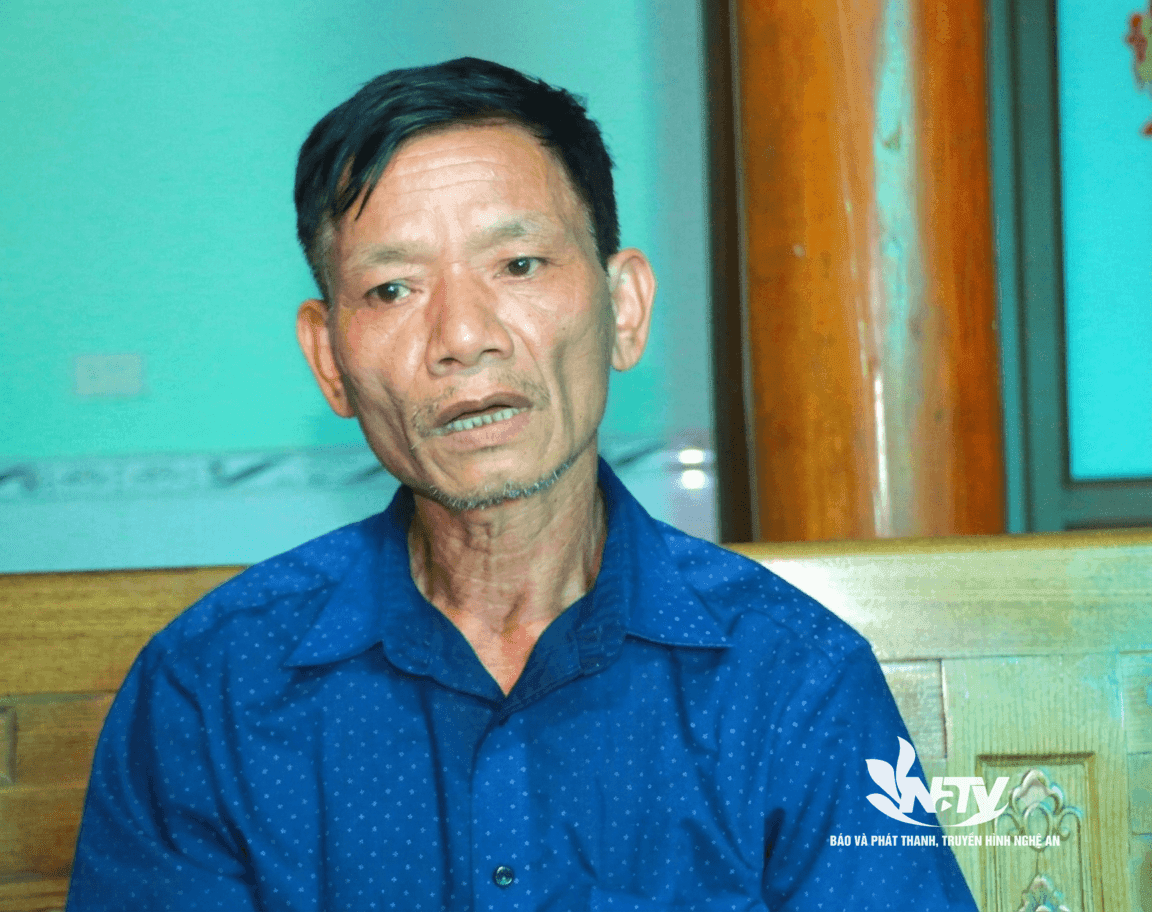
Mr. Luong Van Ong, Secretary of the Thanh Duong Village Party Branch, said that in the past, many students only studied when reminded by adults, or even just skimmed through their lessons. Since the model was implemented, the students have become more proactive in reviewing their lessons. Students who learn slowly even receive guidance and support from teachers at their homes. Adults in the village are also more conscious of limiting noisy activities during children's study hours.
According to Mr. Ong, the encouraging thing is that the movement has not only brought about change in students but has also helped the community become more aware of its responsibility towards its children's education.
To ensure the model is implemented effectively, Kim Lam Primary School assigns teachers to specific areas, regularly visiting villages and hamlets to check on, encourage, and support students, especially those with limited knowledge. The teachers not only guide students in completing assignments but also help them learn how to study independently in a way appropriate for their age.
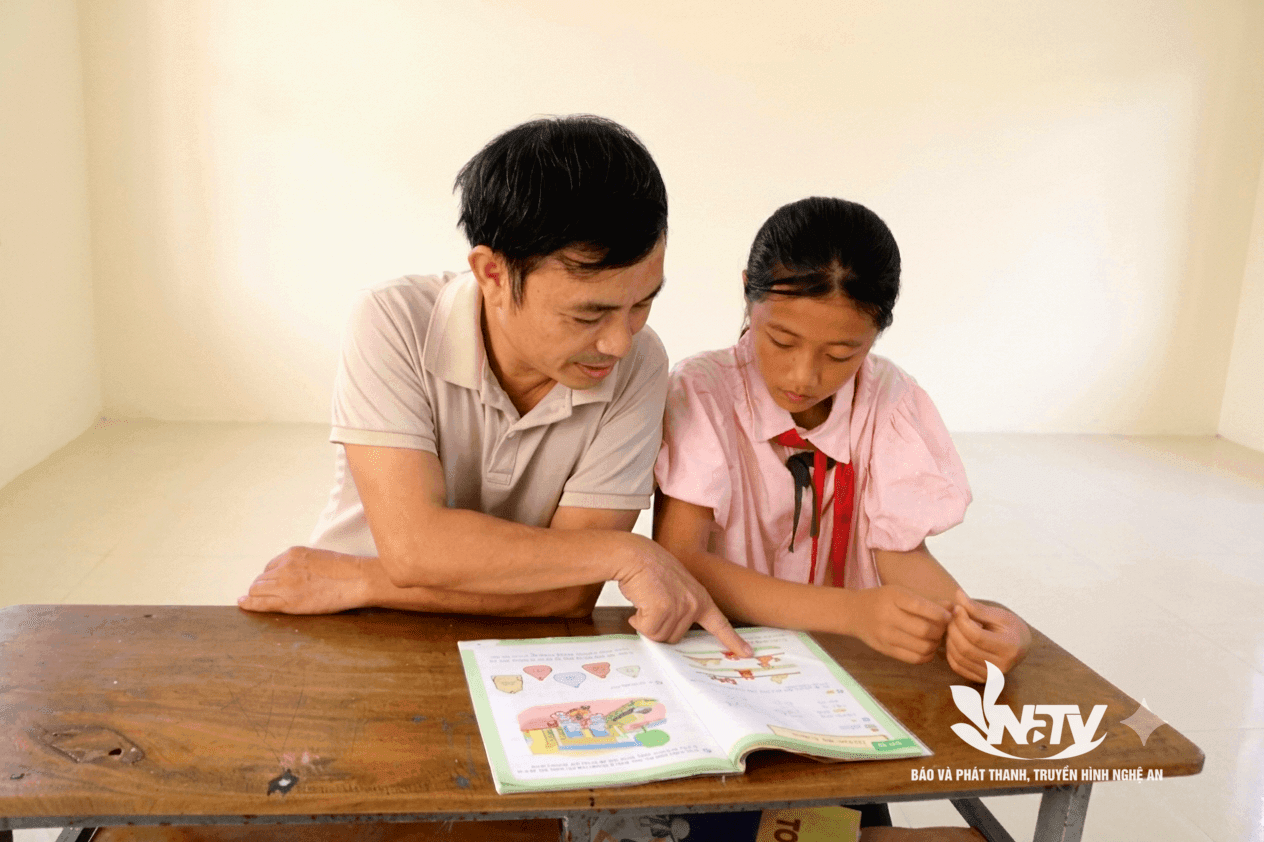
Mr. Dinh Xuan Hao, the homeroom teacher of class 5C, was assigned to the Thac Liep area in Thanh Duong village. On some evenings, he would travel to the village, visiting each family to check homework and guide students in their studies. He not only cared about the students in his homeroom class but also other students from the school who lived in the area.
According to Mr. Hao, for elementary school students, especially those living with grandparents or relatives, guiding them in self-study methods is very important. Teachers do not focus on the quantity of homework but rather on maintaining a consistent study habit, studying at a manageable level, and focusing on key areas; prioritizing Vietnamese reading practice, reviewing knowledge learned during the day, practicing writing, and developing basic math skills.
Like Mr. Hao, Ms. Lo Thi Sau, who has dedicated 22 years to education, also regularly spends time visiting families in Thanh Yen village to check on and support students. Although her assigned area is about 6 km from her home, she still tries to assist 4-5 students each time she visits the village.
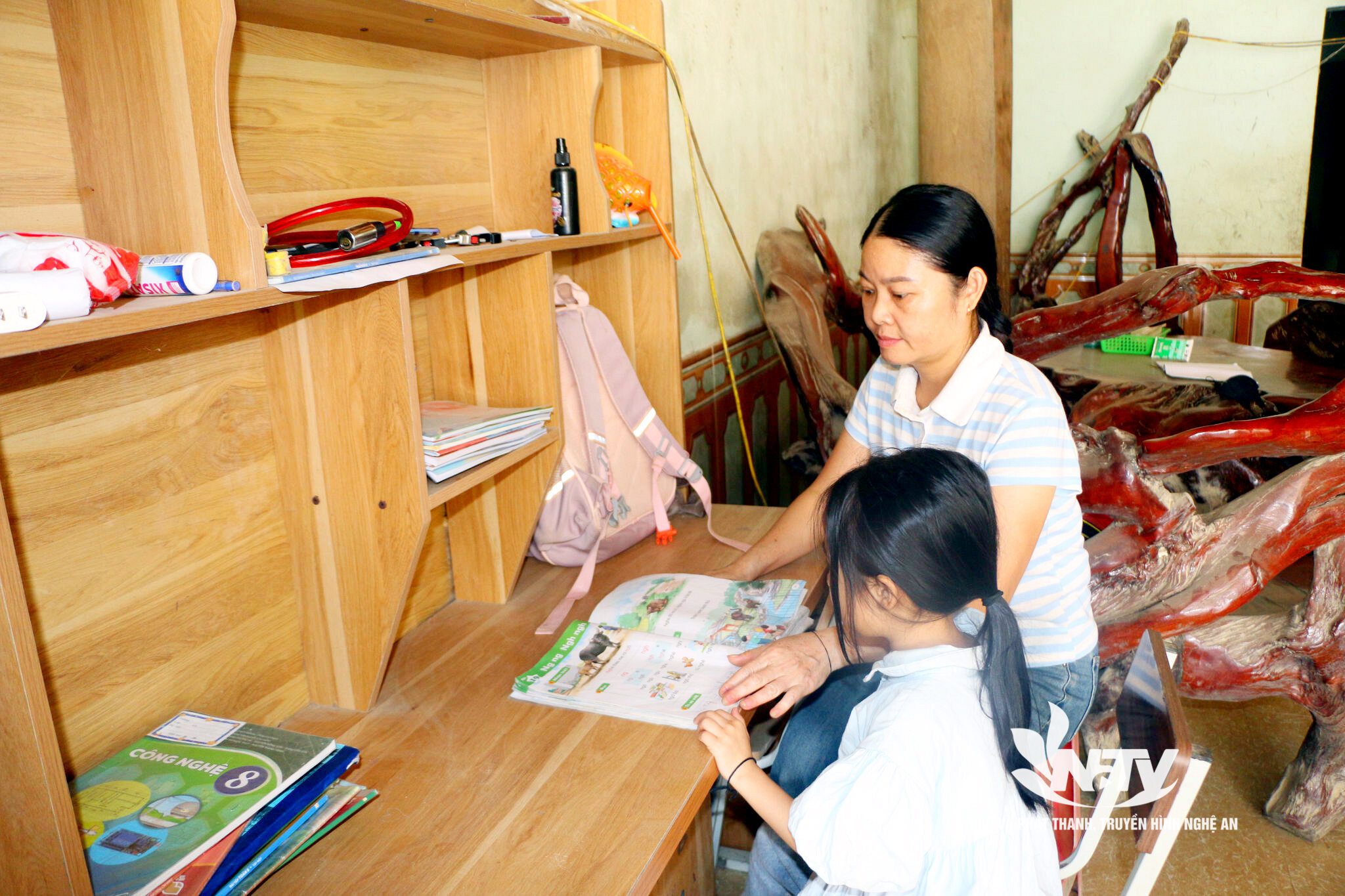
The commute is quite tiring, but seeing the students improve every day makes us very happy. Besides guiding their studies, teachers also take the time to teach them essential life skills.”
Ms. Sau shared.
In remote areas like Binh Yen village, located 8-9 km from the school, teachers La Thi Toan and To Minh Trung persevere in their work. Besides tutoring and guiding students to maintain their self-study time, the teachers also learn about each student's circumstances to provide appropriate encouragement.
During home visits, the teacher noticed that some students lacked school supplies, including desk lamps. Based on this observation, Principal Dang Ngoc Linh decided to donate 24 desk lamps to the students, helping them to have better learning conditions.
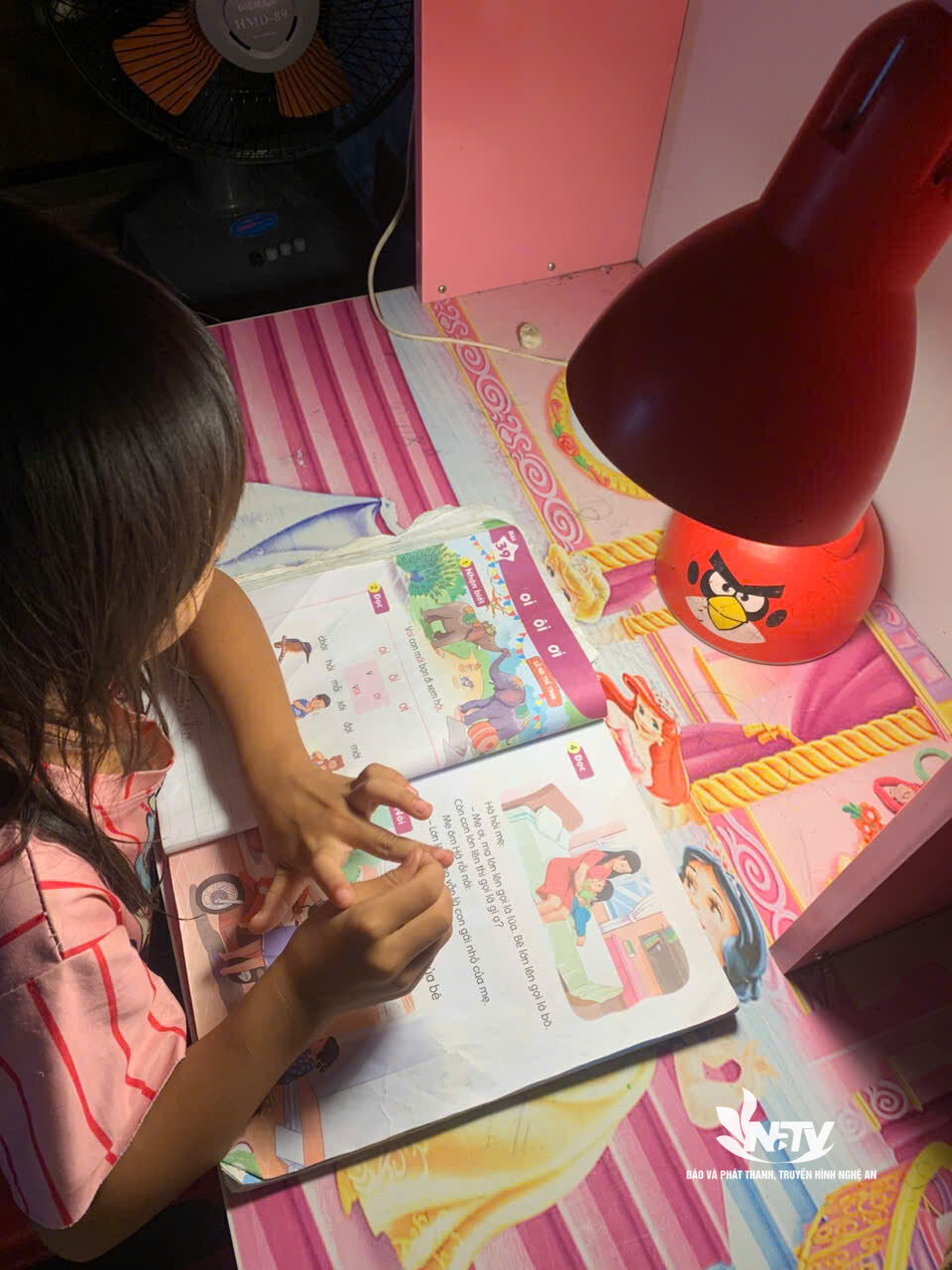
This collaborative effort wasn't limited to the current teaching staff. In early November, the entire school, from the principal to homeroom teachers, went to various locations to check on and guide students in their self-study. Notably, some retired teachers also enthusiastically participated.
Mr. Luong Cong Can, who retired in 2021 and currently lives in Thanh Duong village, is one such person. With a desire to contribute to the education of children in disadvantaged areas, he remains willing to work alongside the school.
According to Mr. Can, the "Drumbeat for Studying" initiative is a practical measure that has received support from village officials and the people because it aims at the long-term benefit of children.
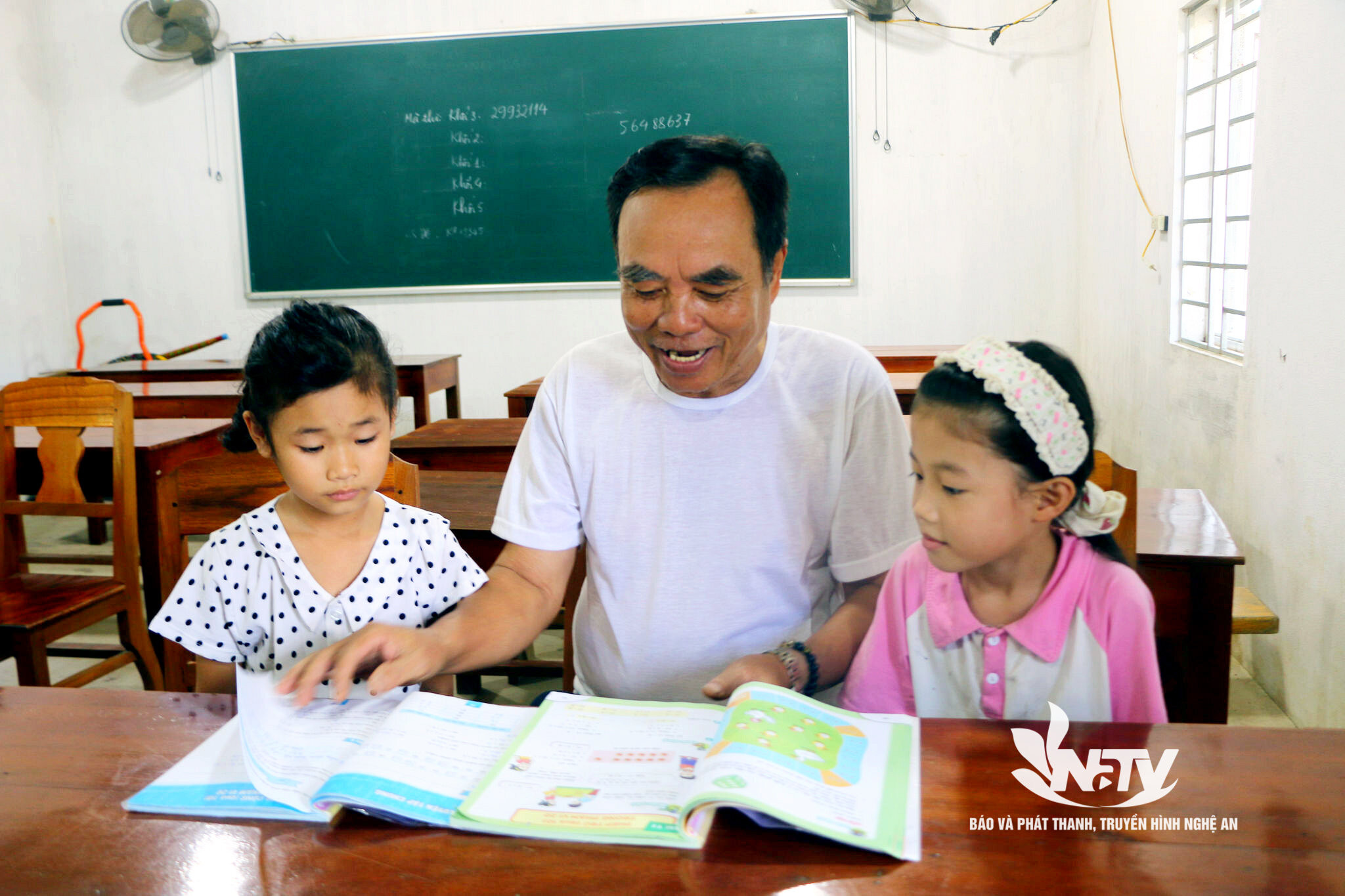
Positive changes are also gradually being reflected in students' attitudes and academic results. According to Ms. Dang Thi Mien, Deputy Principal of Kim Lam Primary School, the school evaluates the effectiveness of the model based on genuine progress in discipline and learning awareness, not just on grades.
Regular reading and writing practice helps students improve their reading speed, comprehension, spelling, and expression. For mathematics, consistent practice helps them calculate accurately and become more confident in learning new material. In particular, ethnic minority students have more opportunities to improve their Vietnamese language skills, creating a foundation for excelling in other subjects.
Even more encouraging, the change is not only reflected in their attitude towards learning but also in their personalities and self-confidence. A prime example is Hap Hoang Thien, a Khmu ethnic minority student in class 5C. His family is facing financial difficulties; he has three siblings attending the same school, and his father works far away. Previously, Thien was slow to grasp lessons, lacked concentration during class, and required frequent reminders. Thanks to the constant attention and guidance from his teachers, he has gradually become more diligent, well-behaved, and conscientious in his studies.
Or take Hoang Bao Ngoc, a student in class 3A, who, from a shy girl with average academic performance, has strived to improve her studies, becoming bolder, more confident, and participating in the School's Youth Union Command Board as the Deputy Head of the Youth Union.
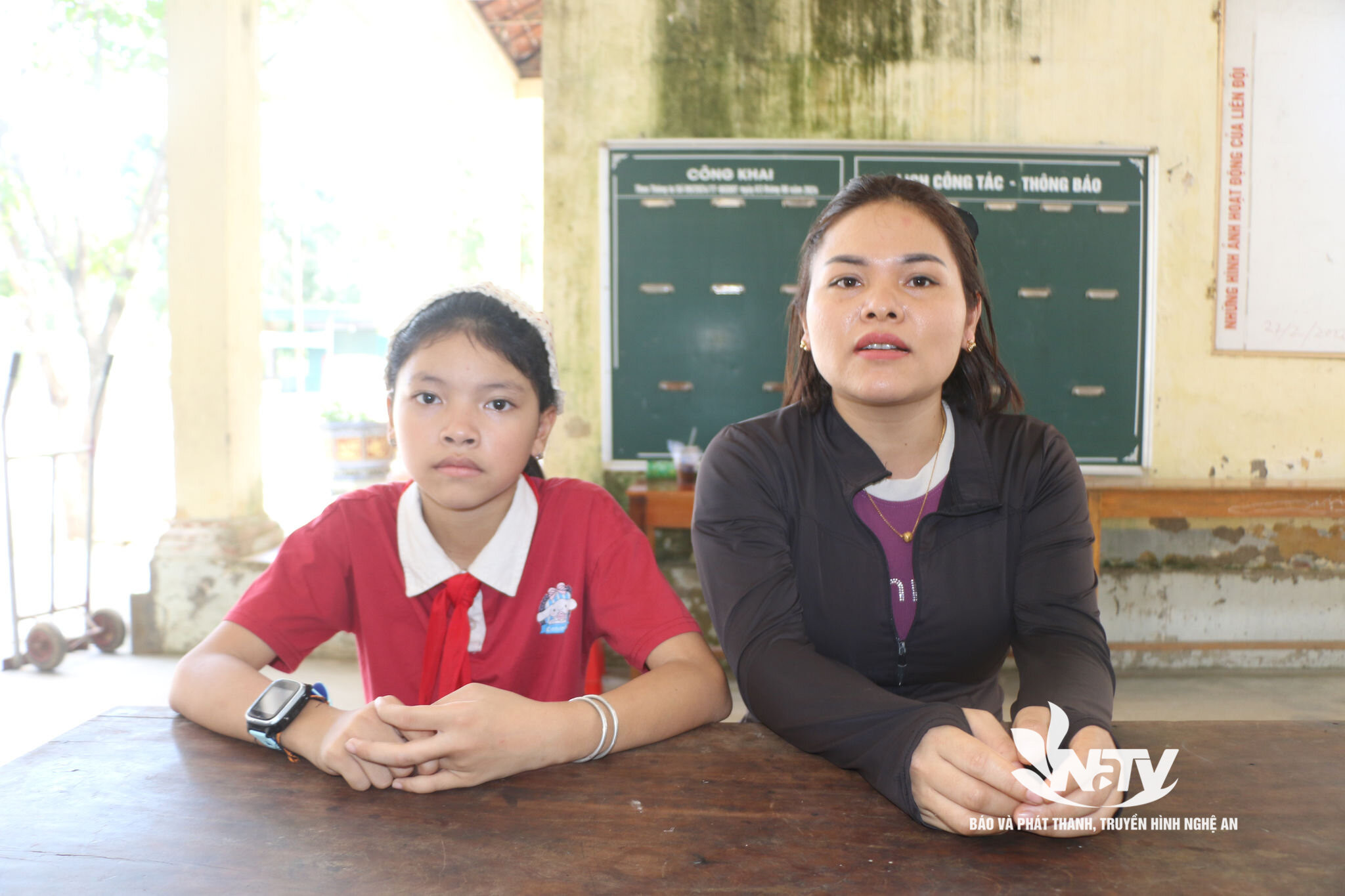
Ms. Lo Thi Nga, of the O Du ethnic group and parent of Hoang Bao Ngoc, happily shared that in the past, parents often had to remind their children to study. Since the model was implemented, the children have become more self-disciplined, proactively preparing their books and notebooks by 7 PM. The adults in the family are also more conscious of creating a quiet space for their children to concentrate on their studies.
According to Ms. Nga, the most significant aspect of the model is that children's education is no longer solely the responsibility of the school or individual families, but has become a shared concern of the entire community.
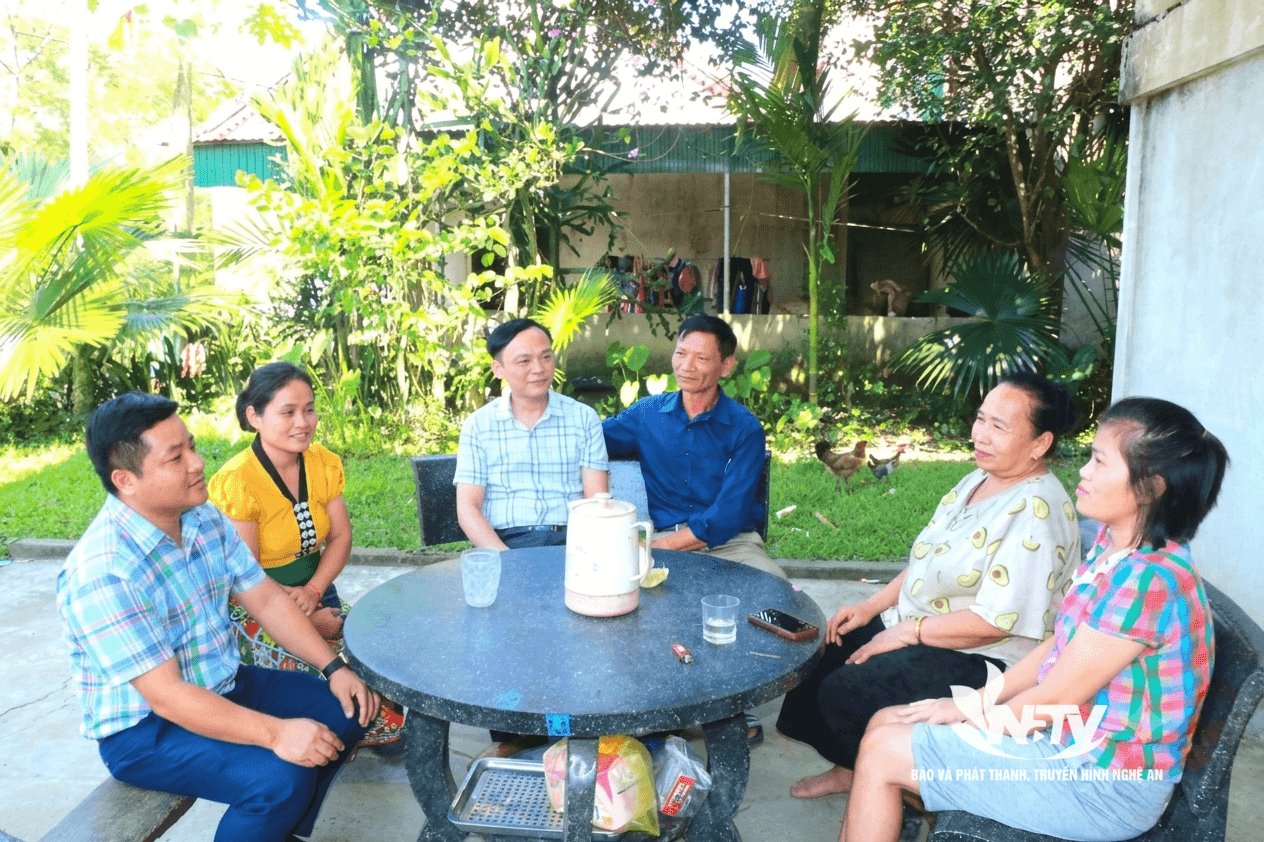
Evaluating the model, Mr. Nguyen Van Dien - Head of the Party Building Committee of Son Lam commune - said that promoting the broadcasting system along with the coordination mechanism between schools, families, villages, and the government has contributed to transforming self-study time into a regular activity in community life. This approach is suitable for the local conditions, especially in areas with many economic and educational difficulties.
From a simple evening reminder for studying, a positive habit is gradually being formed in every family in Son Lam commune. When students learn to study independently, parents pay more attention to their children's learning, teachers are willing to visit homes to provide guidance, and the community creates a quiet space for children, it is then that the spirit of learning is nurtured through concrete actions.

The journey to improve the quality of education in border areas is still fraught with difficulties, but with the combined efforts of the entire political system and the people, regular evening self-study sessions are contributing to building a sustainable learning routine, fostering a foundation of knowledge, and nurturing dreams for children in border regions.


