
Boosting new destinations in Nghe An
The emergence of new tourist destinations demonstrates the efforts to exploit the local potential of localities in Nghe An, a positive sign in the process of diversifying tourism products. However, behind these initial steps, there are still many concerns about investment resources, product development methods, and market connectivity, requiring the cooperation of many parties.
New destinations are being built.
For many years, Nghe An's tourism industry has been known for established brands such as the Kim Lien National Special Historical Site, Cua Lo beach, and Pu Mat National Park. Alongside these "leading" destinations, a new wave is quietly emerging in many localities.
No longer relying entirely on large-scale projects, many communes have proactively exploited the inherent values of their homeland to create unique tourism products, opening up a direction for economic development from local resources.
Notably, local tourism practices are no longer limited to showcasing natural landscapes, but have shifted to creating experiences for visitors. Riverbanks, flower fields, primeval forests, and ethnic minority villages are all being connected to form spaces for sightseeing, photo opportunities, cultural experiences, and community life.
This is seen as a shift in mindset, from exploiting individual resources to building tourism products with a distinct identity.
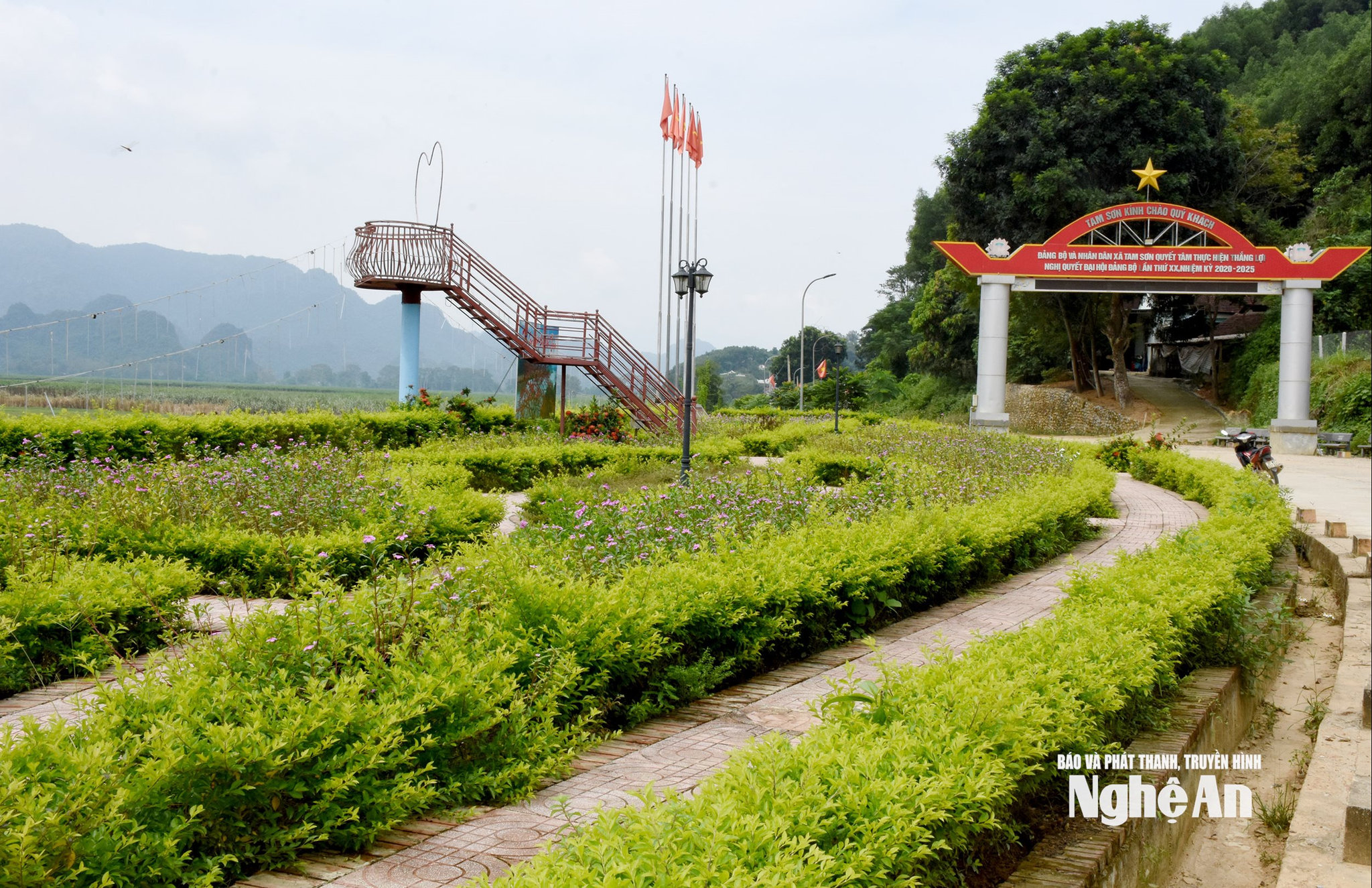
Upon arriving in Nhan Hoa commune, in the former Tam Son commune area, visitors will encounter a completely different landscape. Along the inter-commune road are vibrant flower gardens, well-invested check-in points, and the words "Welcome to visit" as a friendly greeting to tourists. Furthermore, the locality continues to expand the peony flower field with tens of thousands of plants, creating an additional scenic highlight to extend the length of stay and enhance the experience.
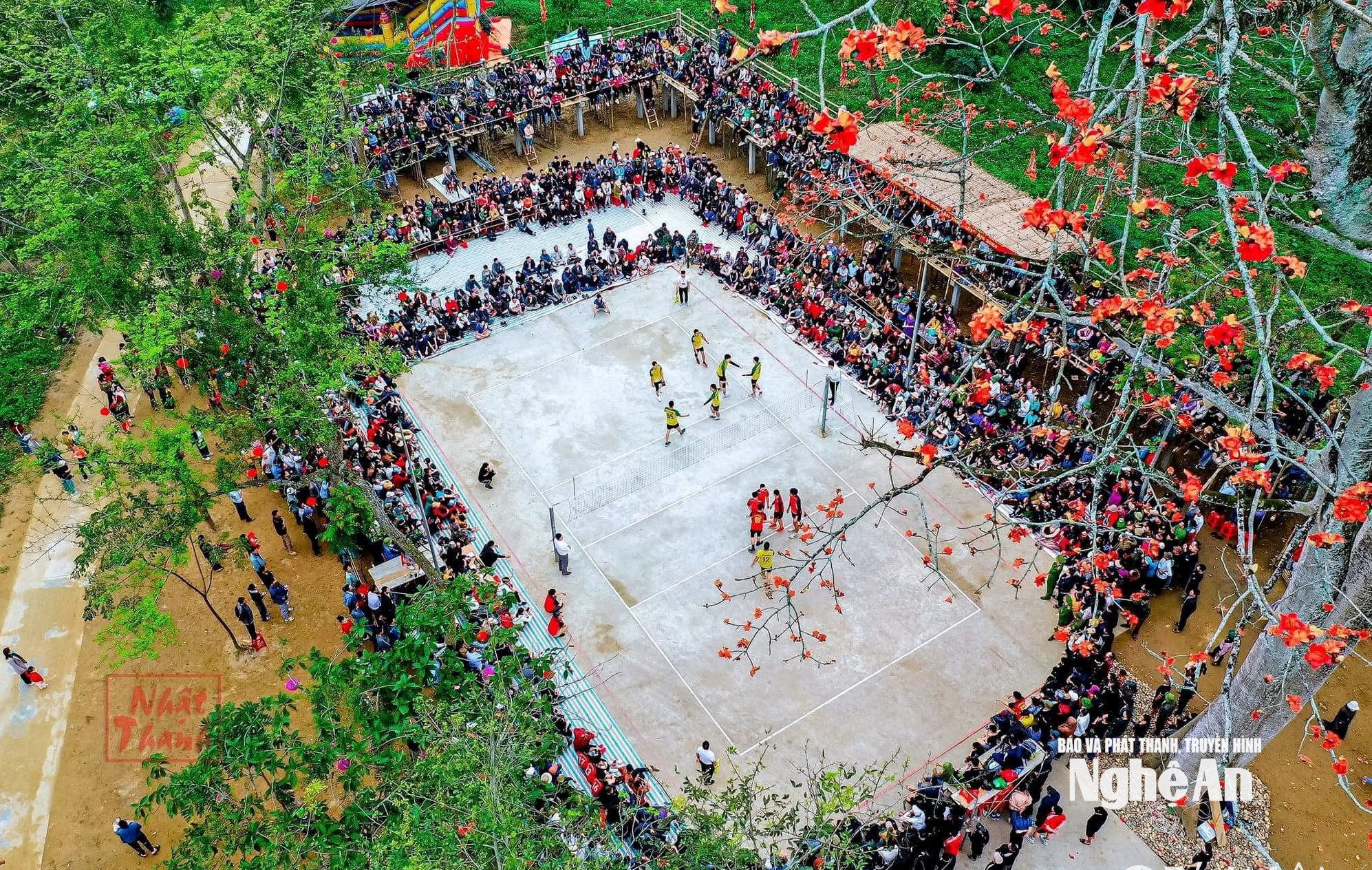
A major highlight is the Tam Son rocky beach ecological area. Previously known only as a rocky beach along the Lam River and a long-standing protective forest, the local authorities are now planning to transform it into an ecotourism destination.
Hundreds of ancient kapok trees, blooming a vibrant red every March, are no longer just a seasonal beauty but have become a trademark of the annual Kapok Flower Festival. From this readily available natural resource, Nhan Hoa commune has gradually created a unique tourism product.
Not far from Nhan Hoa commune, Thanh Binh Tho commune also chose a different approach when developing community tourism in Hung Thanh village. Instead of investing in large-scale projects, the locality focused on restoring the traditional cultural values of the Thai ethnic group, such as rebuilding ancient temples, reviving the harvest festival, establishing folk song and dance clubs, teaching traditional brocade weaving, and preparing traditional cuisine.
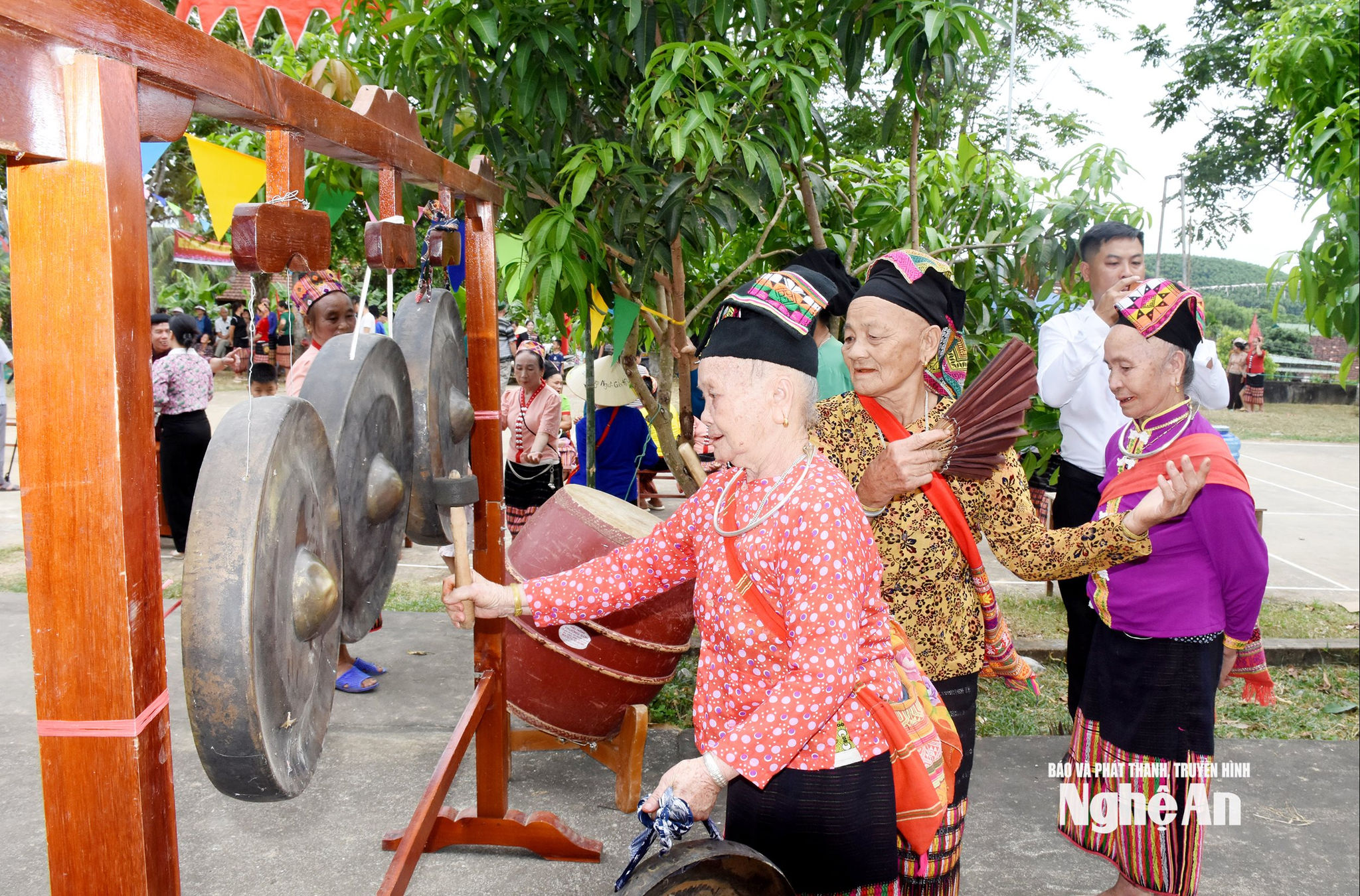
Values that seem familiar in the lives of local people become an attraction for tourists when organized into experiential activities.
Ms. Ngo Thi Huyen, Chairwoman of the People's Committee of Thanh Binh Tho commune, said: "Hung Thanh village still preserves the cultural space of the Thai ethnic group quite intact. This is the foundation for the locality to develop community tourism in a sustainable direction. In the past, many groups of tourists have come to experience village life, exchange culture, and all have highly appreciated the rustic and authentic charm of the destination."
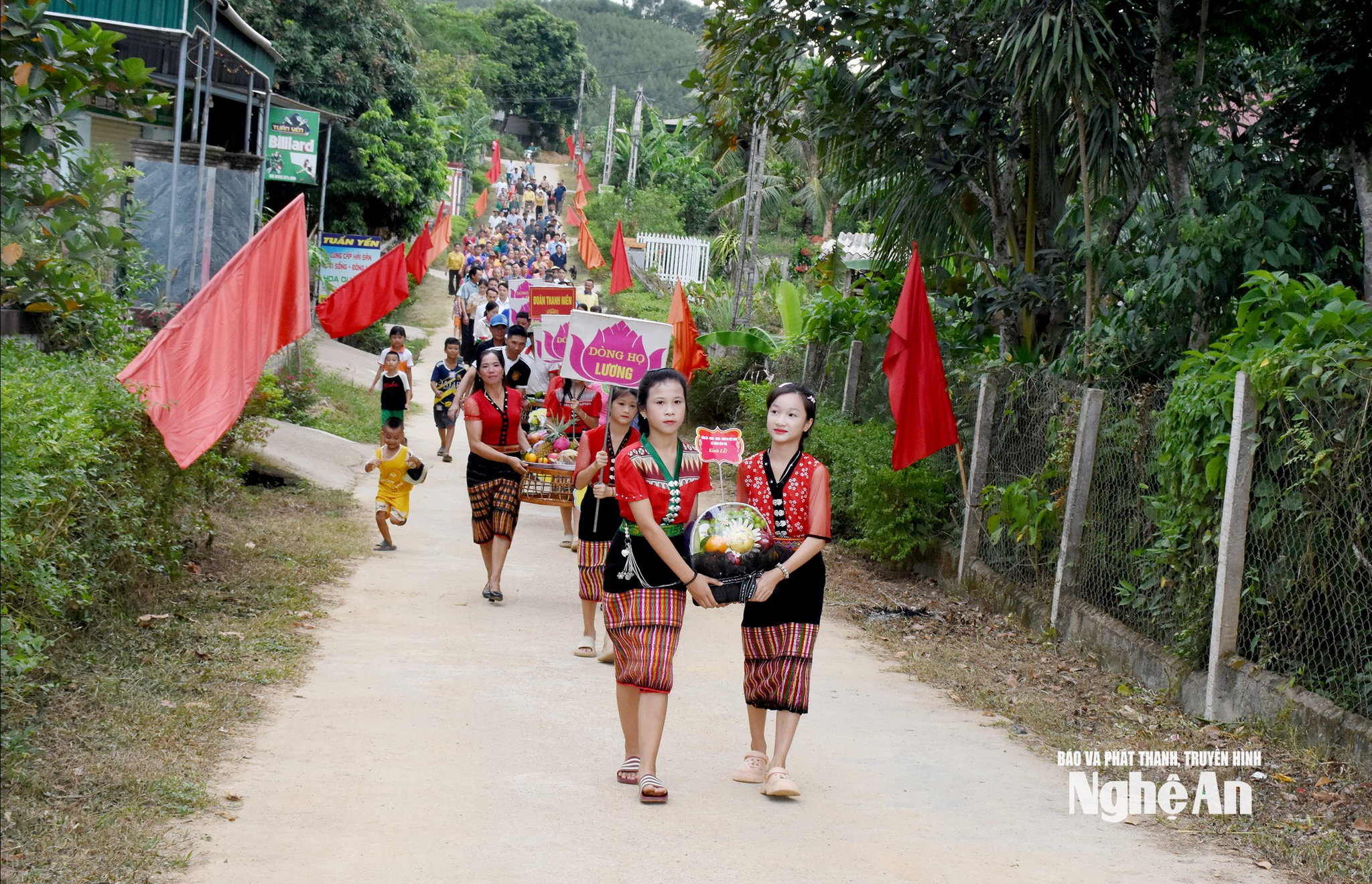
In many other localities, the mindset for tourism development is also undergoing positive changes. Yen Hoa commune is exploiting the rice fields of Thai Hoa village, combined with nearly 50 waterwheels along the Cha Ha stream and the Săng Lẻ forest of Yen Tan village, to develop ecotourism linked with cultural experiences; while Hoi Nguyen tourist site is leveraging the advantages of the Khe Bo hydroelectric reservoir with boat tours, sightseeing, and enjoying local cuisine.
Binh Chuan commune is developing tourism products from the Na Co rice fields and Tham Tong cave; Son Lam commune is exploiting Liep waterfall and Mua waterfall. It can be seen that, instead of developing according to a single model, each locality is finding a way to tell its own story through its natural landscape and local cultural identity. This is the factor that will create diversity for Nghe An's tourism map in the future.
We need more thrust to go the distance.
Despite some positive signs, most new tourist destinations are still in their formative stages. Common characteristics among these localities include limited resources, a lack of experience in tourism development, and insufficient linkages with travel agencies.
In reality, many places have only focused on creating scenic landscapes or organizing a few seasonal events. To become a destination capable of retaining tourists, many more factors are needed, such as transportation infrastructure, parking facilities, accommodation systems, a professional tourism workforce, diverse experiential products, and especially promotional activities and tour network connections.
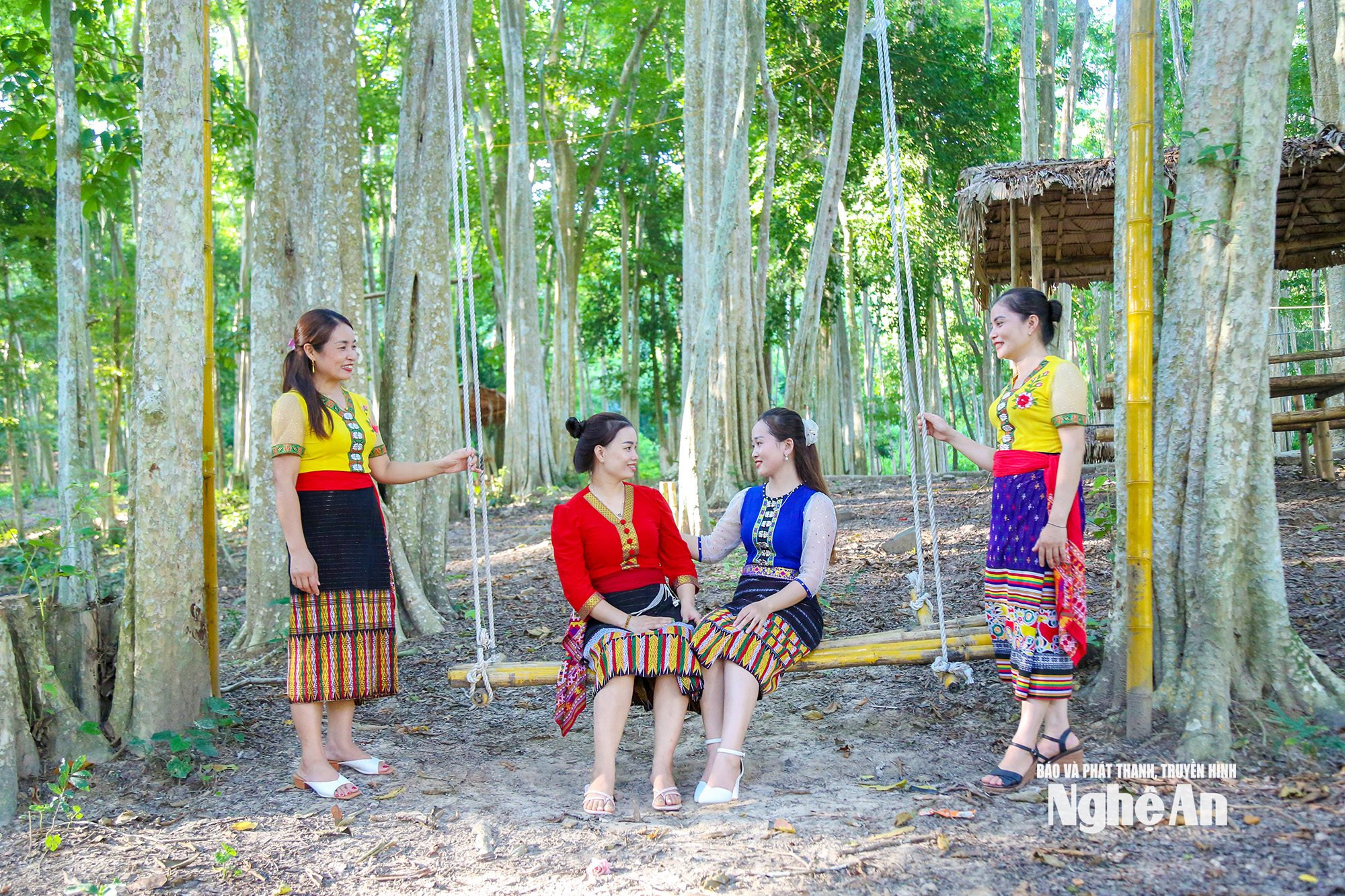
In recent times, several localities have received support from the Provincial Union of Science and Technology Associations in advising on planning and developing tourism products. Thanks to this, Yen Hoa commune is gradually perfecting the Thai Hoa rice field and Săng Lẻ forest tourism destinations; Thanh Binh Tho commune has clearly defined its direction for developing community tourism linked to the Thai ethnic culture.
Initial results show that, with the right support, localities can more effectively exploit their existing potential. However, for localities like Nhan Hoa, Binh Chuan, and Son Lam, the road ahead remains challenging.
The locality is gradually developing ecotourism destinations based on its existing natural advantages, but it urgently needs the support of specialized sectors in planning, product development, promotion, and market connection for sustainable development.”
Mr. Nguyen Van Que - Vice Chairman of the People's Committee of Nhan Hoa Commune
According to Mr. Tran Xuan Cuong, Deputy Director of the Department of Culture, Sports and Tourism, the tourism industry is intensifying surveys of new destinations to support localities in development orientation, advising on product development, and connecting with travel businesses. This is an important solution to help new tourist destinations gradually access the market, enhance competitiveness, and participate in the province's tourism chain.
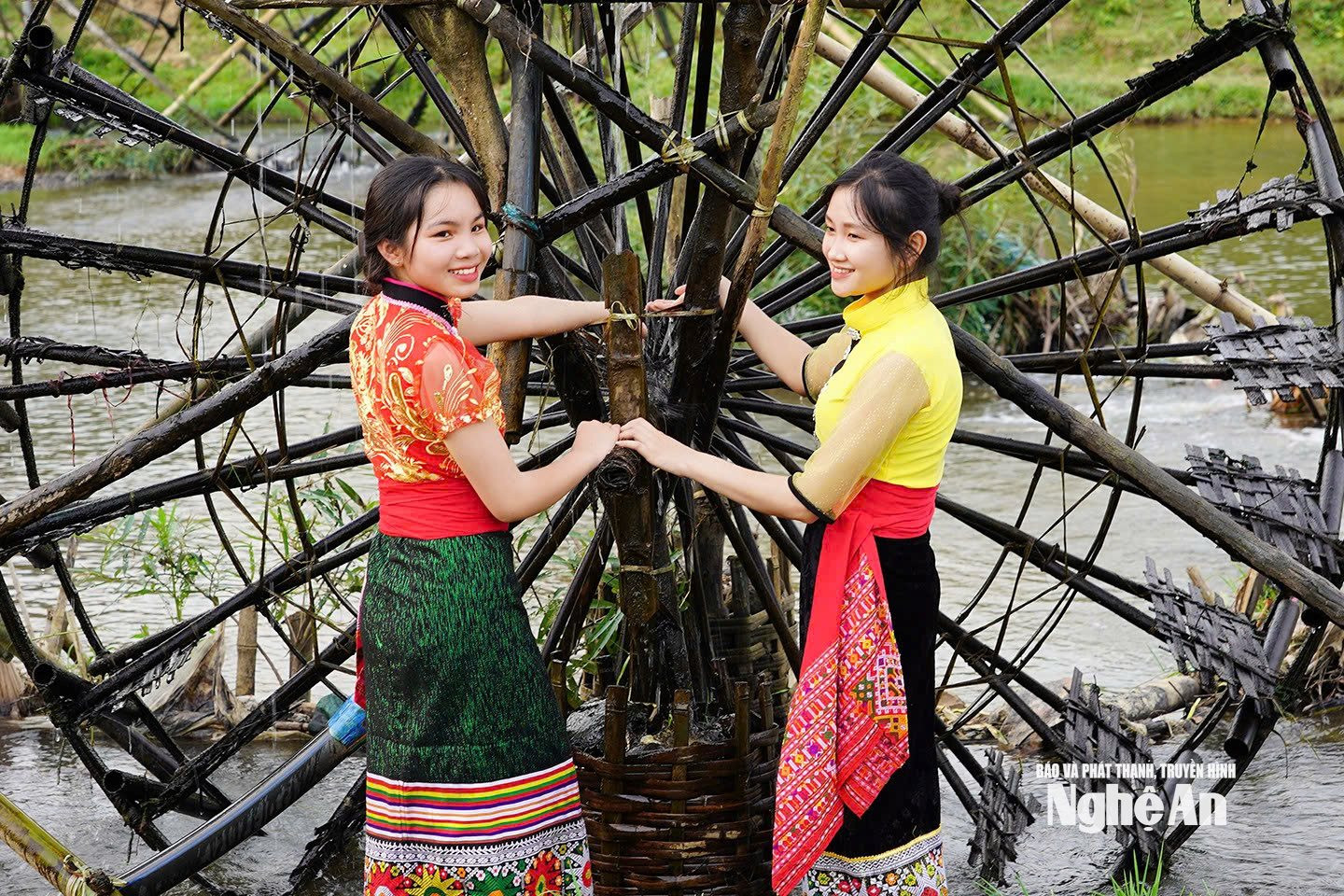
The Nghe An tourism development strategy until 2030, with a vision to 2035, has identified the goal of diversifying products and promoting the value of natural and cultural resources to make tourism a key economic sector. To realize this goal, in addition to established tourism centers, new "satellite" tourism hubs in other localities are urgently needed.
More importantly, support should not be limited to investment funding but should focus on factors that determine destination quality, such as planning, human resource training, developing unique products, connecting travel businesses, and forming inter-regional tourism routes.
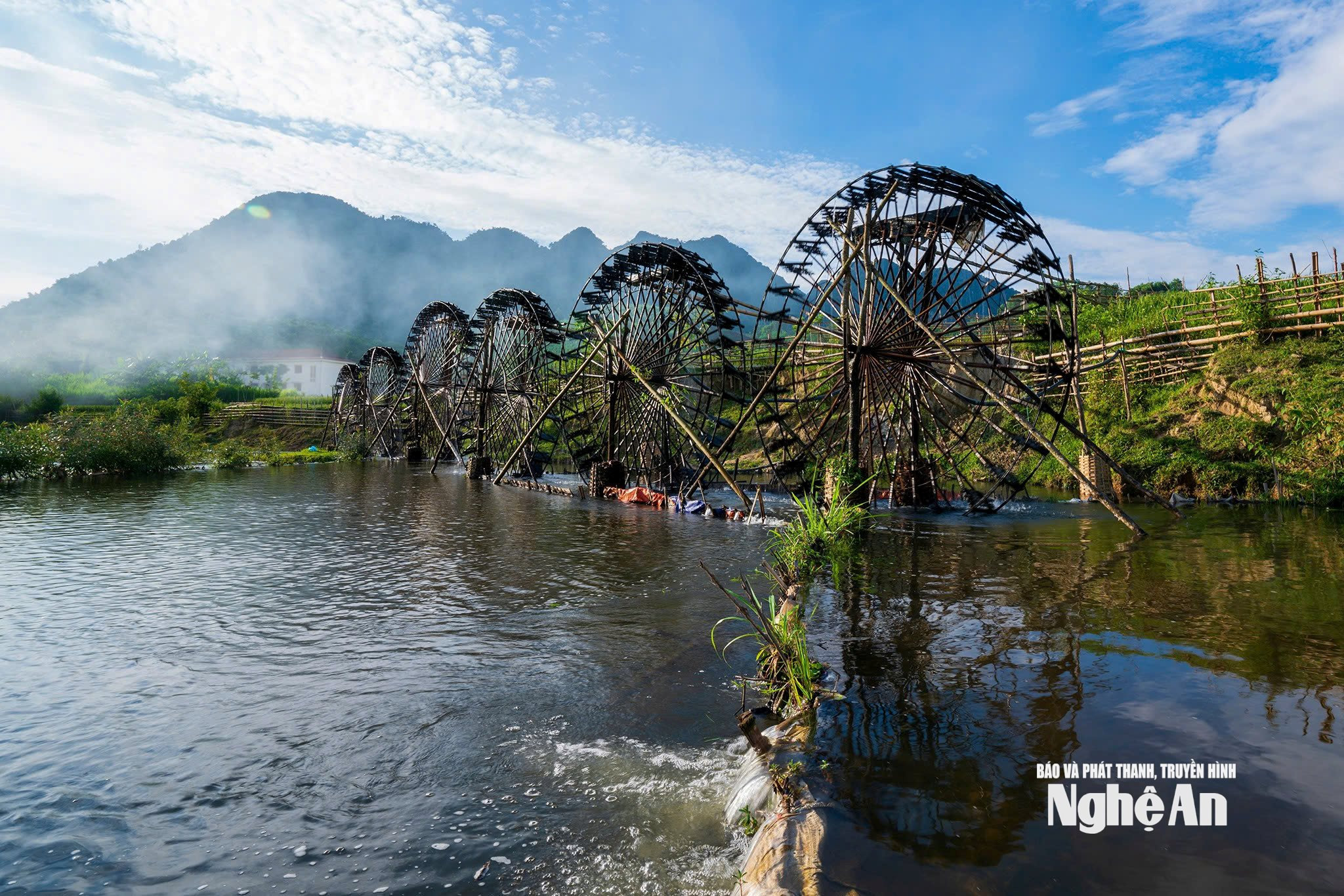
When new destinations no longer develop in isolation but become links in the tourism product chain, the "dormant" potentials are truly awakened, contributing to creating more livelihoods for the people and expanding the development space of the province's tourism industry.


