
Giving support to help Nghe An tea plants reach further.
Currently, according to Resolution No. 34/2025/NQ-HĐND of the Provincial People's Council issued on December 12, 2025, which stipulates policies to support agricultural and rural development in the province for the period 2026-2030, tea cultivation receives additional support.
Policies for tea cultivation
In late September, we visited Son Lam commune, one of the province's key industrial tea-growing areas. The rainy season had begun, so many tea hills, nearly 10 years old, in the commune were lush and green.
Greeting us at the entrance to the commune, Mr. Tran Nhat Le, a civil servant from the Economic Department of the Son Lam Commune People's Committee, said: "The age of the tea trees in Son Lam commune is also the number of years since the Thai people from the Ban Ve hydroelectric project resettled here. Compared to the early days, the people now have a regular income from tea, so they are very happy."
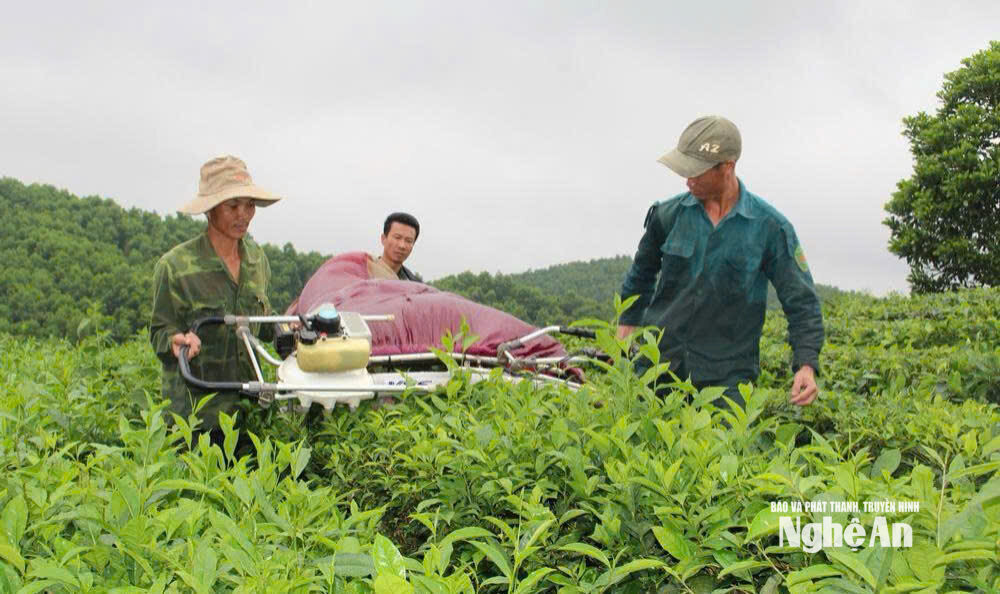
Previously, tea growers only received support of 5 million VND/hectare for land preparation; if they planted high-quality varieties such as LDP1 and LDP2, they received 400 VND/seedling.
Currently, according toResolution No. 34/2025/NQ-HĐND of the Provincial People's Council, issued on December 12, 2025, stipulates the policy to support agricultural and rural development in the province for the period 2026-2030.In addition to the land preparation support of 5 million VND/hectare, households replacing their old tea plants with new varieties will receive an additional 3 million VND/hectare; furthermore, the State will subsidize 80% of the cost of purchasing seedlings. Therefore, immediately after receiving the information, many people registered to plant.
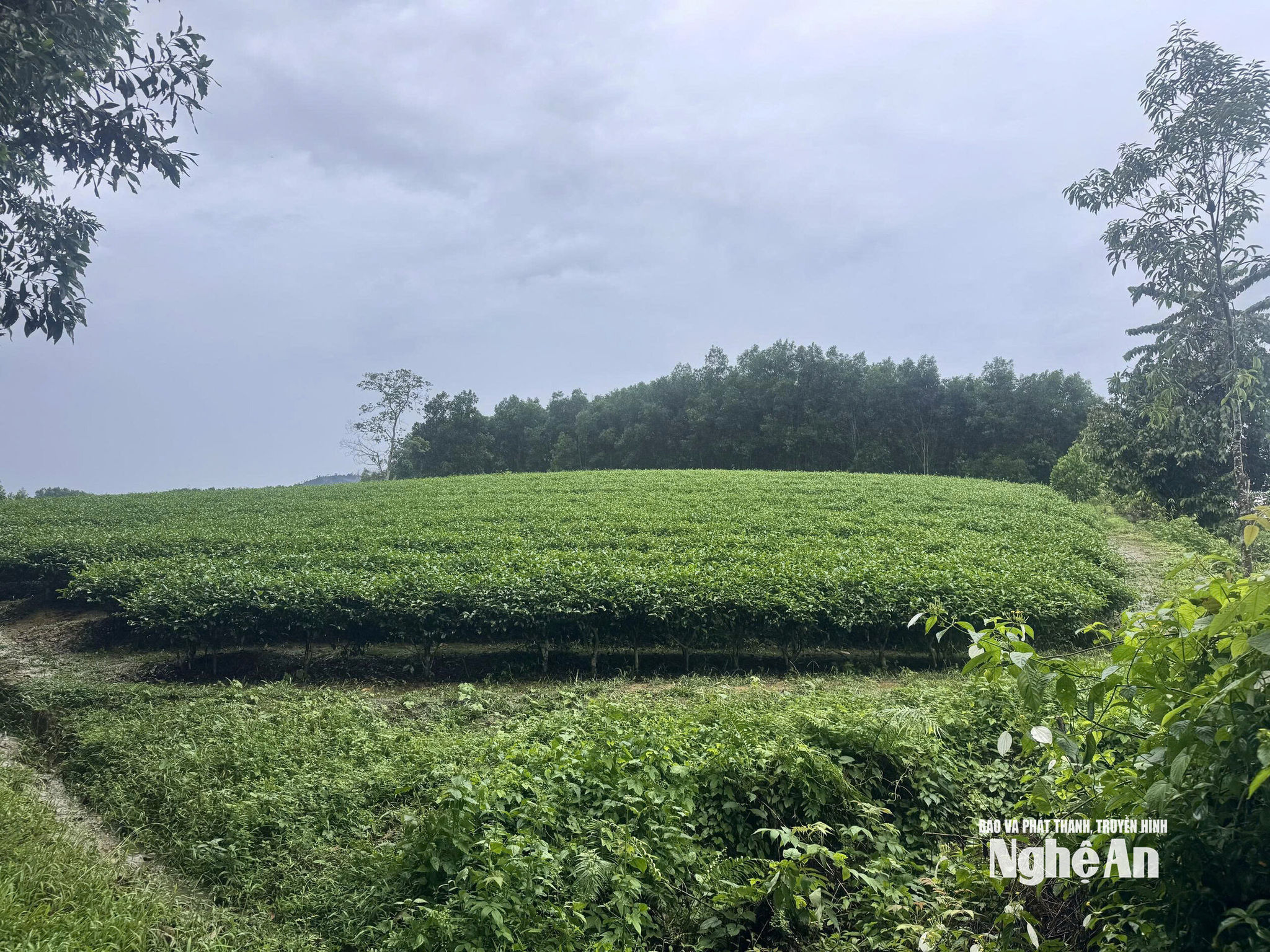
Son Lam commune has 100% of its households resettled due to the Ban Ve hydropower project. Therefore, in addition to the 122 million VND support under Resolution No. 34/2025/NQ-HĐND, the commune also receives support from national target programs, with higher support levels. As a result, it is projected that this year they will be able to plant an additional 20 hectares, including some areas planted organically.
Mr. Vi Van Quyen, Head of the Economic Department of Son Lam Commune People's Committee, said: "With the current support policies and the people's acceptance, the above target is completely achievable."It is estimated that the revenue from one hectare of commercial tea plantation can reach 90-100 million VND per year. If a family cultivates 5 hectares or more of commercial tea, they can earn approximately 300 million VND per year after deducting expenses and labor costs.
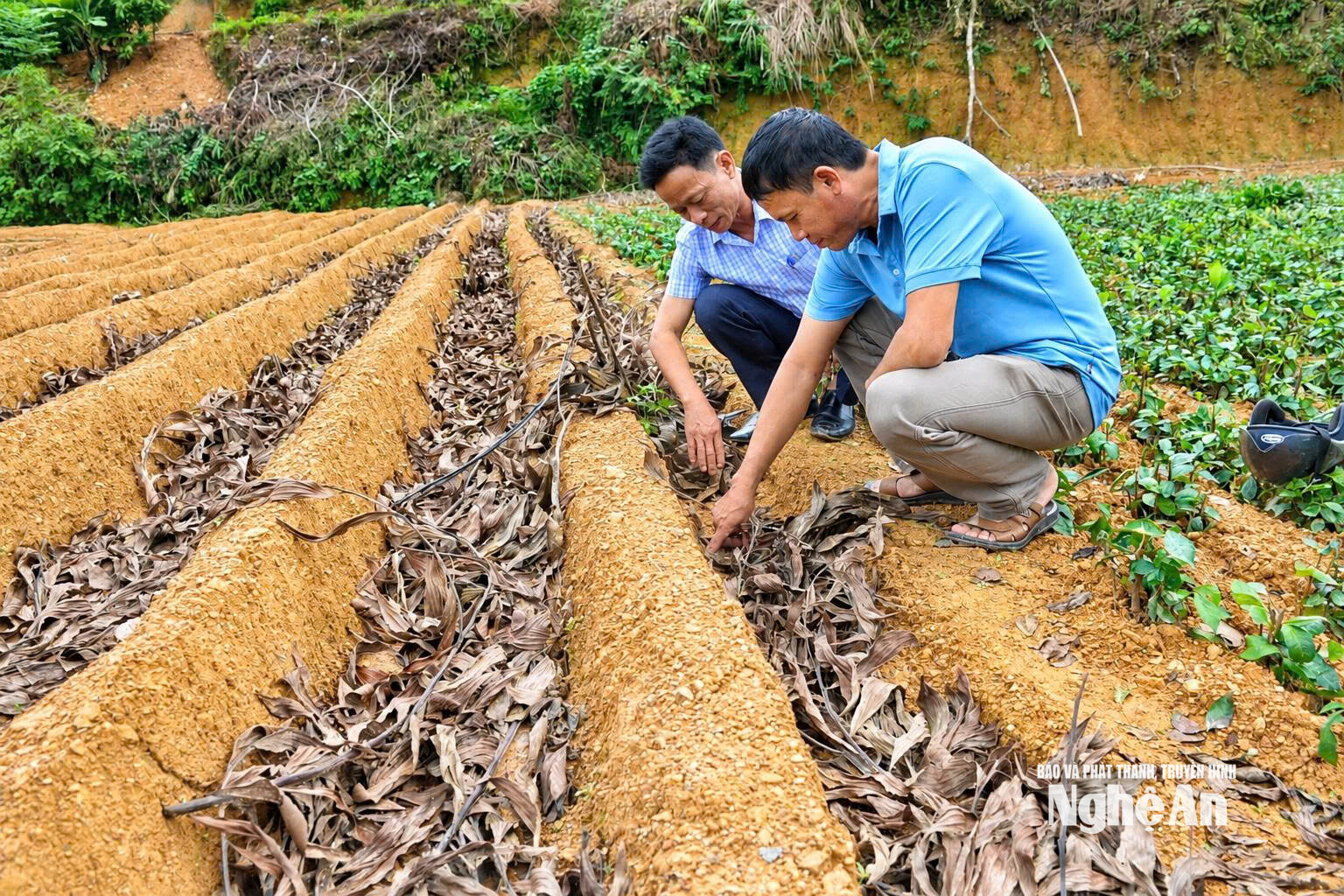
Meanwhile, in Yen Xuan commune, the Gay Cao Son tea brand has established its own niche. Mr. Nguyen Huu Danh, Deputy Head of the Economic Department of the Commune People's Committee, said: The commune's tea growing area is nearly 800 hectares, of which the Gay tea growing area will enter a new phase, maintaining the brand while gradually increasing the area. Based on the province's policies, the commune is implementing a program for households to register for new planting, and at the same time, encouraging households to replace and switch from old varieties to new, high-quality varieties.
From just a few hundred hectares of tea plantations, Yen Xuan commune now boasts nearly 700 hectares of commercial tea production. Each year, it supplies the market with nearly 9,500 tons of fresh tea leaves, generating revenue of nearly 30 billion VND. In addition to fresh tea sold at Gay Market, the commune currently has three dried tea products that have been certified as meeting OCOP standards.
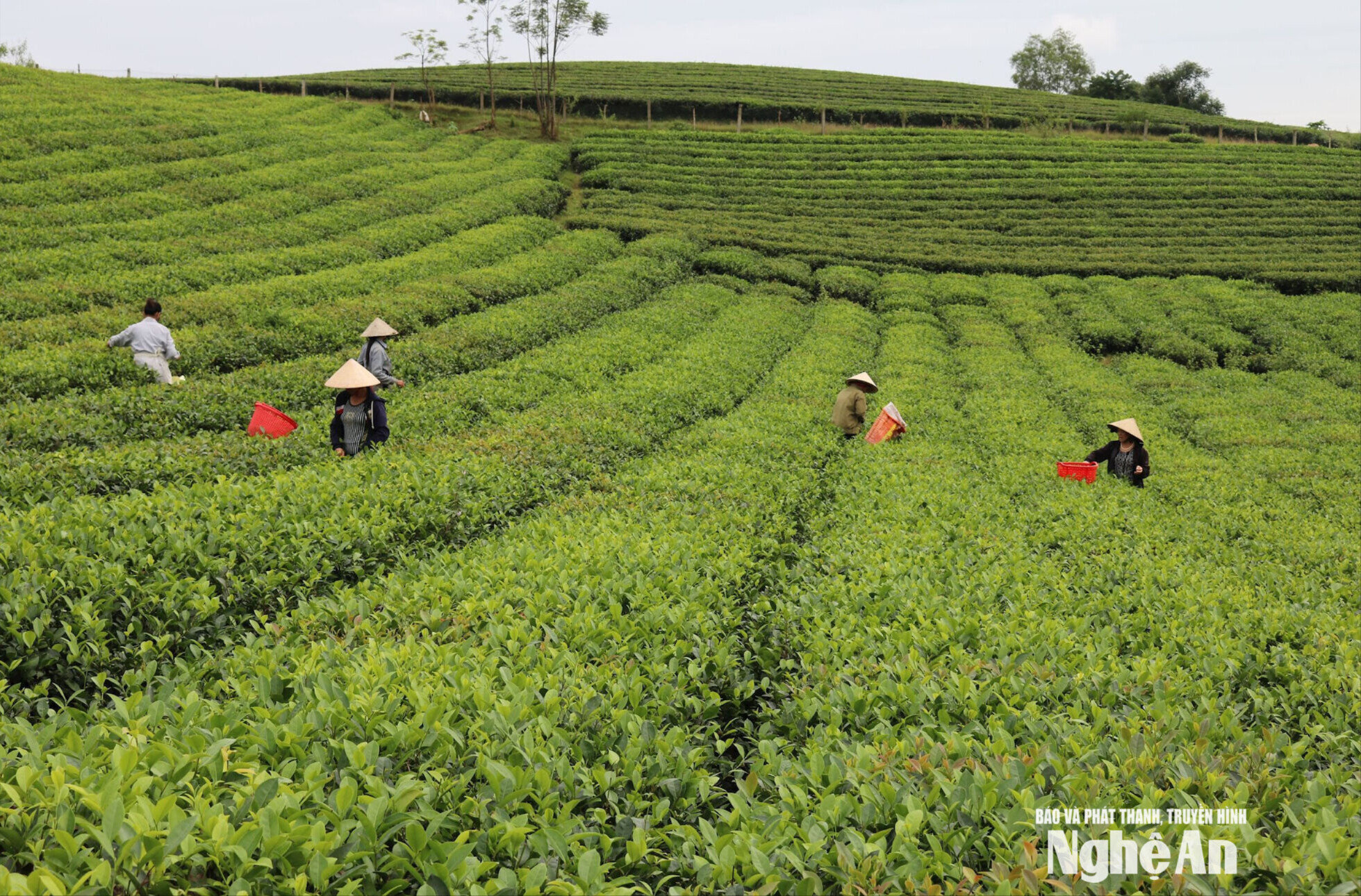
In 2026, the province will provide over 1 billion VND in support to 10 communes for the planting of new industrial tea plantations, in accordance with Resolution No. 34/2025/NQ-HĐ of the Provincial People's Council. Among the 10 communes, Son Lam commune received the most support with 122 million VND; Nhan Hoa, Hanh Lam, Son Lam, Bich Hao, Kim Bang, Yen Xuan, Vinh Tuong, and Con Cuong communes each received 110 million VND; Hoa Quan commune received 70 million VND; and Nghia Hanh commune received 40 million VND.
Gradually improving the quality of tea raw material areas.
According to the Project on Key Crops and Livestock until 2030, Nghe An province aims to stabilize the area of tea plantations at 12,000 hectares, including 8,000-9,000 hectares of organic and high-quality tea; and maintain a fresh tea production of approximately 157,000-160,000 tons.
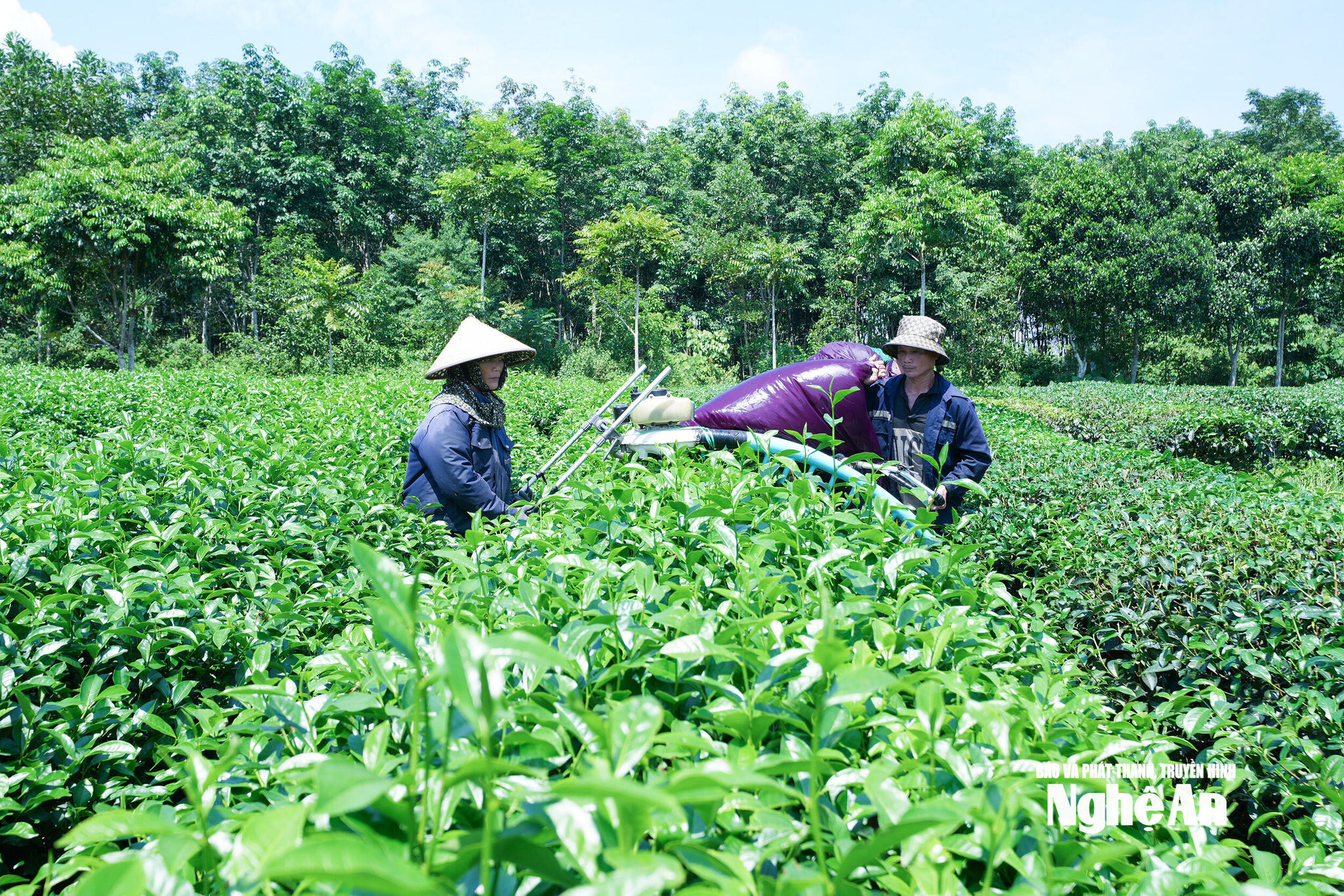
According to a representative from the Provincial Department of Crop Production and Plant Protection: Of the more than 8,000 hectares of tea plantations, the area of high-quality and organically grown tea currently accounts for only about 20%. Because the majority of tea plantations in Nghe An are old varieties, grown on a large scale, and not yet cared for according to organic or VietGAP standards, the price fluctuates from 4,000 - 5,000 VND/kg or from 6,000 - 7,000 VND/kg for fresh tea.
According to the Head of the Economic Department of the Yen Xuan Commune People's Committee, in order to process fresh tea leaves into tea, in addition to organic farming conditions, the harvesting process must be done manually; and the processing technology and equipment must meet safety and modern standards. Meanwhile, industrial tea growers and processing facilities in the area currently have rather rudimentary and outdated equipment, making it difficult to achieve a breakthrough.
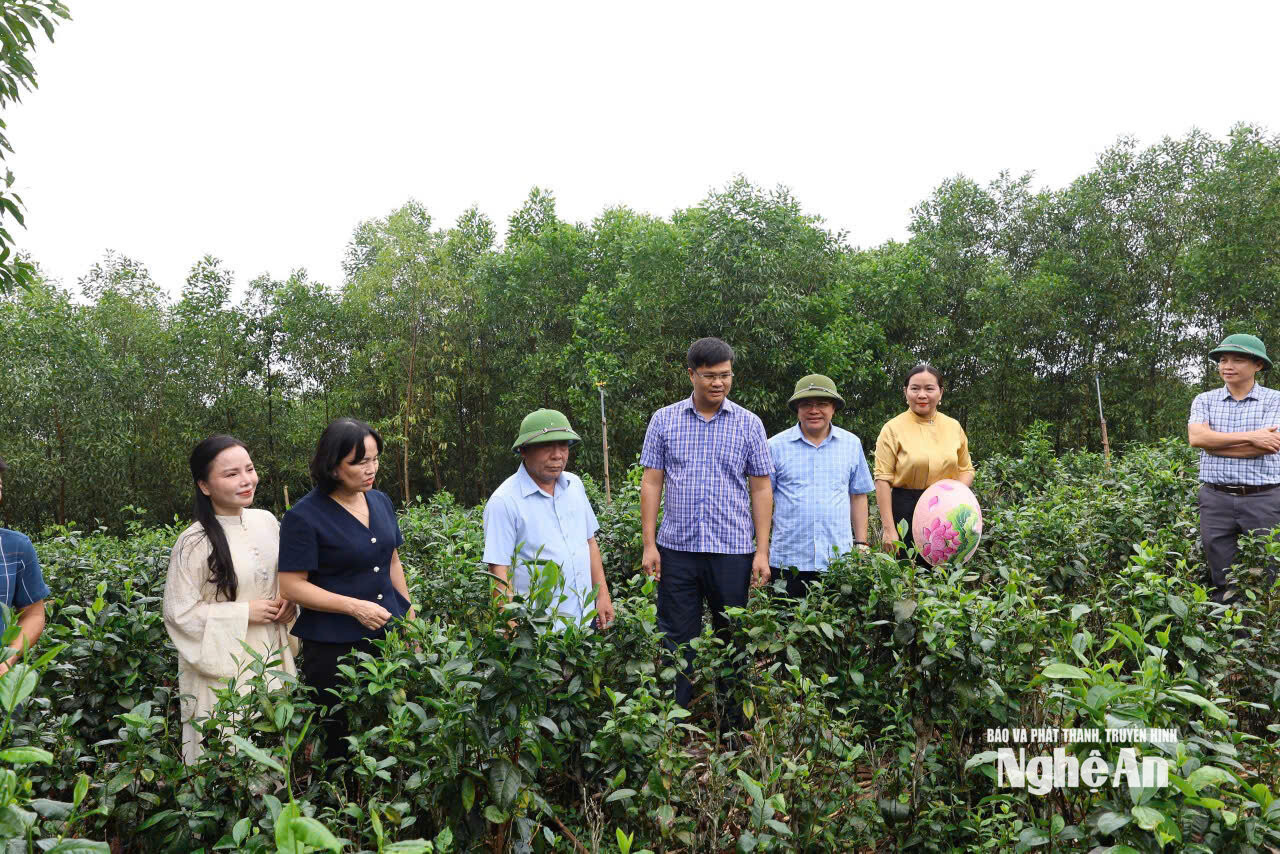
For the past few years, the purchase price of raw tea has been low, and tea purchasing companies have been operating inefficiently, resulting in delays in payment to farmers. Therefore, when harvest time arrives, instead of selling to the companies that have made commitments, people are willing to sell to private individuals who come directly to their orchards and hills to purchase the tea at a lower price but with immediate payment.
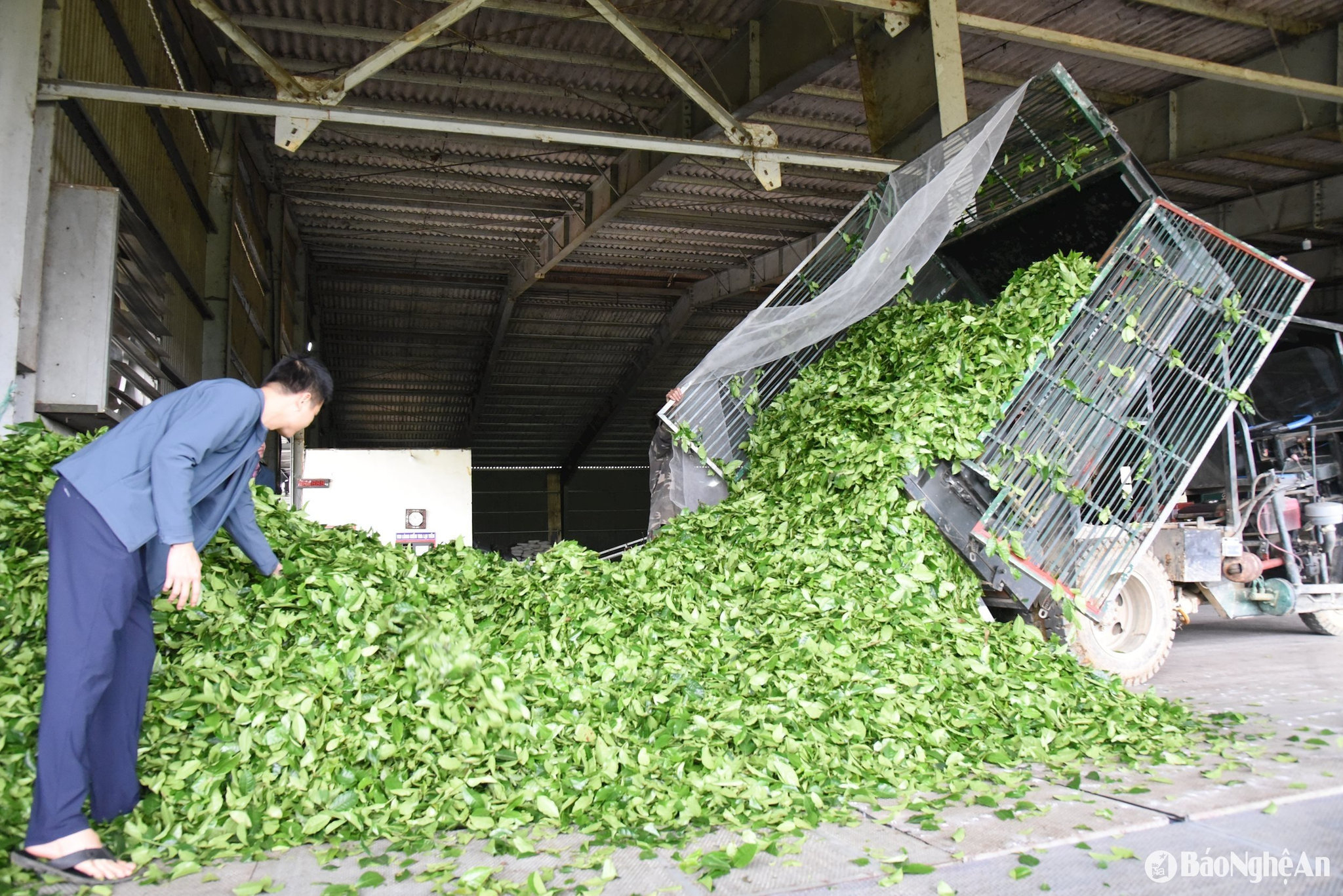
Mr. Nguyen Huu Danh, Deputy Head of the Economic Department of Yen Xuan Commune People's Committee, suggested: Along with policies supporting the planting of new high-quality tea varieties, priority should be given to allocating resources to encourage farmers to switch to organic farming to establish designated growing areas. Even if not for export, this will help establish a competitive edge compared to other tea-growing regions nationwide. Furthermore, the province needs to reorganize the processing zone planning, ensuring a stable market for tea so that farmers can confidently invest in high-quality tea cultivation.
Mr. Nguyen Van Ha, Head of the Provincial Department of Quality Processing and Market Development, emphasized: To improve the quality and position of Nghe An's raw tea, there is no other way than to switch to planting high-quality tea varieties and cultivating them organically, according to VietGAP or Organic standards... Currently, the department is supporting Son Lam commune in implementing a 20-hectare organic tea model, while also encouraging people in other communes to actively replace degraded tea plantations. Hopefully, this will be the solution for Nghe An's raw tea to gradually gain a firm foothold in the market.
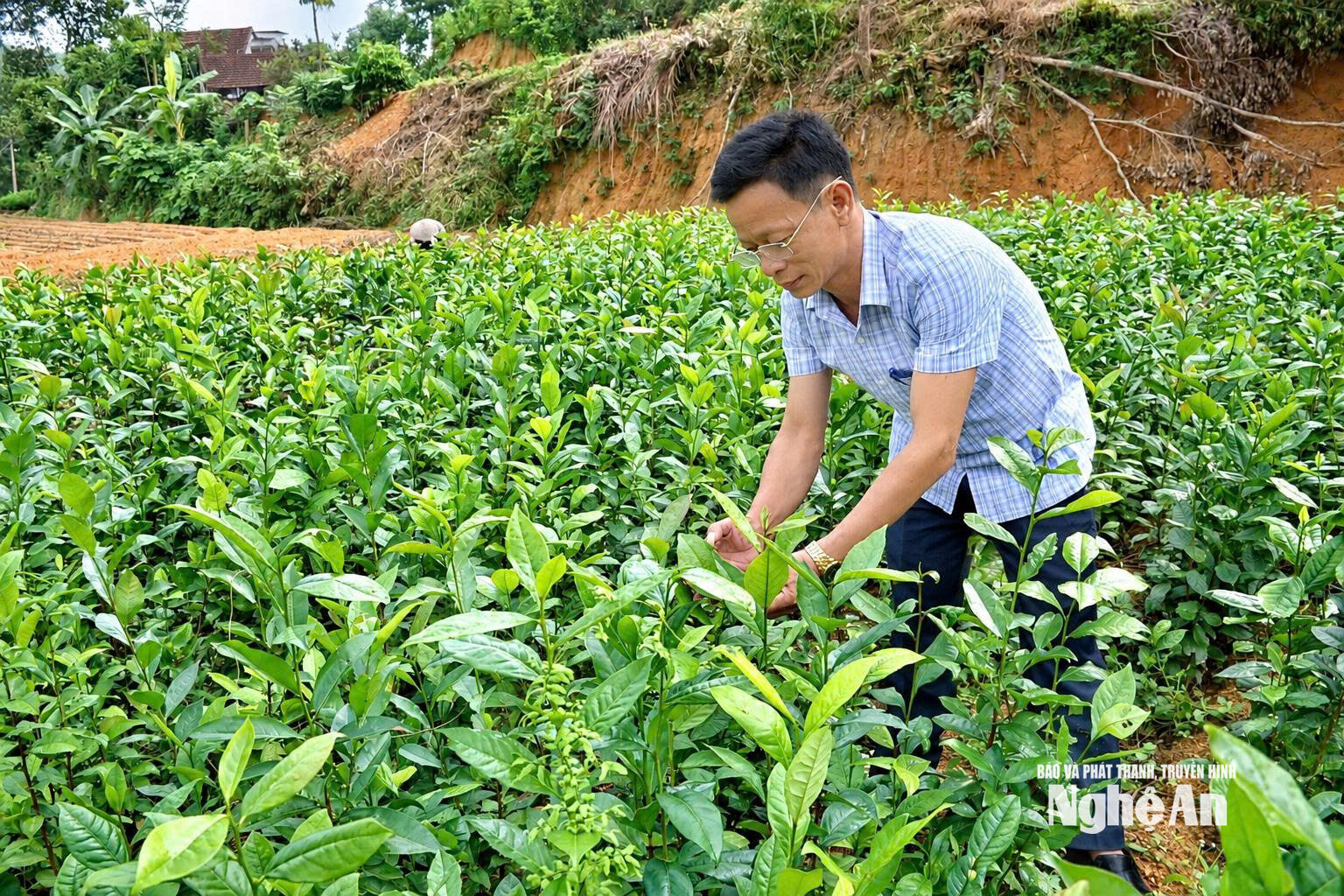
According to the province's plan for key crops and livestock from 2026 to 2030, Nghe An's annual fresh tea production is estimated at 160,000 - 170,000 tons. After processing, the majority of the tea is exported in raw form to Central and West Asian countries, while some high-quality tea-growing regions use the remaining raw materials to process into finished tea. Each year, tea exports bring in approximately 10 million USD.
According to the Nghe An Province's Key Crops and Livestock Development Plan until 2030 and with a vision to 2045, raw tea continues to be identified as one of the province's key crops. With an area of over 8,000 hectares, tea cultivation is expected to generate greater value instead of primarily processing raw materials with low value as is currently the case.


