
Energy saving at Do Luong Cement Plant
The cement industry is a high-energy consumer. At the Do Luong Cement Plant, the average annual electricity consumption is very high, at 268,770,410 kWh, equivalent to 412 billion VND, accounting for 35% of the production cost of each product.
Investing in waste heat power generation technology.
With its enormous electricity consumption, The Vissai Cement Group has always been concerned with finding solutions to optimize energy use, reduce costs, and enhance product competitiveness. Among these solutions, investing in waste heat power generation technology has been the company's chosen approach.
Waste gas thermal power generation systems are a new and advanced technological solution from Europe that has been adopted by many countries in various industries. This technology is currently being applied and installed by The Vissai Cement Group in conjunction with the construction of the Do Luong Cement Plant and has been operating stably since the beginning of 2017.
The waste gas thermal power generation system operates on the principle of harvesting heat from the exhaust and waste gases of the clinker production line to generate steam to power a turbine generator and supply electricity to the factory's power grid. This contributes to reducing product costs and protecting the environment. After passing through the waste gas thermal power generation system, the exhaust and waste gases are cleaned of dust and cooled before being released into the environment.
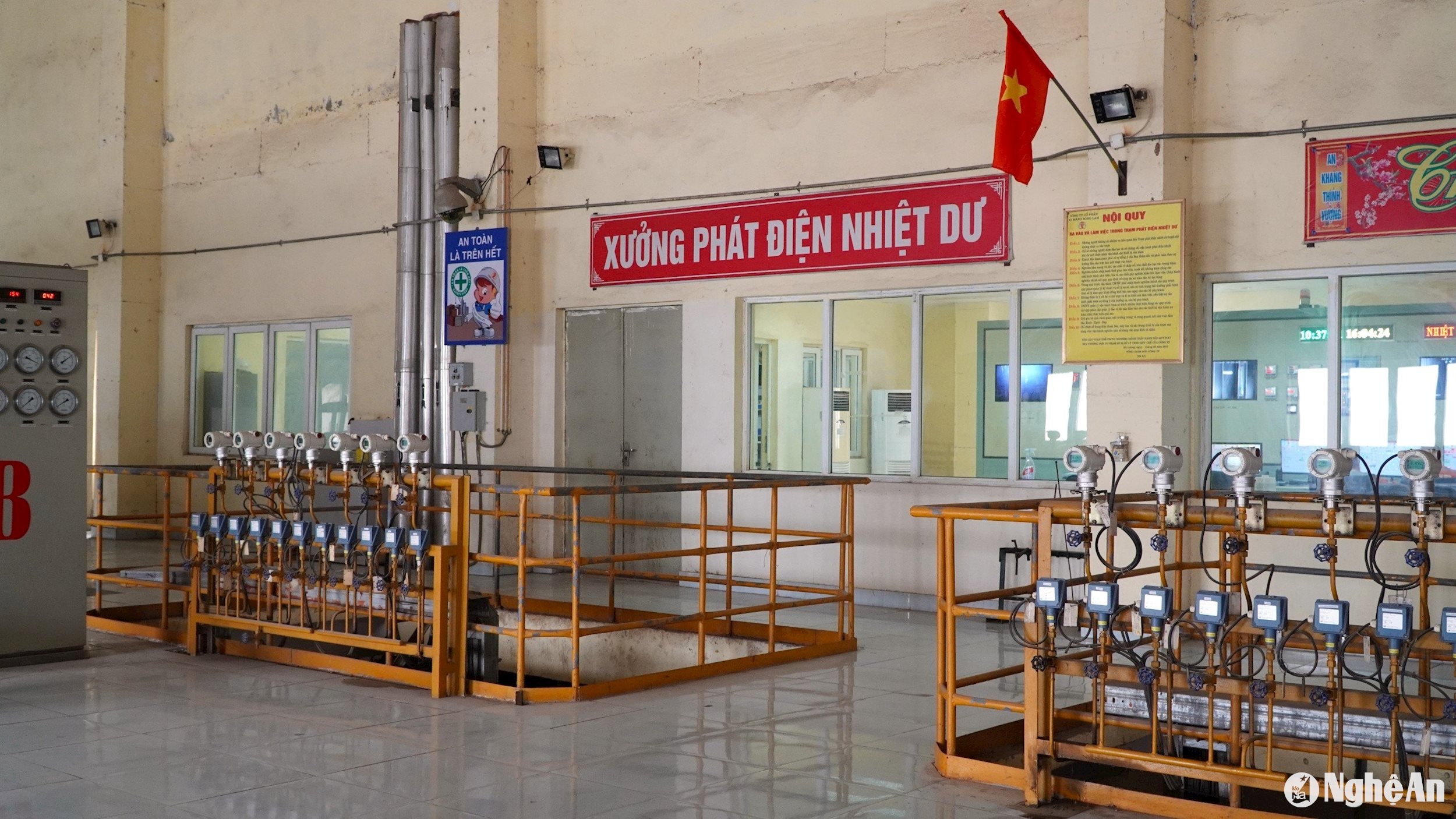
This is the best and most modern environmental protection solution in cement production technology today. According to statistics, this system produces over 100 million kWh annually, supplying up to 39% of the total electricity consumption of the Do Luong Cement Plant.
To reduce electricity consumption, a waste heat recovery system was installed and put into operation to recover the waste heat from the kiln system and generate electricity for the factory. This system recovers heat at two locations: hot exhaust gases from clinker cooling (AQC kiln) and hot air from the heat exchange tower (SP kiln) on both production lines. With this solution, the waste heat recovery system saved 159 billion VND in 2023.
The plant also installed frequency converters to control the motors of two ID suction fans (6.0 KV-3150 Kw). The airflow of the fans is controlled by changing the fan's rotational speed, compared to the previous method of adjusting the throttle valve and hydraulic coupling. The power consumption of the grinding fans decreased by 25% after installing the frequency converters.
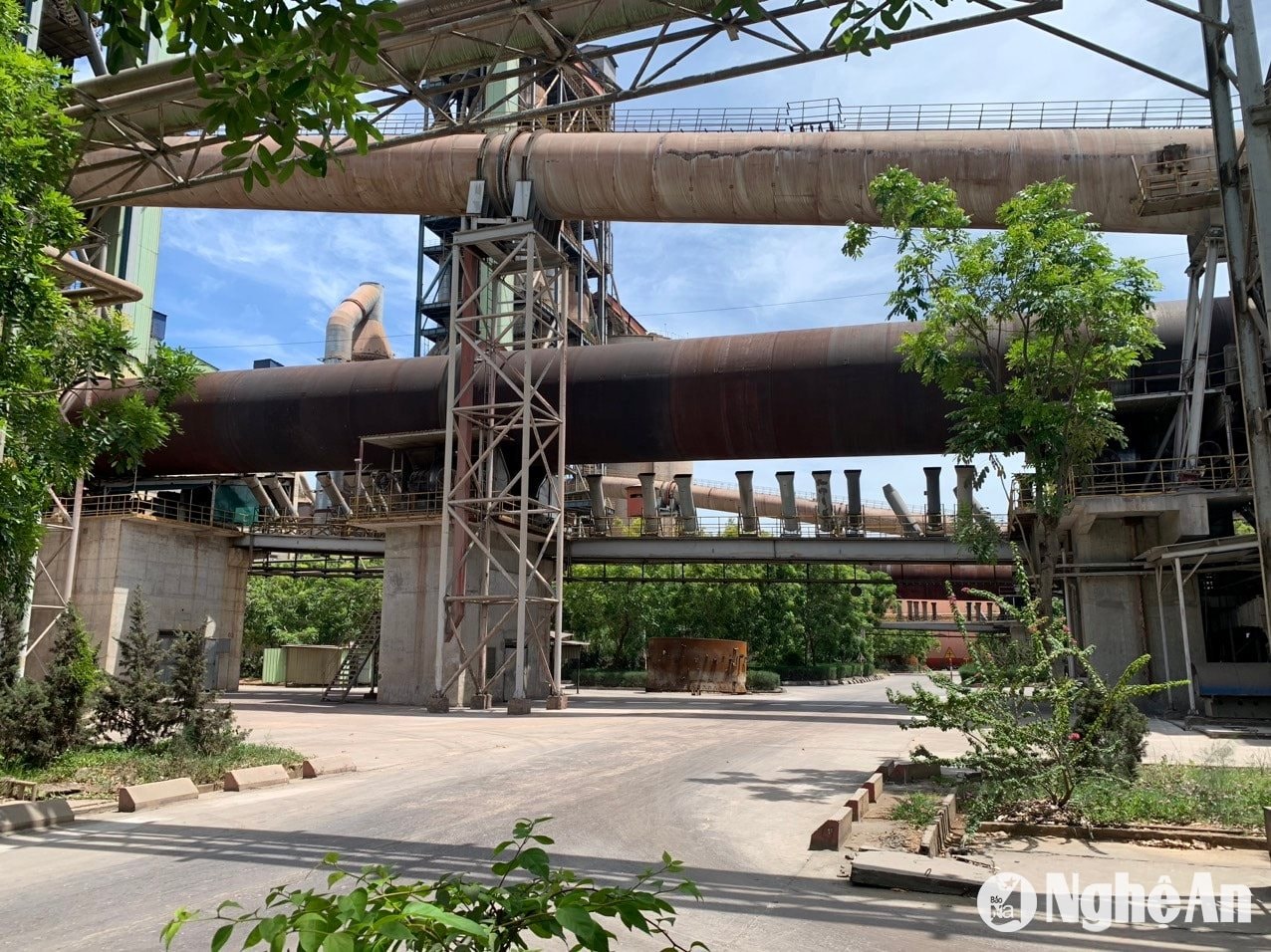
According to calculations, in 2024, with an expected clinker production of 4,460,000 tons, the amount of electricity saved (compared to not installing variable frequency drives) is 8,920,000 kWh, equivalent to 26.7 billion VND.
Furthermore, the electricity consumption of the coal grinding fan decreased by 41% after installing the variable frequency drive. Considering the projected clinker production of 4,460,000 tons in 2024, the amount of electricity saved (compared to without the variable frequency drive) is 1,962,400 kWh, equivalent to 2.94 billion VND.
Synchronizing multiple solutions
Along with investing in waste heat power generation technology, in May 2024, the Do Luong Cement Plant put into operation a solar power generation system, utilizing the roofs of its raw material storage areas. As a result, it generates an average of 170 MWh per month, accounting for approximately 0.8% of the plant's total electricity consumption.
Mr. Pham Xuan Khanh, Deputy Director of Production at Song Lam Cement Joint Stock Company, stated: "We have also optimized equipment operation, rotating equipment shutdowns during peak hours to reduce electricity costs and production costs per clinker product. This reduces production costs due to the difference in electricity prices between peak and off-peak hours compared to normal hours, while also reducing the load on the national power grid during peak hours. This solution saves 14.5 billion VND (the difference in electricity purchase prices between peak and normal hours). We also control the operation of lighting equipment, replacing low-efficiency bulbs with higher-efficiency ones. When installing new or replacing damaged lights, we use LED lights. We have also established regulations on the operating hours for lighting in the factory's illuminated areas."
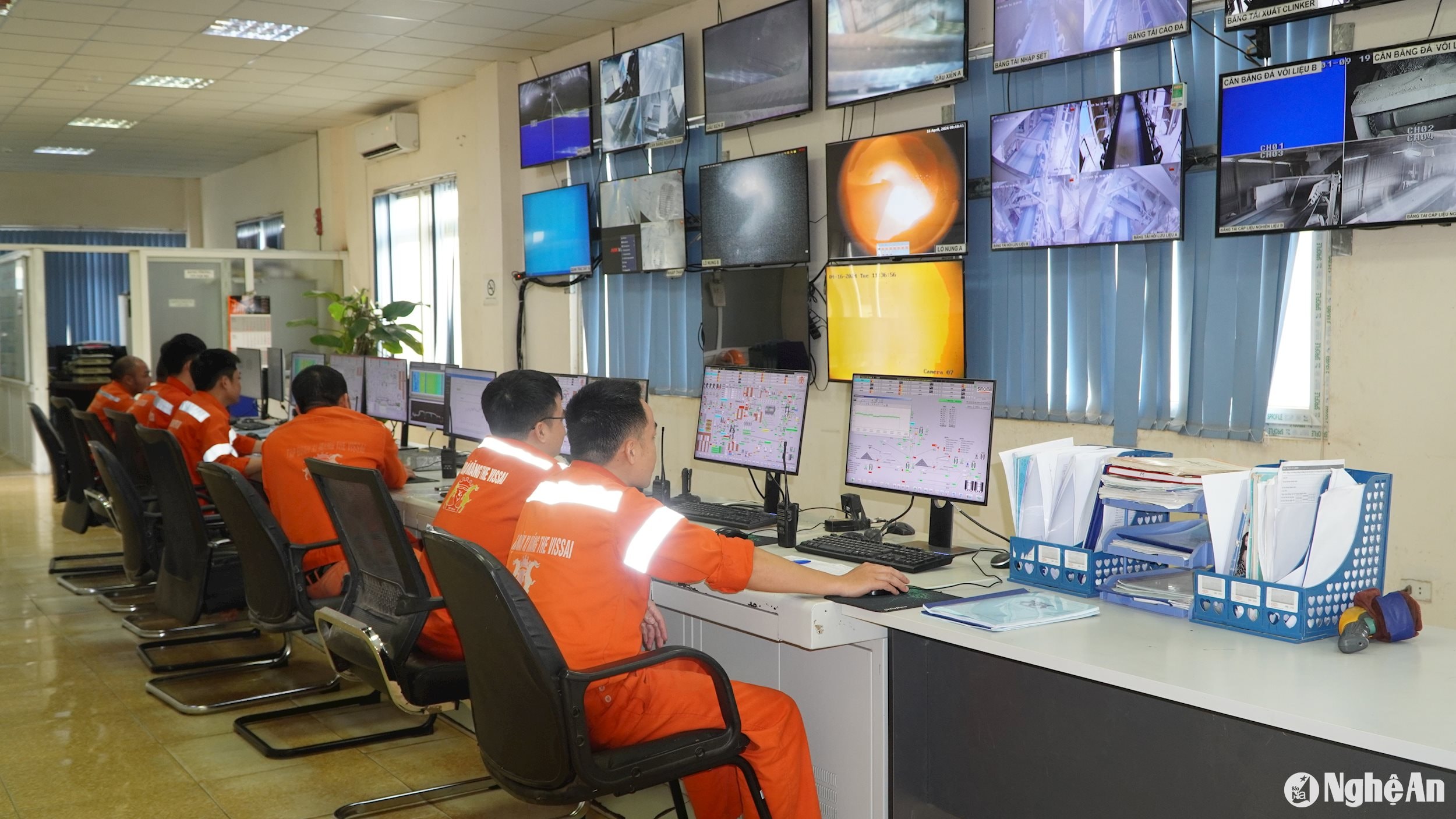
Regarding solutions for controlling air conditioning operation, power stations and administrative areas are required to set the air conditioner temperature between 26°C and 28°C. All air-conditioned rooms should be sealed, utilizing natural ventilation, and air conditioning should only be used after 8 PM and turned off 15 minutes before departure for work areas during office hours. Air conditioners should be turned off when not in use, and regular maintenance and replacement of inefficient components should be carried out.
The company has also improved its production processes to save energy and reduce greenhouse gas emissions. An energy management board has been established to monitor the factory's energy consumption. Every three years, the factory hires an energy auditing firm to audit its energy consumption. This allows for the identification of shortcomings in energy management and subsequent corrective actions to reduce electricity consumption.
Simultaneously, optimize equipment operation through measures such as: regular equipment maintenance, replacing old, energy-intensive equipment with more advanced, energy-efficient equipment. Shut down equipment during peak hours to reduce electricity costs and avoid grid overload. Inspect and rectify any electrical and thermal leaks within the factory. Continuously improve equipment and production processes to reduce energy consumption.
Implementing its energy efficiency plan, Song Lam Cement Joint Stock Company has deployed measures that have brought economic benefits to the company and saved energy for society. According to Deputy Production Director Pham Xuan Khanh: By applying new technologies and management methods, from 2023 to the present, the factory has saved 131,533,255 kWh, equivalent to 195 billion VND.
Currently, the factory has established an energy management system: It has issued a factory energy policy; formed an energy management board comprising members from various departments and workshops; and has an energy manager certified by the Ministry of Industry and Trade. It has also issued a plan for efficient and economical energy use, and a reward and penalty policy for employees regarding energy efficiency. Annually, it submits reports on energy usage and energy usage plans to the Department of Industry and Trade, and conducts periodic energy audits every three years as required by law.


