
Military News 11.1: Why laser weapons haven't arrived in Ukraine and the record of 1,300 F-35 fighter jets.
Analyzing why laser weapons are yet to be deployed in Ukraine, the drone intrusion into Germany's Arrow 3 system, and the milestone of delivering 1,300 F-35 aircraft globally.
The latest military reports on January 11th highlight contradictory realities in the global military modernization process: while the fifth-generation F-35 fighter jet has reached record production levels, directed energy weapons (lasers) are still not mature enough for deployment in high-intensity battlefields like Ukraine.
Challenges in deploying directed energy weapons in Ukraine
Directed energy weapons, including combat lasers and high-power microwave systems, were once expected to be the solution to the problem of inexpensive drone countermeasures. However, the RAND Corporation (USA) assesses that these technologies have not yet reached the necessary level of sophistication to operate effectively in harsh combat conditions.
Technically, laser weapons possess significant advantages due to their ability to intercept targets without traditional ammunition, low operating costs, and instantaneous response speed. In particular, their high accuracy makes these systems a potential tool for destroying small drones.
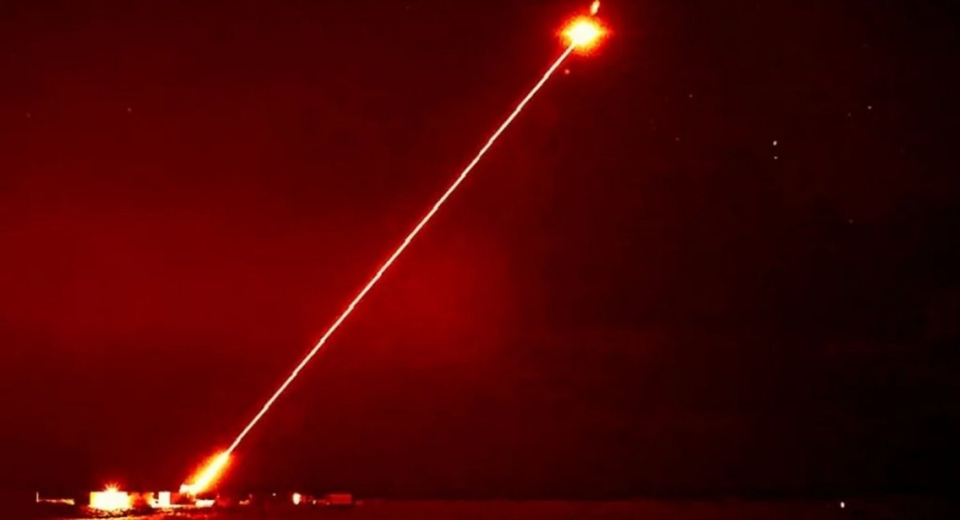
However, RAND emphasizes that these advantages remain largely conceptual. On the actual battlefield in Ukraine, the high density of drones combined with harsh weather conditions (rain, fog, dust) significantly reduces the effectiveness of lasers. Furthermore, the enormous power requirements and the need for stable continuous operation are major obstacles for incomplete systems such as the UK's DragonFire (expected to be ready by 2027) or the US's THOR and Mjolnir microwave systems.
Drone incident involving penetration of Germany's Arrow 3 air defense system.
German authorities are currently investigating a serious security breach involving the $3.5 billion Arrow 3 missile defense system. According to security sources, three unidentified drones infiltrated and flew over the system's radar area at an air base near Annaburg, Saxony-Anhalt.
The incident occurred just before the system reached its initial combat readiness status on December 1st last year. Notably, these drones flew at an altitude of 100 meters, directly penetrating a sensitive area of Europe's leading long-range defense system.
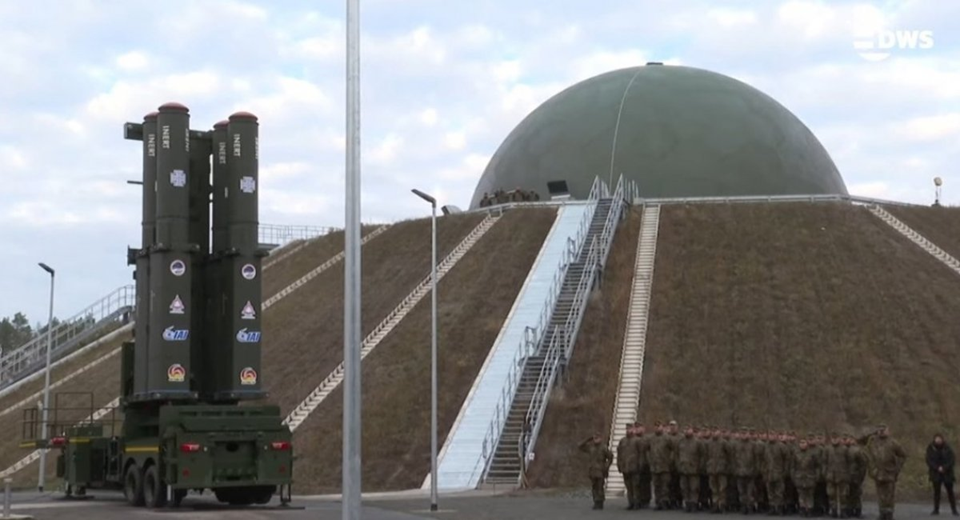
Although the rapid response force deployed G27P rifles equipped with Smash X4 smart sights to intercept the drones, they still left the safe zone without being shot down. Experts believe that, although Arrow 3 is a modern missile shield, at that time, the supplementary low-altitude defense against drones was not yet perfected, revealing weaknesses in the physical protection of fixed radar components.
F-35 Lightning II: Record Delivery Rates and a Pillar of NATO Role
In contrast to the delays in laser weapons, Lockheed Martin's F-35 Lightning II fighter program is demonstrating superior industrial strength. Currently, the F-35's production rate is five times higher than any other allied fighter aircraft, with a total of over 1,300 units produced globally.
In 2025, Lockheed Martin delivered a record 191 aircraft. Notably, the program has accumulated over 1 million flight hours and is currently operated by more than 19 countries. The main driver of this confidence stems from the real-world combat effectiveness of the upgraded TR-3 software.

Specifically, the TR-3 software has been tested in complex operations such as Midnight Hammer, verifying its ability to penetrate and share data against modern radars. In Europe, the F-35 also conducted its first drone countermeasures mission in NATO airspace over Poland. By 2026, with the deployment of the Block 4 version and the integration of artificial intelligence, the F-35 will officially become the irreplaceable primary combat platform for the US and its allies.


