
Military News 4.1: Ukrainian UAVs gradually replacing American missiles and advances in German armored vehicles.
Ukraine deploys UAVs to destroy Russian radar systems as a replacement for HARM missiles. Germany modernizes its Puma vehicles with Spike LR missiles, and the US establishes a new AI officer corps.
The Ukrainian battlefield is witnessing a significant shift in air defense suppression tactics as unmanned aerial vehicles (UAVs) gradually replace American missiles. In addition, military powers such as Germany and the United States are taking new steps in modernizing their armored forces and personnel specializing in artificial intelligence (AI).
Ukrainian UAVs and tactics for suppressing enemy radar.
Ukrainian special forces from the 413th Assault Regiment recently successfully carried out numerous missions to destroy Russian tactical radar systems, including Garmon and SKVP units. These are key assets that enable the enemy to detect UAVs in the frontline area. Eliminating these systems not only blinds the enemy's defense network but also creates safe corridors for Ukrainian long-range attacks.
The SKVP system is typically deployed 5 to 7 km from the front lines with a detection range of approximately 20 km. However, a weakness of this system is its dependence on an external power source, generating thermal and electromagnetic signatures that allow the Ukrainian army to pinpoint targets accurately. Meanwhile, the mobile Garmon radar (variant 1L122E-1), capable of tracking targets at an altitude of 10 km and a range of 40 km, also became a priority target due to its clear logistical traces.
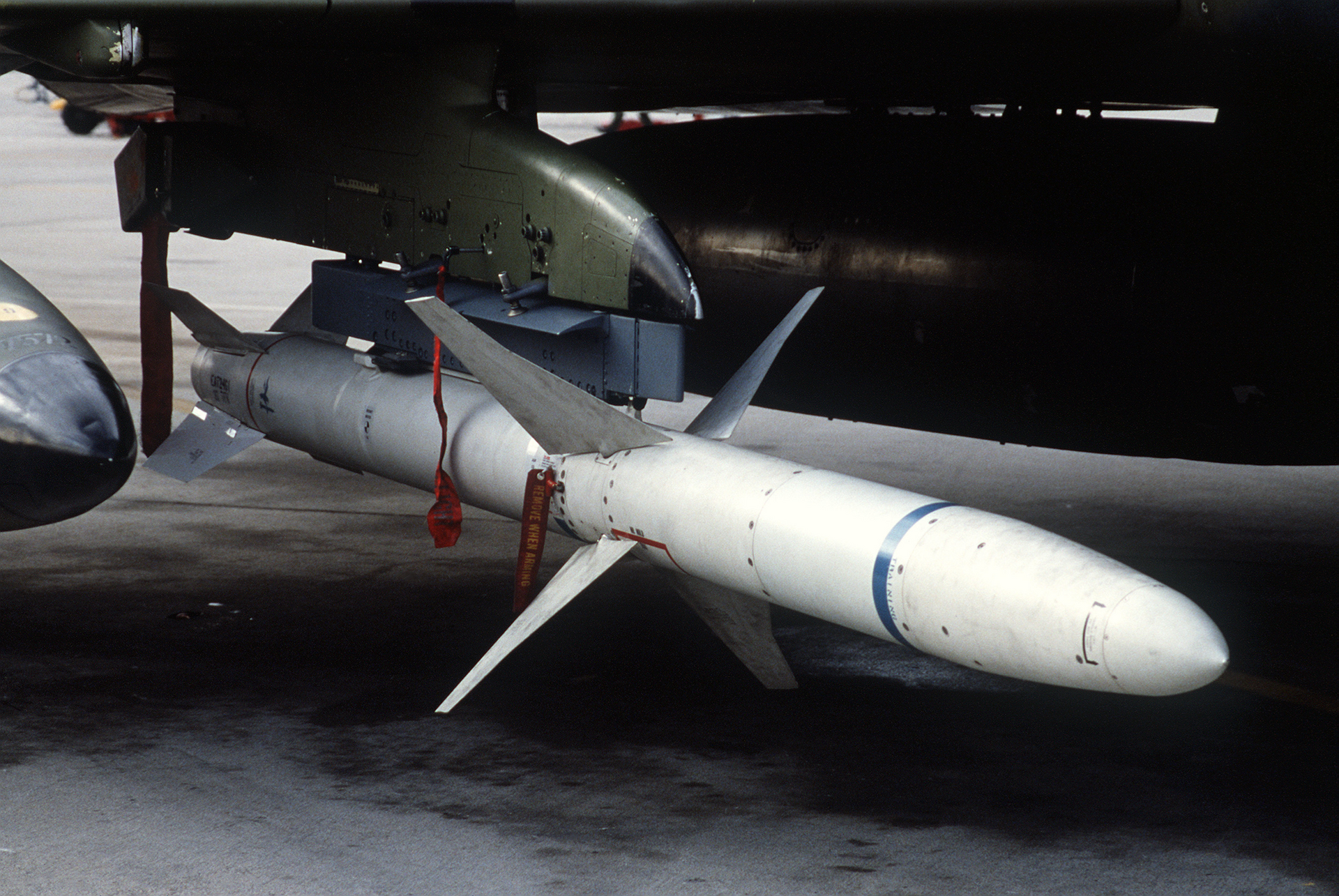
The rise of armed UAVs in this mission marks a significant strategic shift. Previously, Ukraine relied primarily on the US-supplied AGM-88 HARM anti-radar missiles. However, as Russia adapted its missile tactics, UAVs became a more flexible and effective alternative in the context of limited missile supplies.
Germany upgrades the firepower of 200 Puma infantry fighting vehicles.
The German Army has officially decided to equip approximately 200 Puma infantry fighting vehicles (IFVs) with the MELLS anti-tank missile system. MELLS is actually the internal designation for the Spike LR missile series developed by Rafael (Israel) and manufactured by the Eurospike joint venture in Europe. This move aims to enhance the independent anti-tank capabilities of German mechanized units.
The Spike LR missile uses an integrated fiber optic-based electro-optical guidance system, allowing operation in two modes: "fire and forget" or direct adjustment during flight. The Spike LR2 variant can achieve a range of up to 5.5 km with a warhead capable of penetrating the most modern explosive reactive armor. On the Puma tank, the MELLS system is installed on the left side of the turret, allowing the crew to fire from inside the tank.
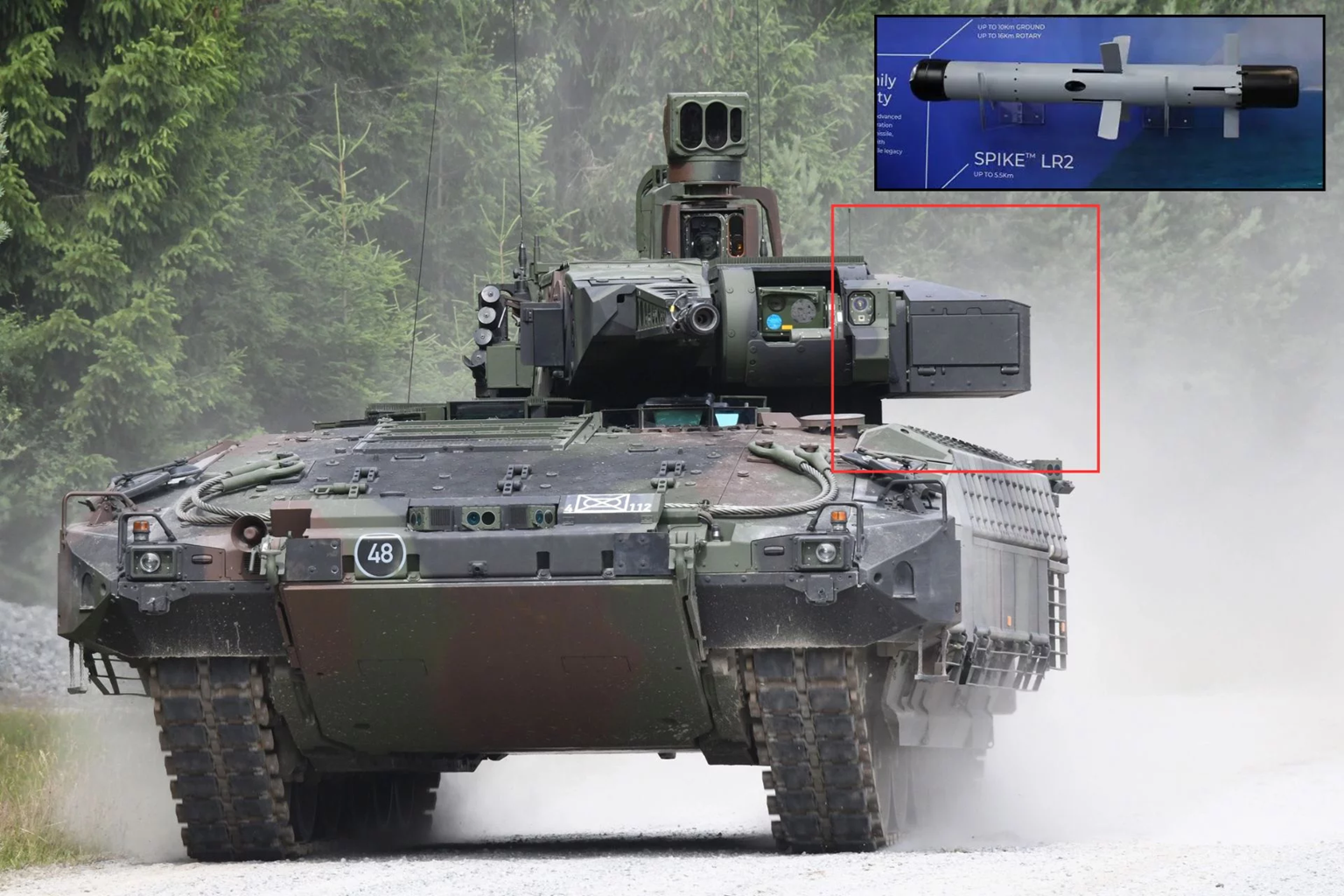
Developed by Krauss-Maffei Wegmann and Rheinmetall, the Puma is one of the most modern IFVs in the world. It is equipped with a 30mm MK 30-2 automatic cannon and the MUSS active protection system. The integration of Spike LR missiles allows the Puma to destroy main battle tanks at long range, reducing reliance on other support units in combined arms operations.
The US Army is preparing personnel for the era of AI warfare.
The U.S. Army has officially established a new job code for officers specializing in artificial intelligence and machine learning (49B). This is a strategic step to systematically integrate AI into military operations, from supporting combat decision-making to optimizing logistics and controlling autonomous robotic systems.
Officers in the 49B specialization will be responsible for deploying and integrating AI technology directly on the battlefield. Applications for this program began in January through the Volunteer Career Transfer Program (VTIP). The U.S. Army prioritizes applicants with technical backgrounds, but does not require them, with the goal of building an internal team of experts instead of relying entirely on external civilian contractors.
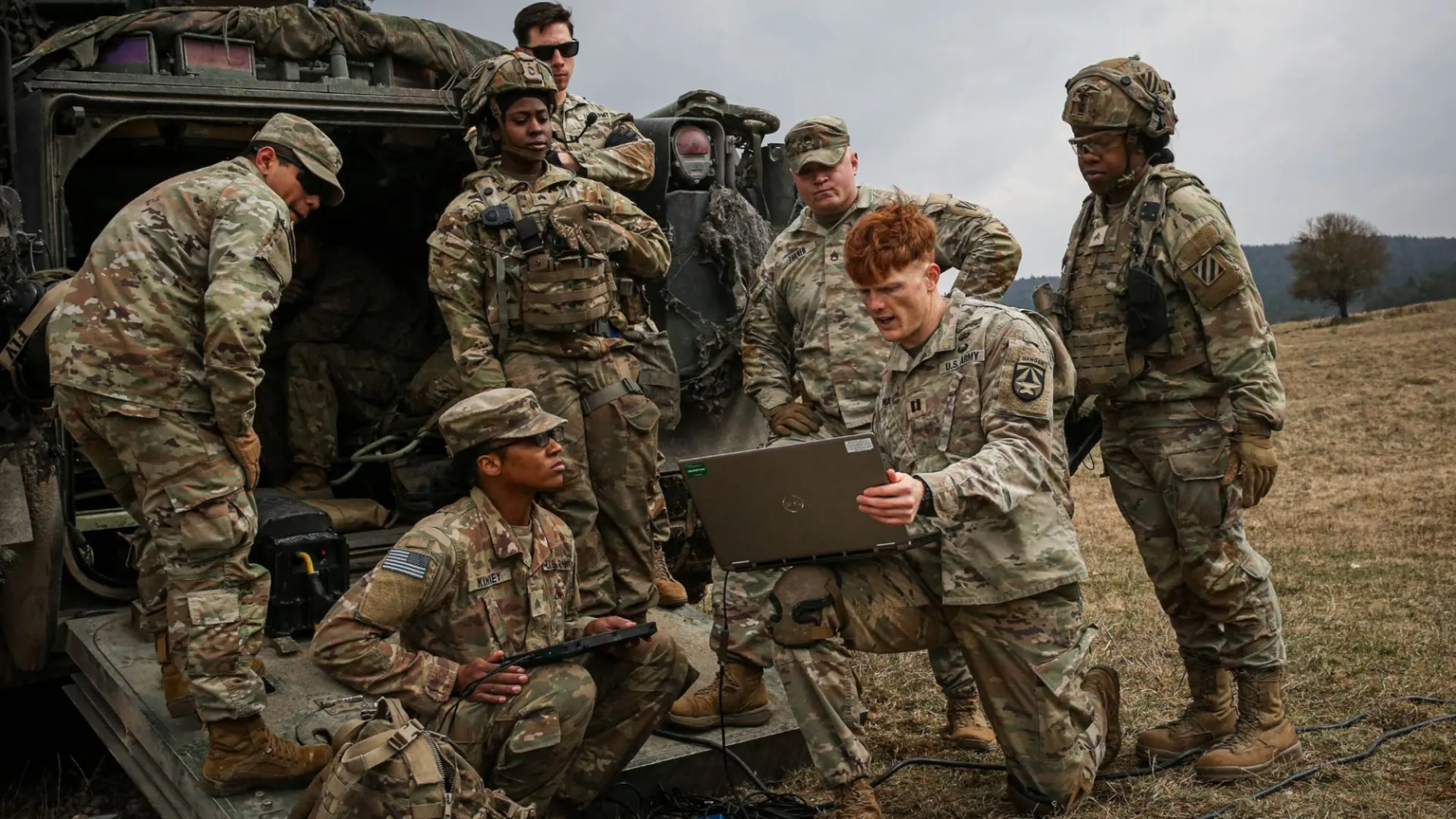
The first group of officers is expected to complete their training by the end of fiscal year 2026. The U.S. Army believes that self-reliance in AI personnel will help accelerate the military's adaptation to increasingly complex digital warfare requirements in the future.


