
Cybercrime - The invisible traps in cyberspace:Part 2: The Sophisticated Scam Scenario
If leaked personal data turns users into "prey," then phishing scenarios become the decisive step. No longer isolated incidents, cybercriminals orchestrate elaborate, coordinated scenarios, aided by technology, to manipulate psychology and lure victims into their traps.
Content: Dang Cuong - Tien Dong - Thanh Luong
Present:Hong Toai• April 27, 2026
*****
If leaked personal data turns users into "prey," then phishing scenarios become the decisive step. No longer isolated incidents, cybercriminals orchestrate elaborate, coordinated scenarios, aided by technology, to manipulate psychology and lure victims into their traps.
.png)
Among the various high-tech criminal schemes, impersonating judicial agencies such as the police, courts, prosecutors' offices, or bank employees remains a "main tactic." While not new, by constantly changing the details and upgrading their methods, these scams have resulted in numerous fraudulent acts, stealing sums ranging from hundreds of millions to billions of dong.
The attack process typically begins with a surprise call during business hours, or around noon or evening – times when victims are busy and easily off guard. On the other end of the line, the perpetrators, posing as "investigators," speak in a stern, professional tone, informing the victim that they are involved in serious cases such as money laundering, transnational drug trafficking, or have accounts with "unusual" transactions. In many cases, they are asked to "cooperate with the investigation," "maintain absolute confidentiality," or "work for private purposes," causing the victim to feel controlled from the start of the call.
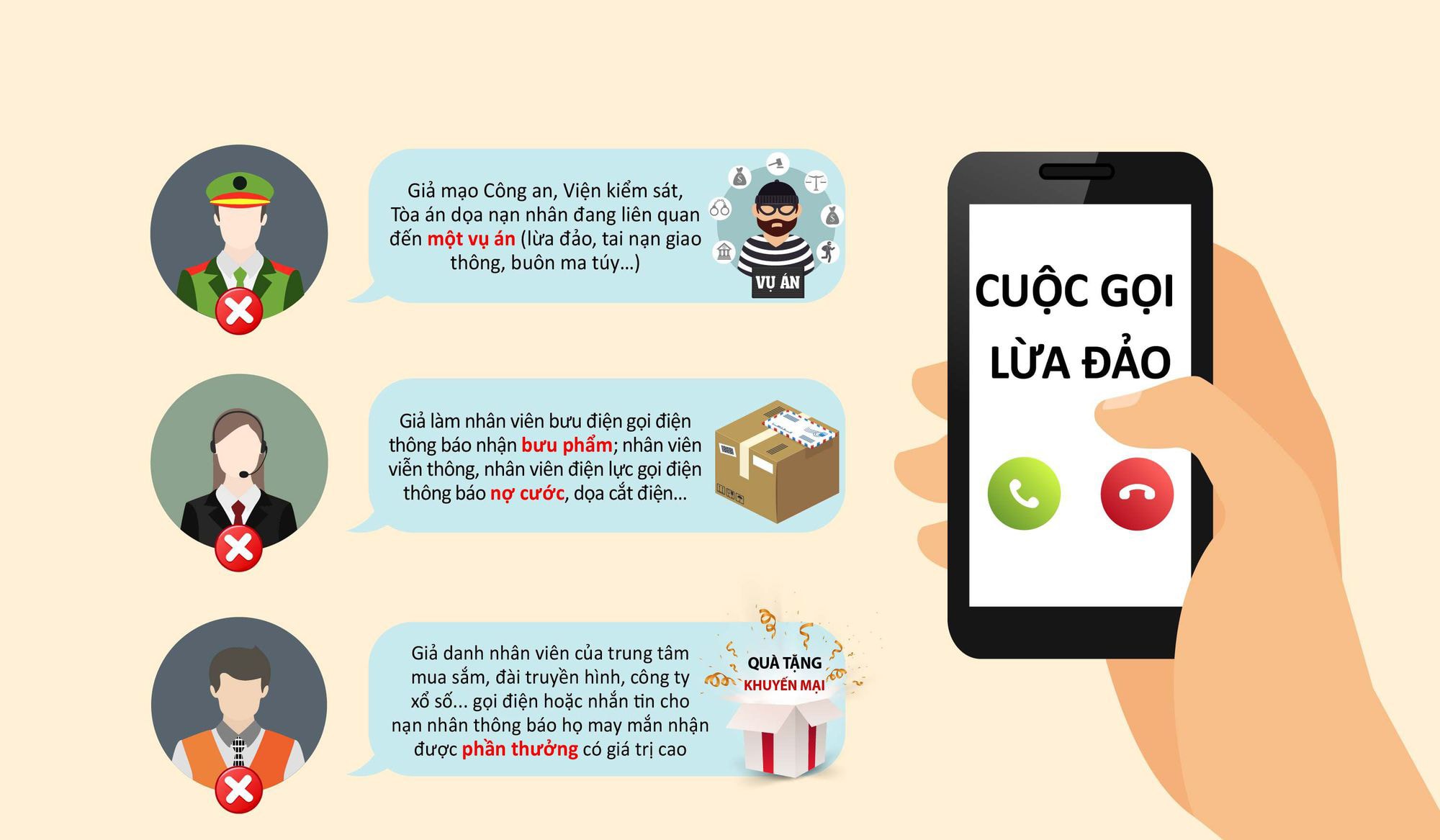
What makes many people fall for this trap is that the perpetrators have detailed personal information: from full name, date of birth, citizen identification number to address. This data creates an initial facade of trust. When they sense the victim's hesitation, they immediately speed up the process, transferring the call through various "levels": from local police to ministerial-level officials, then to the prosecutor's office... The appearance of a series of "powerful figures" in a single call creates immense invisible pressure, making the listener believe they are facing a real investigation. At this stage, initial suspicions are usually eliminated, replaced by fear and obedience, leaving almost no room for independent thought.
In particular, older people whose children and grandchildren work far away are currently key targets. Taking advantage of their fear of legal repercussions and limited access to technology, these individuals continuously carry out relentless psychological attacks, giving victims no time to think or verify information. Many fall into a state of being manipulated step by step without realizing they are being controlled.
Typically, on November 16, 2025, in Truong Son hamlet, Dong Loc commune, Mr. Ngo Huu Hoang (born in 1948) repeatedly received threatening calls related to a "transnational money laundering ring." The caller demanded that he urgently transfer 300 million VND to a "verified" account. Fortunately, when he went to Agribank to conduct the transaction, the commune police promptly approached, reassured him, and prevented the call from going through.
On April 2nd, the Yen Thanh Commune Police and officials from the Yen Thanh Commune People's Credit Fund thwarted a fraud attempt, protecting the assets of Mr. Pham Van Tuan (68 years old). Mr. Tuan, panicked after being threatened by impersonators regarding a 100 million VND "debt," hastily withdrawing his savings and borrowing money as requested. Noticing his suspicious behavior, the Yen Thanh Commune People's Credit Fund staff delayed the transaction and notified the commune police.

Major Nguyen Hoang Chung, Head of the Yen Thanh Commune Police, said that upon receiving the information, the authorities quickly arrived, verified the facts, and reassured the victim. When asked to engage in direct dialogue, the perpetrators immediately cut off contact, and the victim realized they had just escaped a scam.
Previously, through verification, the commune police discovered that Mr. Tuan had borrowed additional money from his neighbors. Mr. Tuan stated that someone claiming to be an officer from the Ministry of Public Security informed him that he owed 100 million VND to a "criminal organization" and demanded that he transfer the full amount to "be left in peace."

These near-miss incidents highlight the crucial role of vigilance from the community and bank tellers. However, the reality is that tragedies still occur when victims are manipulated too deeply, losing the ability to control their own behavior.

The case of Ms. Pham Thi Phuong, residing in Truong Vinh ward, is a typical example of the "isolation and exploitation" scenario. On the morning of October 23, 2023, the impersonator, posing as a police officer, used strong psychological tactics, demanding that she keep it a secret, not contact her relatives, and come to a private location for "work." The frightening aspect is the gradual isolation of the victim both physically and in terms of information: leaving her workplace, finding a private space, even renting a motel room – thereby cutting off all channels of communication from family and colleagues.
In solitude and anxiety, amidst the sounds of walkie-talkies from the other end of the line, Ms. Phuong was manipulated into providing account information, OTP codes, and carrying out transactions as requested. In just two days (October 23-24, 2023), over 2.5 billion VND of her money was stolen – not only a financial loss, but also a huge psychological shock.
The tactics of impersonating officials are not limited to just official positions; impersonating relatives has also become increasingly sophisticated. Perpetrators use compromised social media accounts or unfamiliar phone numbers to impersonate children or grandchildren, reporting incidents or accidents requiring urgent funds, or claiming to have received gifts from abroad and demanding payment of fees. These scenarios put victims in a passive position, almost completely unable to verify the information, especially when their emotions are exploited to the fullest.
.png)
Engineer Phan Thanh Thang, Project Manager at Viettel High-Tech Corporation, stated: Technology, especially AI, is being exploited as an "extension" of criminals. Criminals can create highly realistic fake content, from voices and images to videos (deepfakes), thereby impersonating acquaintances or authorities to deceive victims.
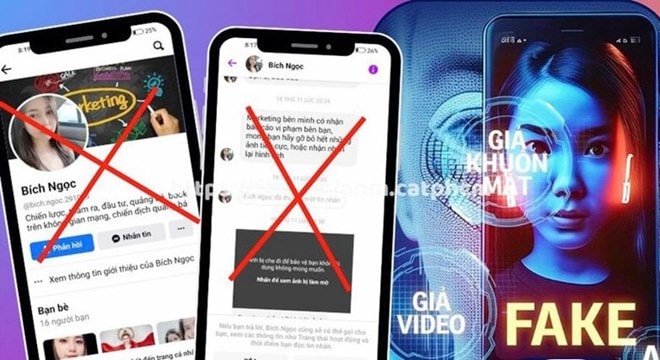
"Scams are no longer isolated incidents, but have become multi-stage, orchestrated scenarios combining text messages, calls, and even videos. The trend in the future will be automation and personalization, meaning reaching many people simultaneously while still 'tailoring' the call to each victim individually, even in real time," Mr. Thang commented.
In reality, technology has not only expanded the scale but also significantly increased the sophistication of scams. When personal data is collected and analyzed, each victim is essentially "identified" before becoming a target.
In Nghe An province, there have been cases of people receiving video calls from their "children or grandchildren" working or studying abroad. A typical example is Ms. Nguyen Thi Huong, residing in Dien Chau commune. Despite proactively requesting a video call to verify her identity, she was still scammed out of nearly 100 million VND.
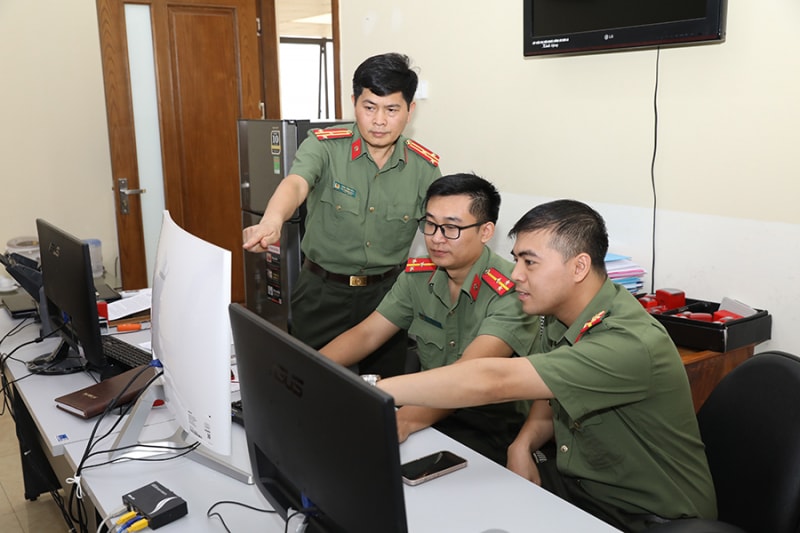
According to Ms. Huong, her daughter's face and voice were clearly visible on the screen, in a state of panic, pleading for help. Believing it to be true, she immediately transferred the money without further verification. Just a few minutes later, all communication was cut off, and her savings were gone.
In such situations, it's difficult to spot any abnormalities because everything happens so quickly, realistically, and plays on the victim's fear.
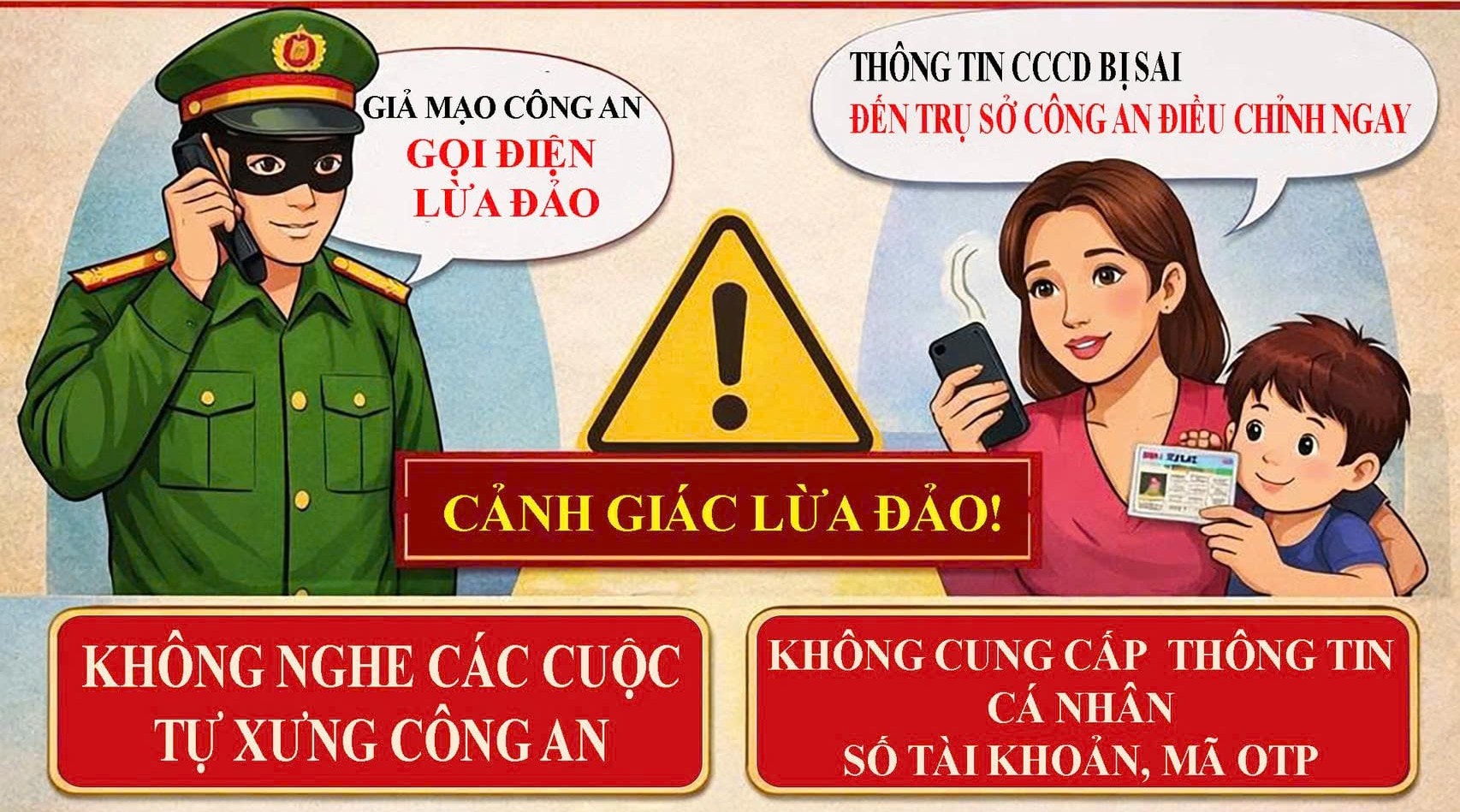
In addition, investment scams and fraudulent financial applications have also proliferated. Scammers create websites and applications with professional interfaces, promoting "quick-profit" investment packages and "high interest rates." These are accompanied by seemingly attractive promises such as "no risk" and "flexible withdrawals."
Initially, victims may be able to withdraw a small profit to build trust. But as the amount deposited increases, the system starts reporting errors, locking accounts, or demanding additional "fees" to withdraw money – essentially a scam designed to defraud them.
According to technology experts, social networks like Facebook, Zalo, and Telegram are becoming popular "territories" for these individuals to operate. They not only advertise but also join groups, pose as "experts," gradually build credibility, and lead others to join.
Once they've gained trust, the perpetrators continue to exploit technology to steal information. They may ask victims to record their phone screens or perform actions as instructed, thereby obtaining login information and OTP codes in a very short time.
.jpg)
The tactic of hijacking social media accounts to spread malware is also common. Recently, Mr. Quang Khanh, who works at an agency in Truong Vinh ward, had his Zalo account hacked. The perpetrator then used this account to send mass messages to his contacts with strange links asking for their support in a competition. Due to their existing trust, many people nearly accessed the links if they hadn't verified them in time.
It's clear that technology, no matter how advanced, is still just a tool. However, in the hands of criminals, it becomes a means to expand scale, increase speed, and intensify danger. The combination of psychological factors and high technology makes the line between truth and falsehood increasingly blurred.
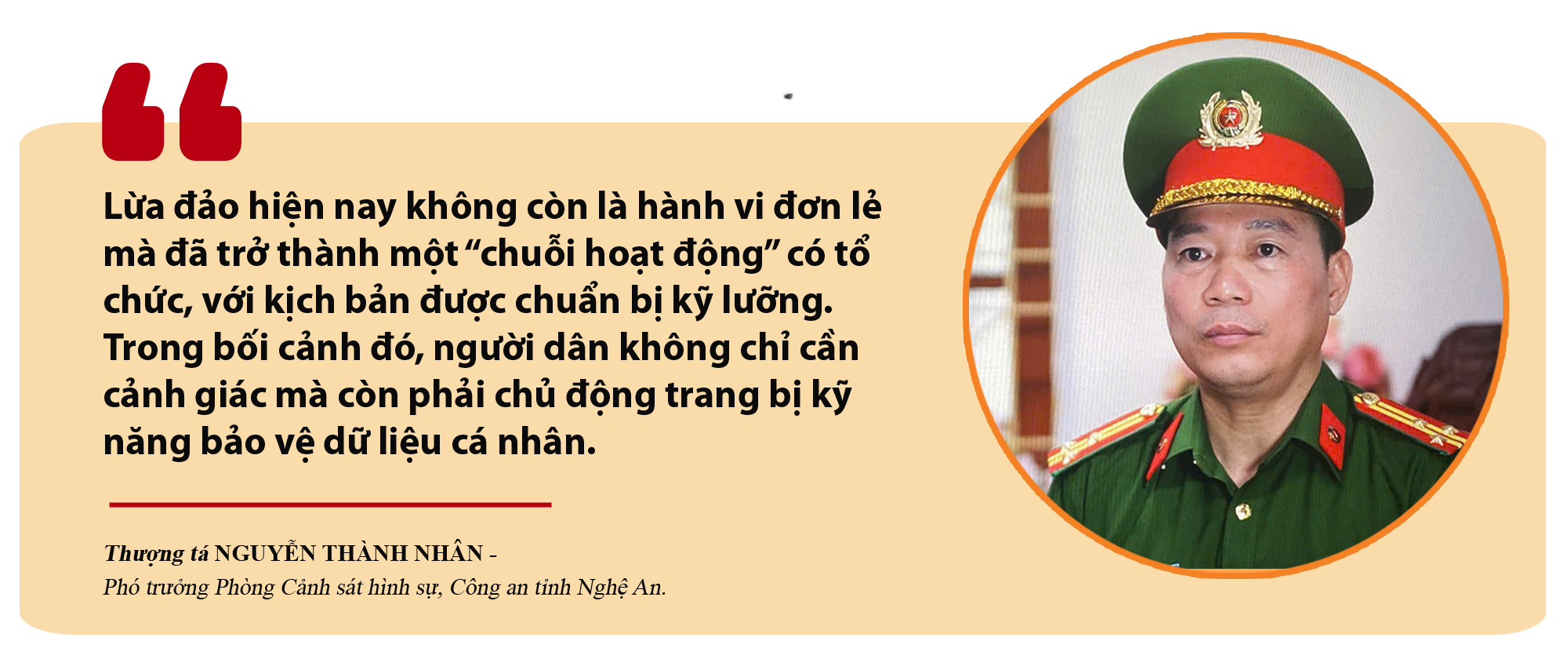
Despite repeated warnings, many people still fall into the trap. Why are these schemes still able to manipulate victims, even after so many warnings?
(The victim's name in this article has been changed - PV)
------o0o------
(To be continued)


