
General Secretary and President To Lam: Belief and motivation will transform aspirations for development into practical strength.
The General Secretary and President affirmed that the most important thing is to create trust and momentum for development throughout society. When people trust, businesses trust, the system operates smoothly, and resources are unlocked, then the aspiration for development will be transformed into real strength, contributing to the country's rapid and sustainable development in the coming period.
On the morning of April 13th, at the National Assembly building, the Politburo and the Secretariat organized a national conference to study, learn, understand, and implement the Resolution of the Second Plenum of the 14th Central Committee of the Communist Party of Vietnam.
All regulations must be implemented uniformly, synchronously, and consistently.
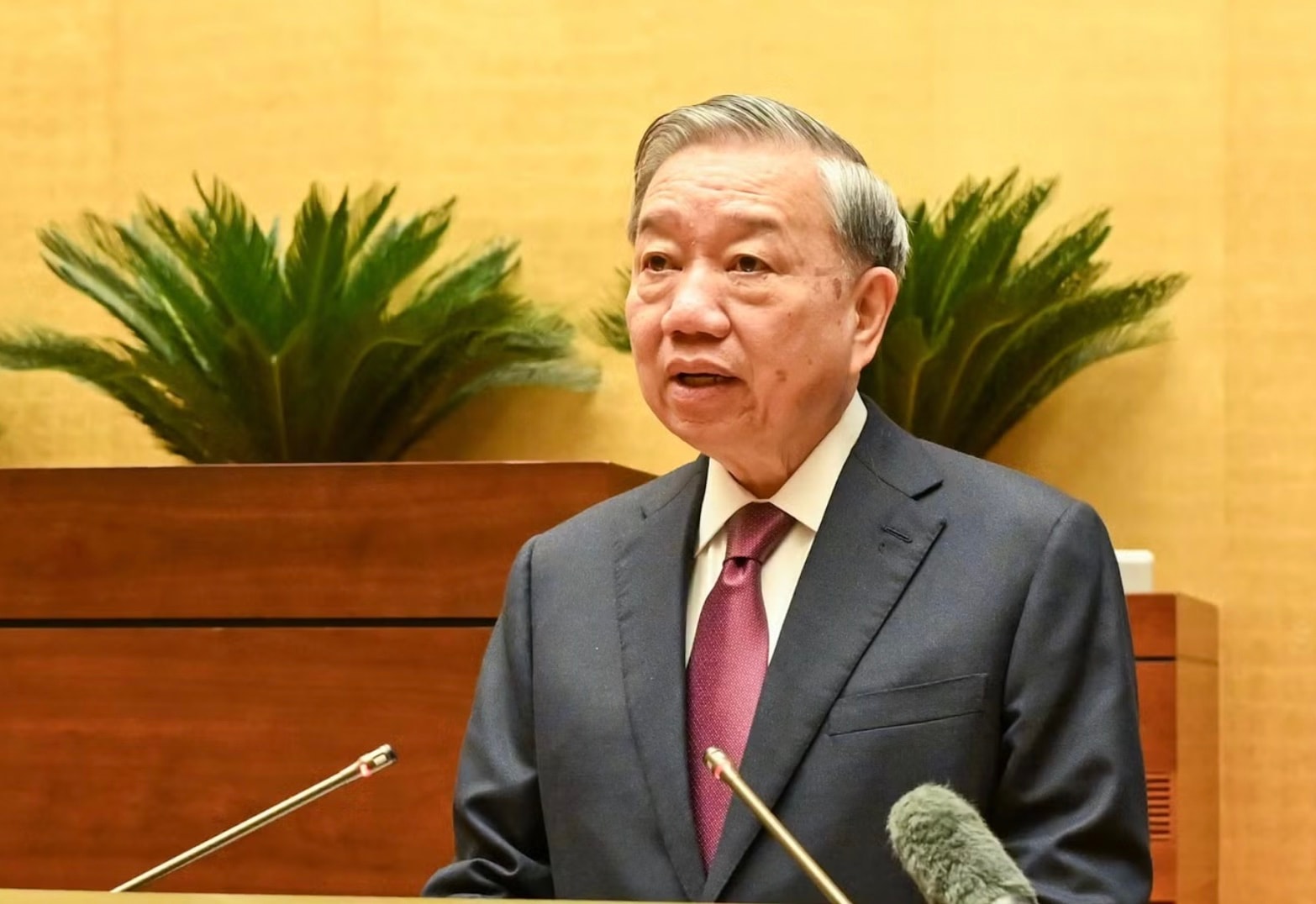
In his directive speech at the Conference, General Secretary and President To Lam clearly stated that the requirement following this Conference is to thoroughly understand and internalize the directives, and to organize their implementation decisively, synchronously, effectively, with a focus on key areas, creating clear changes throughout the entire political system and spreading them as a driving force for development throughout society.
The General Secretary and President emphasized that it is essential to fully and profoundly understand that the Party's regulations are the pivotal institutions ensuring the Party operates as a unified bloc within the entire political system. Every Party committee, Party organization, and every cadre and Party member must correctly understand, deeply comprehend, and strictly implement the Party's regulations, considering them their direct political responsibility; they must not misinterpret or deviate from them, and certainly must not apply them in a way that benefits themselves personally. All regulations must be implemented uniformly, synchronously, and consistently from top to bottom, coupled with strict inspection, supervision, and severe handling of violations; at the same time, good and innovative practices in accordance with the regulations must be encouraged and commended.
The General Secretary and President emphasized the need for fundamental innovation in development thinking and the effective utilization of all resources and capital for sustainable growth. An economy aiming for high, sustainable growth and breakthrough potential cannot operate solely on a single resource base, nor can it place the entire burden of development on the shoulders of the State.
.jpg)
The state needs to shift from the role of a direct investor to the role of designing and creating an environment where all resources in society are mobilized and allocated according to market signals, within a transparent and stable institutional framework. On this foundation, the role of capital sources needs to be redefined within a new development structure where capital flows do not exist in isolation but interact, amplify, and influence each other.
State capital must be properly positioned as seed capital, a formative capital to shape the development space, minimize initial risks, and thereby effectively guide and activate non-state capital flows. Enterprise capital, including the private sector and FDI, needs to be directed towards high value-added industries, innovative projects, and knowledge-based value chains.
Foreign loan capital must be used according to strategic selectivity principles, linked to absorption capacity and long-term repayment ability, prioritizing key infrastructure projects and sectors with high spillover effects.
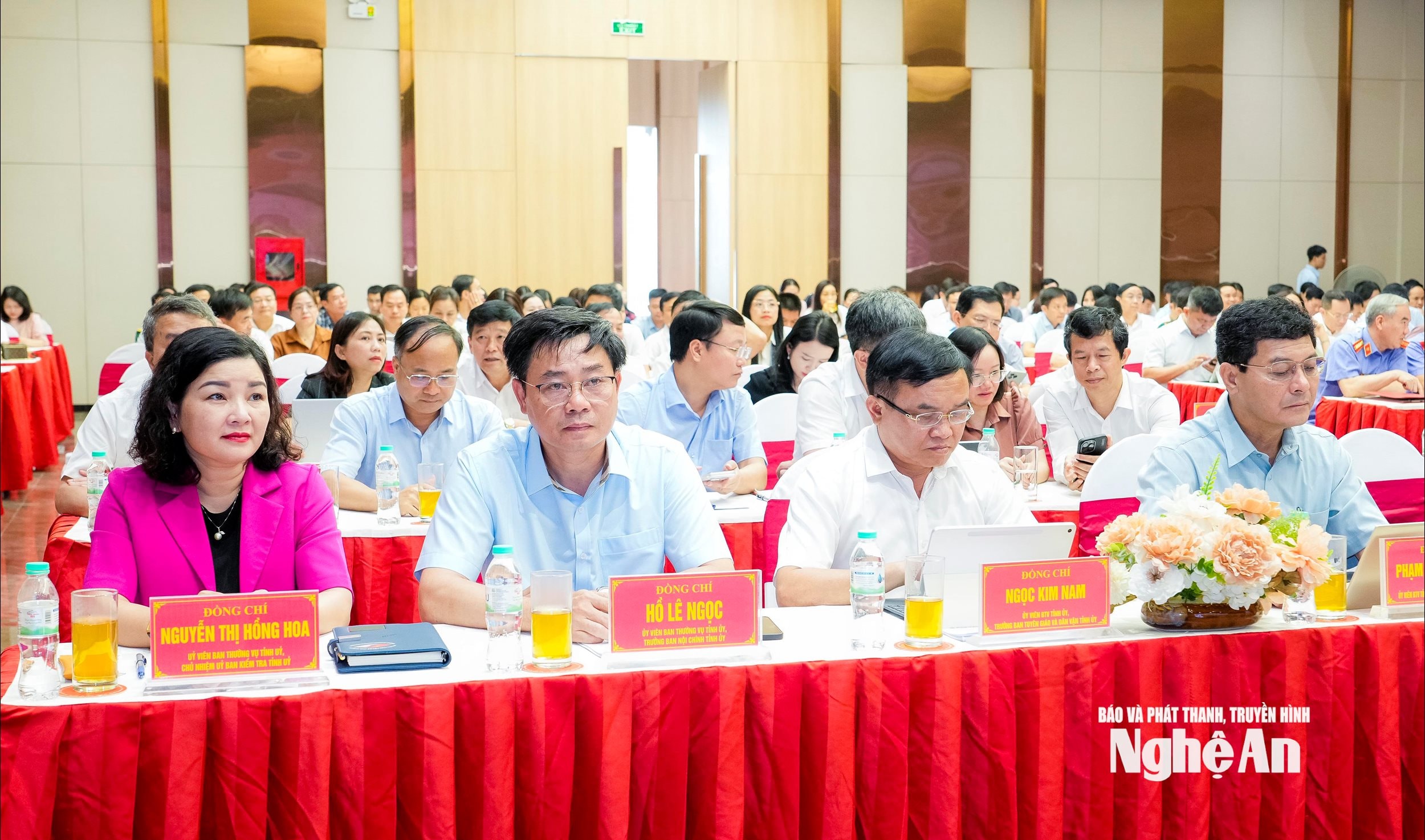
The financial market, including the capital market, credit, and bond market, must truly become a channel for medium- and long-term capital flow into the real economy. The focus should be on directing capital flows into manufacturing, innovation, and essential infrastructure systems, thereby improving the quality of growth.
The General Secretary and President suggested that it is crucial to prioritize unlocking the people's capital, viewing this as a strategic breakthrough in the new phase. This is not only financial capital, but also the sum total of intellect, skills, labor, entrepreneurial spirit, and the legitimate aspiration to prosper of tens of millions of people. When effectively activated, this resource can transform into an enormous endogenous driving force, contributing to enhancing the self-reliance of the economy.
The General Secretary and President emphasized the need to resolutely overcome the mindset of administrative boundary fragmentation, sectoral fragmentation, and term-based fragmentation in development planning. Overall development planning must reflect an integrated, multi-objective, and long-term perspective. It should create a more rational development structure, utilize resources more efficiently, ensure a more balanced spatial distribution, improve regional connectivity, and open up greater growth potential for the future.
If planning is done with a closed-off, localized, fragmented mindset, where everyone does as they please, it will not only fail to open up new development opportunities but also create conflicts, overlaps, waste resources, disrupt linkages, and drag down overall development efficiency, even hindering development.
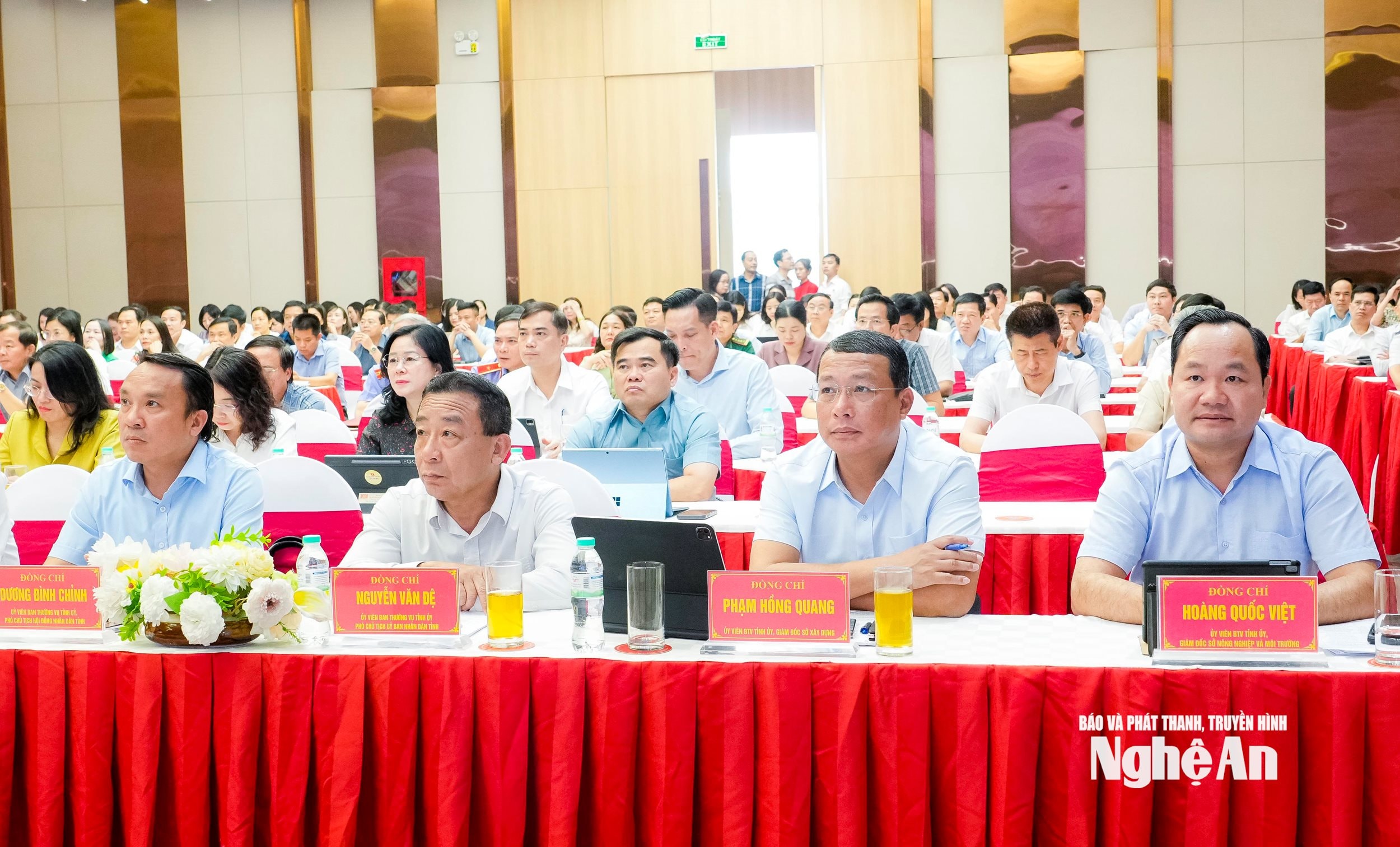
Each local development plan and sectoral plan must be viewed within an overall structure, linked to regional linkages, and aligned with the "East-West oriented" vision and the "continuous North-South axis"; plans must not become breeding grounds for gaps, voids, or conflicts of interest between localities, sectors, and levels of government.
In the overall planning, greater attention must be paid to energy planning; without sufficient, stable, sustainable energy at appropriate prices and with rational allocation, successful industrialization and modernization are impossible, as is sustained high growth, and new development opportunities. Energy must be considered within the overall national development, in relation to industry, urbanization, logistics, digital infrastructure, green transformation, resilience, and national security, and self-sufficiency must be ensured.
Along with planning comes the issue of project development, definitively ending the situation of investment driven by trends, subjective desires, the "request-and-grant" mechanism, term limits, and superficial appearances. Every project to be implemented must be placed within the overall master plan and considered clearly and seriously; large investments cannot be made with low standards, or completed quickly without guaranteed quality; nor can projects be built today that are outdated, inconsistent, difficult to connect, and difficult to utilize tomorrow; a century-long vision must be incorporated into the overall master plan.
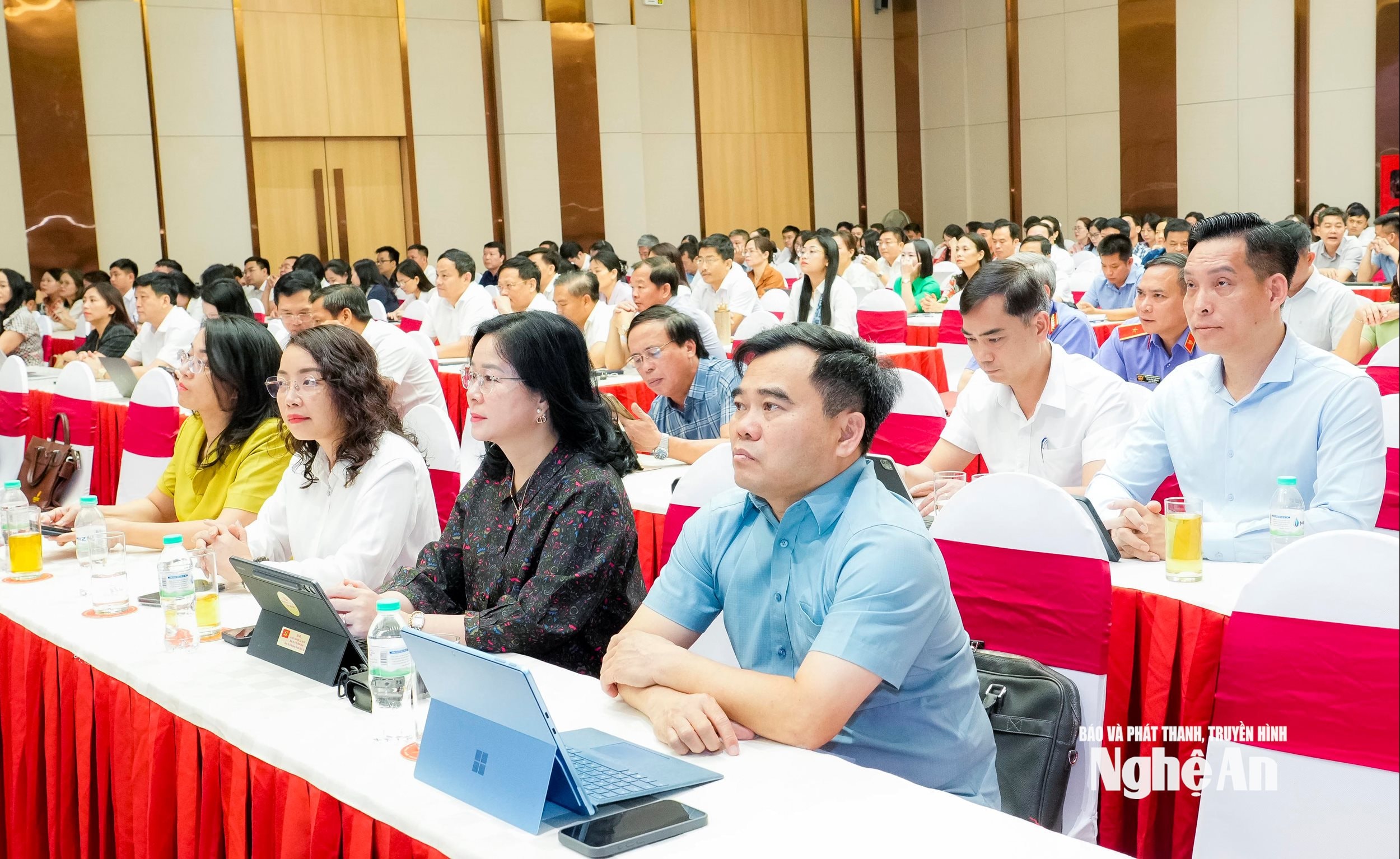
A good project must be evaluated based on its actual development impact and socio-economic effectiveness, with the level of benefit to the people being the central criterion; under no circumstances should the scale of capital replace effectiveness, the number of projects replace the quality of growth, and the speed of disbursement be a substitute for long-term effectiveness.
Every dollar invested, whether state capital or social capital, must be carefully calculated in terms of its effectiveness, ripple effect, potential to stimulate further investment, job creation, value creation, improved competitiveness, and increased social welfare.
We must build trust and create motivation for development throughout society.
The General Secretary and President emphasized the need to unleash productive forces and unlock resources within the people, ensuring that every citizen, every family, every business household, and every enterprise becomes a subject of growth. Genuine growth must be achieved in both directions, from top to bottom and from bottom to top, in every link of the economy, from each household, each business household, each production facility, and each enterprise.
When the internal strengths of the people are unleashed and connected with state resources, infrastructure, markets, technology, training, credit, and development planning, the economy will have a solid internal foundation for sustainable growth.
.jpg)
Creating a development environment where millions of people perceive real opportunities, where every household and business has favorable conditions to invest, expand production and conduct legitimate business, and remain committed to the economy in the long term; ensuring that businesses see stable and transparent institutions, reasonable compliance costs, synchronized infrastructure, and wide market access, thereby creating strong endogenous motivation, promoting innovation, entrepreneurship, and sustainable development.
Every mechanism, policy, infrastructure project, and capital flow must be geared towards activating the capacity and aspirations for development among the people, transforming potential opportunities into actual growth and turning confidence into a long-term driving force for the country's development.
The General Secretary and President requested that the effectiveness and efficiency of the two-tiered local government model be further improved and enhanced. For this model to fully realize its value and strength, it needs to be viewed within the unified context of national governance, with a guiding principle: "The central government is strong in strategic direction, institutions, and supervision; the local government is strong in implementation, with the commune level playing a key role in determining the operational quality of the entire system."
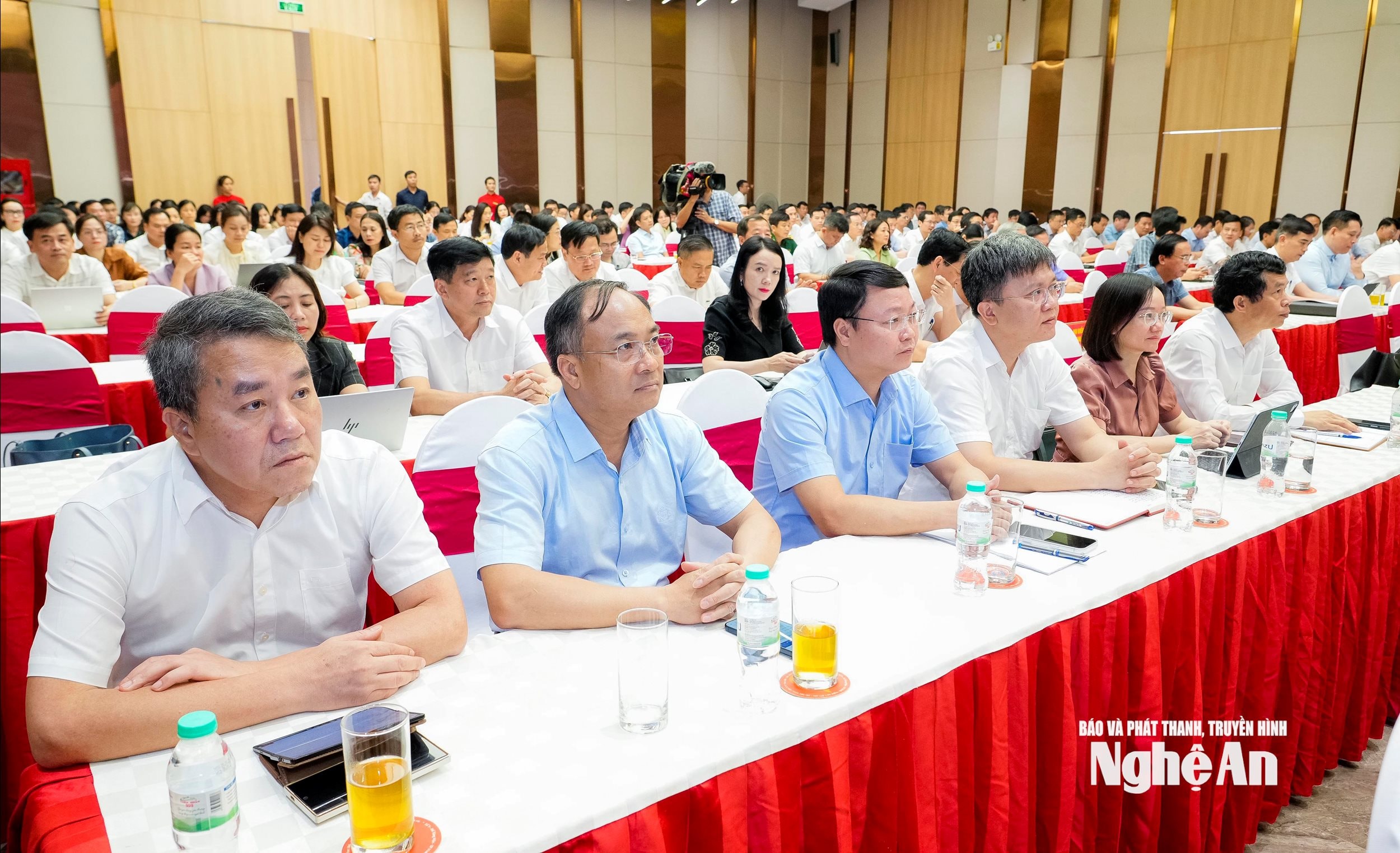
To realize this vision, communes need to build strong decision-making capacity. Communes strong in resource mobilization will enable the provincial level to be more proactive in coordinating and implementing strategic projects. Communes also need to be strong in monitoring and feedback.
For the commune level to become a driving force for upgrading the provincial government, all resolutions, policies, and projects must be translated into concrete actions. These decisions must be directly aimed at improving the quality of life for the people, promoting economic development, and strengthening the competitiveness of the locality.
General Secretary and President To Lam urged Party committees, Party organizations, and Party members from the central to local levels to truly engage with the highest sense of responsibility, being more proactive, decisive, and substantive. Each level, sector, and locality must place itself within the overall context, clearly understanding its role and responsibility in the country's overall development, and thus act consistently, with discipline, and effectively.
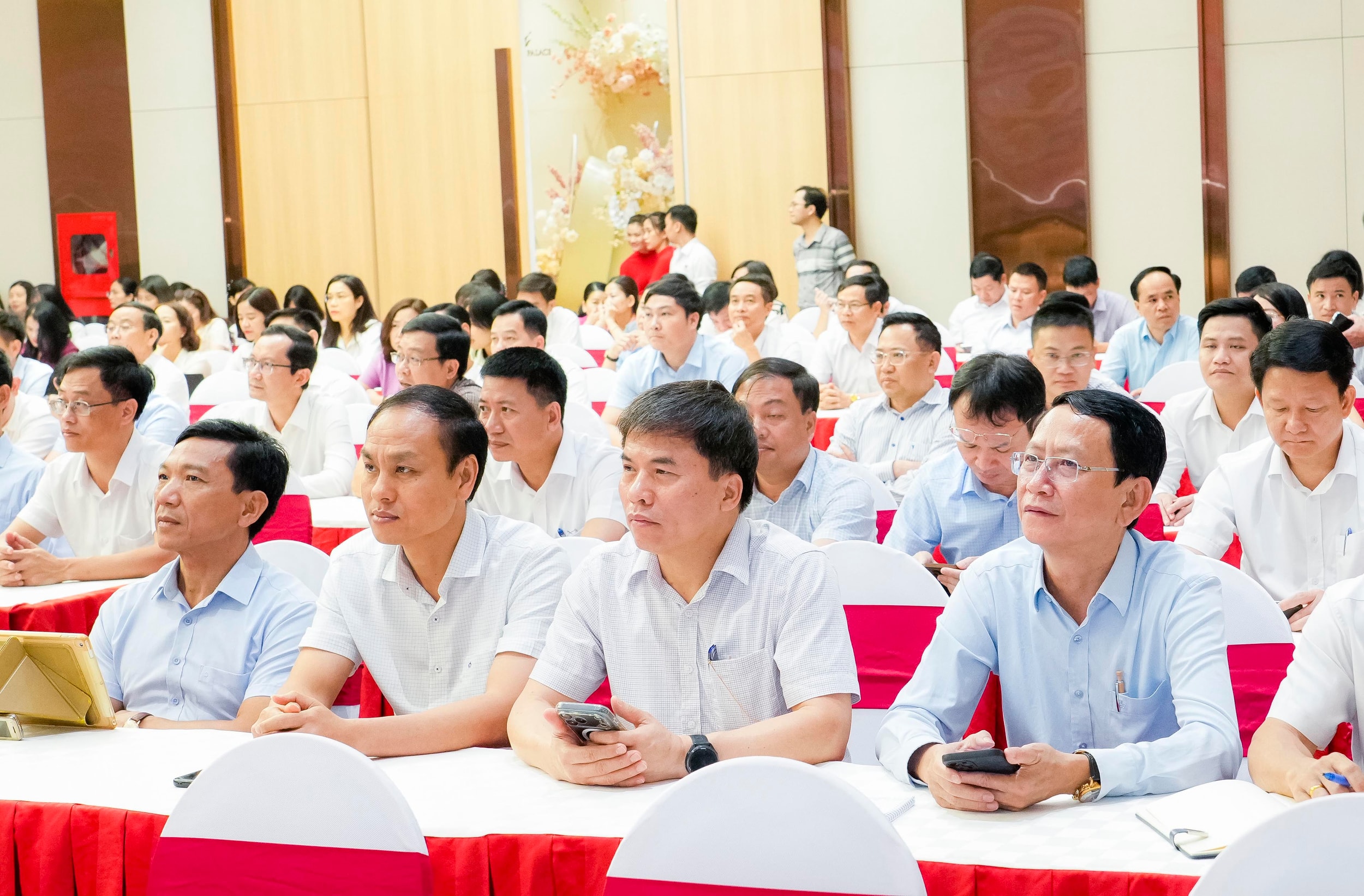
The General Secretary and President affirmed that the most important thing is to create trust and momentum for development throughout society. When people trust, businesses trust, the system operates smoothly, and resources are unlocked, then the aspiration for development will be transformed into real strength, contributing to the country's rapid and sustainable development in the coming period.


