
President Lee Jae Myung and the "gamble" of the mega-technology project.
From a teenager forced to hide his age in dusty factories, Lee Jae-myung entered the Blue House with extraordinary achievements. Now, this president, who rose from poverty, is betting the nation's future on a $1.2 trillion AI and semiconductor mega-plan – a decision not only for global competitiveness but also a major socio-economic reform, realizing his core philosophy throughout his life: eliminating inequality and balancing regional development.
A miraculous rise from the darkness of the factory.
Lee Jae Myung was born in 1963 in the rural area of Andong into a poor family with seven children. Tragedy struck when his father squandered their meager savings on gambling, forcing the entire family to relocate to Seongnam – a then-new industrial city, a settlement for the impoverished displaced from Seoul.
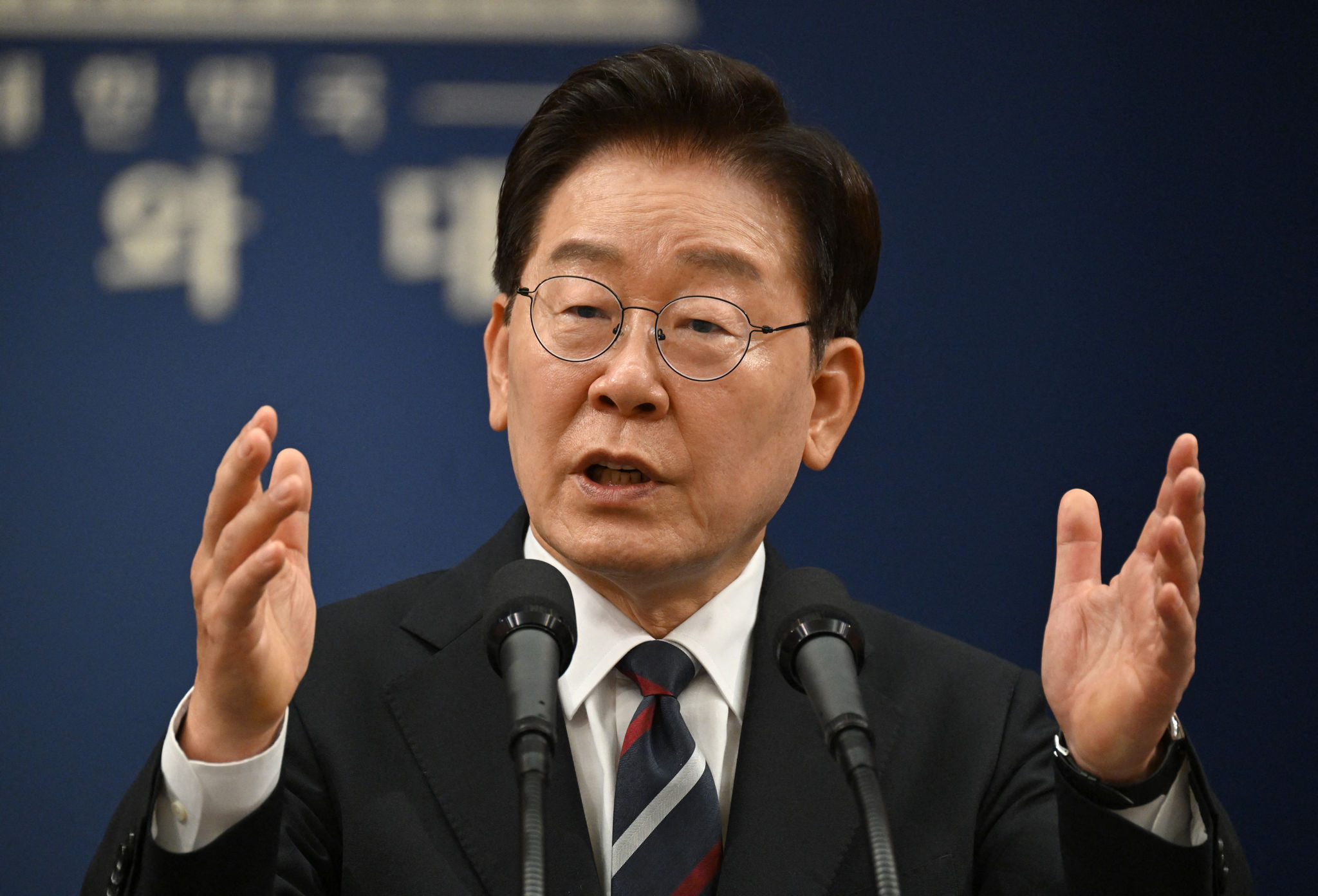
Lacking the money for tuition, he was forced to abandon his dream of education and enter dusty factories in his early teens. The young boy had to work under false names because he was underage and constantly suffered work-related accidents. But it was during those dark days in the factory, seeing his peers in school uniforms, that his desire to change his fate was awakened. With extraordinary determination, he self-studied to earn his junior high and high school diplomas. In 1982, he was admitted to the prestigious Chung-Ang University Law School with a full scholarship. Graduating with a Bachelor of Laws degree in 1986, deeply influenced by the ideas of former President Roh Moo-hyun, he became a dedicated human rights lawyer.
His political career was marked by early setbacks after joining the Uri Party in 2005. However, a major turning point came in 2010 when he was elected Mayor of Seongnam City. There, he made a significant impact with a series of bold reforms: transforming the opulent mayor's office into a public book cafe; declaring a temporary suspension of payments to restructure the city's massive 520 billion won debt; establishing a "youth income" system; and banning dog meat at the famous Moran Market… With a campaign promise fulfillment rate of 94.1%, his reputation transcended local boundaries. From this springboard in Seongnam, he was elected Governor of Gyeonggi Province in 2018, becoming a "shining star" for his decisive and direct response to the Covid-19 pandemic.
After surviving an assassination attempt in Busan in early 2024 and the subsequent martial law crisis that year, the image of Lee Jae-myung climbing over the National Assembly building's fence amidst a military cordon to call for the protection of democracy touched millions of hearts. His resounding victory in the 2025 snap election officially ushered the "factory boy" into the Blue House in June 2025, completing a legendary chapter in South Korean political history.
The "Gamble" of the AI Eraand the challenges
He entered the presidency at a time when the wave of artificial intelligence (AI) revolution was sweeping the global economy. Facing this turning point, President Lee Jae Myung announced a "strategic move" that would determine the nation's future. At the National Assembly's briefing, his government unveiled three strategic mega-projects aimed at making South Korea an "irreplaceable" nation in the AI era. This grand plan is implemented synchronously based on a "triangle of pillars": semiconductor chips, physical AI, and AI data centers (AIDC). The total capital mobilized for this mega-plan amounts to nearly $1.2 trillion USD – equivalent to more than two-thirds of South Korea's GDP.
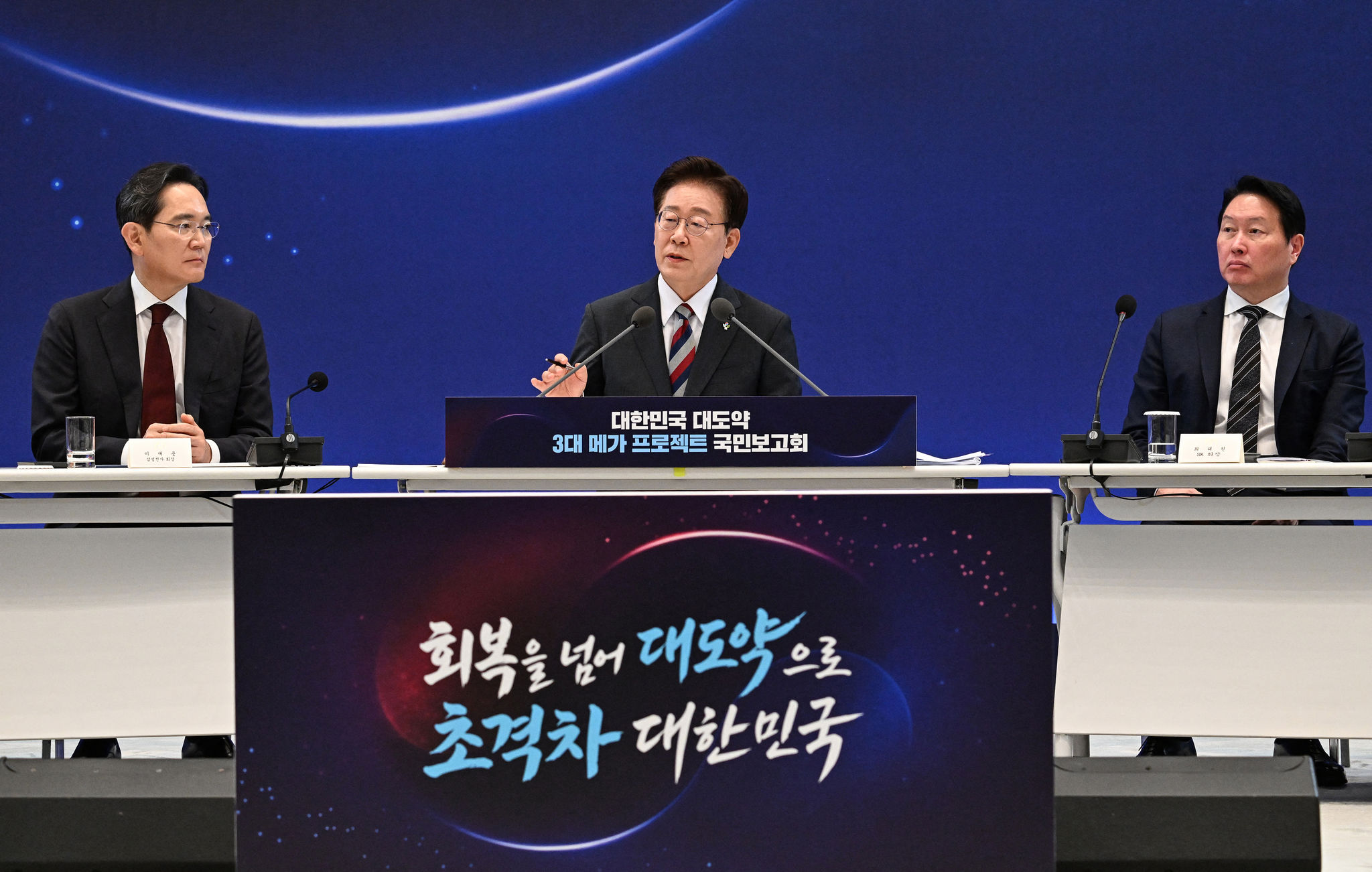
According to strategic plans, the country's two largest technology giants, Samsung Electronics and SK hynix, will make a record investment of 800 trillion won (approximately $520 billion) to build a brand-new semiconductor manufacturing center in the southwest of the country. In addition, the government has outlined a separate 10-year plan worth up to 1 quadrillion won (approximately $650 billion) to focus solely on developing AI data centers – considered the "heart" of the entire global future industry. A third strategic project involves investing in chip packaging and assembly plants, concentrated in North Chungcheong Province, to create high-bandwidth memory (HBM) – the key to all advanced AI systems.
However, the most remarkable aspect of this mega-project lies not only in its enormous financial figures, but also in its humanitarian significance and the chosen geographical location: Honam in the southwestern part of the country. Historically, Honam – a traditional stronghold of the left wing encompassing Gwangju and Jeolla provinces – has always lagged far behind the industrially developed southeastern region. This widening gap between rich and poor and regional imbalance is a long-standing consequence of the rapid economic development strategy under former President Park Chung-hee in the 1960s and 1970s. By resolutely bringing four major chip manufacturing plants here, President Lee Jae-myung is seeking to "repair" decades-long social rifts and realize his philosophy of supporting the underprivileged on a national scale.
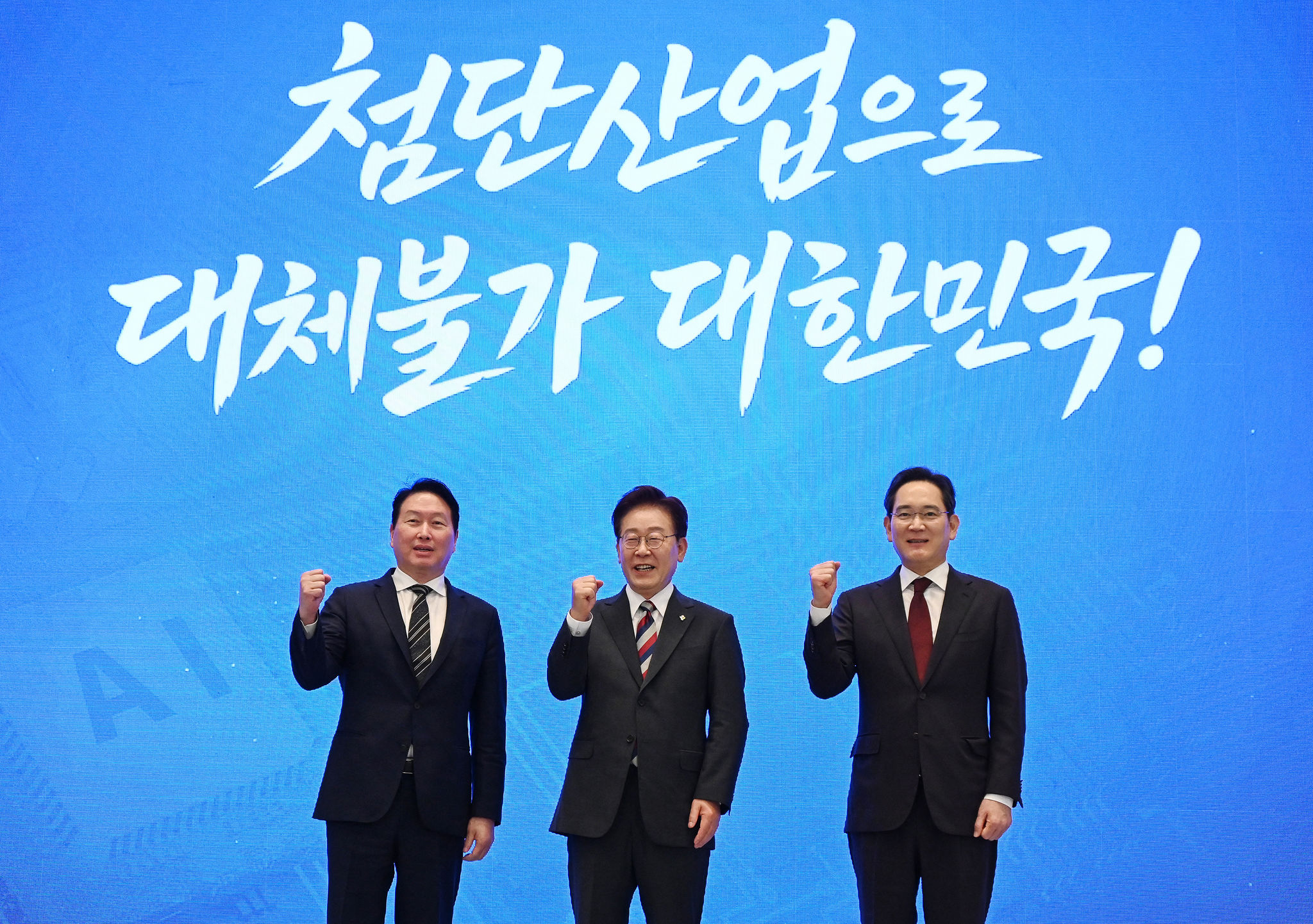
However, President Lee Jae-myung's "gamble" is facing considerable resistance and skepticism. Immediately after the announcement, shares of Samsung and SK Hynix fell sharply as analysts worried that the surge in investment could lead to a global oversupply. In addition, the opposition has sharply criticized and questioned the political motives of the project, amidst a six-week consecutive decline in President Lee's approval rating to 46.5%.
Korean economists and academics have also warned that, ideally, AI demand will remain strong for the next 20-30 years, but if the market declines, the consequences for the economy will be unpredictable. Professor Lee Jong-hwan from Sangmyung University emphasized: “The biggest challenge is that most skilled workers and suppliers are still concentrated around the Seoul metropolitan area. Setting up complex production lines from scratch in a new region will require enormous amounts of electricity, clean water, and a modern logistics network that cannot be established quickly.”
Despite the skepticism, President Lee Jae Myung demonstrated the resilience of someone who has risen from adversity. He announced that he would appoint an official from the Presidential Office to directly oversee the project and would personally monitor its progress to minimize delays. The success or failure of this mega-project cannot be determined overnight, but the world is witnessing the vision and groundbreaking thinking of a leader shaping the future of an entire nation.


