
Top 10 essential technology features for new cars in 2024.
Choosing the right safety and convenience features such as automatic braking, 360-degree cameras, or wireless connectivity optimizes the value and ensures the safety of a new car.
When buying a new car, consumers are often easily attracted by flashy features. However, prioritizing practical driver-assistance technologies and core safety features is what ultimately determines the long-term value of the vehicle.
Active driver assistance and safety systems
Adaptive Cruise Control (ACC) Stop & Go
Adaptive Cruise Control (ACC) Stop & Go is a significant improvement over traditional cruise control systems. Instead of maintaining a fixed speed, ACC uses sensors to detect vehicles ahead and automatically adjusts speed to maintain a safe distance. This feature is particularly useful when driving on highways or in heavy traffic, significantly reducing driver fatigue.
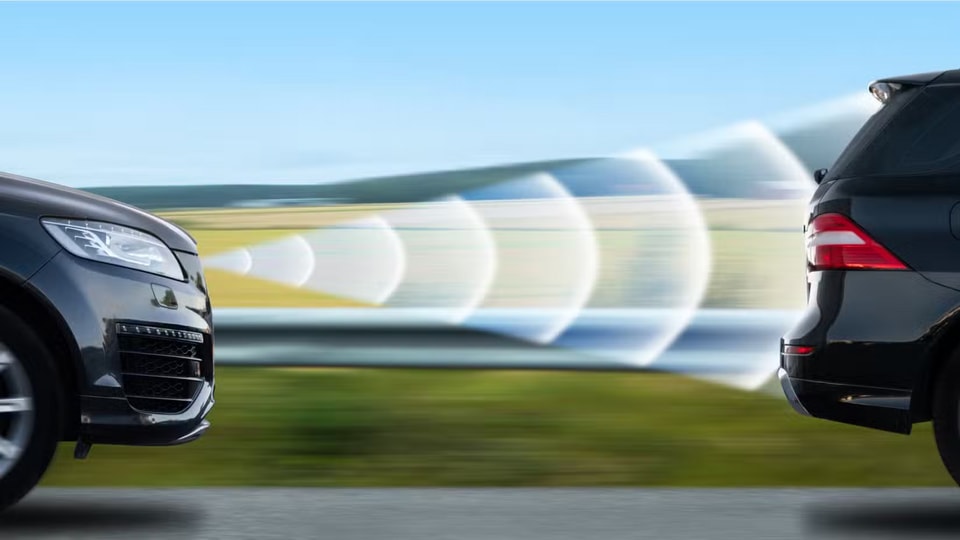
Automatic Emergency Braking (AEB) system
Automatic Emergency Braking (AEB) is considered one of the most important safety features today. With the speed of computer processing, the system scans for obstacles ahead and automatically activates the brakes if it detects a risk of collision. Practical studies show that AEB significantly reduces the number of rear-end collisions due to its faster reaction time compared to human capabilities.
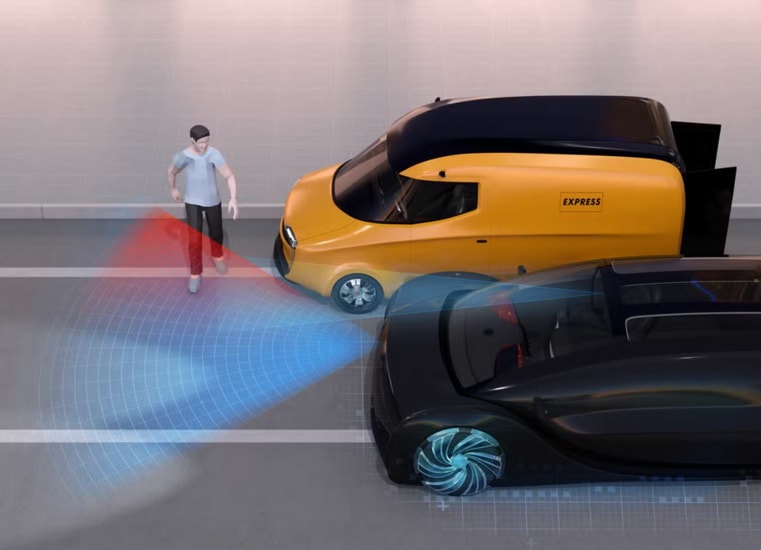
Blind spot monitoring and cross-traffic alert.
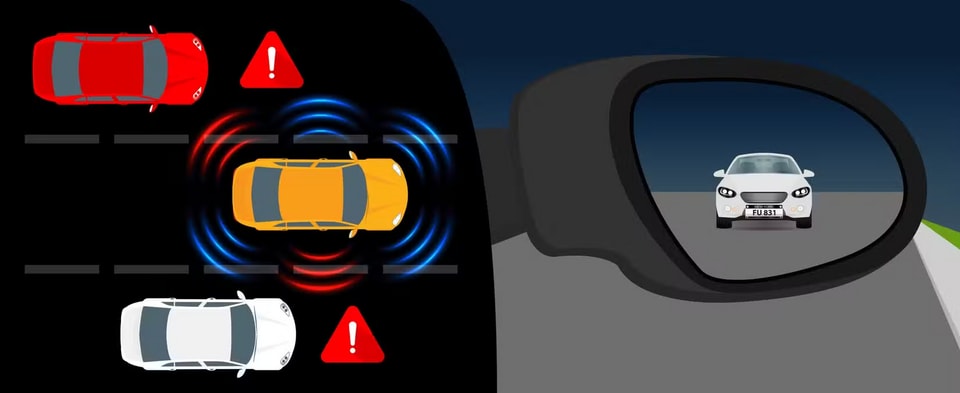
Blind spot monitoring systems detect vehicles outside the rearview mirror's field of view and provide timely warnings. This often includes a rear cross-traffic alert feature, helping drivers reverse out of parking spaces more safely when visibility is limited.
Smart amenities and connectivity
Wireless Apple CarPlay and Android Auto connectivity
The wireless integration of Apple CarPlay and Android Auto offers maximum convenience, eliminating the clutter of cables. Users can easily access maps, music, and contacts as soon as they get into the car. Currently, most new car models have begun standardizing this feature on mid-range and higher-end versions.

360-degree camera and parking assist sensors
The 360-degree camera system provides a panoramic view around the vehicle, making maneuvering in tight spaces easier. Combined with distance sensors, the driver can accurately identify curbs or obstacles, avoiding unnecessary damage to the vehicle body and wheels.
Over-the-air (OTA) software updates
In the era of smart cars, over-the-air (OTA) updates allow manufacturers to optimize systems or add new features without owners having to visit a dealership. This ensures that the car is always technologically up-to-date over time.
Enhance the user experience.
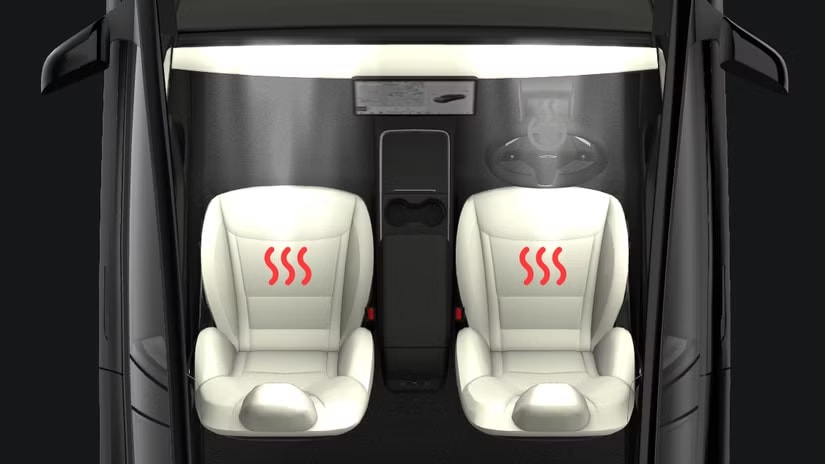
Seats and steering wheel have integrated heating/cooling functions.
Cabin comfort is a worthwhile investment. Heated seats and a heated steering wheel are invaluable on cold days. Conversely, seat cooling is extremely valuable in markets with hot climates, providing direct cooling relief for occupants in contact with leather seats.
Driver attention monitoring system
To ensure safety, advanced monitoring systems will track the driver's behavior and signs of fatigue. If drowsiness or distraction is detected, the vehicle will emit audio and visual warnings to remind the driver to take a break.

Digital instrument panel and head-up display (HUD)
Digital displays allow for customization of information to meet the driver's needs. In particular, the head-up display (HUD) helps drivers monitor speed and navigation without taking their eyes off the road, enhancing safety at high speeds.

Connected safety and emergency services
Systems like BMW Assist or similar platforms play a crucial role in severe accident situations. In the event of a major collision, the system automatically makes an emergency call to rescue centers, shortening response times and enabling rescue during critical moments.


