
Toyota will launch solid-state battery vehicles in 2027–2028.
Toyota has formed a joint venture with Sumitomo Metal Mining to produce cathode materials for solid-state batteries, aiming for commercial vehicles in 2027–2028. The technology promises faster charging and longer driving ranges.
Toyota announced plans to commercialize solid-state batteries for electric vehicles by 2027–2028, following a partnership with Sumitomo Metal Mining in a joint venture to mass-produce cathode materials. The announcement, made on October 8th, marks a new step for the Japanese automaker in the race to enhance the electric vehicle experience with faster charging times and longer ranges compared to current technology.
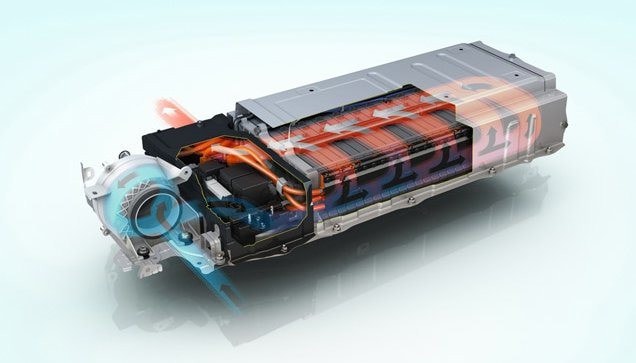
A strategic move with Sumitomo Metal Mining
According to a joint statement, Toyota and Sumitomo Metal Mining will mass-produce cathode materials for solid-state batteries, directly for Toyota's electric vehicle models. The two companies have been collaborating on research since 2021 and now confirm they have developed a "high-strength cathode material" for practical applications. Technical details of the new material have not yet been released.
Securing a reliable source of cathode materials is crucial for large-scale production of solid-state batteries. This is one of the key components that determines the energy storage capacity and charge/discharge cycle life of the battery.
Solid-state batteries: safer, with the potential for higher energy density.
Unlike conventional lithium-ion batteries that use a liquid electrolyte, solid-state batteries use a solid electrolyte. Because liquid electrolytes are flammable, switching to a solid electrolyte reduces the risk of fire and explosion. At the same time, solid-state batteries have the potential to achieve higher energy densities, meaning they can provide longer range with the same battery capacity.
If implemented as planned, the dual benefits of safety and energy storage will make a significant difference for electric vehicles: charging times can be shortened and driving range significantly increased compared to current technology.
Industry trends and commercialization roadmap
Toyota plans to launch a new line of solid-state battery vehicles in 2027 or 2028. This timeline indicates that the development process has moved beyond the foundational research phase and is beginning to prepare for production.
Besides Toyota, many other automakers such as Honda, Nissan, BMW, and Volkswagen are also developing or collaborating on solid-state batteries. According to Inside EVs, many companies aim to introduce electric vehicles using solid-state batteries in the next few years.
Reference points from other companies
- Honda previously stated that it would begin producing solid-state batteries for electric vehicles capable of achieving a range of 620 miles (1,000 km) per charge by 2030; this figure was said to be potentially double the range of current high-performance electric vehicles.
- ProLogium, a manufacturer of ceramic batteries, last year unveiled a solid-state battery concept that can charge from 5% to 60% capacity in 5 minutes.
High-strength cathode materials: the key to going further.
A highlight of the collaboration between Toyota and Sumitomo Metal Mining is the new cathode material described as "highly durable." For solid-state batteries, material durability at the electrode-electrolyte interface is crucial for limiting capacity loss and ensuring a long lifespan. However, neither company has released details of the structure or composition, so the specific extent of the improvement cannot yet be determined.
Despite the lack of specifications, the statement focusing on mass production suggests the goal extends beyond the laboratory. If successfully implemented, this would lay the foundation for high-capacity battery packs, enabling long-range electric vehicles with faster charging capabilities.
What is clear, and what is yet to be announced.
- It's clear: Toyota and Sumitomo Metal Mining have formed a joint venture and are aiming for mass production of cathode materials for solid-state batteries; plans to launch solid-state battery vehicles in 2027–2028.
- It is clear: Solid-state batteries replace liquid electrolytes with solid electrolytes, thereby reducing the risk of fire and explosion and potentially achieving higher energy densities.
- Further details to be discussed include: the structure and specifications of the new cathode material; production capacity, battery capacity, charging speed, and the specific operating range of vehicles that will utilize this technology.
Key landmarks and information
| Mold | Content |
|---|---|
| October 8th | Toyota and Sumitomo Metal Mining announce joint venture to produce cathode materials for solid-state batteries. |
| 2021 | The two sides began researching materials for solid-state batteries. |
| 2027–2028 | Toyota plans to launch a vehicle using solid-state batteries. |
| 2030 | Honda aims for a range of 620 miles (1,000 km) per charge with its solid-state battery. |
| Last year | ProLogium announces concept of charging 5% to 60% in 5 minutes. |
Conclusion: The solid-state race enters its acceleration phase.
Toyota's partnership with Sumitomo Metal Mining marks another step forward in its solid-state battery roadmap, aiming for commercialization by 2027–2028. While technical details remain undisclosed, the focus on mass production of "high-strength" cathode materials and potential advantages in safety and energy density suggest this technology is moving closer to commercial vehicles. The entire industry is accelerating, with milestones from Honda and fast-charging concepts from ProLogium signaling a clear phase of technological competition in the coming years.


