
Ho Chi Minh City is promoting investment in a high-speed railway line connecting Can Gio.
The Ho Chi Minh City People's Committee has just directed the acceleration of procedures related to the Ho Chi Minh City - Can Gio high-speed railway project, under the form of investment not using state budget funds.
Vice Chairman of the Ho Chi Minh City People's Committee, Bui Xuan Cuong, instructed the Department of Finance to urgently urge the investor to complete the investment proposal dossier.Ho Chi Minh City - Can Gio high-speed railway lineand report to the People's Committee of Ho Chi Minh City in July 2025.
In addition, the Department of Finance is tasked with leading and coordinating with the Department of Construction and other relevant units to review legal regulations in the railway sector, and to advise on investment procedures and processes for projects proposed by investors under the socialized model, without using the state budget.
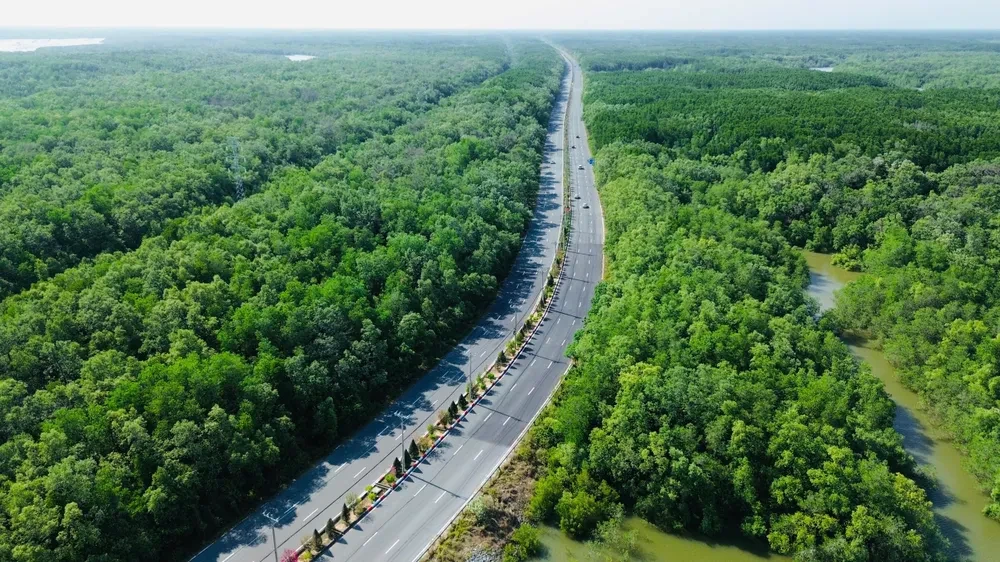
The project was proposed by the investor and funded directly.
Previously, on June 2, 2025, the Department of Finance held a meeting with relevant departments and agencies, along with Vingroup and VinSpeed High-Speed Railway Investment and Development Joint Stock Company - the two entities proposing to implement the high-speed urban railway line connecting Ho Chi Minh City and Can Gio.
At the meeting, the investor expressed their desire to invest directly with their own capital, without using state budget funds, in accordance with current investment regulations. After receiving feedback from relevant departments, the Department of Finance requested the investor to promptly complete the investment dossier and submit it to the Department for consideration and appraisal of the project in accordance with the law.
Currently, the investor is in the process of finalizing the project proposal. Upon receiving the complete dossier, the Department of Finance will conduct an investment appraisal process, which will serve as the basis for reporting to the Ho Chi Minh City People's Committee.
The project is expected to be a breakthrough in urban transportation infrastructure, contributing to the socio-economic development and coastal tourism of Can Gio district – the only area of Ho Chi Minh City bordering the sea, with development potential but limited infrastructure connectivity.


