
Ho Chi Minh City proposes banning artists who deviate from established norms, and public opinion supports the proposal.
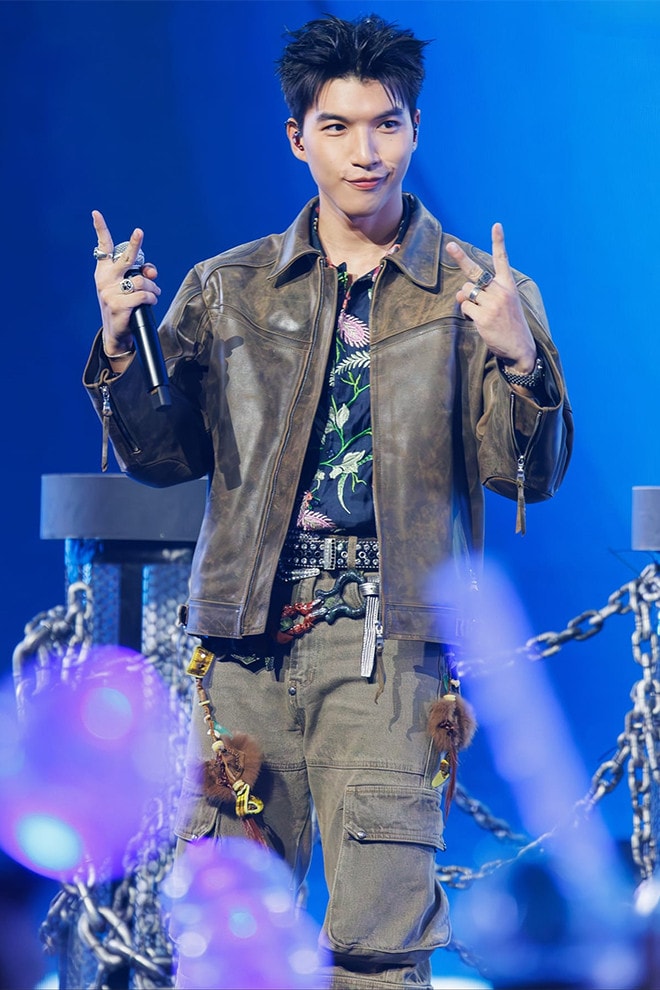
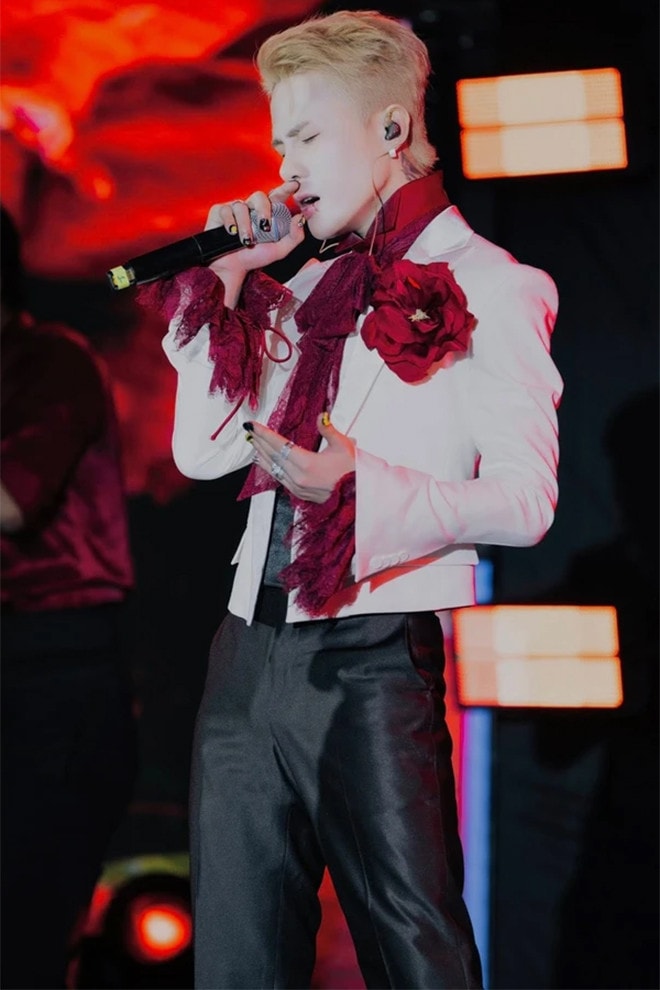
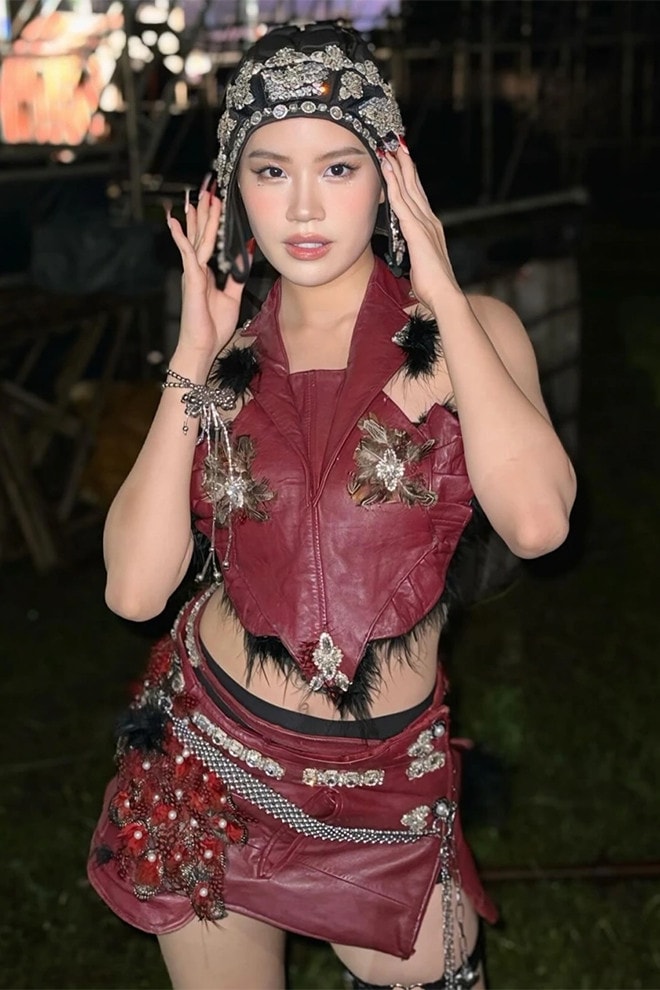
Following the official document from Ho Chi Minh City naming Jack, HIEUTHUHAI, and Pháo, the online community demanded stronger measures and proposed a nationwide broadcasting ban to protect young people.
A drastic move to reform the culture.
The Propaganda and Mass Mobilization Department of the Ho Chi Minh City Party Committee has recently issued a document requesting relevant agencies to strengthen management and rectify musical activities that show signs of deviating from cultural norms. Notably, the document requests consideration of not inviting artists whose compositions, behavior, or speech violate Vietnamese customs and traditions to participate in events and festivals organized by the city.
This move stems from concerns about the negative impact some music products, particularly in the rap genre and songs circulating on social media, are having on young people. Many artists have been specifically named, including Jack, HIEUTHUHAI, Pháo, Gducky, CLME, DSK, Andree, Bray x Đạt G, and Andree x Bình Gold, for using language deemed careless, offensive, and even promoting a dissolute lifestyle.
Public opinion is strongly supportive.
Immediately after the announcement, public opinion expressed strong support, considering it a necessary step to protect national cultural values. On various media platforms, many readers argued that this measure should have been implemented long ago.
Propose stricter penalties.
Many opinions went beyond mere support and even suggested harsher forms of punishment. Popular comments called for a "permanent ban" or a "nationwide broadcasting ban" instead of just limiting it to events in Ho Chi Minh City. Reader Phan Hoai Thu argued that for artists who are idols of young people, the punishment should be even stricter, and if they reoffend, they should be completely banned from broadcasting.
Some opinions go even further, suggesting that the artist title should be revoked from individuals whose actions and products have a negative impact on society. Reader Dinh Huy emphasized that cultural management agencies need to impose strict penalties to prevent this situation.
Protecting young people and learning from international experience.
The community's biggest concern is the impact of "deviant" products on the younger generation. Many worry that the unrestrained lifestyles promoted in these songs will negatively affect the character development of teenagers.
In addition, some readers have compared the situation to the artist management model in other countries, especially China. Reader Thuy Tram pointed out that in China, artists involved in scandals or deviant behavior can be "blacklisted" (banned from all platforms), leading to the destruction of their careers. Many believe that Vietnam needs to learn from and apply measures that are sufficiently deterrent, instead of just imposing symbolic administrative penalties.
Overall, Ho Chi Minh City's proposal has opened up a broad discussion about the responsibilities of artists and the role of management agencies, with the common goal of building a healthier cultural and artistic environment.


