
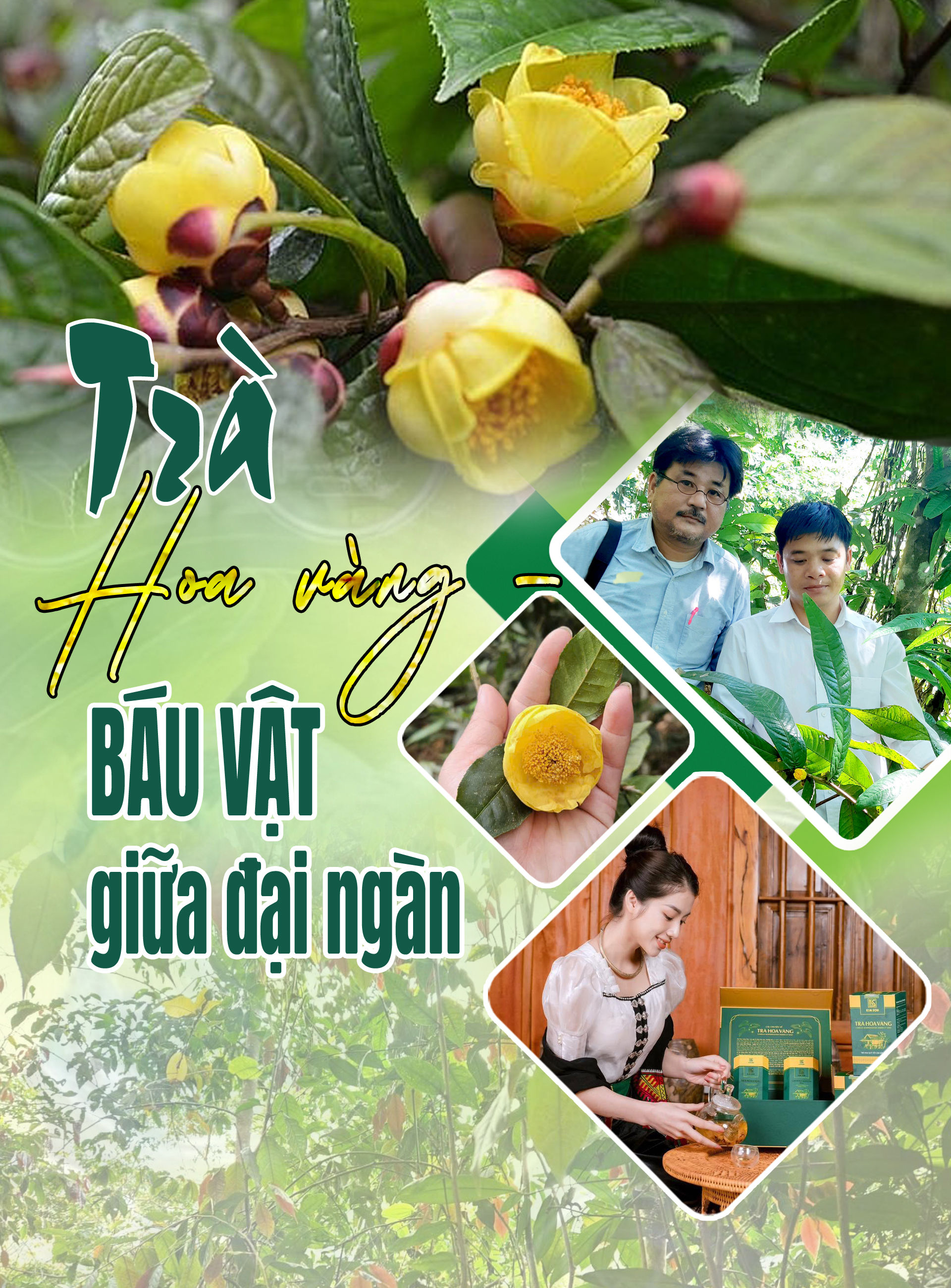
Golden flower tea - A treasure in the heart of the forest
Nestled beneath the lush green forests of the Nghe An border region, golden flower tea has long been a product deeply intertwined with the lives of the mountain people. From a naturally growing plant, these golden flowers are gradually becoming a valuable commodity, opening up new livelihood opportunities for the people. However, to fully exploit its potential, preserve its precious genetic resources, and build a worthy brand for this "royal tea" of Nghe An, much work remains to be done.
Quang An/Present:Hong Toai •15/11/2026
*****
Nestled beneath the lush green forests of the Nghe An border region, golden flower tea has long been a product deeply intertwined with the lives of the mountain people. From a naturally growing plant, these golden flowers are gradually becoming a valuable commodity, opening up new livelihood opportunities for the people. However, to fully exploit its potential, preserve its precious genetic resources, and build a worthy brand for this "royal tea" of Nghe An, much work remains to be done.
As the year draws to a close and the weather in western Nghe An begins to turn chilly, the forests in the border region of Thong Thu commune enter the season of blooming golden camellia flowers. Beneath the dense forest canopy, amidst layers of bushes and vines, the golden blossoms silently unfurl.
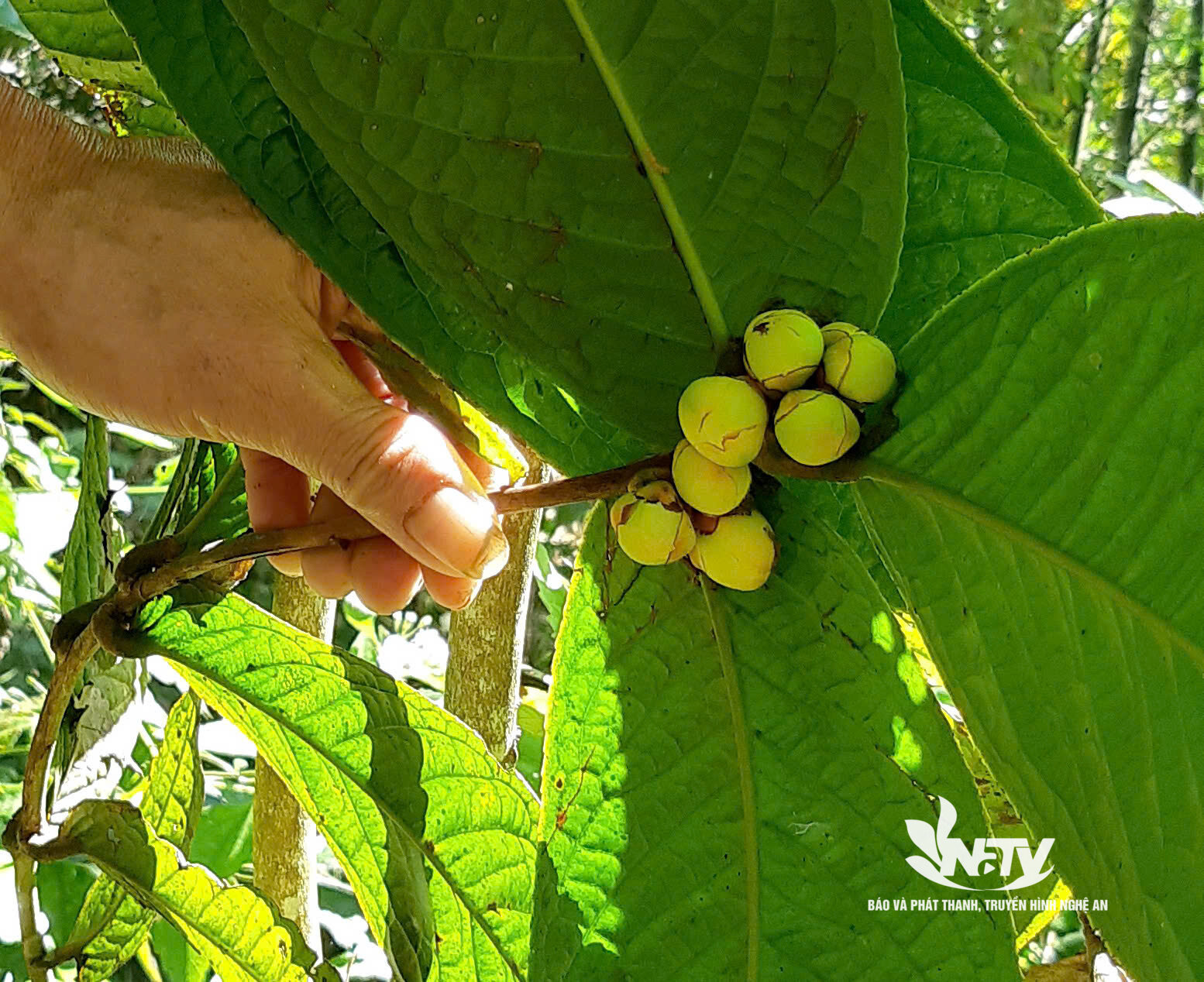
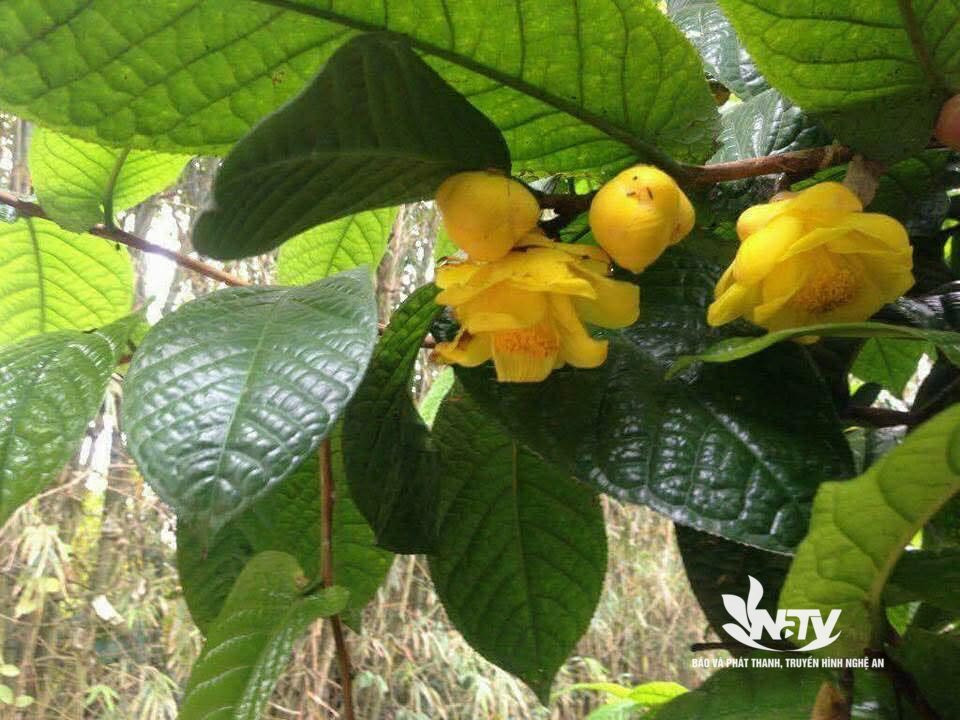
Few people know that, before becoming widely sought after, the golden flower tea plant was once a familiar sight to the people in the highlands. Some people picked the flowers to soak in alcohol or brew into a drink, while others used it as a wild vegetable. In 2012, the golden flower tea in the Que Phong region attracted the attention of researchers, who published scientific findings, opening up avenues for the conservation and development of this valuable local medicinal resource.
Golden camellia typically grows under the forest canopy, along streams, or on hillsides where humidity is high and there is plenty of dew. The plant commonly reaches a height of 2-3 meters and is distributed at altitudes ranging from a few hundred meters to nearly 1,000 meters above sea level. The harvesting season usually lasts from the end of the year to the beginning of the following year, which is also the time when people in the highlands take advantage of the opportunity to go into the forest to find and pick the flowers.
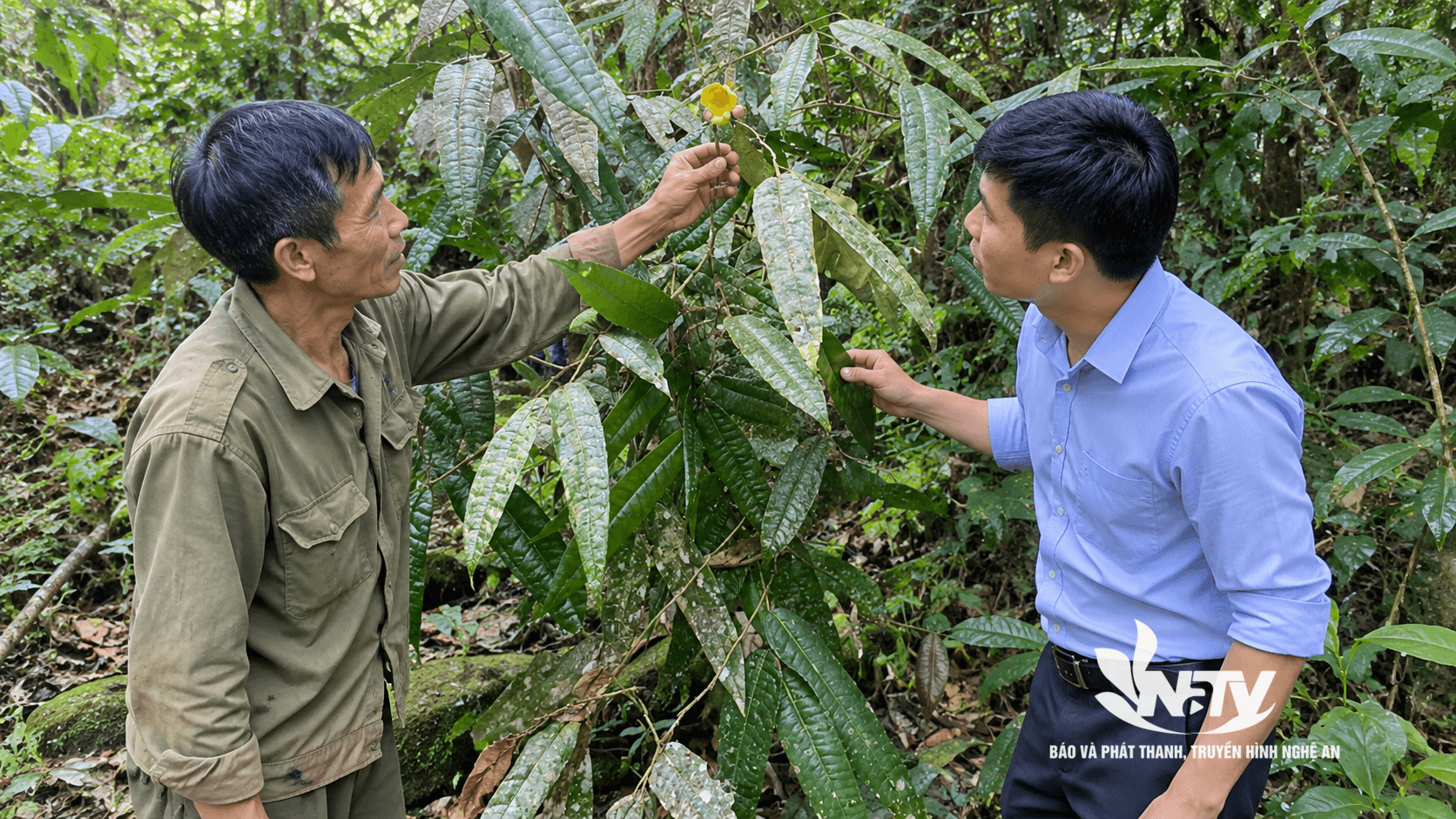
According to statistics, the former Que Phong district had over 200 hectares of golden camellia tea, of which Thong Thu commune alone had about 139.7 hectares, accounting for nearly 70% of the total area. The plants were mainly concentrated in the areas of Thong Thu, Dong Van, Tien Phong, Muong Ngoc, Hanh Dich and some neighboring areas.
For the local people, the season of golden camellia flowers is not simply a time to harvest wildflowers, but also an opportunity to earn extra income. In Huoi Dua village, Thong Thu commune, Mr. Ngan Van Hung has been familiar with going into the forest to find flowers for many years. Whenever the season arrives, he usually prepares bamboo tubes to hold the flowers, preventing them from being crushed during transport. The roads to the area where golden camellia flowers grow are quite difficult to navigate, and the plants are scattered under the forest canopy, so the harvest yield depends heavily on experience and luck.
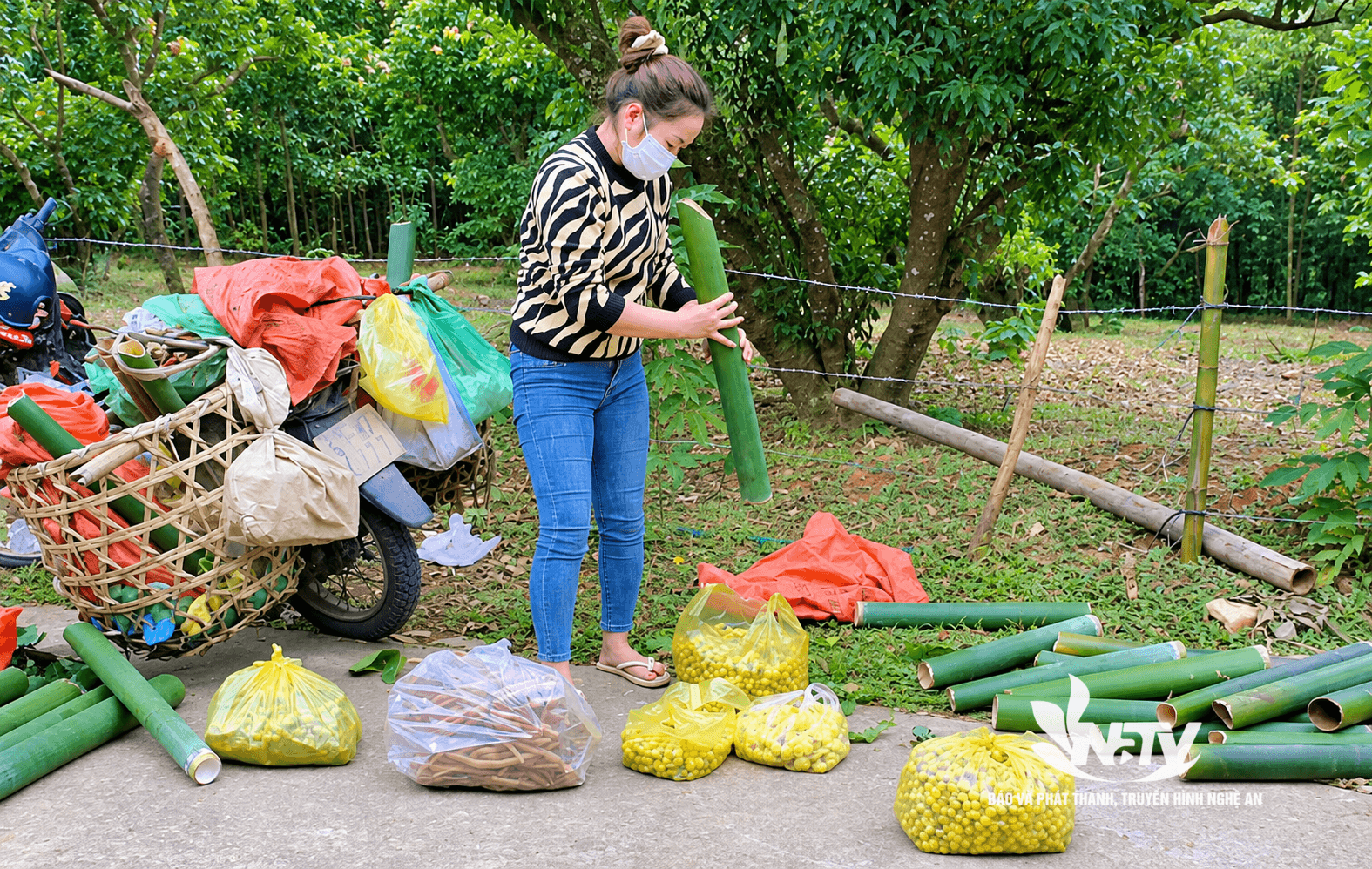
Some days, Mr. Hung harvests 2-3 kg of fresh flowers, but other days he only gets a few hundred grams. These flowers are brought back and sold to buyers, helping his family earn extra income to support their lives.
According to Mr. Ngan Van Tuan, head of Huoi Dua village, the golden camellia usually begins to bloom from the end of October and lasts until January of the following year. During the peak season, many households take advantage of the opportunity to go into the forest to harvest them, creating a significant additional source of income. However, because the plants grow naturally and are not evenly distributed, the yield varies among households.
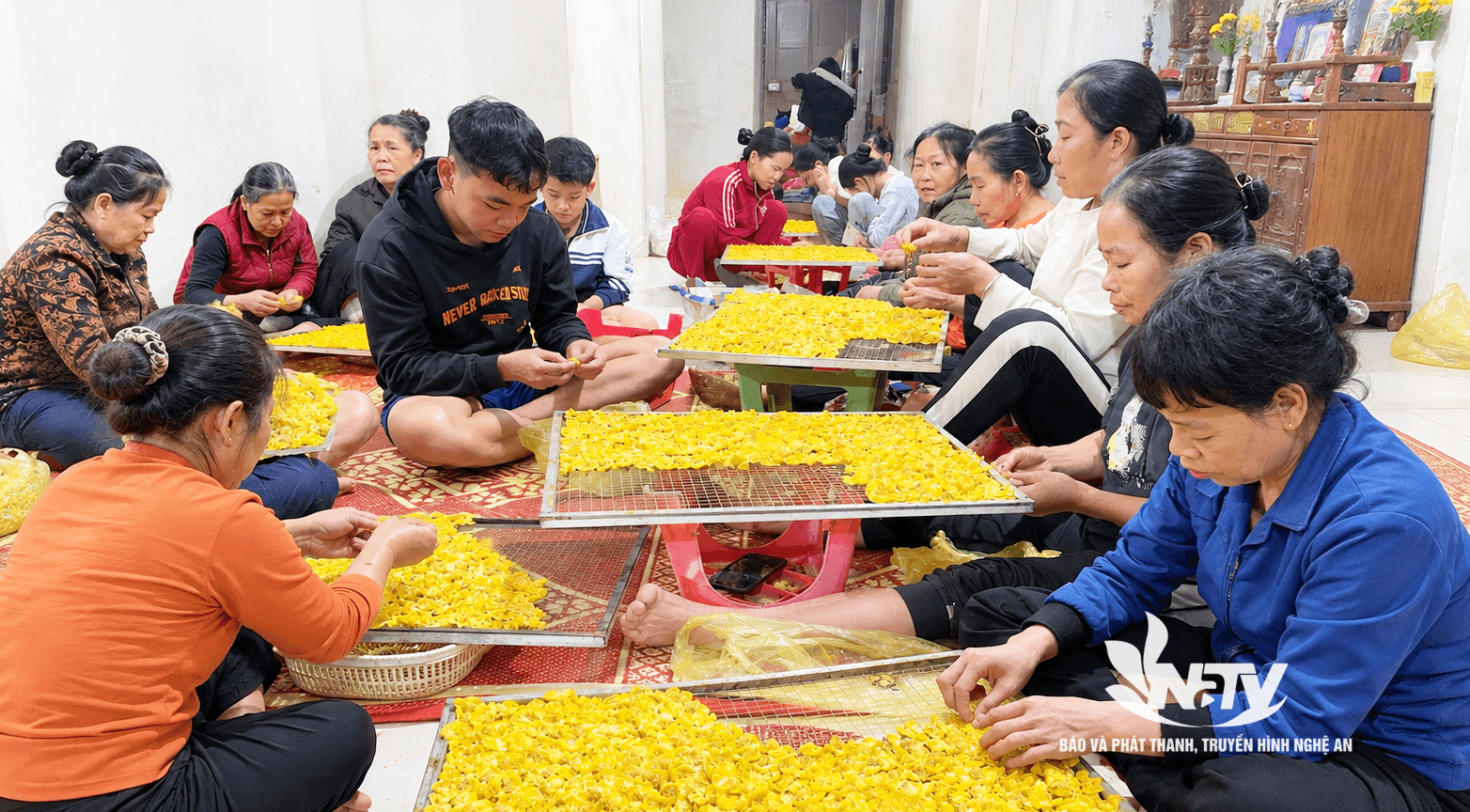
While camellia flowers were previously mainly sold fresh, some establishments have now invested in purchasing, processing, and drying them into tea. Behind those golden blossoms lies a production process that demands meticulousness and patience.
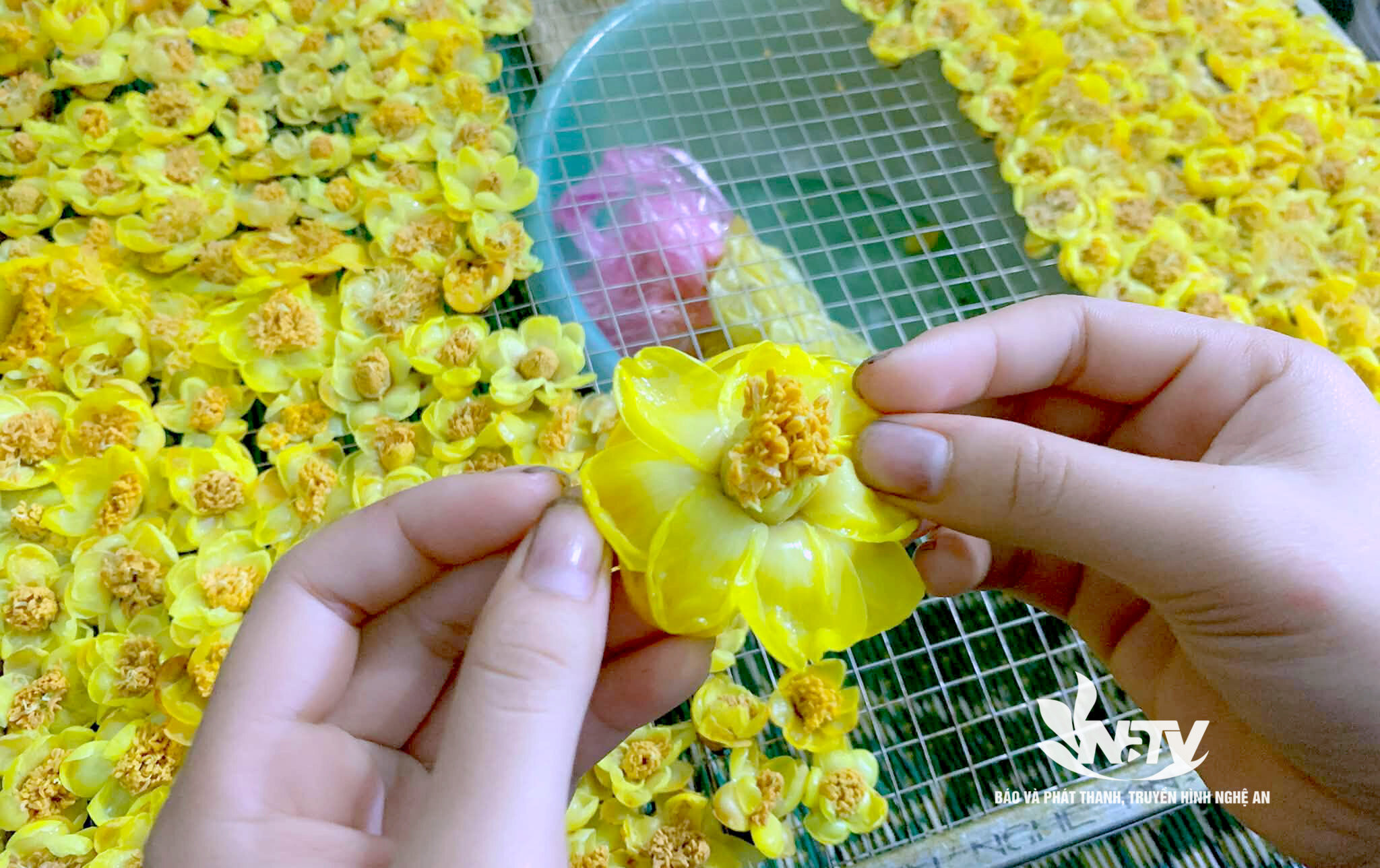
At the Mac Nga Golden Flower Tea Cooperative in Que Phong commune, purchasing and processing activities take place continuously during the harvest season. Ms. Mac Thi Nga, the cooperative's director, said that the facility buys flowers from local people at a price of about 160,000-200,000 VND/kg of fresh flowers. Each season, the amount of flowers imported is usually around 1 ton, providing regular employment for 6-7 workers.
After harvesting, the flowers are selected, cleaned, drained, and then each petal is carefully separated. This process requires skill because rough handling can cause the petals and stamens to fall off, affecting the appearance and quality of the finished product. The flowers are then dried using a suitable process.
The processing loss rate is quite high. On average, only about 1.4 kg of dried tea is obtained from every 10 kg of fresh flowers. According to Ms. Nga, the price of finished golden flower tea currently ranges from 2-3 million VND/kg, depending on quality. The cooperative is gradually perfecting its production process, developing OCOP products, and aiming to expand its market. Processing activities not only create outlets for local produce but also contribute to job creation for local workers, especially women in the highlands.
From local people's forest expeditions to the purchasing and processing activities of establishments, golden flower tea is gradually forming a value chain. However, the raw material source still largely depends on natural harvesting, posing an urgent need for conservation and sustainable development.
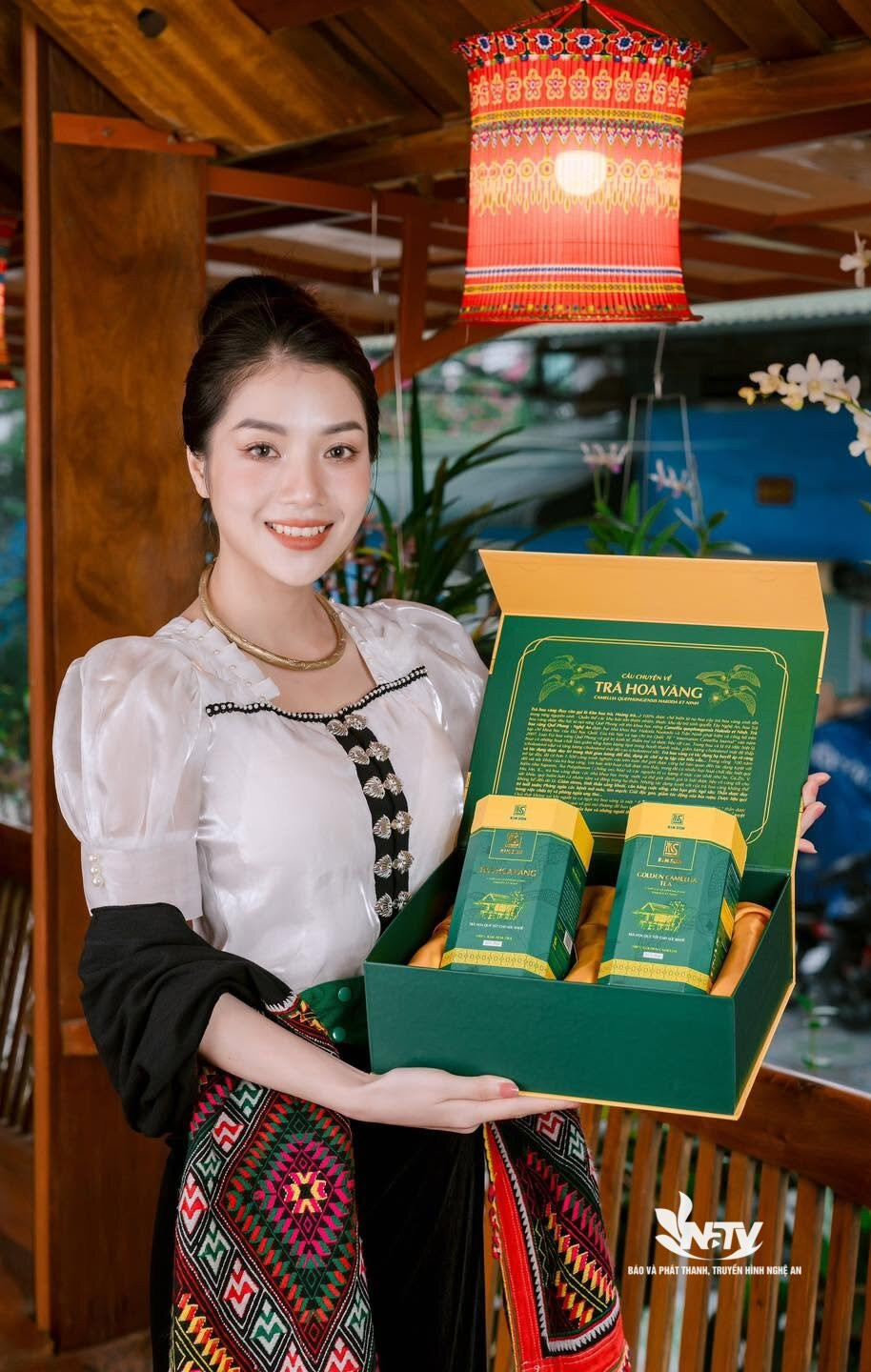
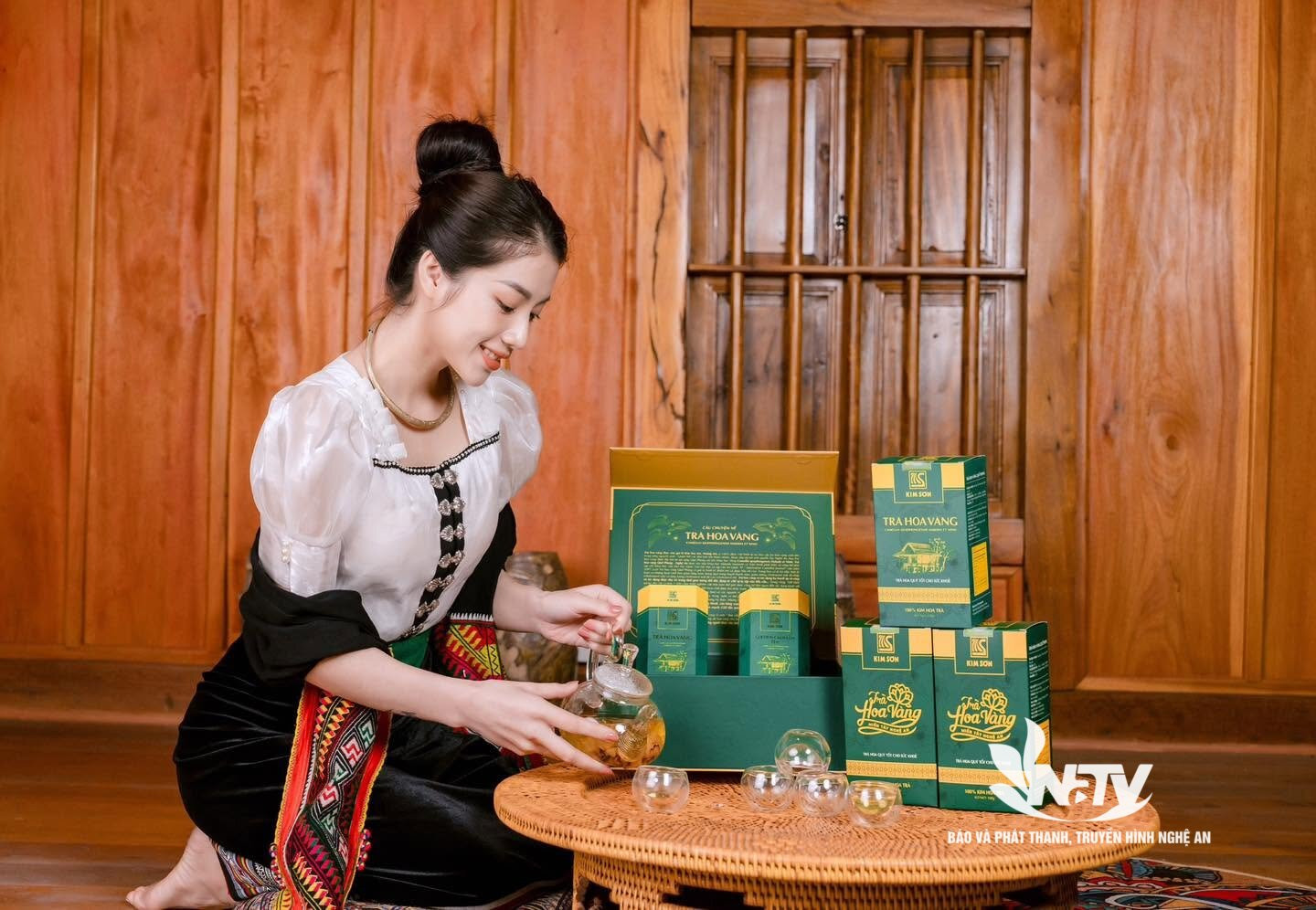
Despite its economic value and market interest, Nghe An's golden flower tea has yet to establish a position commensurate with its potential. This is a source of concern for local authorities and those involved in cultivating this specialty crop.
With nearly 139.7 hectares of golden camellia tea, Thong Thu commune currently has the largest area of golden camellia tea in the region, possessing advantages for developing this endemic medicinal plant, creating livelihoods for the people and forming a distinctive commodity product.
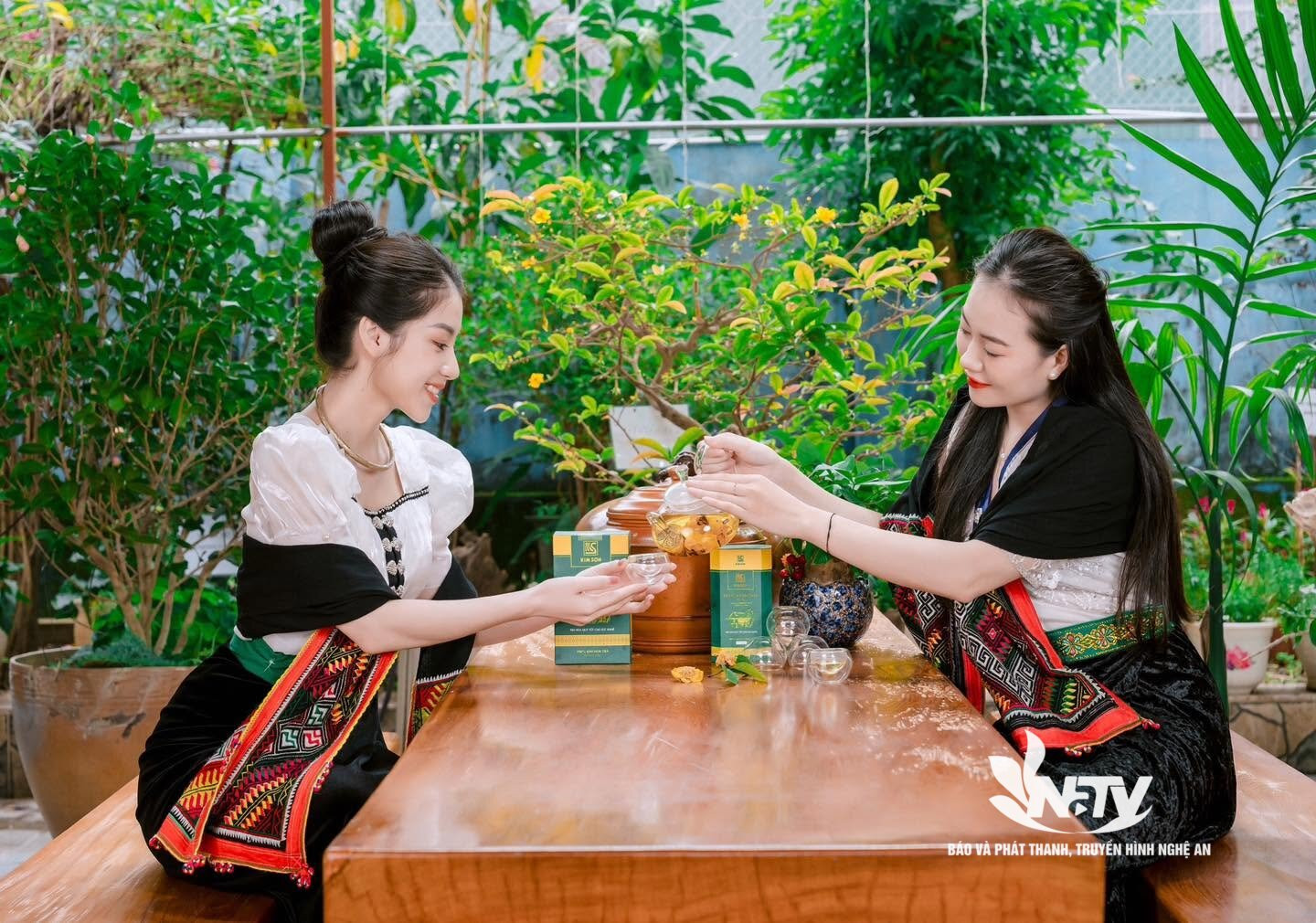
Mr. Bui Van Hien, Secretary of the Party Committee of Thong Thu commune, said: "The locality has many favorable conditions for developing golden flower tea, from its natural distribution area to the harvesting experience of the people. Previously, this product was developed into a district-level OCOP product. However, after the administrative unit reorganization, completing the dossier, reorganizing production, and building a brand for the Thong Thu raw material area still faces certain difficulties."
Furthermore, the value of Nghe An's golden flower tea is currently not high compared to some other localities. While in some provinces, dried golden flower tea can reach prices of up to 10 million VND/kg, in Nghe An the common price is only around 2-4 million VND/kg. This gap shows that the local product is still limited in processing, branding, and market access.
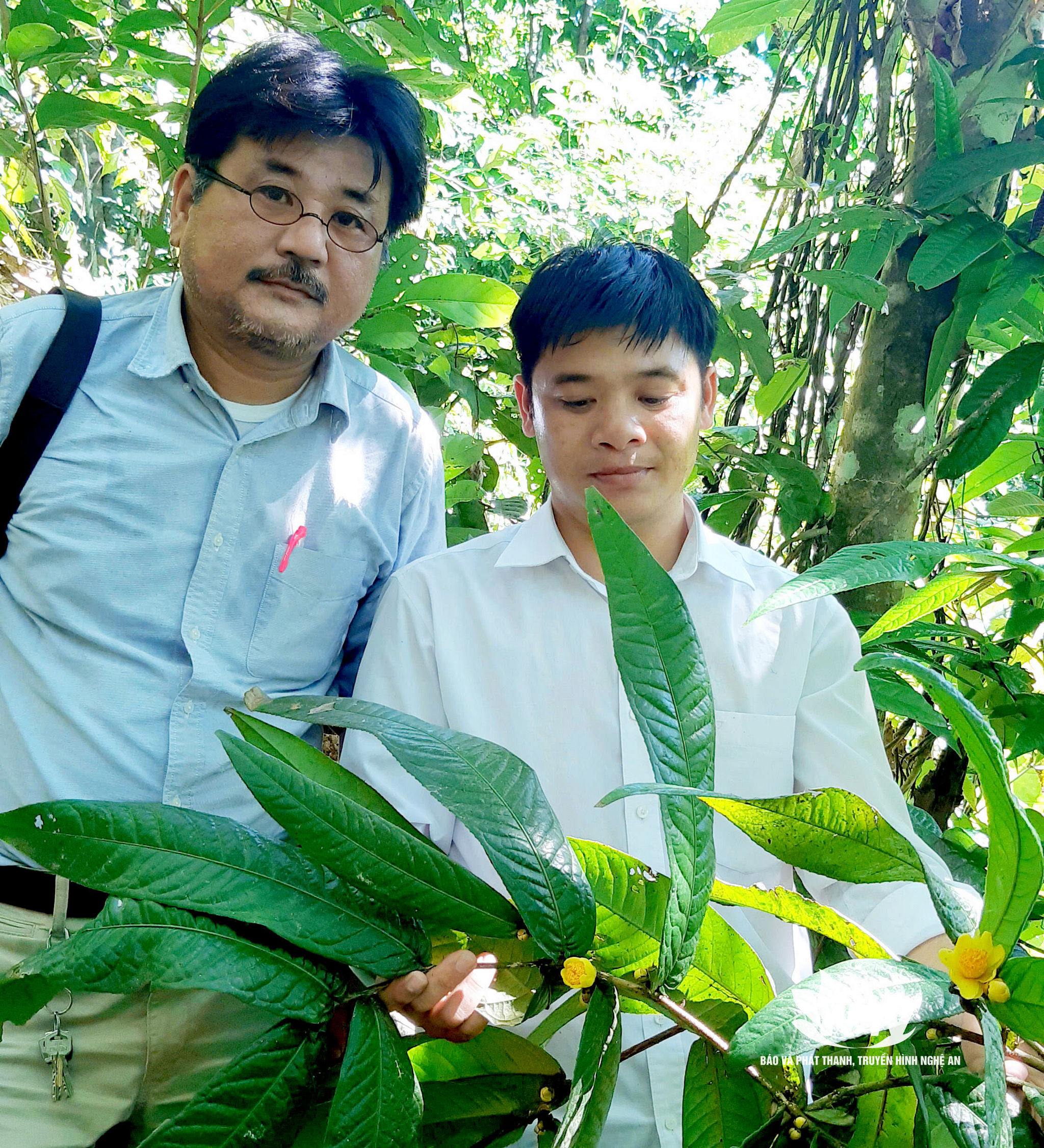
In reality, despite having a large raw material area and high-quality flowers that are in demand in the market, Nghe An's golden flower tea is still mainly consumed through small-scale purchasing agents and processing facilities. Its inclusion in distribution chains and supermarket systems remains limited. Promotional efforts have not been commensurate with its potential; and businesses also face difficulties in maintaining a stable supply of raw materials, investing in technology, and perfecting production standards.
Discussing this issue, Mr. Nguyen Tien Duc, Head of the Provincial Department of Crop Production and Plant Protection, said: In recent years, golden flower tea has affirmed its position as a valuable medicinal plant, possessing many advantages to develop into a characteristic product of Nghe An. In particular, the Que Phong and Quy Chau regions have suitable ecological conditions and a relatively large area of plant distribution, creating a foundation for the formation of concentrated raw material areas.
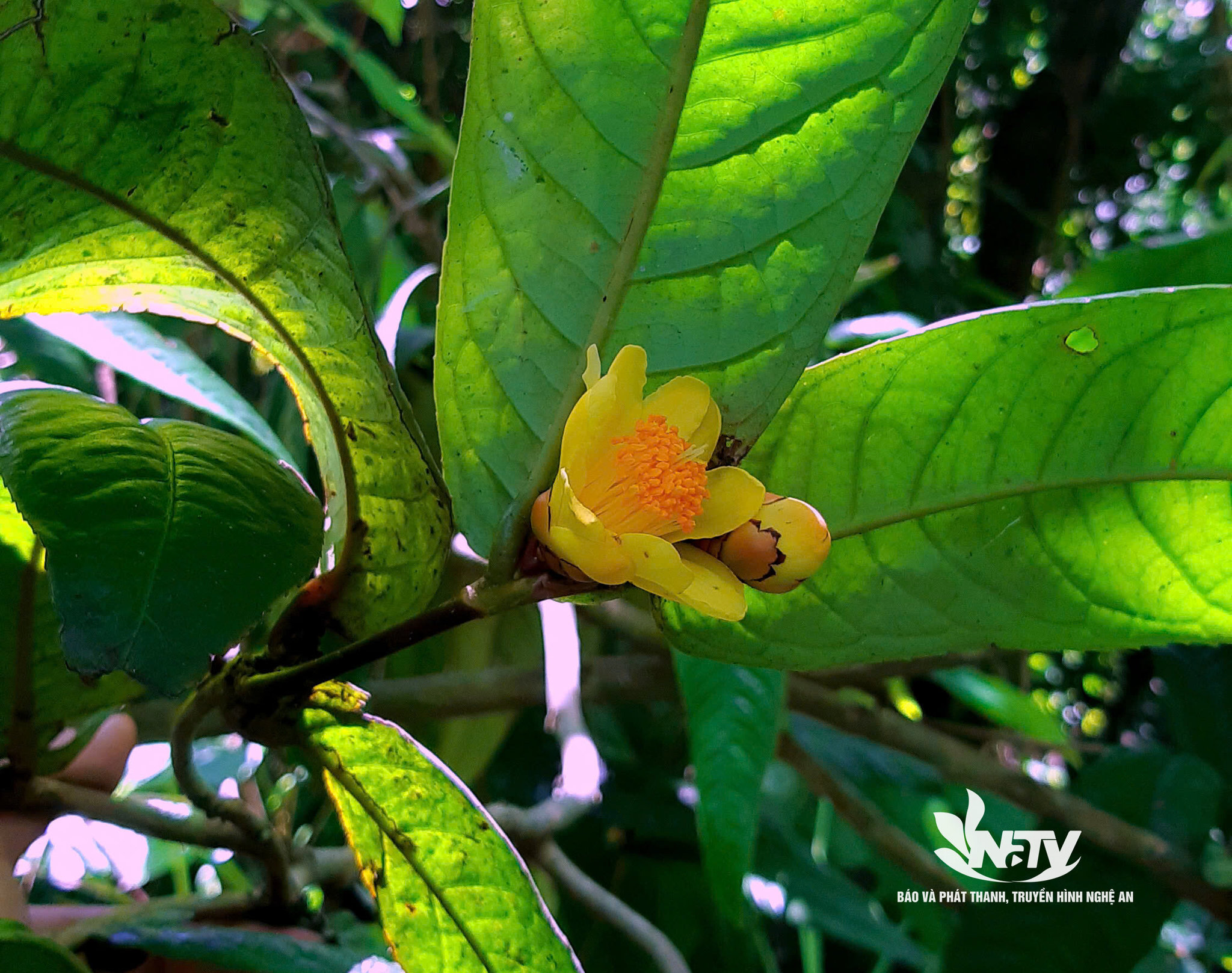
However, natural potential is only the initial condition; sustainable development requires a comprehensive investment strategy, from conservation and breeding to deep processing and brand building.
According to Mr. Duc, in recent years, Nghe An province has researched and implemented scientific projects aimed at evaluating and preserving genetic resources, supporting propagation, and perfecting the development process of golden flower tea. This provides a basis for expanding the planting area, ensuring a reliable source of raw materials, and gradually reducing dependence on natural harvesting.
Another crucial requirement is the reorganization of the production and processing chain. Businesses and cooperatives should be encouraged to invest in processing, packaging, and other facilities with appropriate technology; at the same time, strengthening the links between growers, harvesters, purchasing units, and production facilities is essential. When raw materials are traceable and the quality of finished products is consistent, added value will be increased instead of primarily consuming raw flowers or semi-processed products.
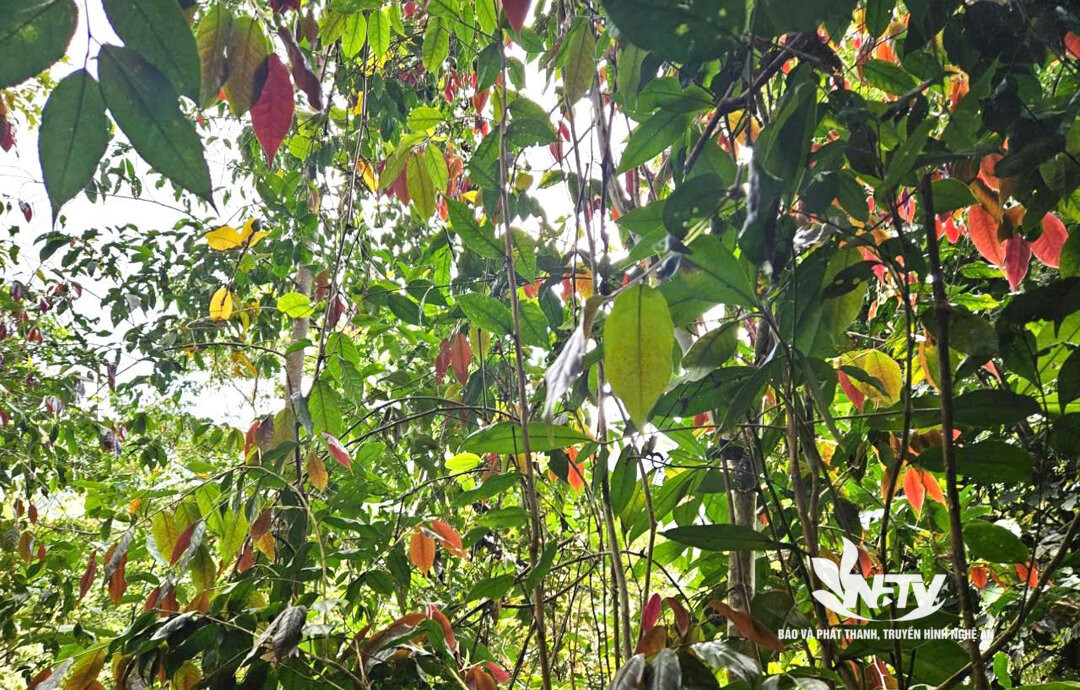
In particular, the development of raw material areas must be linked to the conservation of forest ecosystems. Golden camellia grows naturally under the canopy of trees, so protecting the forest is also preserving the habitat of this valuable plant species. It is necessary to limit destructive exploitation, cutting down trees for flowers or digging up roots for sale, and at the same time encourage people to cultivate, protect, and replant to maintain the genetic resources.
For "royal tea" to truly become a specialty brand of Nghe An, a coordinated effort from specialized agencies, local authorities, businesses, cooperatives, and the people is needed. By preserving the raw materials well, organizing the processing stage efficiently, and building a competitive brand, these golden flowers amidst the mountains will not only be a gift from the mountains but also become a sustainable economic product for the border region of Nghe An.


