
Tran Dai Thang - Book illustrator
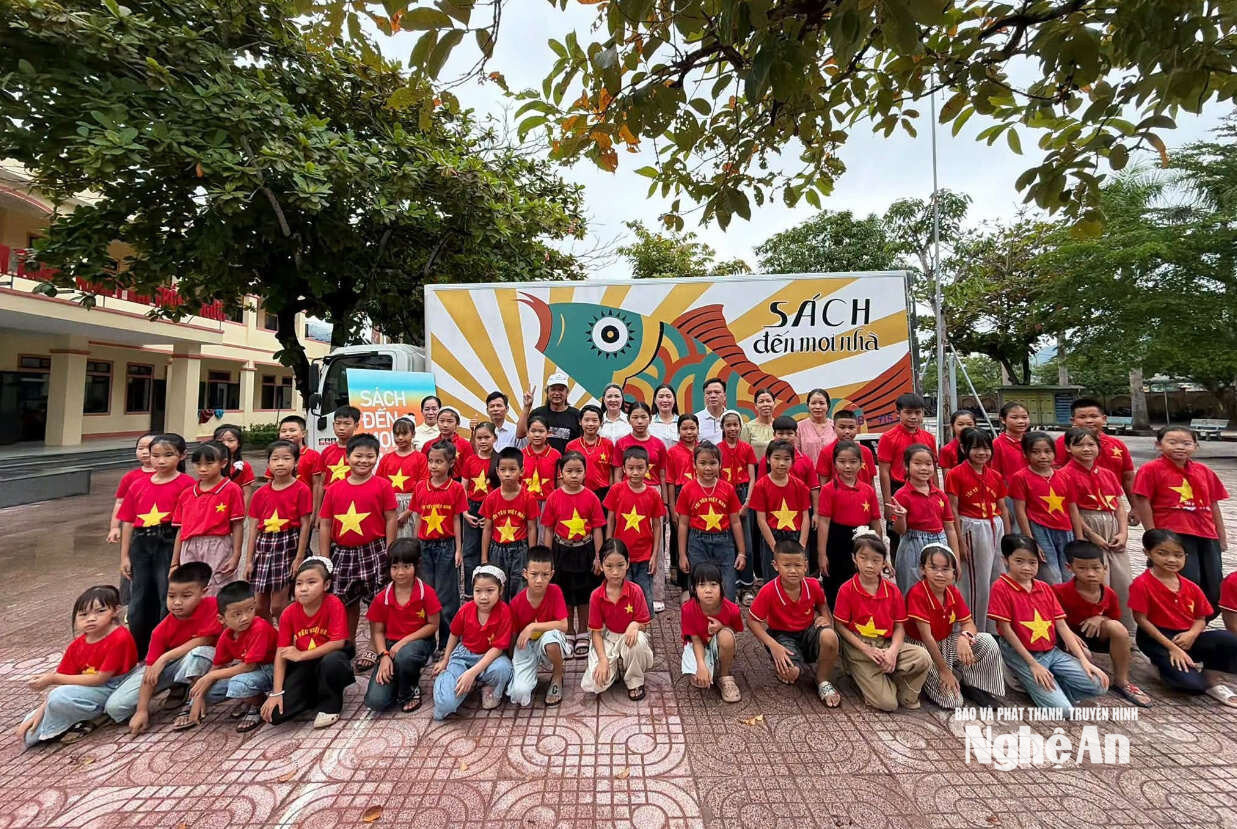
During a stop in Nghe An on the "Books to Every Home" initiative, I was fortunate enough to meet someone I had admired through the covers and limited and special editions of Dong A Books. From readers waiting for books in Vinh City after a major flood on September 19, 2026, the story took us back to the mountain boy who secretly went to Hanoi to buy books years ago…
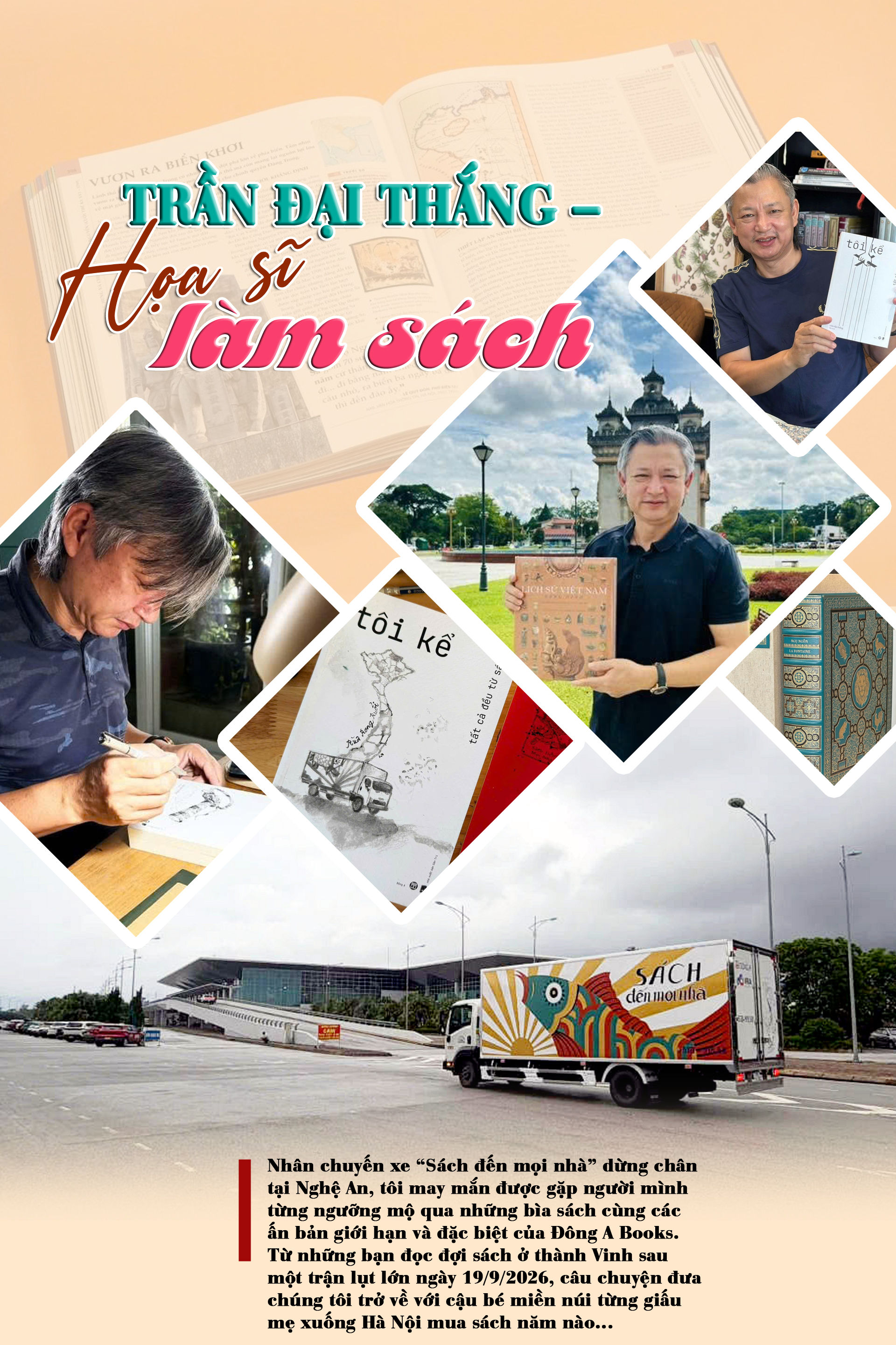
Content:Le Trang/Present: Hong Toai •24/10/2026
*****

From the children of Nghe An waiting for the "Books to Every Home" bus after the great flood, the story takes us back to his childhood in a mountainous commune in Hoa Binh province. "I loved books before I knew how to read," the artist recounts. When letters were still unfamiliar, the drawings kept young Tran Dai Thang glued to the pages. He would flip through books, look at the pictures, and as he grew older, he would doodle all over the pages he owned. His fascination with images and words grew together like that, even before he knew he would study art and make a living publishing books.

"Buratino and the Golden Key" was the first book he ever owned. To buy it, his mother cycled him from Ky Son district to Hoa Binh town, which was then part of Hoa Binh province. Years have passed, but recalling that trip with his mother still moves him deeply, especially with the story of the wooden boy.
“My childhood, filled with a love for books, was full of stories…” he smiled. In the memory of a 7-8 year old boy from the mountains, across the Da River, there was a Soviet expert's quarters at the Hoa Binh hydroelectric project. That boy spent his days wandering to the bookstore for the experts, captivated by the Russian books even though he didn't know the language… Oh, what a different world it was!
At the age of 14 or 15, driven by his love of books, the boy took a risk, venturing onto the highway and catching a bus for about seventy kilometers to Hanoi, searching for books on Trang Tien Street. At home, his mother only knew he had asked to go out with friends. When he returned in the evening, the books had to be hidden, because revealing them would mean the secret trip would be discovered.
Back then, I read every book I could get my hands on: "I was always afraid when the pages I hadn't read were getting thinner and thinner, because I knew the story was about to end." That feeling of regret, anyone who loved books as a child would understand—wanting to know what would happen to the characters, yet not wanting to leave them too soon. His childhood book-loving experiences made me imagine more clearly the joy he felt when he saw the young people of Nghe An waiting for books. In their excitement, he seemed to see himself again, the boy from years ago who traveled long distances just to bring home a few books.
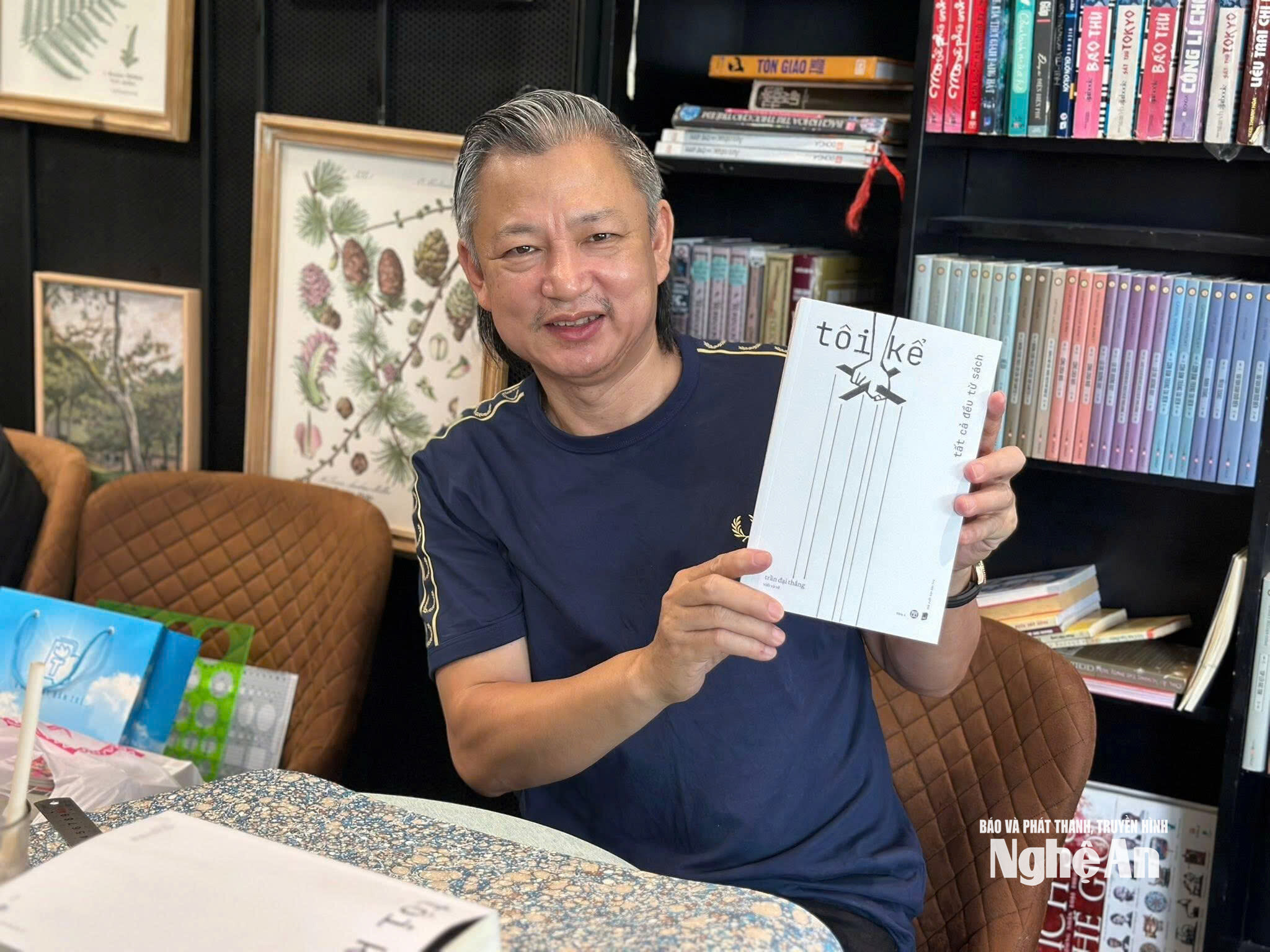
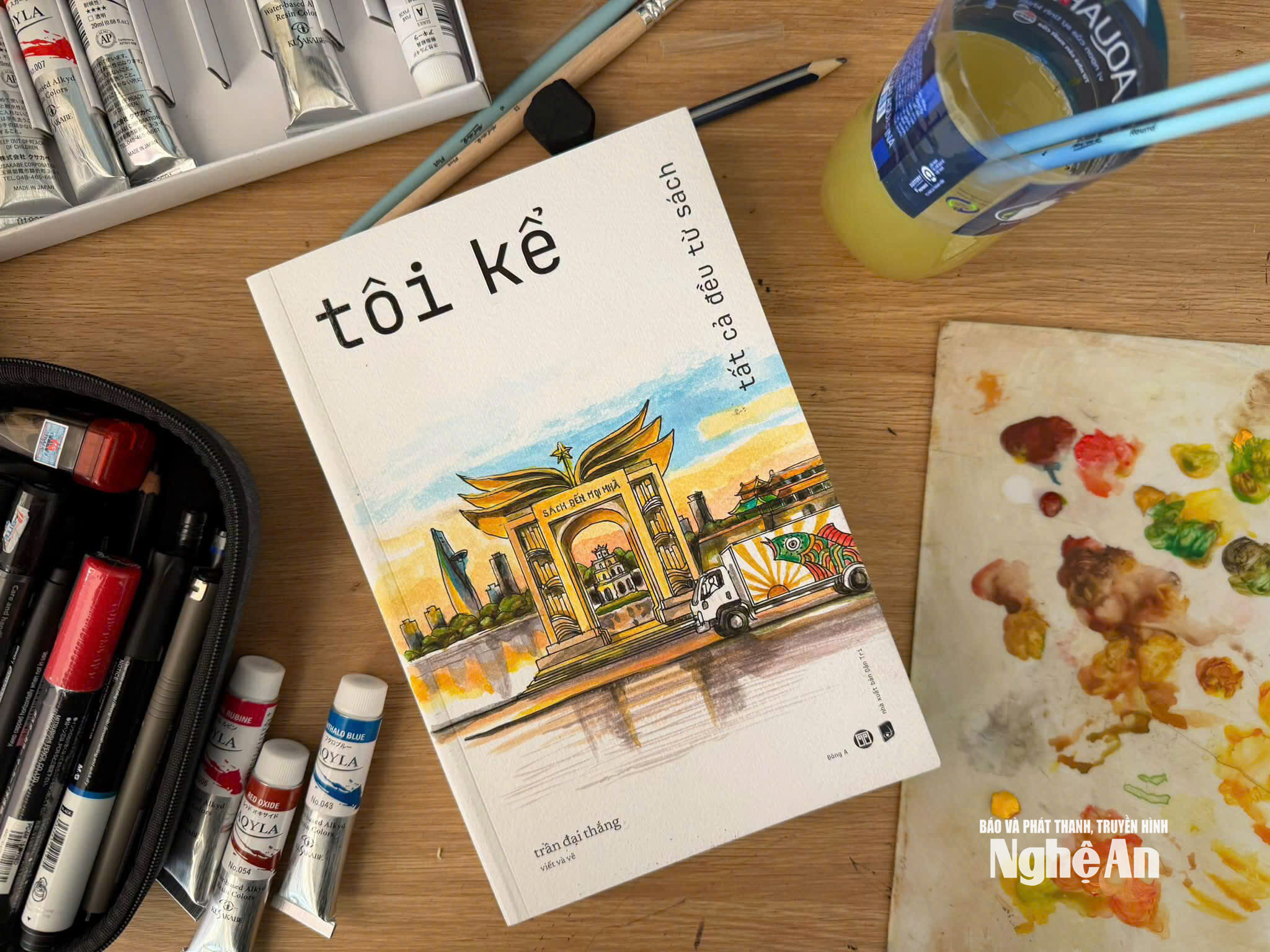
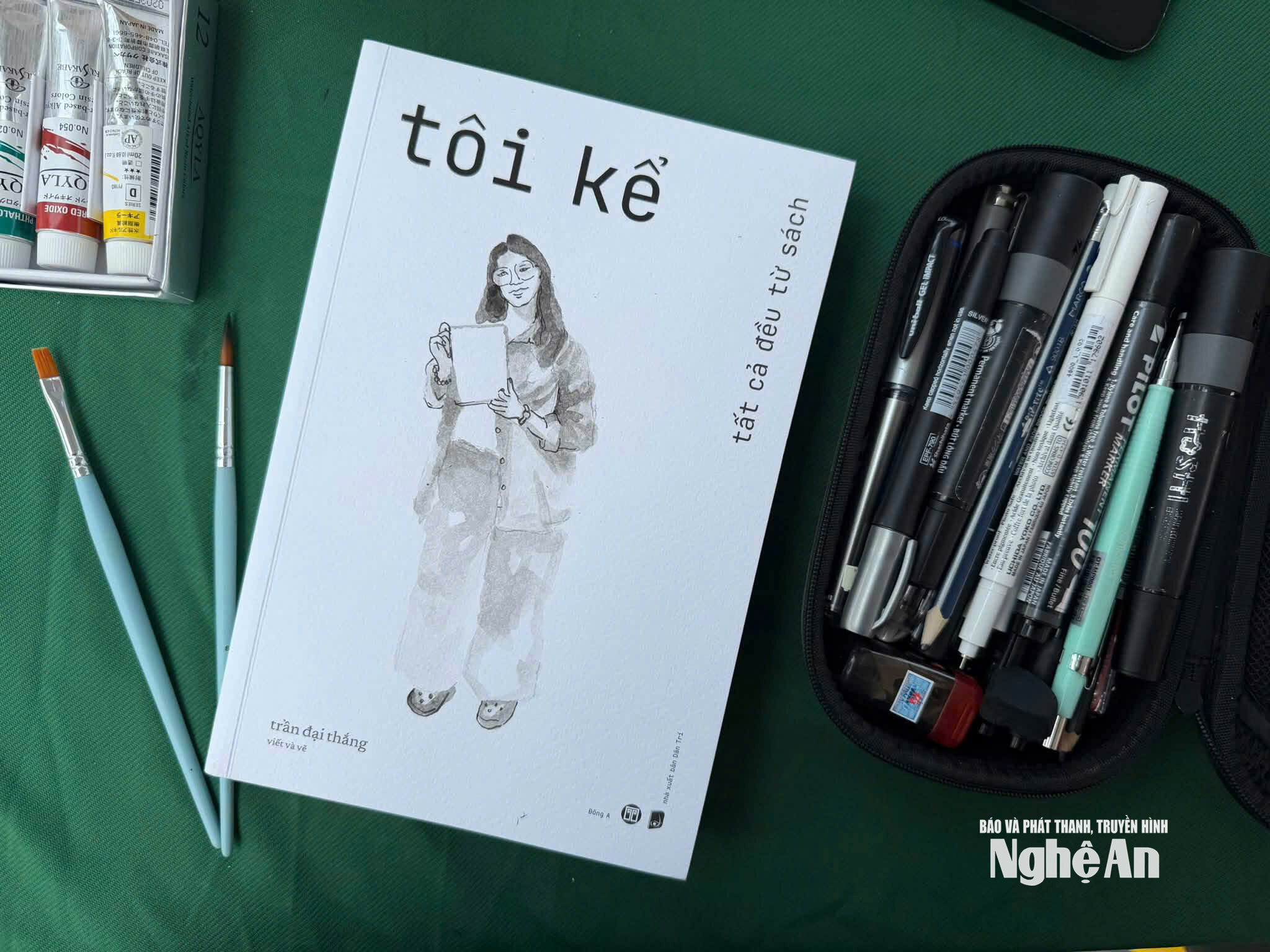
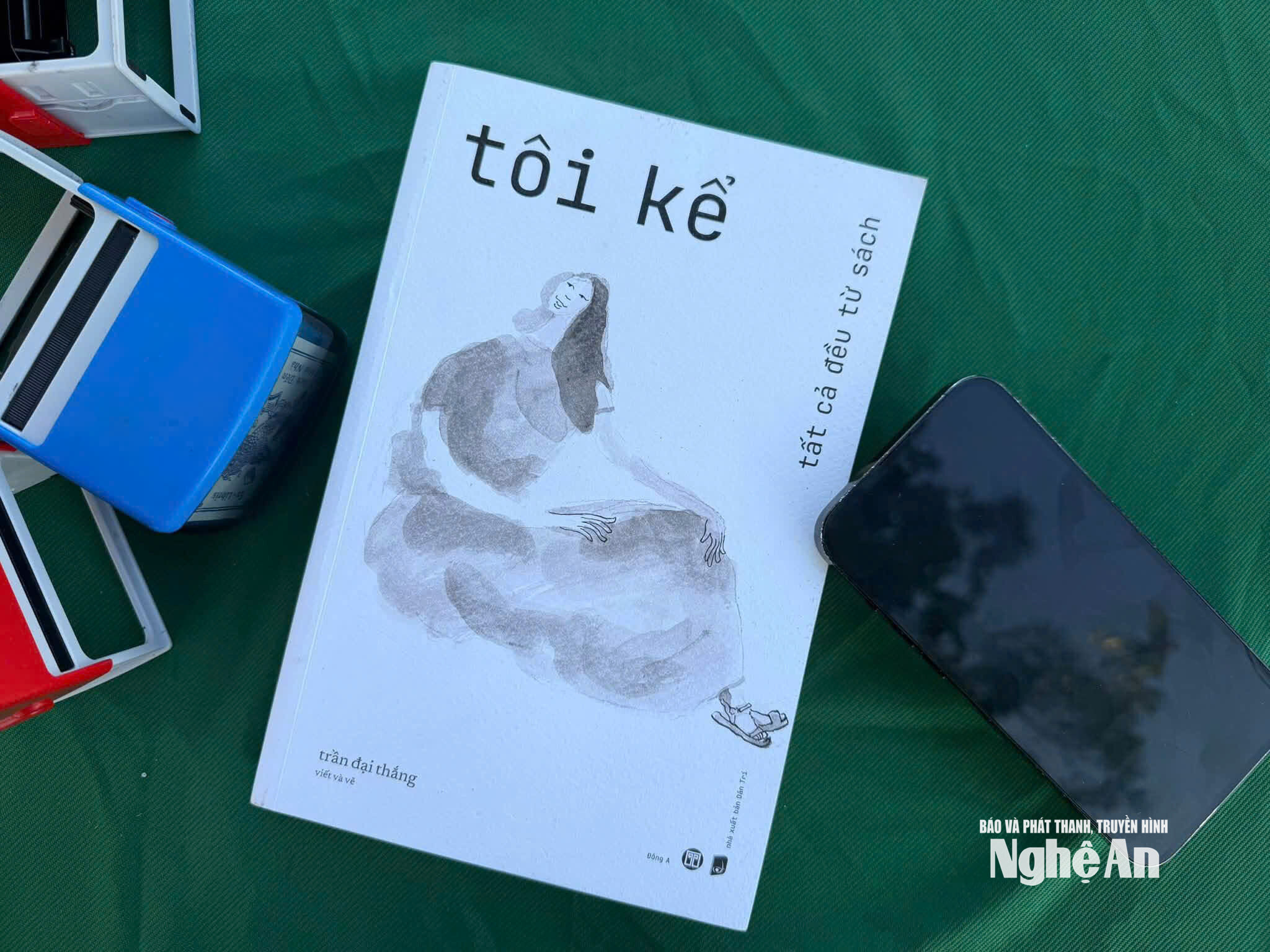
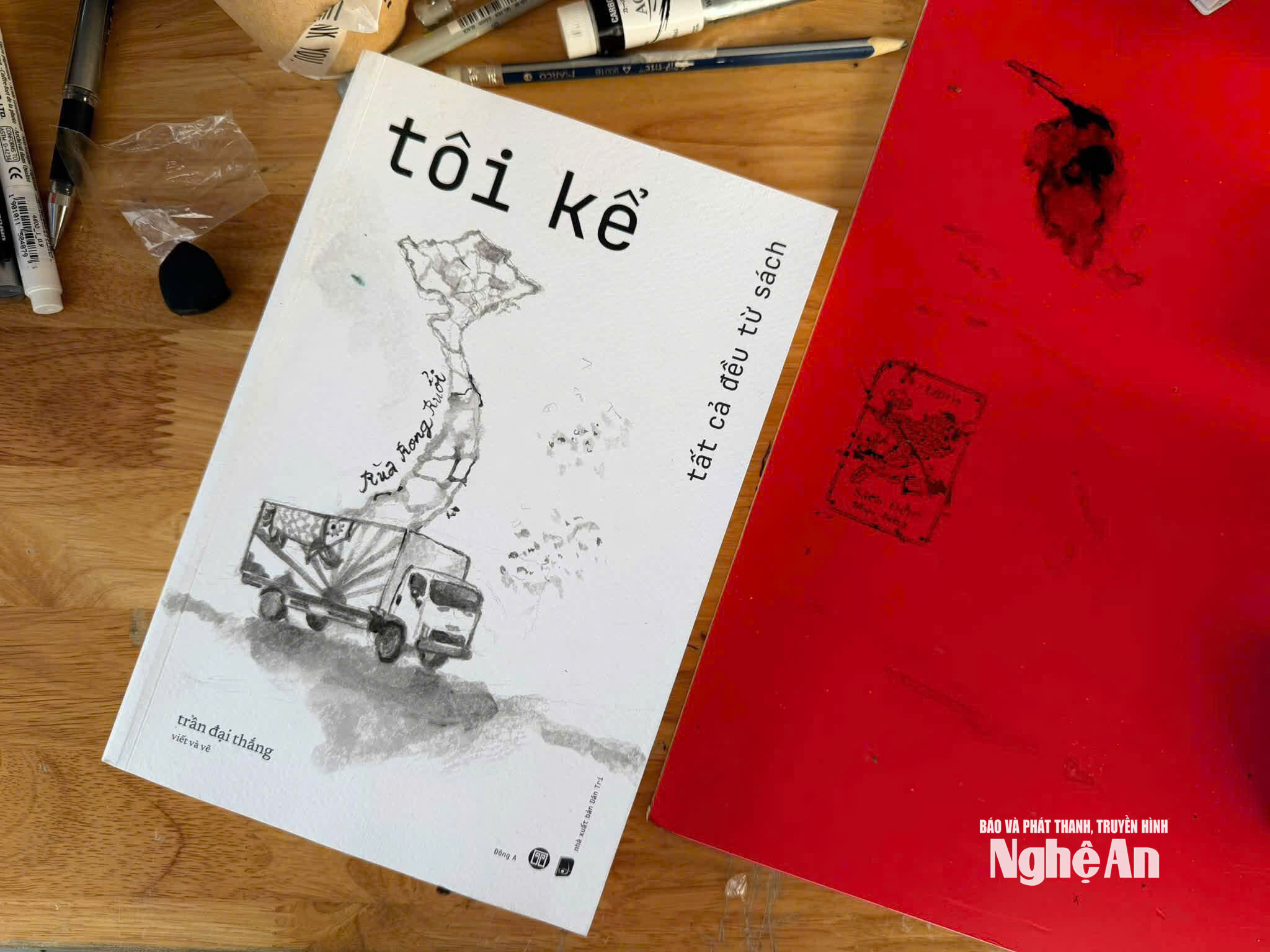
For him, books have allowed him to live many lives, explore uncharted territories, and imagine characters in his own way—a way no other art form could convey. When he spoke about this, he made a statement that I will always remember: “I studied fine arts, but if I couldn’t paint, I could still live a normal life; but if I couldn’t make books, I don’t know what I would do.” For someone who has been involved with books for over thirty years, they are present in almost every choice in his life, as reflected in his autobiography, “I Tell My Story – It All Comes From Books,” which was released in early 2026.

From a schoolboy who loved to draw, he enrolled in the graphic design department at the University of Industrial Fine Arts, and then moved on to book cover design. That was the period when Tran Dai Thang's name became familiar in the publishing industry, with orders constantly coming in from the South to the North. Writer Ho Anh Thai once mentioned his more than a decade of "solo work" in the field of literary book covers. This recognition is enough to show the position of an artist to whom many authors want to entrust the appearance of their works.
He recounted that from 1997 to 2003, he designed nearly 6,000 book covers, sometimes working on as many as 20 covers a day. The work consumed all his time, leaving no time even for watching television. But amidst the overwhelming number of orders, he began to worry that he would become a cover-making machine, working until he lost all inspiration. This worry led him to consider changing jobs that were providing him with both income and recognition.
In 2004, he decided to stop his artistic career and start a publishing company. Although his profession was thriving and he could have easily continued his familiar work, the artist wanted to be more deeply involved in the life of a book, from selecting works to how they take shape and reach the reader. Dong A Books was born, carrying with it his artistic talent and the passion of a reader he had had since childhood.
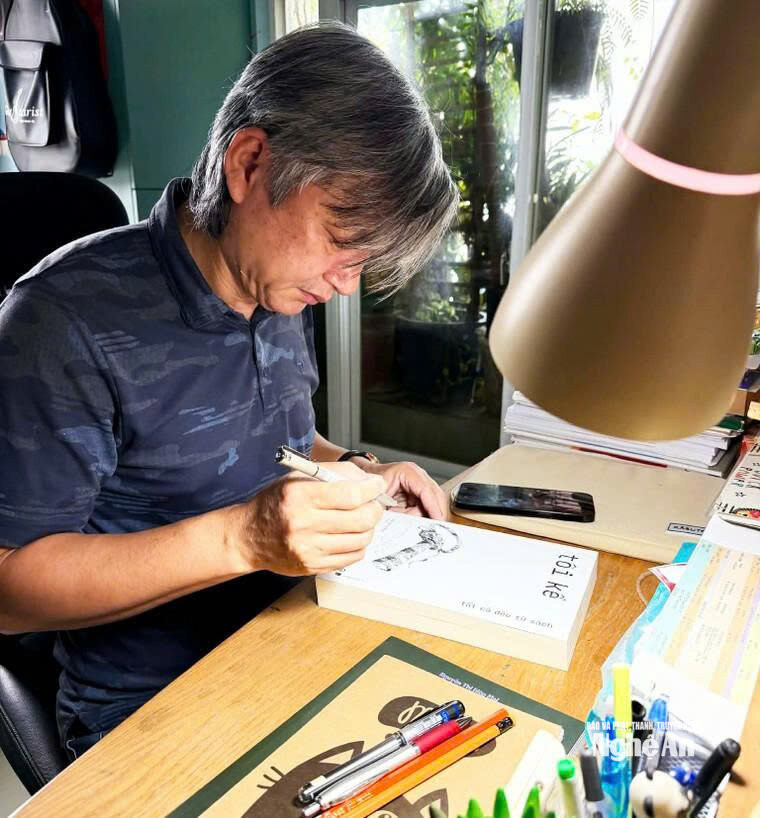
Just a year later, he produced a remarkable book:New literature in the first 5 years of the centuryThis anthology was compiled by writer Ho Anh Thai. He traveled from Hanoi to Ca Mau to get the authors' autographs. When I inquired about this elaborate process, he responded enthusiastically: "I'm happy to meet the authors and have them sign the book I'm working on. At the same time, I get to travel all over Vietnam." So, what outsiders see as arduous, he embraces as a valuable opportunity in his profession.
From those numbered editions, Dong A Books gradually delved into the world of collectible books, focusing on carefully crafted limited editions with attention to paper, covers, illustrations, and binding. The artist who once designed thousands of book covers can now dedicate significant time to the visual aspect of a single work. I see this transformation as a growing demand on myself: the book must be worthy of the writer's effort and the sentiments of the person who wants to keep it for a long time.
Therefore, when I asked about the difficulties in transitioning to business, he replied, "I've never felt anything was difficult." At first glance, this statement might lead one to believe he had had an easy time. But he was well aware of the setbacks and unsuccessful business ventures. He considered them experiences, and even in those times when things didn't go as expected, he still found joy in doing what he loved.
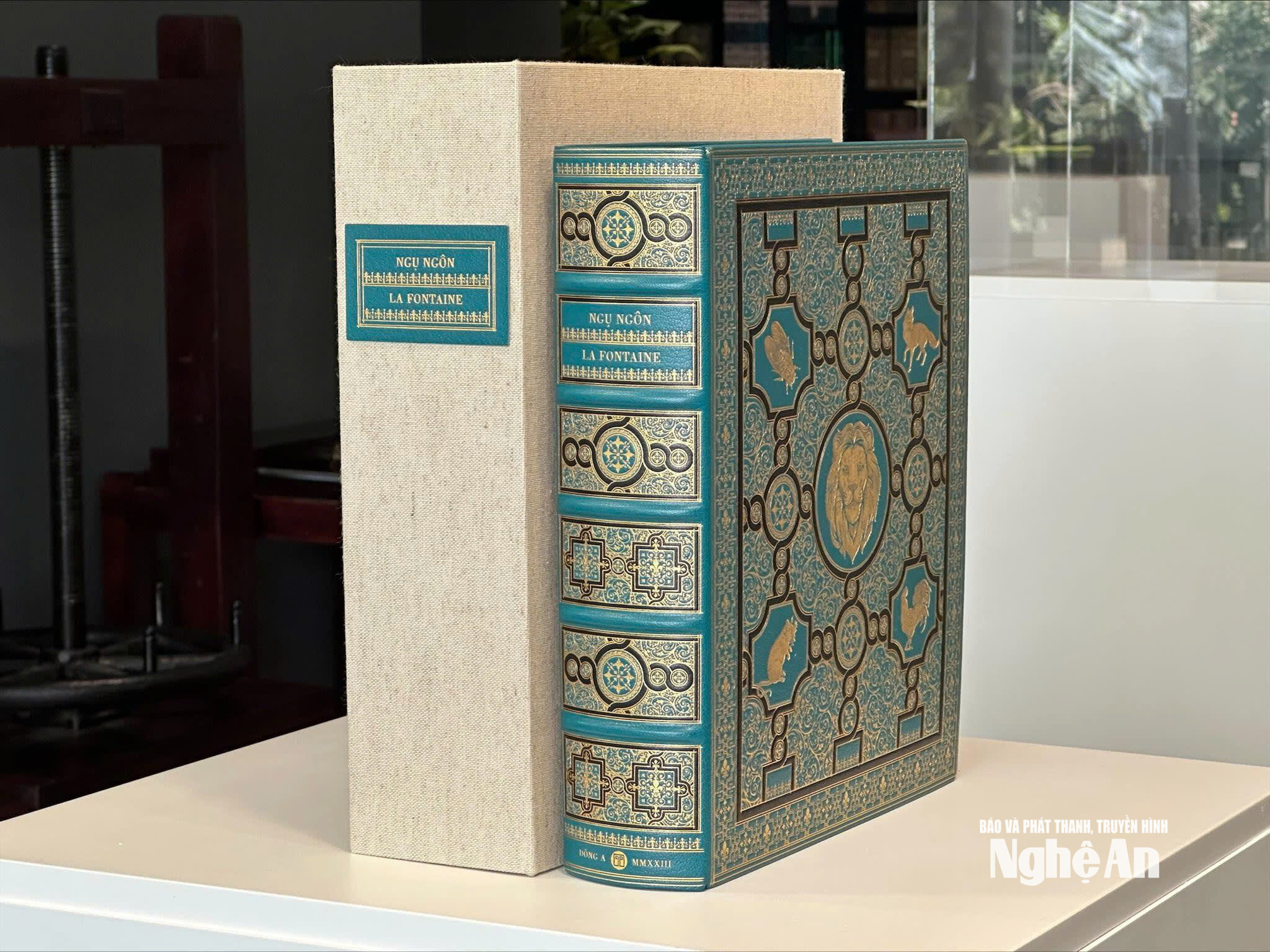
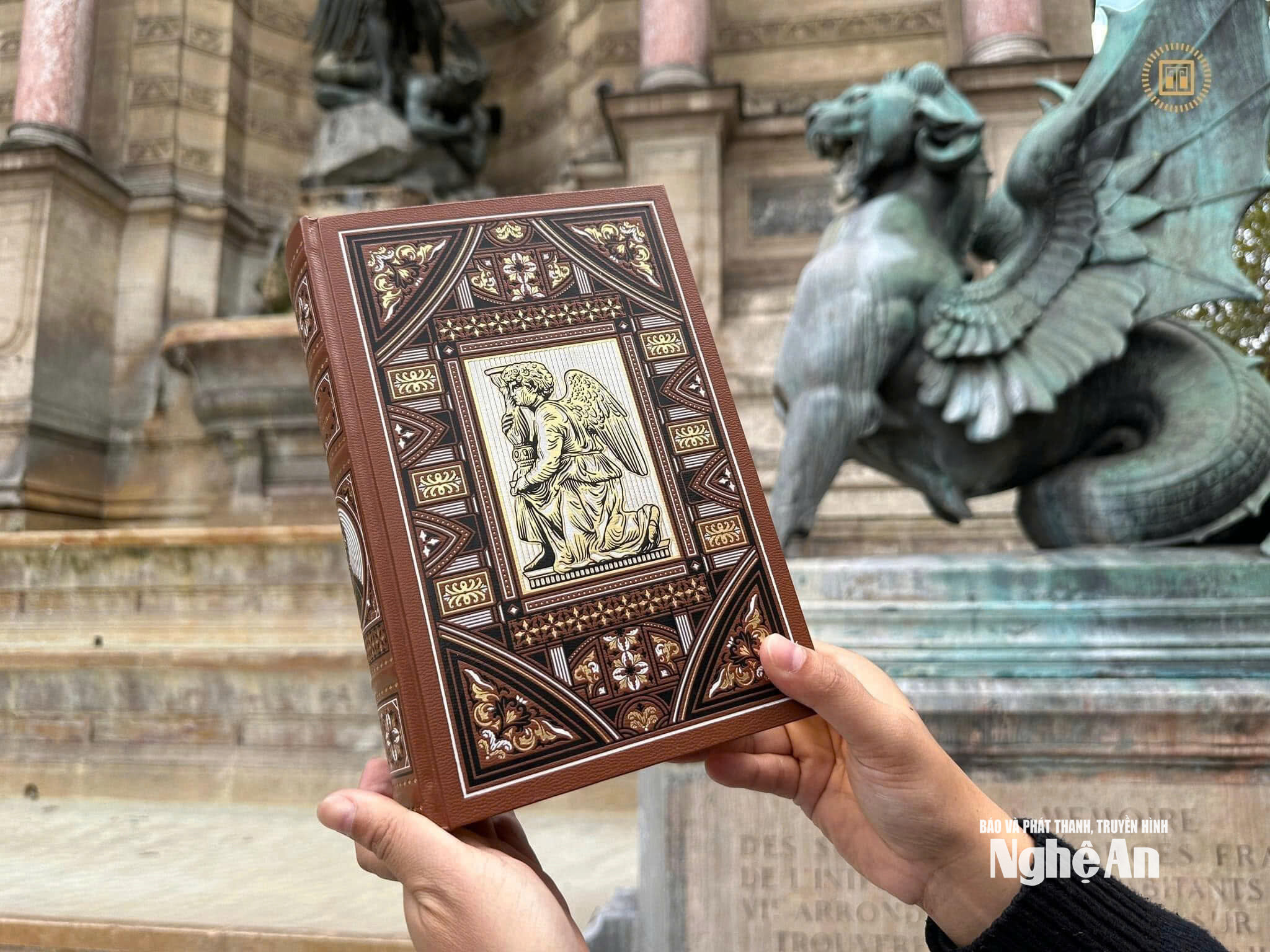
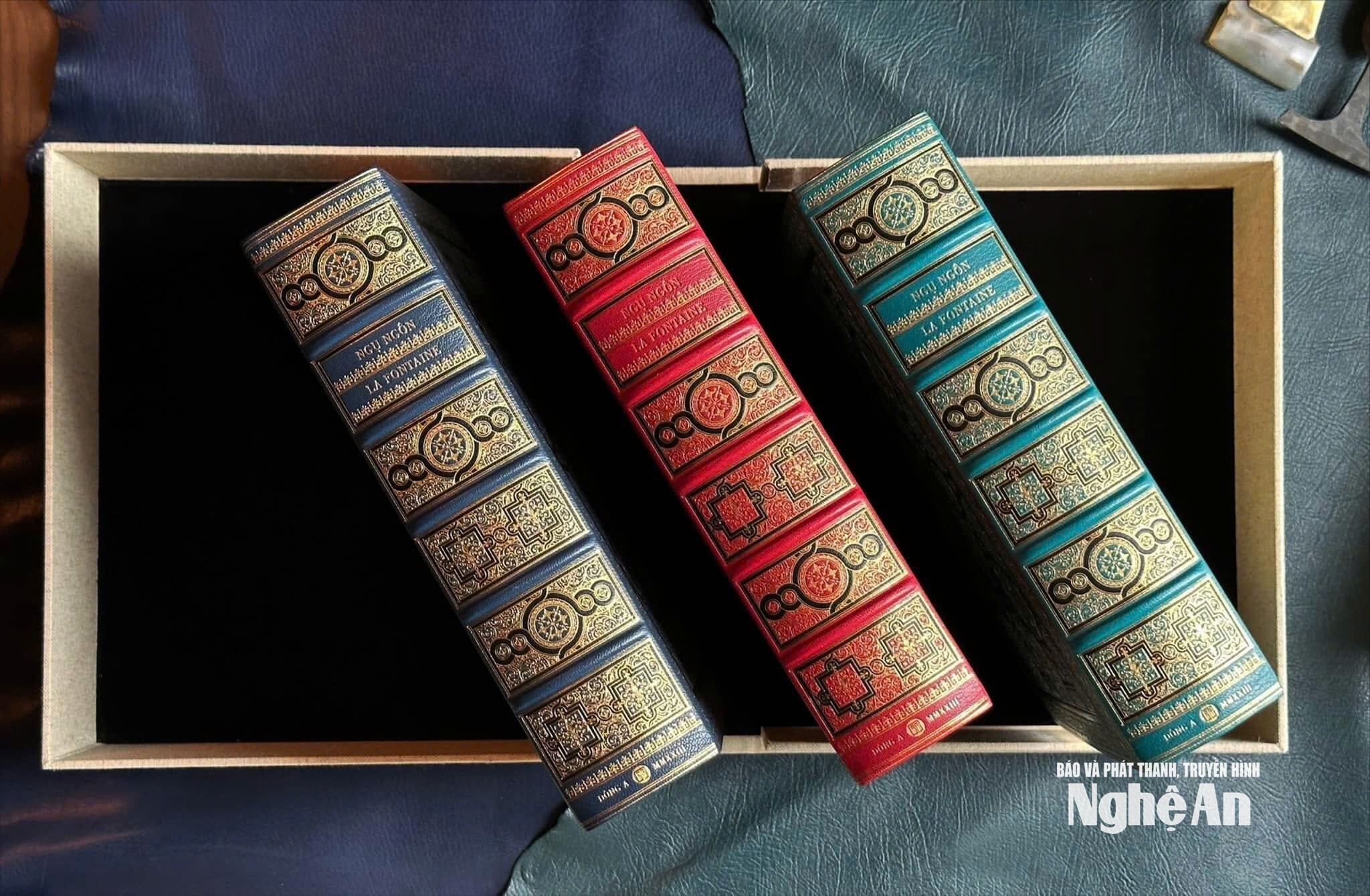
The story of the books that needed restoration helped me understand that attitude more concretely. A leather-bound collection edition, published in 2019, showed signs of peeling after a few years due to the material being unsuitable for the climate. Dong A Books contacted the buyer, retrieved the book for restoration, and then returned it. Each year, the team only manages to process about two books, because disassembling a completed book for restoration is more time-consuming than making a new one; some projects take months, with all costs borne by the company.
Even after a book has sold, its creator still carries such responsibilities. He cherishes feedback and criticism because they force him to re-examine his work more carefully. What he fears most is creating something and having no one to say anything about it, because readers have turned their backs on it. I realize that this person, so calm in the face of gain and loss, deeply understands the value of trust, especially from those who have chosen to spend money and give his work a place on their bookshelves.
The Carp Bookstore closed after 13 years, and he viewed it that way. If time could turn back, even knowing it would eventually close, he would still do it, because the years spent working with the bookstore were more valuable than the final business results. He continued to bring books to a wider audience with his "Books to Every Home" initiative, personally meeting readers, listening to them, and sharing his thoughts with them. These encounters made him want to keep traveling…

The more I learned about artist Tran Dai Thang, the more I saw the mark of self-learning in his work. From reader to designer, then to publisher, each expansion of his work required him to learn more. His artistic background helped him understand how beautiful he wanted a book to be; to achieve that, he also had to research materials, techniques, and requirements that passion alone couldn't fulfill. He said, "At this age, I'm still learning every day."
In an interview with the press, he recounted his trip to Europe, where he used connections from friends and teachers to meet skilled bookmakers and observe their work firsthand. From paper and thread to leather, fabric, glue, and packaging, everything had its own standards. The deeper he learned, the more cautious he became, and the slower he went about making books. I appreciate this willingness to learn from someone already well-known: he still accepted starting from the smallest things to do it right.
Even in his fifties, he maintained a daily language learning routine. The story of a friend's father starting to learn English at fifty years old stayed in his memory for many years. Later, meeting elderly people who were still diligently working, he became even more convinced that people need to continue learning to keep their minds active and not be limited by their existing experience. Amidst his travels and numerous work commitments, he still made time for what he wasn't good at, always putting himself in the position of a learner.
These apprenticeship trips have gradually become more enjoyable because they involve introducing the books they create to the world. At the 2024 CODEX International Book Fair in the US, Dong A presented limited editions, including...Lucky NumberThe version printed on traditional Vietnamese paper received attention, while the English version received less.The Great GatsbyThe books sold out at the book fair. He also sought opportunities to meet artisans, bookbinding workshops, and material suppliers to learn more. The books were well-received, but the people who created them still had much to learn about for his next visit.

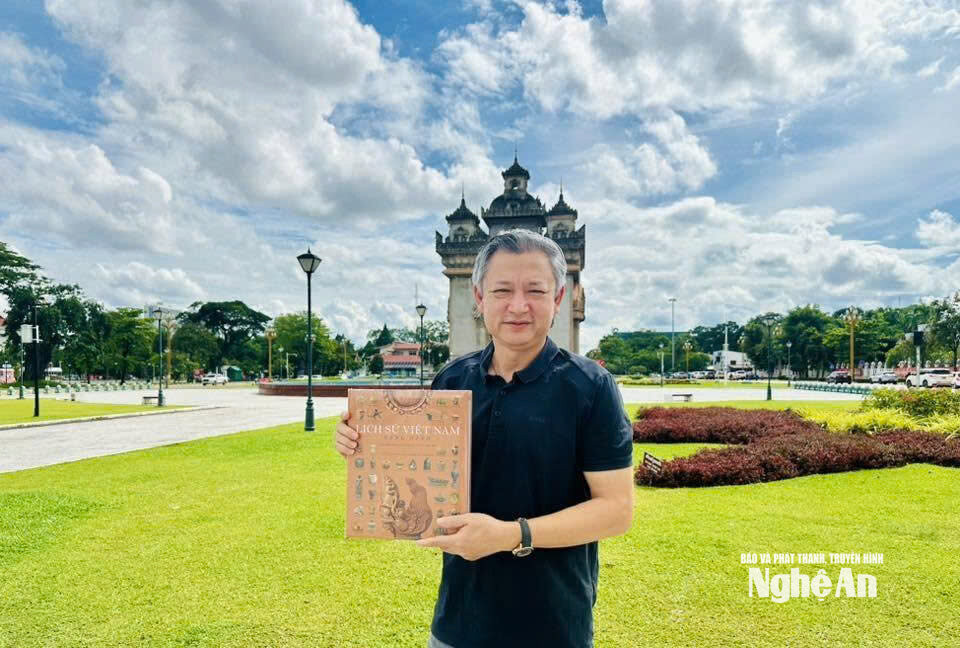
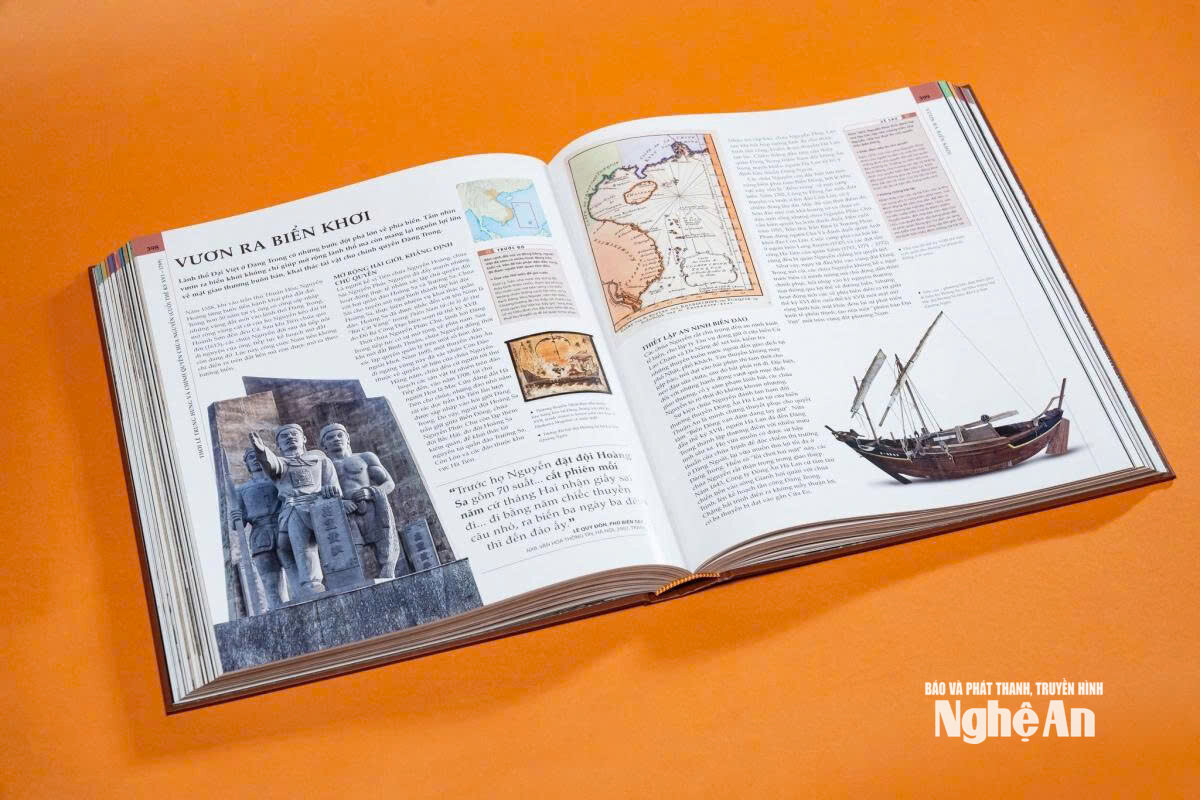
During our conversation, he devoted a great deal of effort to telling me about...Vietnamese History in PicturesThe book, conceived in 2007, was finally published at the end of 2024. The idea arose when he saw illustrated encyclopedias of various countries' histories at the Frankfurt Book Fair. Wanting Vietnam to have a similar book, he began working on it, but the topic was too broad, and in the early years, it was difficult to find someone to undertake the project. The work kept starting and then stopping.
By 2017, Dong A had established a dedicated department where editors sought out experts in each field to commission and proofread articles. He visited over 100 museums and historical sites both domestically and internationally to take photographs. I remember the details of the blank spaces on the layout pages: whatever image was needed, he would go and find and photograph it, sending it back to complete the project. Seventeen years of an idea were built upon such specific tasks, including having to start over several times.
From that story, I posed a question to him, a journalist from Nghe An province: if he were to write a book about the land and people of Nghe An, where would he begin? He thought of Lang Sen village, of the young Nguyen Sinh Cung, and from there, he would open up the history of the region and its remarkable figures. Although it was just an idea from our conversation, I wanted to include it in this article because I understand how long he might pursue a book…