
Is applying a puncture-resistant sealant to car tires really effective?
Applying a protective coating to car tires is now common and widely used. However, many people remain skeptical about this method, wondering if it is truly effective or if it might affect the surface and lifespan of the tires.
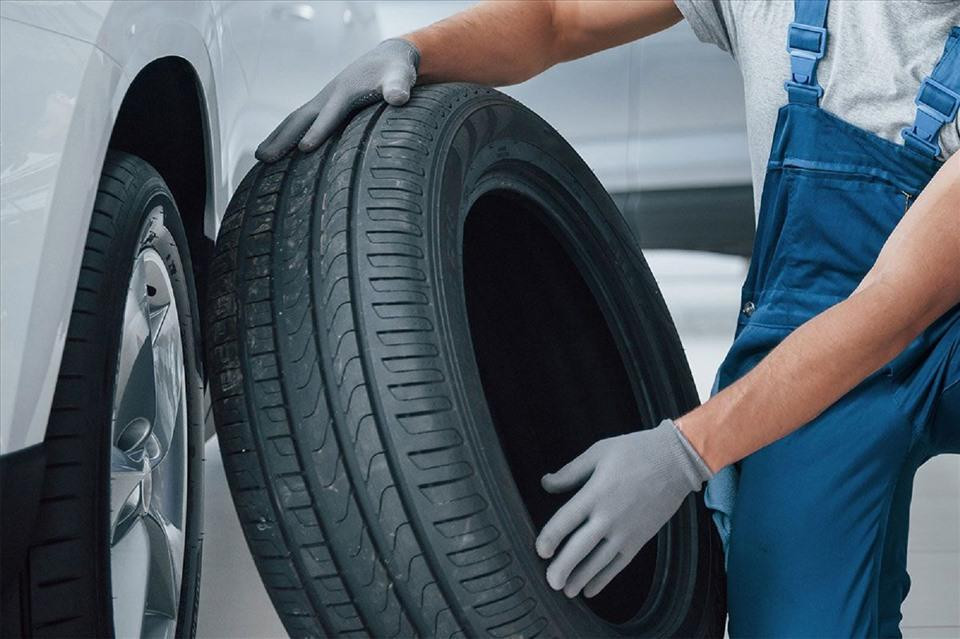 |
Applying a sealant to car tires is now common and widely used. In fact, some Rolls-Royce and Mercedes-Benz models even have their tires pre-coated with sealant. (Photo: AFP) |
Learn about the process of applying puncture-resistant coating to tires.
The technology of applying a puncture-resistant coating to tires essentially involves using a protective layer on the outer surface of the tire. If the vehicle runs over a nail or similar sharp object, this adhesive layer will self-heal the puncture.
The outer coating of the tire is created using RhinoPlex polymer compound technology to prevent air leaks. During application, this compound is applied to the tire surface in a layer 3-5mm thick.
When a puncture occurs, under the pressure of the air, this type of sealant will automatically fill and seal the hole, thereby preventing air leakage and keeping the tire from deflating.
This tire coating technology can be used for all types of vehicles. In particular, the tire's puncture resistance is permanent, provided the puncture diameter is no larger than 6mm. For larger punctures, wet adhesive cannot be used and can cause the adhesive to stick to the rim, scratching and damaging the paint, resulting in an unsightly appearance.
However, tire coating with anti-puncture agents remains an extremely effective method to combat the rampant problem of tire punctures today.
The process and technology for applying puncture-resistant coatings to tires.
Step 1: Clean the tires
Step 2: Apply the adhesive compound evenly using a machine. The adhesive is heated to approximately 270 degrees Celsius and cooled to 140 degrees Celsius.
Step 3: Apply a layer of sealant to the tire surface with a thickness of 3-5mm.
Advantages of applying a puncture-resistant coating to tires.
The biggest advantage of applying a puncture-resistant coating to tires is that it protects the tires from nails and sharp objects, preventing flat tires and loss of control. In addition, this coating is very effective in ensuring the safety of the user.
Because with untreated tires, if you are traveling at high speed and run over a nail or sharp object, the tire will suddenly lose pressure, leading to skidding and loss of control, which is extremely dangerous.
In this case, you must remove the object that punctured the tire and repair it immediately. If you patch the tire too many times, the patch will not be able to withstand the pressure and will constantly lose tire pressure, which is extremely inconvenient.
Furthermore, liquid tire sealants often cause tire corrosion and significantly affect tire dynamic balance, posing a danger to the driver. Applying a puncture-resistant coating to the tires prevents dynamic imbalance and can reduce tire noise by up to 30%.
The cost of tire resurfacing is also quite reasonable, suitable for all types of cars on the market. The initial cost may be higher than a tire repair, but it can save you a lot of time and money, especially in necessary situations.


