
Avoid diarrhea during the rainy season.
During the rainy season, high humidity and polluted water sources pose numerous health risks to consumers.
According to experts, the humid and polluted environment during the rainy season creates favorable conditions for the growth of many harmful viruses and bacteria, leading to an increase in diseases such as dengue fever, influenza, skin diseases, and especially acute diarrhea.
According to Dr. Nguyen Thi Viet Ha, Head of the Gastroenterology Department (National Children's Hospital), the "ideal" time for diarrhea outbreaks is during seasonal changes or when the weather is erratic and humidity is high. In addition, diarrhea often increases significantly after storms due to people using contaminated water sources, consuming contaminated food, or having unhygienic eating habits.
According to Dr. Viet Ha, children, especially those under 5 years old, are particularly susceptible to diarrhea because their immune systems are not yet mature, their resistance is weak, and their digestive systems are not yet fully developed. Therefore, when food is contaminated, bacteria attack the child's weak immune system, causing them to become ill.
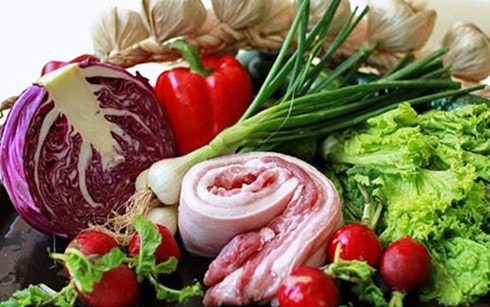 |
| The Ministry of Health recommends cooking food thoroughly and boiling water before drinking to prevent diarrhea during the rainy season (Illustrative image). |
Therefore, to prevent the risk of diarrhea during the rainy season, the Ministry of Health recommends:
- Practice eating cooked food and drinking boiled water to ensure food safety.
- Wash your hands frequently with soap; clean your eyes and nose with saline solution daily to prevent illness.
- Clean water tanks and containers thoroughly, and use chemicals such as chloramine B to disinfect water used for drinking and daily activities.
- Organize the collection, processing, and burial of animal carcasses, and spray insecticides to kill disease-carrying insects in areas at risk of disease outbreaks after storms.
- When you notice any unusual health symptoms, you should go to a medical facility for examination and treatment immediately; do not attempt to treat yourself at home.
Note:
During the rainy season, selecting, preparing, and preserving food for daily meals is extremely important. Therefore, the following points should be noted:
- Choose fresh, hygienically prepared food, especially seafood, as the risk of contamination from polluted water sources after storms is very high. It's best to buy from reputable, clean food stores. Avoid buying food that has been stored for a long time or whose origin is unknown.
- It is advisable to limit the consumption of raw vegetables because they are a food source with a very high risk of parasitic worm infection during the rainy season, especially those grown in polluted water areas with poor hygiene. They must be soaked in salt water or disinfected using specialized vegetable washing machines before use.
- When preparing food, ensure that your hands and cooking utensils are clean. Make sure food is thoroughly cooked to completely kill disease-causing bacteria.
- Food should be stored in containers with lids to prevent bacterial contamination.
- Do not mix raw and cooked food.
- Leftover food in the refrigerator should be thoroughly reheated before being used for the next meal to prevent spoilage and potential diarrhea.
- Regarding dry foods, please note: Do not consume foods that are damp or moldy, as these may pose a health risk. It is best to seal them tightly to prevent moisture and re-dry them in the sun when the weather is dry.
According to VOV
| RELATED NEWS |
|---|


