
Trekking: The allure of hiking in the mountains
In recent years, trekking (long-distance hiking and exploring wild forests and mountains) has gradually become a popular choice for many people. More than just a sport, this journey offers a unique experience of nature and allows one to explore their own limits; however, it also places considerable demands on the skills, preparation, and awareness of the participants.
Perform: Phuoc Anh• 03/04/2026
*****
In recent years, trekking (long-distance hiking and exploring wild forests and mountains) has gradually become a popular choice for many people. More than just a sport, this journey offers a unique experience of nature and allows one to explore their own limits; however, it also places considerable demands on the skills, preparation, and awareness of the participants.
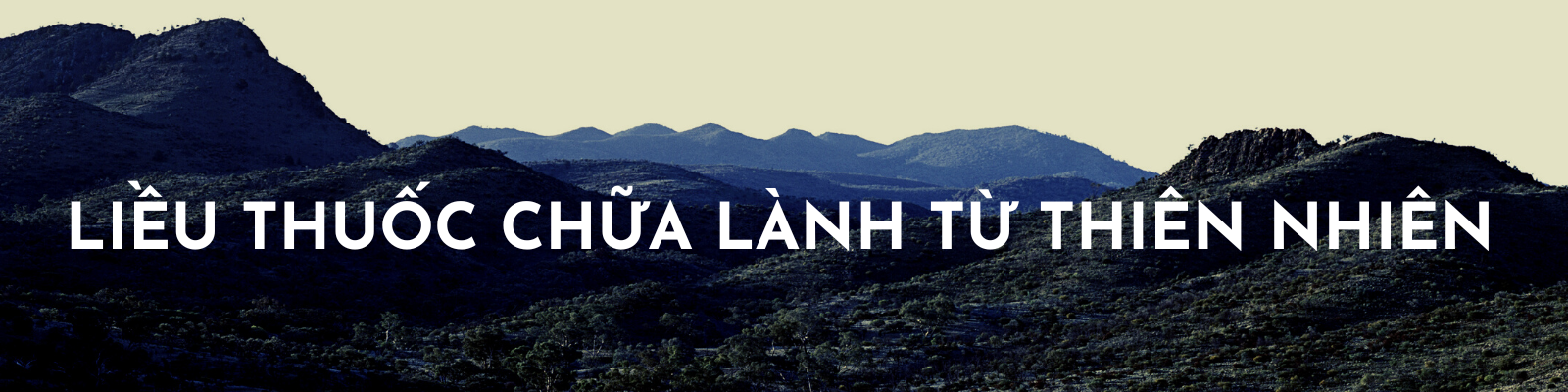
Le Thuc Anh, a lecturer in the Psychology and Education Faculty at Vinh University, and her close friend embarked on a rather hurried Friday's trekking trip. From Nghe An, they took a bus to Hanoi, then continued their journey to Hanh Phuc commune in Lao Cai province. After resting for one night, the next morning, Thuc Anh and her friend rented motorbikes to take them to the foot of Ta Chi Nhu mountain – about 20km from their accommodation – to meet their pre-arranged trekking group. Once the group was complete, everyone followed the local guide closely, beginning their first steps towards Ta Chi Nhu – one of the highest mountains in Vietnam and a trekking route that has become increasingly popular in recent years.
The group consisted of about 20 people of all ages and professions: students, athletes, journalists, lawyers, teachers… They came from many different places, and most had never met before. Their only commonality was their desire to challenge themselves with a trekking adventure amidst the blooming Chi Pâu flowers.
.png)
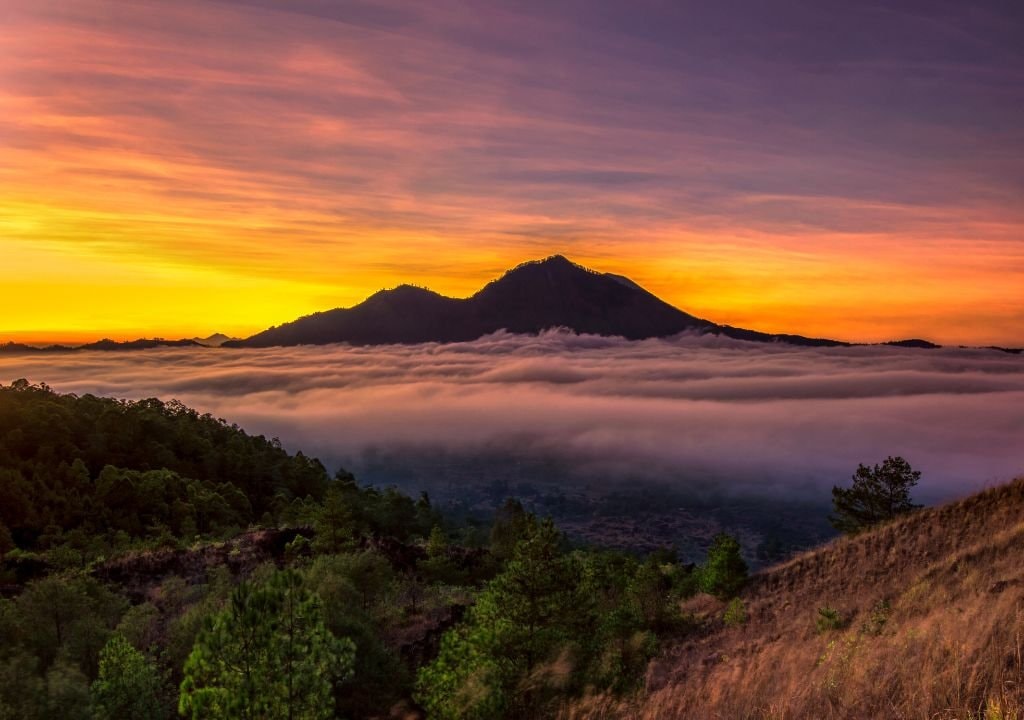
Ms. Thuc Anh clearly remembers the feeling of traversing the steep mountain slopes: “It was very tiring, I was out of breath, my shirt was soaked with sweat, and at times my muscles protested, wanting to stop. But the higher we climbed, the more the scenery unfolded, making all the fatigue disappear. Seas of clouds drifted lazily before my eyes, stretches of purple flowers extended, and the early morning sunlight shone obliquely through the undulating mountain peaks. In the afternoon, there was a fiery red sunset, at night the sky was full of stars, and the next morning another magnificent sunrise. If someone asks why I go trekking, enduring such hardship, my answer is: To be healed by nature.”
Thuc Anh's story is not unique. In recent years, trekking – a form of long-distance walking combined with mountain climbing and nature exploration – has become a clear trend. Notably, trekking is no longer the exclusive domain of professional athletes. Participants are increasingly diverse in age and occupation. It's not uncommon to find trekking groups with tens of thousands of members, and familiar routes like Ta Chi Nhu, Lao Than, Fansipan, and Pu Luong are constantly being conquered.
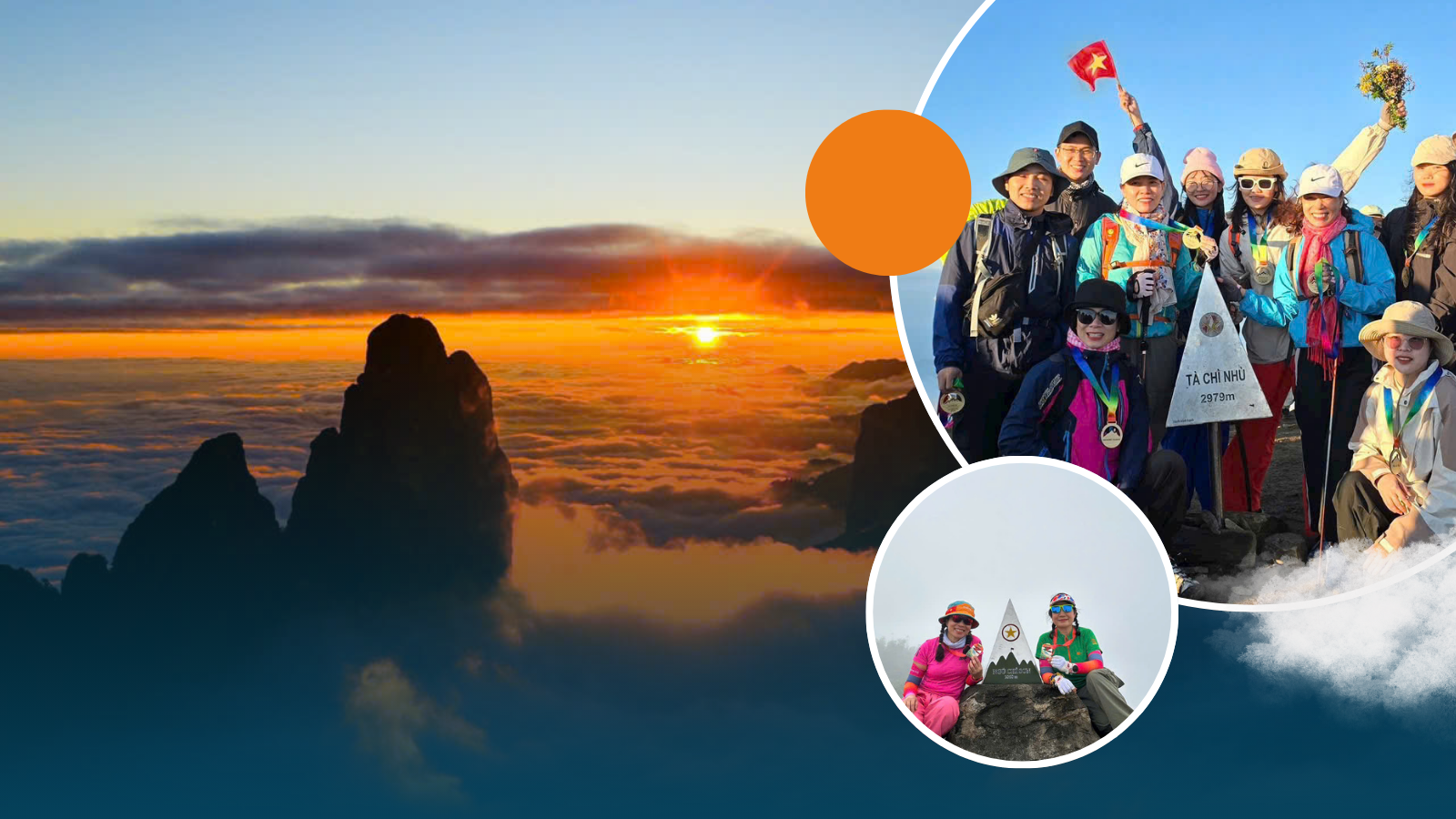
Nguyen Thi Nhung (Truong Vinh ward), currently a third-year student at Hanoi University, shared that she learned about trekking two years ago, and the first mountain peak she reached was Nhiu Co San peak (Lao Cai).
“That trip was with a group of friends from school, including three locals who regularly climb the Niu Co San mountain range, so they were very familiar with it. Honestly, when I was about halfway up, I wanted to give up, but my friends encouraged me, so I tried to rest and regain my strength, inching forward step by step. And strangely enough, I gradually came to remember that feeling of exhaustion and aching, and I truly understood the meaning of “conquering.” It was about every step, every climb, every moment when I thought I was about to collapse, but then I got up and continued…” To date, Nhung has climbed 7 or 8 mountains in Northern and Central Vietnam.
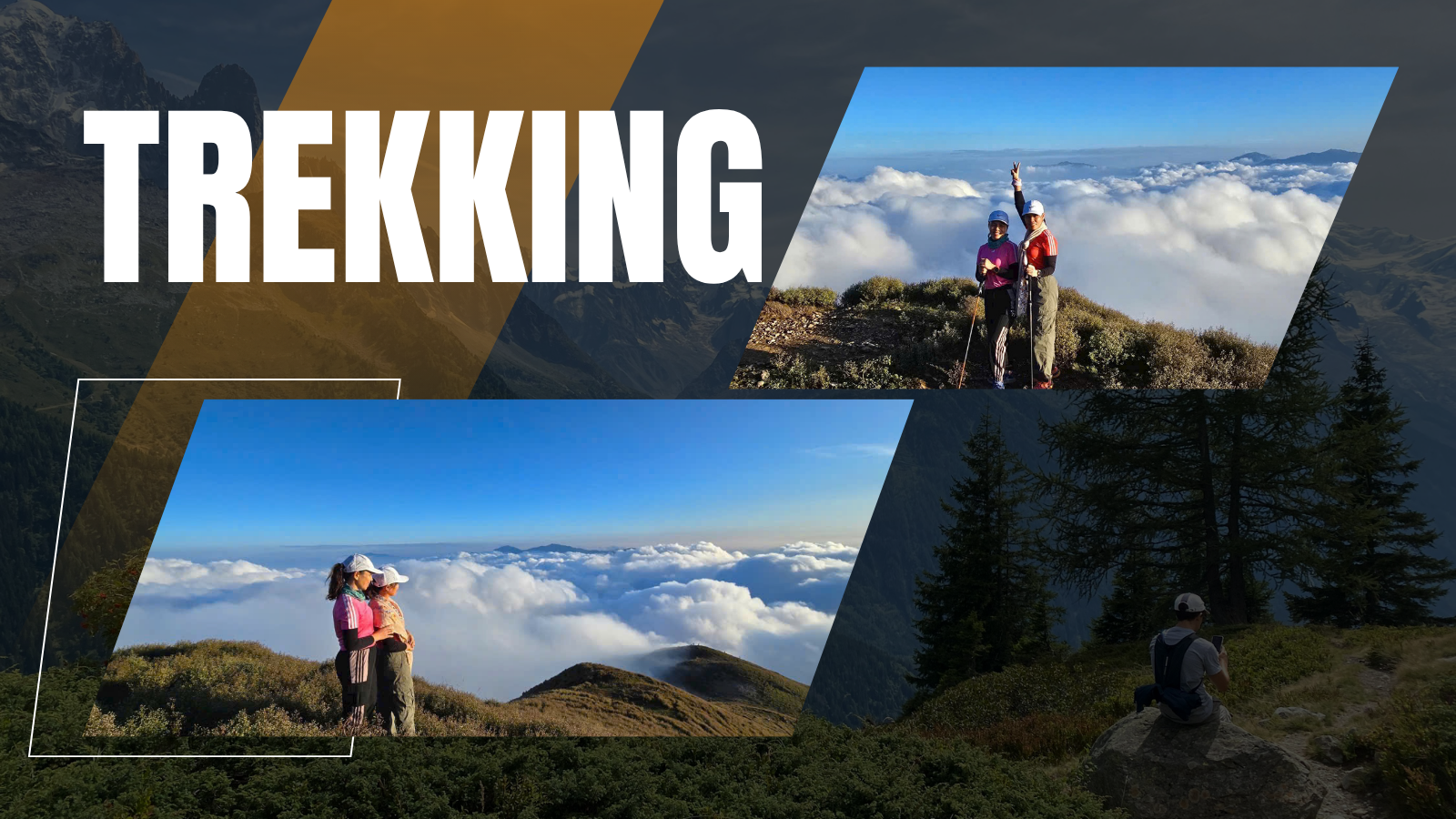
Many people are passionate about trekking because it's a form of exercise that benefits both physical and mental well-being. Long routes and challenging terrain help increase endurance, improve cardiovascular health, and strengthen willpower. More importantly, it provides a sense of "separation" from the stressful rhythm of everyday life.
Many trekkers share that there are stretches of trail that last for hours, with only the sound of wind and footsteps. This silence allows them to listen to themselves more clearly. Thoughts that were previously forgotten in the hustle and bustle of life resurface, and the chaos in their minds is brought into better order.
Beyond the personal aspect, trekking also creates a unique form of social connection. Strangers from diverse backgrounds can quickly become close after a few hours of climbing together, sharing water and food, or simply encouraging each other to overcome difficult stretches of the trail.

In late March, the story of Tran Binh Dinh – who has paddled SUPs on over 600 rivers and lakes and climbed nearly 100 mountains across Vietnam – attracted the attention of the trekking community. He shared his story on his personal Facebook page and published it in many newspapers, calling it a "life-or-death return" from Nam Nghep (Ngoc Chien commune, Son La province).
Despite being a free climber with extensive survival experience, during his journey to Nam Nghep, Mr. Dinh encountered an unforeseen situation that threatened his life. He faced unpredictable hailstorms, slipped and fell, lost consciousness for a period, and got lost with his communication and navigation equipment running out of battery. After many efforts to determine his direction and demonstrating extraordinary willpower to overcome adversity, he was fortunate enough to find his way back to his village, where he met kind local people and a rescue team actively searching for him.
The story of Mr. Tran Binh Dinh offers many valuable lessons for the trekking community. While captivating, trekking is undeniably a dangerous sport, and even experienced trekkers face perilous situations. In fact, there have been unfortunate incidents on trekking routes like Ta Nang - Phan Dung or Hoang Ngu Son, where trekkers have gotten lost, exhausted, and unable to find their way back; meanwhile, the complex mountainous terrain and rapidly changing weather make search and rescue efforts extremely difficult.
The rapid increase in trekking participation in recent years is posing a major safety concern. Besides professionals, there are also many who approach this activity as a trend, lacking basic skills such as map reading, using GPS devices, specialized communication equipment, weather awareness, or handling situations when getting lost.
Without an organized group, professional support, and adherence to safety guidelines, the risks of getting lost, adverse weather conditions, and physical limitations can be significant challenges. Exhaustion, dehydration, hypothermia, and other problems can still occur, especially for first-time participants who choose routes beyond their capabilities.
Another issue sparking debate within the trekking community is the "mismatch" in expectations for the experience. Some people bring the standards of resort tourism to trekking, from food and accommodation to services. Complaints about cold food, simple menus, or inadequate sleeping conditions in the mountains are increasingly appearing on online forums.
However, trekkers need to understand that, in mountainous terrain, these requirements are not always feasible. Food, water, and daily necessities must be transported manually over long distances. Rest stops are mostly communal, depending on the conditions of the owner and the density of visitors at that time. Electricity is either non-existent or very limited, and hot water is not always readily available. Expecting a fully equipped experience in such a harsh natural environment can easily lead to disappointment, or even conflict during the trip.
From an environmental perspective, the pressure from the rapidly increasing number of trekkers is also evident. Household waste, uncontrolled fire use, and impacts on vegetation are potentially affecting the ecosystems in some popular trekking routes. Without conscious efforts to preserve them, these pristine destinations could quickly lose their original value.
As we can see, trekking is not just a simple tourism and sporting trend, but an activity that requires preparation and understanding. Therefore, the development of trekking needs to be accompanied by corresponding awareness from participants, organizers, and local communities, all of whom have a role to play in keeping the routes not only attractive but also safe and sustainable.
.png)


