
Trump criticizes China and the EU for 'currency manipulation'.
President Trump criticized China and the EU for currency manipulation, and affirmed that the US would take countermeasures in response to this situation.
On July 3, US President Donald Trump accused China and the European Union (EU) of currency manipulation, and implied that the US Federal Reserve (Fed) should also loosen its monetary policy in a similar manner.
|
| US President Donald Trump. Photo: Getty |
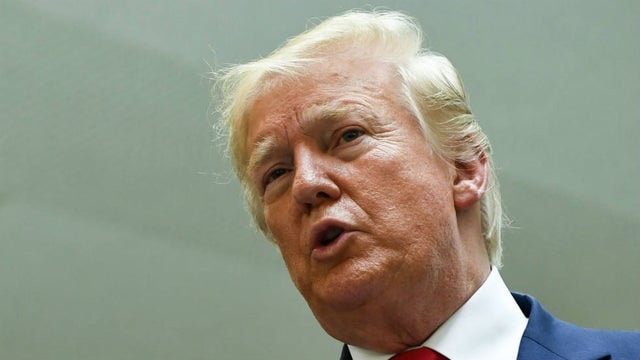
According to President Trump, China and the EU are "playing currency manipulation games" and asserted that the US should take countermeasures while continuing to pressure both to increase their purchases of American goods.
President Trump did not directly mention the Fed, the agency responsible for controlling U.S. monetary policy, but he has consistently criticized the Fed for not supporting trade negotiations.
"China and the EU are playing currency manipulation and pumping money into their systems to compete with the U.S. We have to respond or we will continue to be fools sitting back and watching other countries continue their game. They have been doing this for years," Trump wrote on Twitter.
Despite Trump's claims, the US Treasury Department has refused to label China and the EU as "manipulators," based on its annual reports on foreign monetary policy issued since 2017.
Trump's tweet came just hours after the Commerce Department released data showing a jump in the U.S. trade deficit in May 2019, amid President Trump's efforts to narrow the gap.
The American leader also expressed his displeasure in recent weeks when European Central Bank President Mario Draghi announced last month that the bank would cut interest rates if the European economy continued to slow down.
Trump asserted that the People's Bank of China and the European Central Bank had cut interest rates to lower the price of American exports, and called on the Fed to do the same. President Trump had criticized the Fed throughout 2018 for raising interest rates – a move that increased the value of the dollar.
Trump wants the Fed to weaken the dollar through interest rate cuts and monetary stimulus packages because a weaker dollar would make American products cheaper compared to foreign goods.
Fed Chairman Jerome Powell, a strong opponent of Trump's views, asserted: "The Treasury Department is the agency responsible for exchange rate policy. We don't adjust the strength of the dollar. We only monitor the domestic economy and financial conditions, like other central banks."


