
Russia's first S-500 regiment enters active service.
Russia announced that the first regiment equipped with the S-500 air defense missile system has entered combat duty, enhancing its air defense and long-range missile defense capabilities.
The Russian Defense Minister announced that the first regiment equipped with the S-500 air defense missile system has officially entered combat duty. According to the statement, the deployment of the S-500 enhances air defense and missile defense capabilities, particularly against hypersonic threats and targets at very high altitudes. There is currently no official information regarding the specific deployment location of this regiment.
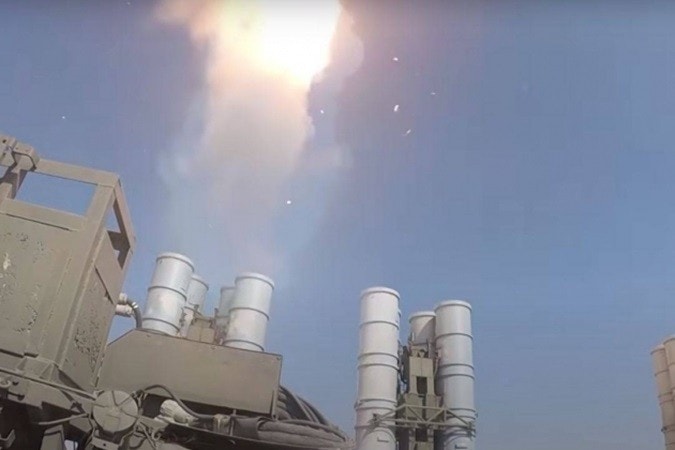
Overview of the S-500 system
The S-500 is described as the latest generation of Russian surface-to-air missile systems. It is designed to intercept intercontinental ballistic missiles (ICBMs), airborne early warning and control aircraft, and other high-altitude airborne targets. The S-500's role is to supplement long-range air defense and high-altitude missile defense capabilities where older systems struggle to adequately address the issue.
Russia began developing the S-500 in the early 2010s as part of a strategy to modernize its air defense capabilities. The multi-year development process demonstrates Moscow's priority for building systems capable of countering emerging threats, including hypersonic glide vehicles and ICBMs.
Key specifications have been released.
Published information indicates that the S-500 targets objectives at very high altitudes and long distances. The system is said to have an attack range of up to 600 km against airborne targets and can intercept threats at altitudes up to 200 km. Therefore, the S-500 is capable of intervening in "near space," the region between the upper atmosphere and low orbit.
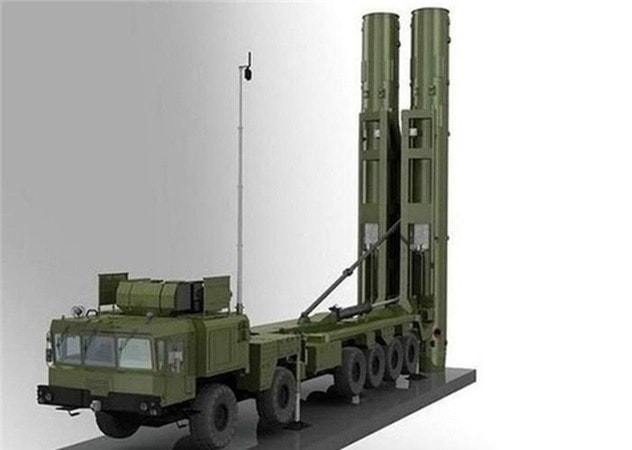
Belousov emphasized: "The deployment of the S-500 enhances the potential of Russian air defense and missile defense systems, allowing for the interception of hypersonic threats and objects at considerable altitudes." Thus, in addition to its long range, the system's focus is on its ability to counter targets with high speed and altitude.
Summary of S-500 specifications and main missions
| Element | Information as published | Operational significance |
|---|---|---|
| Airborne target attack range | Up to 600 km | Allows for the protection of a large area over long distances, enabling earlier target acquisition. |
| Interceptor altitude | Up to 200 km | Extending operational capabilities to near-space, where many types of missiles fly. |
| Primary target audience | ICBMs, hypersonic glide vehicles, airborne early warning and control aircraft. | Strengthen defenses against strategic threats and airborne command and reconnaissance targets. |
| Role in the air defense system | The latest generation surface-to-air missile system. | This adds a layer of long-range defense, capable of countering missiles and targets at very high altitudes. |
Combat capability and target type
According to the description, the S-500's central mission is to intercept intercontinental ballistic missiles, which fly at very high speeds and trajectories that reach the upper atmosphere. An interception altitude of up to 200 km allows the system to approach targets during their high-altitude flight phase, when the interception window is typically very short.
In addition, the S-500 is tasked with countering hypersonic glide vehicles. These types of targets typically combine high speed with agile trajectories, posing a challenge to traditional radars and interceptor missiles. The ability to "intercept hypersonic threats and objects at significant altitudes" is a key element emphasized by the Russian side in their statement.
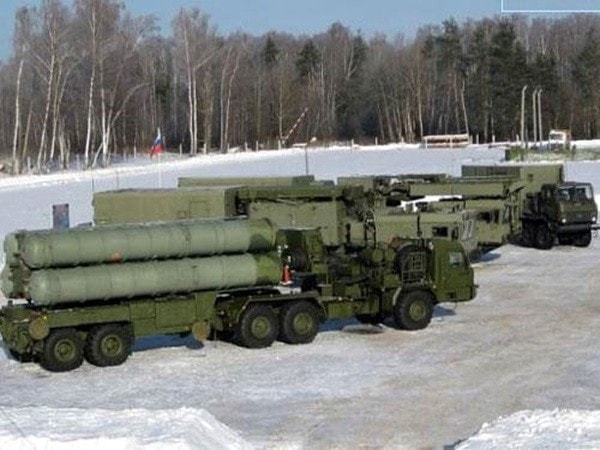
The fact that the S-500 is designed to intercept airborne early warning and control aircraft also has significant tactical implications. These targets are often crucial links in airborne reconnaissance and command systems. The ability to pressure such targets forces the enemy to reconsider deploying forces in areas within the system's firing range.
The significance of deploying the first S-500 regiment.
The entry into combat duty of the first regiment equipped with S-500s marks a transition from the development and testing phase to actual deployment. According to the statement, the S-500 will enhance the potential of Russia's existing air defense and missile defense systems, expanding the layer of defense at long ranges and high altitudes, especially against strategic threats.
However, to date, no official information has been released regarding the regiment's deployment location or the completion date of the full system deployment. This makes detailed assessments of the actual coverage area or specific deployment of the S-500 limited, at least in the publicly available view.
The context of the development and modernization of Russian air defense.
The S-500 began development in the early 2010s as part of Russia's strategy to modernize its air defense capabilities. According to published information, Moscow's goal was to build a system capable of handling the most serious threats, including ICBMs and hypersonic glide vehicles. The fact that such a program has lasted for many years and has now produced its first operational regiment shows that this system is considered one of the pillars of long-range defense.
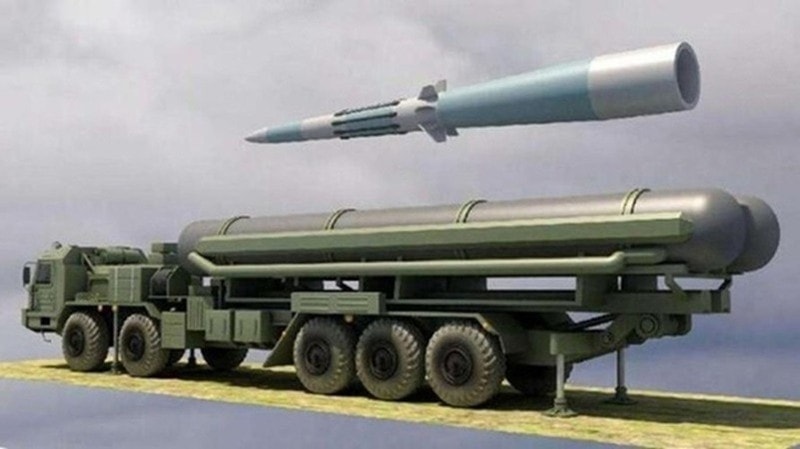
Based on published data, the S-500 appears to be designed to fill a gap in long-range, high-altitude, and anti-missile defense. The deployment of the first regiment into combat marks a new step in the system's deployment, although many technical details and force organization remain undisclosed.


